












Last updated: June 2026
Restless leg syndrome (RLS) causes unpleasant sensations — itching, burning, crawling — in the feet and lower legs, often with an irresistible urge to move. According to NICE, RLS affects 5–10% of the UK population. It most commonly strikes at night, disrupting sleep and causing significant daytime fatigue. Magnesium is one of the most popular natural options explored for RLS relief.
Is magnesium good for restless legs?
Magnesium is a calming mineral that blocks calcium production — which causes muscles to contract and nerves to activate. Without sufficient magnesium, calcium goes unregulated, potentially making muscles contract involuntarily and nerves become overactive — directly relevant to RLS symptoms.
Preliminary evidence supports magnesium’s use for RLS. A 1998 study of 10 participants with moderate RLS reported better sleep after magnesium supplementation. A Mayo Clinic review also suggests combining magnesium with intravenous iron may be effective. A separate case study found RLS symptoms in pregnancy were entirely relieved with magnesium treatment.
The evidence is limited in quantity and quality, but anecdotal reports are strong and the safety profile of magnesium at normal doses is good.
Read more: Magnesium for sleep | Magnesium for cramps | Magnesium in pregnancy
Which magnesium is best for restless legs?
Research hasn’t identified a single best form, but highly bioavailable options are recommended:
Magnesium citrate
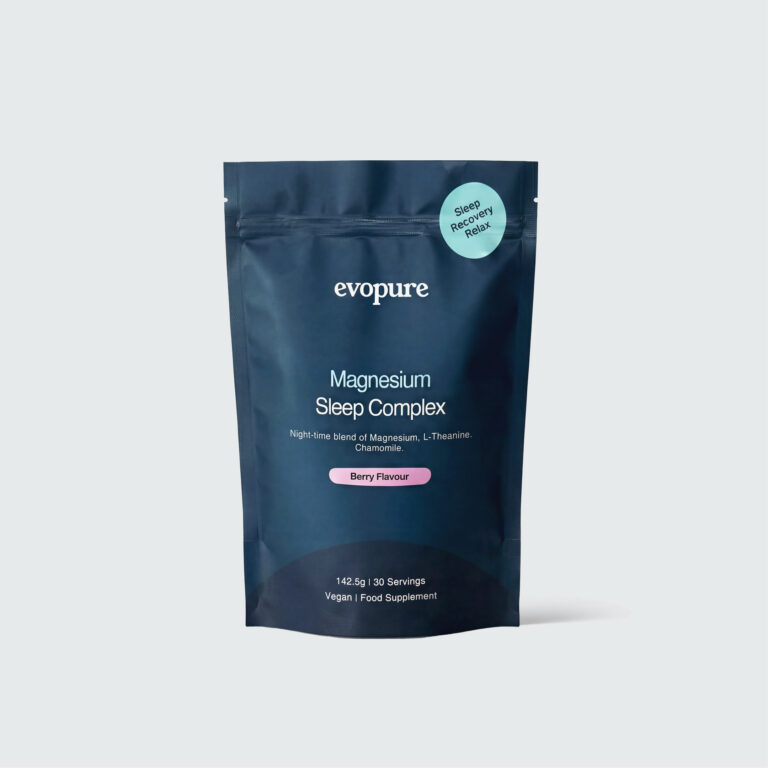
The most researched form overall. Highly bioavailable, well-tolerated and the form used in Evopure’s Magnesium Sleep Blend. Good all-rounder for RLS, sleep and deficiency correction.
Magnesium L-threonate
Crosses the blood-brain barrier more readily than other forms. Since RLS is associated with dopamine imbalances in the brain, L-threonate’s neurological penetration may make it a particularly useful form for this condition.
Our Magnesium Sleep Blend combines both citrate and L-threonate in one evening powder.
Read more: 12 types of magnesium supplements
How to use magnesium for restless legs
Magnesium powder
A highly bioavailable option for correcting deficiency. Our Magnesium Sleep Blend dissolves easily in water — take one scoop before bed as part of your evening routine.
Magnesium capsules
Convenient for consistent daily supplementation. Choose glycinate or citrate forms for best absorption.
Topical sprays or creams
Some people find local application to legs offers temporary relief. Note: topical magnesium won’t correct a systemic deficiency — oral supplementation is needed for that. Useful as a complementary approach alongside internal magnesium.
When to take magnesium for restless legs
Since RLS symptoms peak at night due to falling dopamine levels towards the end of the day, take magnesium 30–60 minutes before bed, or with your evening meal. This timing aligns with the body’s natural rhythm and supports the wind-down process alongside sleep quality.
Read more: Best time to take magnesium
Ideal magnesium dose for restless legs
There is no specific RLS dose. General supplemental guidance:
- Women: ~310–320 mg elemental magnesium/day
- Men: ~400–420 mg elemental magnesium/day
- NHS upper guidance: no more than 400 mg/day from supplements
Follow your product label. Always speak to a healthcare professional before starting, particularly if you take medication or have kidney disease.
Frequently asked questions
Is magnesium good for restless legs?
Preliminary evidence and strong anecdotal reports suggest magnesium may help some people with RLS, particularly where deficiency is present. More robust research is needed but the safety profile at normal doses is good.
Which magnesium is best for RLS?
Citrate and L-threonate are the most bioavailable and practical choices. L-threonate may be particularly useful given its ability to cross the blood-brain barrier and support dopamine-related neurological pathways linked to RLS.
When should I take magnesium for restless legs?
30–60 minutes before bedtime, or with your evening meal, as RLS symptoms typically worsen at night when dopamine levels drop.
Can topical magnesium help RLS?
Sprays and creams may offer temporary local relief for some people, but won’t correct a systemic deficiency. Oral powder or capsules are needed for that.
Can I combine magnesium with CBD for RLS?
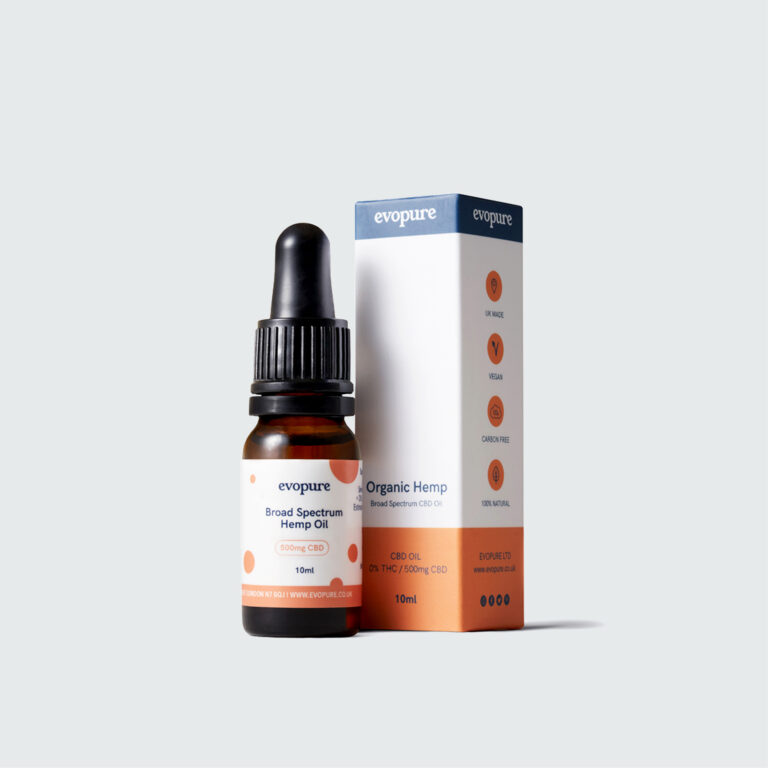
Yes — magnesium and CBD work through complementary pathways. Our Magnesium Sleep Blend and Sleep CBD Oil are commonly combined as an evening sleep and calm routine.
Final thoughts on magnesium for restless leg syndrome
The evidence for magnesium and RLS is promising but limited. That said, magnesium is a low-cost, generally safe option worth trying if you have RLS — especially if deficiency may be a factor. Take it consistently in the evening, choose a highly bioavailable form, and allow at least 4 weeks before judging results.