




Last updated: October 2026
Reishi and ashwagandha are both traditional adaptogens used for stress, but they’re different. Ashwagandha, a root, has more human research: meta-analyses found lower cortisol and stress. Reishi, a mushroom, is traditionally taken in the evening for calm and sleep, with less human evidence. Ashwagandha suits fewer people, as it’s under FSA safety review.
Below: a side-by-side comparison, what the research shows for each, which might suit you, taking them together, and safety.
Reishi vs ashwagandha at a glance
| Reishi | Ashwagandha | |
|---|---|---|
| What it is | A medicinal mushroom (Ganoderma lucidum) | An Ayurvedic root (Withania somnifera) |
| Traditional use | Calm, sleep, general wellbeing | Stress, sleep, energy |
| Human evidence | Limited: small trials | More: several meta-analyses on stress and cortisol |
| Best time | Usually evening | Morning or evening |
| UK status | Sold as a food supplement | Under FSA safety review |
| Who should avoid | People on blood thinners, before surgery, with liver problems | Thyroid or liver conditions, autoimmune disease, pregnancy |
Reishi: what the research shows
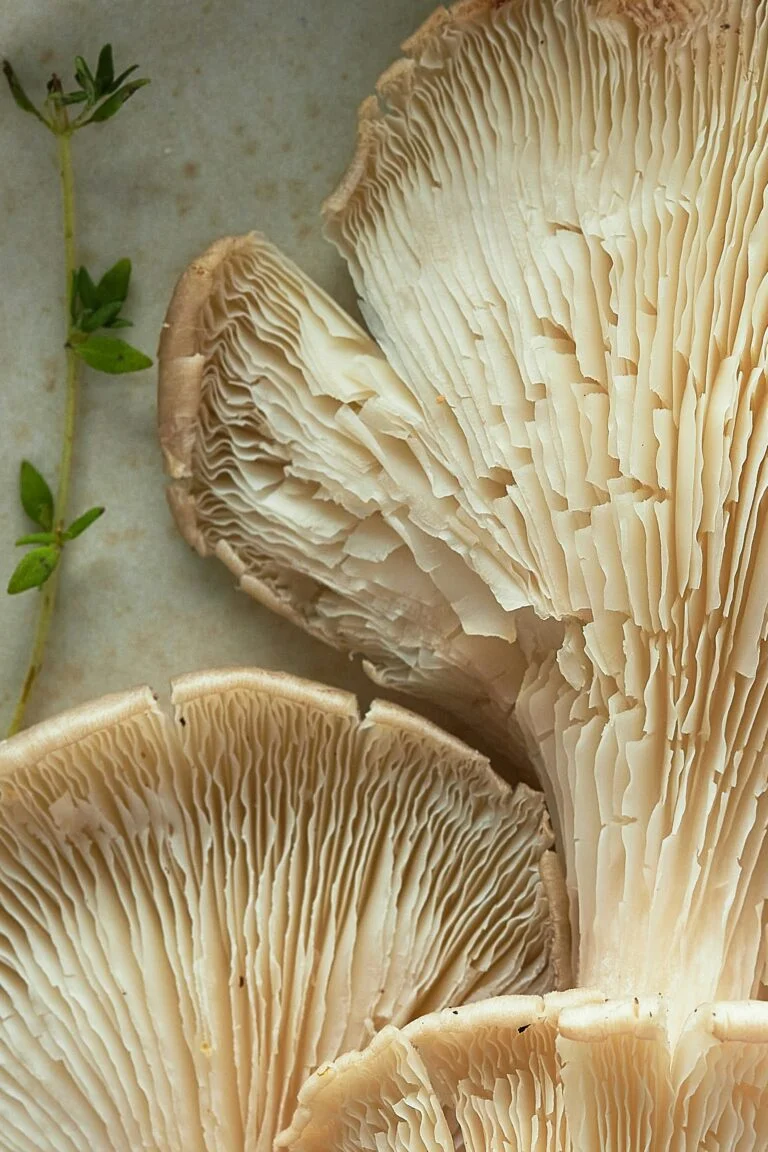
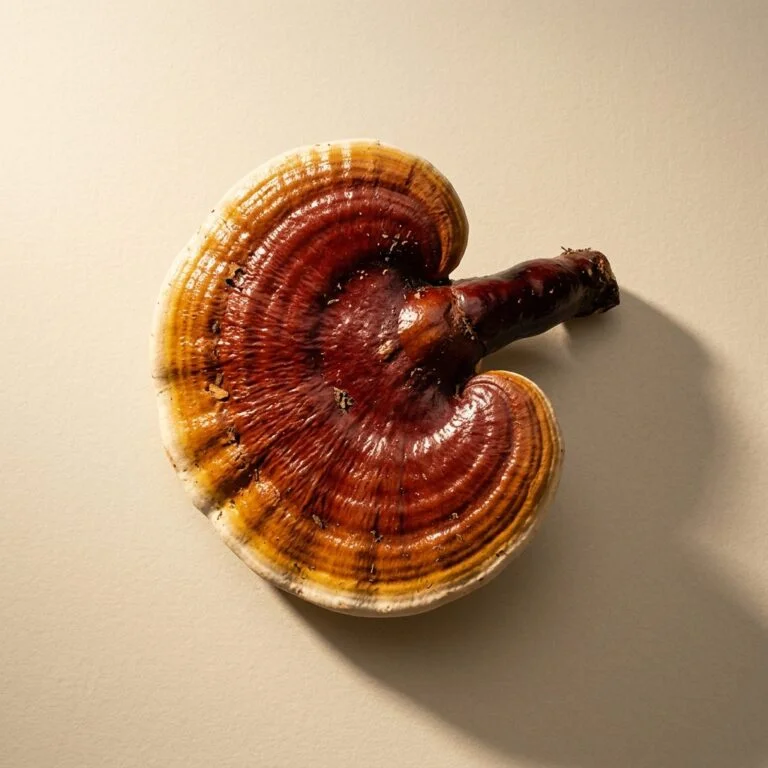
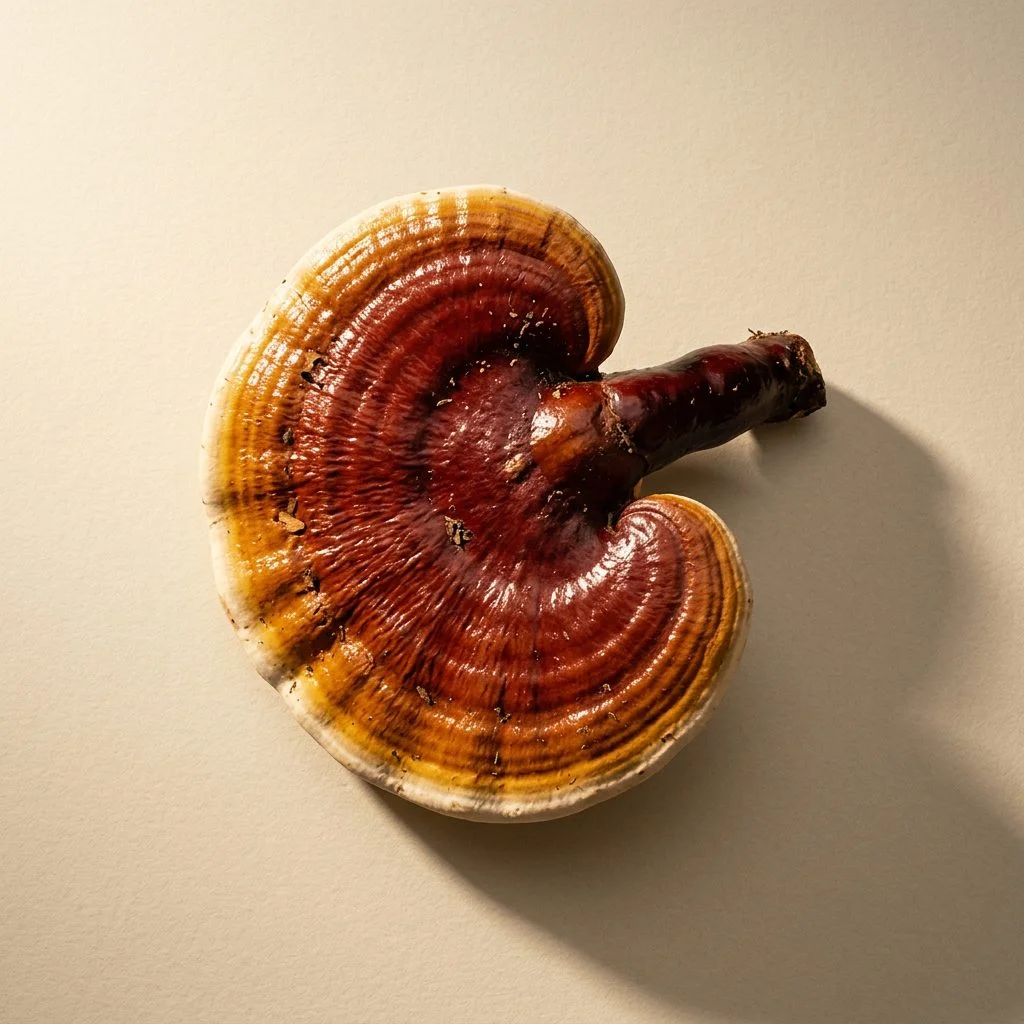
In a controlled trial of 132 adults with neurasthenia, a condition with long-term fatigue, irritability and poor sleep, a reishi extract over 8 weeks improved fatigue and wellbeing more than placebo. Animal studies suggest calming and sleep effects, but human sleep trials are lacking. It’s best seen as a gentle evening ritual rather than a proven treatment. See reishi mushroom, reishi for sleep and mushrooms for anxiety.
Ashwagandha: what the research shows
A 2024 meta-analysis of 9 trials (558 people) found ashwagandha reduced perceived stress, anxiety and cortisol. A 2025 meta-analysis confirmed lower cortisol but found no clear effect on perceived stress. The FSA is reviewing its safety in the UK, and some countries have restricted it. See what ashwagandha does, ashwagandha side effects and the UK safety review.
Which is better for you?
| If you want… | Consider |
|---|---|
| The most researched option for stress | Ashwagandha, if it’s safe for you |
| A gentle evening ritual | Reishi, often as a warm drink |
| To avoid thyroid or liver concerns | Reishi (check if you take blood thinners) |
| Something for daytime | Ashwagandha, or neither: see adaptogens for energy |
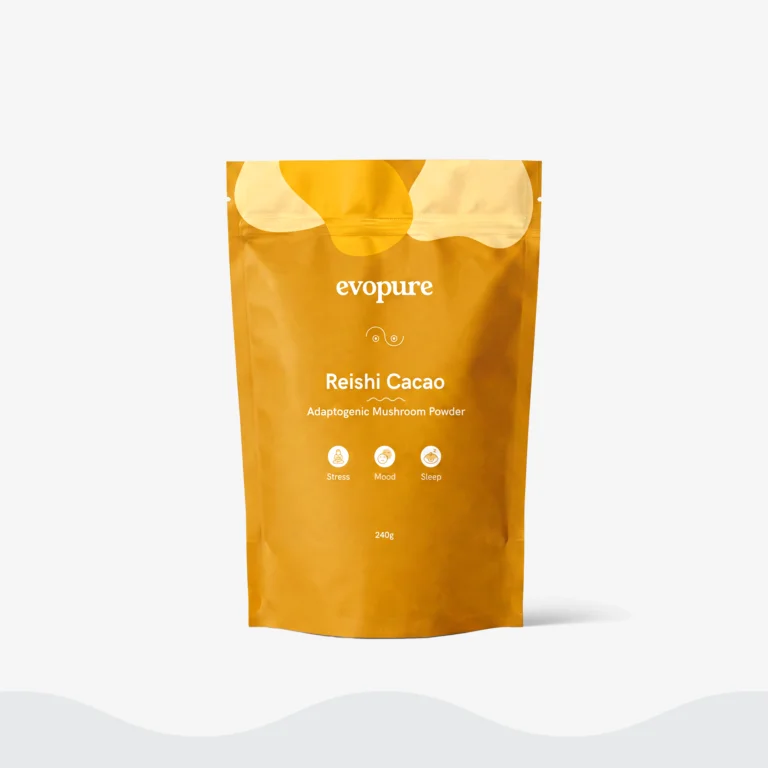
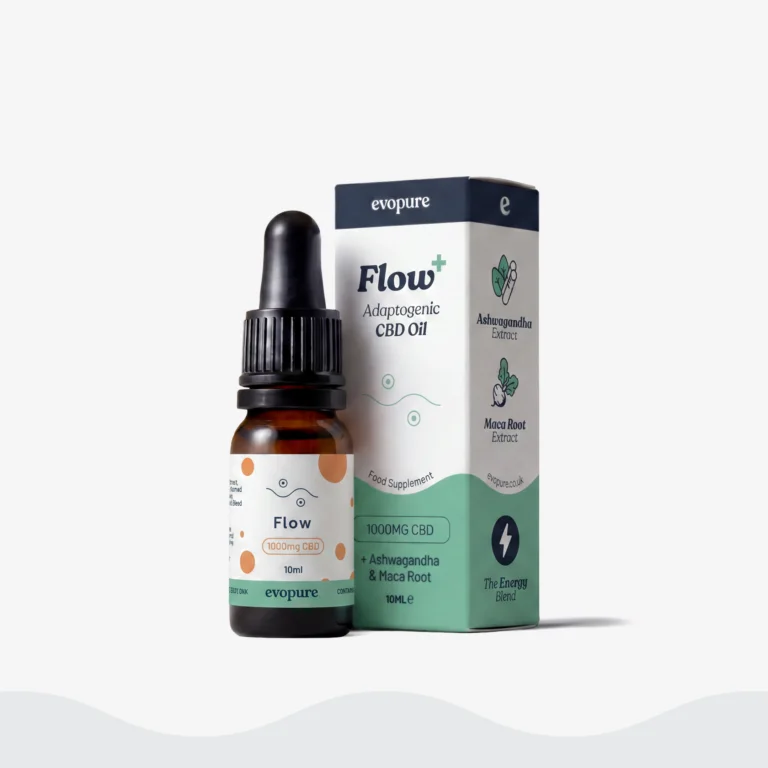
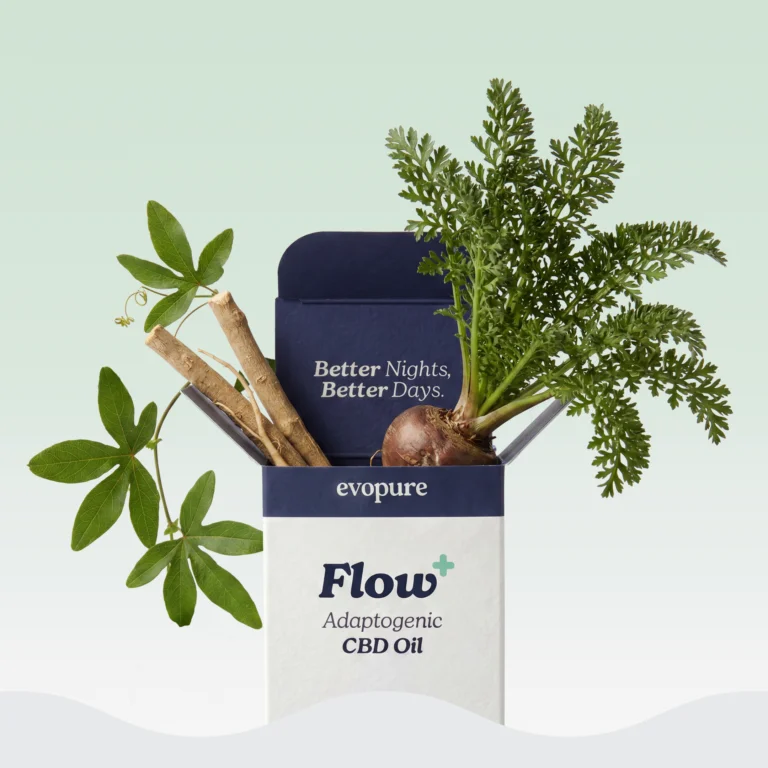
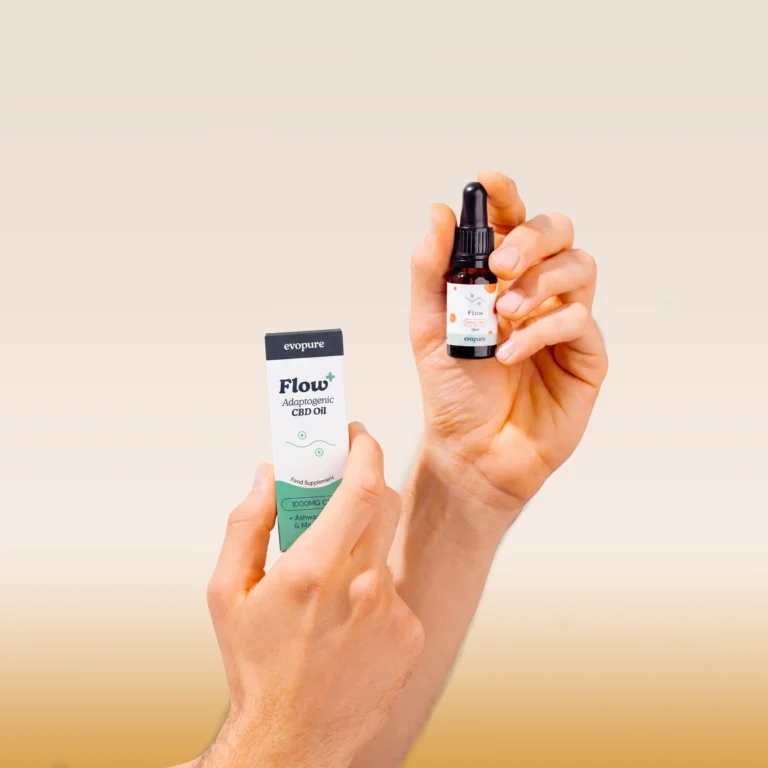
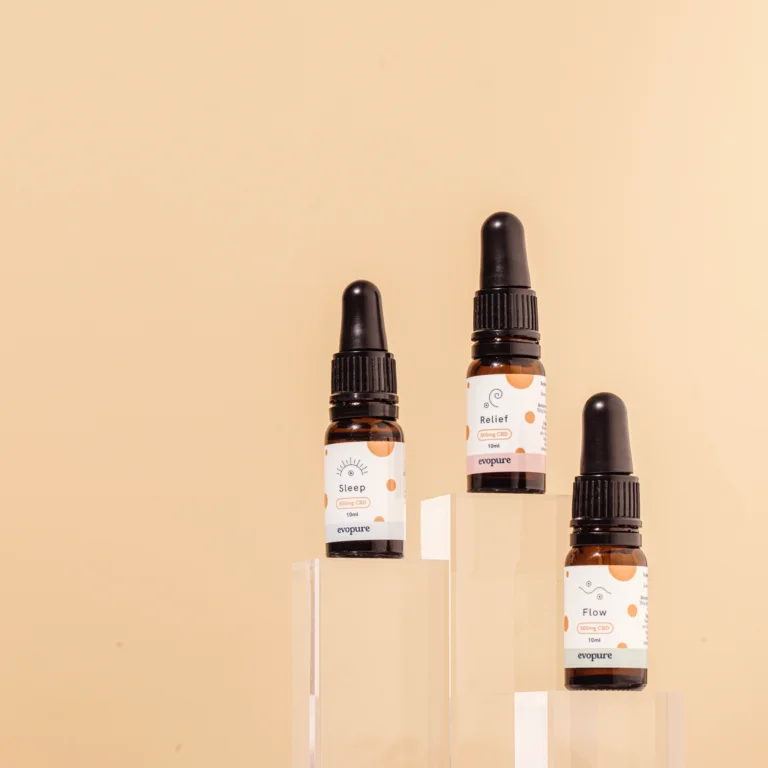
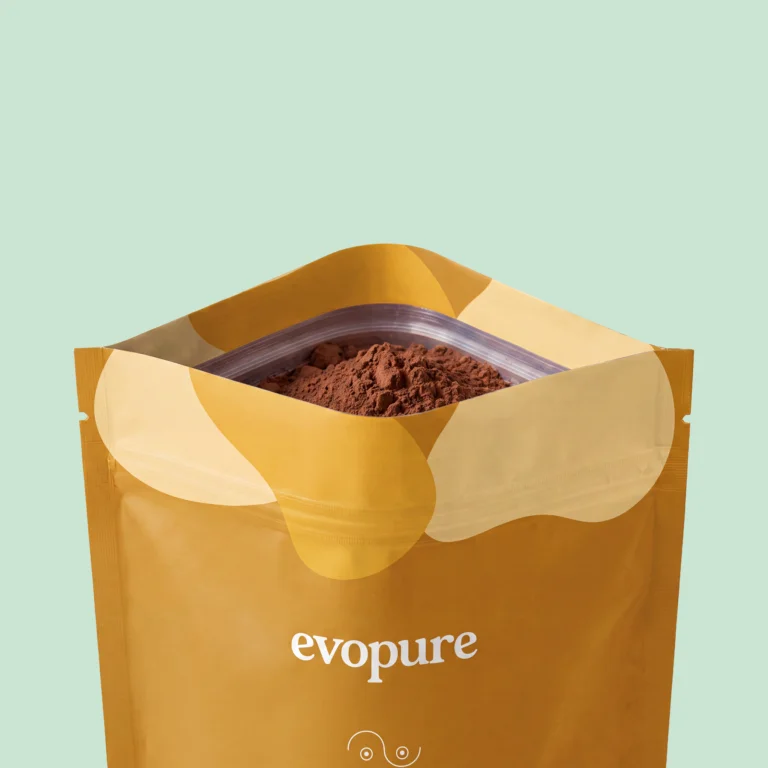
Our Reishi Mushroom Adaptogenic Complex is a warm cacao drink with reishi and maca for evenings, and our Flow CBD Oil combines broad spectrum CBD with ashwagandha and maca for daytime routines. See reishi cacao.
Can you take reishi and ashwagandha together?
Many people take both, for example ashwagandha by day and reishi in the evening. There’s no research on the combination, and both can have mild effects on blood pressure and blood sugar, so check with a pharmacist if you take medicines for those, or sedatives. Start one at a time so you can tell how each affects you.
Safety
- Reishi: usually well tolerated; can cause stomach upset. Rare liver problems have been reported with reishi powder. Avoid with blood thinners or before surgery unless your doctor agrees.
- Ashwagandha: avoid with thyroid or liver conditions or autoimmune disease, and stop if you notice yellowing skin or dark urine.
- We don’t recommend our products during pregnancy or breastfeeding, and they’re for adults only.
- The FSA’s 10mg a day figure for CBD is precautionary advice rather than a legal limit, set while longer-term safety research continues. At Evopure we think it is a very cautious figure, and many adults use more. If you go above it, increase slowly, and check with your GP or pharmacist first if you take any medication.
FAQs
Is reishi or ashwagandha better for anxiety?
Ashwagandha has more human research for stress and anxiety. Reishi is traditionally used for evening calm, with less evidence.
Is reishi or ashwagandha better for sleep?
Both are used in evening routines. Neither has strong human sleep evidence; good sleep habits matter more.
Can I take reishi and ashwagandha together?
Many people do, but there’s no research on the combination. Check with a pharmacist if you take medicines.
Is ashwagandha safe in the UK?
It’s sold as a food supplement but is under FSA safety review. Avoid it with thyroid or liver conditions, autoimmune disease or in pregnancy.
What is the difference between reishi and ashwagandha?
Reishi is a mushroom traditionally used for calm and sleep. Ashwagandha is a root studied mainly for stress and cortisol.
Sources
- Tang W et al (2005). A randomized, double-blind and placebo-controlled study of a Ganoderma lucidum polysaccharide extract in neurasthenia. Journal of Medicinal Food.
- Arumugam V et al (2024). Effects of ashwagandha on stress and anxiety: a systematic review and meta-analysis. Explore.
- Albalawi AA (2025). Dual impact of ashwagandha: significant cortisol reduction but no effects on perceived stress. Nutrition and Health.
- Wanmuang H et al (2007). Fatal fulminant hepatitis associated with Ganoderma lucidum (Lingzhi) mushroom powder. Journal of the Medical Association of Thailand.
This guide is general information, not medical advice. Evopure makes the Reishi Mushroom Adaptogenic Complex and Flow CBD Oil.