





Last updated: October 2026
Night sweats are when you sweat so much at night that your nightclothes and bedding are soaked, even though your room is cool. Common causes include menopause, anxiety, some medicines, low blood sugar, alcohol and a harmless condition called hyperhidrosis. See a GP if they happen regularly, or come with fever or unexplained weight loss.
Below: what counts as night sweats, the common causes in women and men, simple things that help, and the warning signs that mean you should get checked.
Night sweats or just a hot bedroom?
Most people sweat a bit at night, especially under a heavy duvet or in a warm room. That’s normal. True night sweats are when you wake drenched, sometimes needing to change your sheets or clothes, even though the room and bedding are cool.
Common causes of night sweats
| Cause | Clues |
|---|---|
| Menopause and perimenopause | Hot flushes in the day too, irregular periods, usually from your 40s |
| Anxiety | Racing heart, waking with worry, stressful period. See anxiety at night |
| Medicines | Started after a new medicine, especially some antidepressants, steroids and painkillers |
| Low blood sugar | Especially if you take insulin or diabetes tablets; shaky or hungry |
| Alcohol or drugs | After drinking, or when cutting down. See hangxiety |
| Hyperhidrosis | You sweat heavily all the time, day and night; harmless |
| Infections | Fever, feeling shivery, cough or diarrhoea |
Sometimes no cause is found. Rarely, night sweats can be a sign of a more serious condition, which is why persistent night sweats with other symptoms should be checked.
Night sweats in women
The most common cause in women in their 40s and 50s is perimenopause and menopause. Hot flushes at night wake many women and break up sleep. HRT is effective for this, and NICE now also recommends CBT for menopause-related sleep problems. Some women also notice night sweats around their period or in pregnancy. See perimenopause and sleep and magnesium for menopause. Magnesium won’t stop hot flushes; a trial found it worked no better than a placebo.
Night sweats in men
In men, common causes include anxiety and stress, alcohol, medicines and low blood sugar. Sleep apnoea can also cause night sweating, along with loud snoring and daytime sleepiness. Low testosterone can occasionally cause hot flushes. If you’re over 60 and getting new night sweats, or they come with weight loss, a fever or lumps, see your GP promptly. See stress in men.
What helps with night sweats
- Keep the bedroom cool and use a fan.
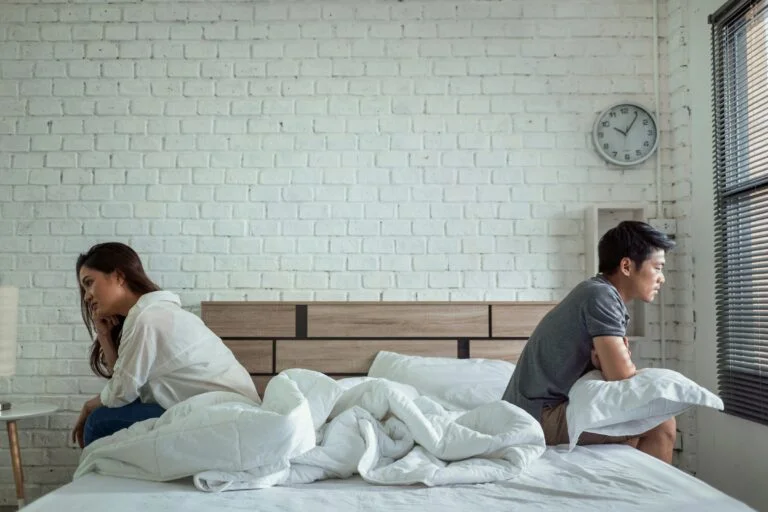
- Use layers of light cotton bedding you can throw off, rather than one heavy duvet. Separate duvets help if your partner runs cold; see sleep divorce.
- Wear loose, breathable nightclothes, and keep a spare set and a glass of cold water by the bed.
- Cut down on alcohol, caffeine and spicy food, especially in the evening.
- Manage stress with a calm wind-down. See nervous system regulation.
- Don’t stop a medicine yourself; ask your GP or pharmacist whether an alternative might help.
Broken sleep from night sweats can leave you exhausted. See why am I always tired?
When to see your GP
The NHS advises seeing a GP if:
- you have night sweats regularly that wake you up or worry you
- you also have a very high temperature (or feel hot, cold or shivery), a cough or diarrhoea
- you have night sweats and you’re losing weight for no reason
It’s also worth getting checked if you notice swollen glands or lumps, or feel generally unwell. Your GP will ask about other symptoms and your medicines, and may suggest blood tests.
FAQs
What causes night sweats?
The NHS lists menopause, anxiety, some medicines, low blood sugar, alcohol or drug use and hyperhidrosis as the most common causes. Sometimes no cause is found.
When should I worry about night sweats?
See a GP if they happen regularly, wake you or worry you, or come with a fever, cough, diarrhoea or unexplained weight loss.
Can anxiety cause night sweats?
Yes. Anxiety is one of the most common causes, often with a racing heart or waking with worry.
Why do men get night sweats?
Common causes include anxiety, alcohol, medicines, low blood sugar and sleep apnoea. New night sweats with weight loss or fever need a GP.
How do I stop night sweats?
Keep the room cool, use light layers, cut evening alcohol and caffeine, and manage stress. If they continue, see your GP to find the cause.
Sources
- NHS. Night sweats.
- NHS. Excessive sweating (hyperhidrosis).
- NICE. Menopause: identification and management (NG23).
- Park H et al (2015). A double-blind placebo-controlled study of magnesium supplements to reduce menopausal hot flashes. Menopause.
- NHS. Sleep apnoea.
This guide is general information, not medical advice.