


Last updated: October 2026
There’s no clinical trial evidence that CBD treats depression. A major 2026 review of cannabinoid trials in mental health found no randomised trials for depression at all. Interest comes from animal studies and personal reports. If you’re depressed, talking therapies, antidepressants, exercise and support work. Never stop prescribed medication to try CBD.
This guide covers what the research shows, why people are interested, CBD with antidepressants, cannabis and mood, what helps depression, and where to get support today.
What the research shows
| Type of evidence | What it found |
|---|---|
| Lancet Psychiatry review, 2026 (54 trials of cannabinoids in mental health) | No randomised controlled trials of cannabinoids for treating depression |
| Earlier Lancet Psychiatry review, 2019 | Very little evidence that cannabinoids improve depression |
| Animal studies | CBD affects serotonin receptors and stress responses in rodents; not tested properly in people |
| Surveys | Some CBD users say their mood improves; surveys can’t show cause and effect |
Why people are interested
Depression often comes with anxiety, poor sleep and stress, and CBD is widely discussed for those. Some people also want to avoid antidepressant side effects. For what the research shows in those areas, see CBD for anxiety and CBD for sleep. Interest isn’t the same as evidence, and depression is a serious, treatable illness.
CBD and antidepressants
- CBD is processed by liver enzymes that also break down many antidepressants, including some SSRIs, and can raise their levels.
- Both can cause drowsiness.
- Speak to your GP or pharmacist before combining them.
- Never stop or reduce an antidepressant suddenly. It can cause withdrawal symptoms and relapse. Always plan changes with your doctor.
Cannabis, THC and mood
CBD is different from cannabis. Regular cannabis use, especially high-THC cannabis, is linked with a higher risk of depression and psychosis, particularly in young people. If you’re using cannabis to cope with low mood, talk to your GP or a drug service such as FRANK.
What helps depression
| Approach | Details |
|---|---|
| Talking therapies | CBT, counselling and other therapies. In England you can refer yourself to NHS Talking Therapies. |
| Antidepressants | Often used for moderate or severe depression, usually with therapy |
| Exercise | Regular activity, including group exercise, can help mild to moderate depression |
| Sleep and routine | Regular sleep and wake times, daylight in the morning |
| Connection | Talking to friends, family, peer support groups |
| Less alcohol | Alcohol worsens low mood and sleep |
If low mood comes on in autumn and winter, see winter blues. If it’s linked to menopause or your cycle, see magnesium and menopause and magnesium and PMS.
Where CBD might fit in a routine
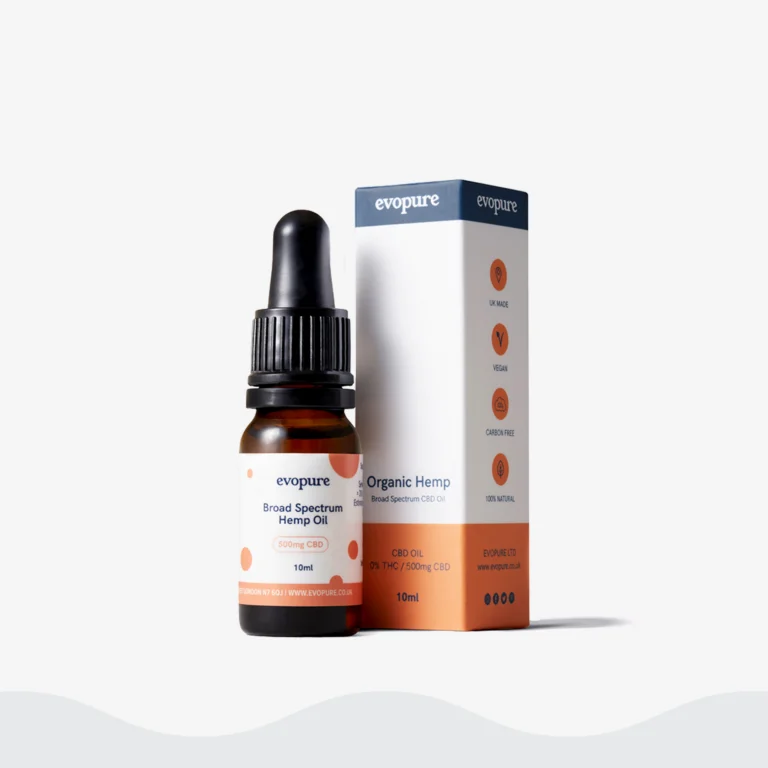
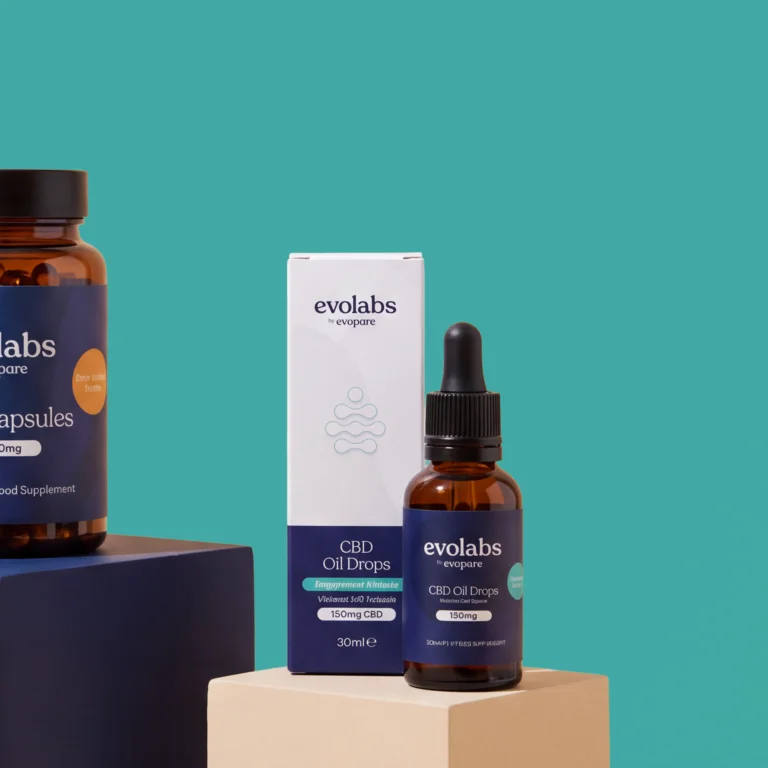
Some people use CBD as part of a calm evening routine alongside their treatment, not instead of it. If you want to try it, tell your GP or pharmacist, start around 10mg a day, and keep taking any prescribed medicine. The FSA’s 10mg a day figure is precautionary advice rather than a legal limit, set while longer-term safety research continues. At Evopure we think it is a very cautious figure, and many adults use more. If you go above it, increase slowly, and check with your GP or pharmacist first if you take any medication.
Getting help now
- If you feel unsafe or are thinking about ending your life: call 999 or go to A&E, or call Samaritans free, day or night, on 116 123.
- Urgent mental health help: call NHS 111 and choose the mental health option.
- Text support: text SHOUT to 85258.
- Non-urgent: see your GP, or refer yourself to NHS Talking Therapies.
Related guides
- How to boost serotonin and dopamine naturally.
- Diet is one of the everyday habits linked with mood. See our guide to food and mood.
- Not sure if it’s low mood or depression? See low mood vs depression: signs and how to lift your mood.
FAQs
Does CBD help depression?
There’s no clinical trial evidence that it does. A 2026 review found no randomised trials of cannabinoids for depression.
Can I take CBD with antidepressants?
Speak to your GP or pharmacist first. CBD can raise levels of some antidepressants, and both can cause drowsiness.
Can I replace my antidepressants with CBD?
No. Never stop or reduce antidepressants without your doctor. CBD isn’t a proven treatment for depression.
Is CBD good for anxiety and depression?
There’s some early research on CBD and anxiety but no clinical trials on depression. Proven treatments for both include talking therapies and medication.
Can CBD make depression worse?
CBD isn’t known to, but products containing THC, and regular cannabis use, are linked with worse mental health.
Sources
- Wilson J et al. The efficacy and safety of cannabinoids for the treatment of mental disorders and substance use disorders. Lancet Psychiatry, 2026.
- Black N et al. Cannabinoids for the treatment of mental disorders and symptoms of mental disorders. Lancet Psychiatry, 2019.
- NHS. Depression in adults.
- NICE. Depression in adults: treatment and management (NG222).
- NHS. NHS Talking Therapies.
This guide is general information, not medical advice.