











Last updated: October 2026
Journaling can help with anxiety by getting worries out of your head and onto paper, where they feel smaller and easier to sort. Good journal prompts for anxiety include “What exactly am I worried about?”, “What can I control here?” and “What would I tell a friend?”. Spend 5 to 15 minutes a few times a week.
Below: how journaling helps anxiety, 40 prompts sorted by situation, how to start, a bedtime journaling routine, and when to get more help.
Does journaling help anxiety?
Writing gives your worries a place to go. In a 12-week trial of adults with raised anxiety, 15 minutes of positive journaling 3 times a week reduced distress and anxiety compared with usual care. A sleep lab study found that writing a to-do list before bed helped people fall asleep faster. The NHS also suggests keeping a diary to spot patterns in what triggers your anxiety.
How to start journaling
- Keep it simple: a notebook and pen, or notes on your phone.
- Start small: 5 minutes, 3 times a week.
- Pick one prompt and write whatever comes. Spelling doesn’t matter.
- Be honest. No one else will read it.
- End on something kind or a small next step.
Prompts for when you’re worrying
- What exactly am I worried about right now?
- What’s the worst that could happen? What’s most likely to happen?
- What evidence do I have that this worry is true? What evidence goes against it?
- Which parts of this can I control, and which can’t I?
- What’s one small step I could take today?
- What would I tell a friend who felt like this?
- Have I handled something like this before? How?
- Will this matter in a year?
Prompts for overthinking
- What thought keeps going round in my head?
- Am I trying to solve a problem, or just going over it?
- If I had to decide in 5 minutes, what would I choose?
- What am I assuming that might not be true?
- What would “good enough” look like?
- What can I let go of today?
- What’s within my control in the next hour?
- What do I need right now: rest, food, a walk, a chat?
Prompts for calm and gratitude
- Three things that went well today, however small.
- Someone I’m grateful for, and why.
- A place where I feel calm. Describe it in detail.
- Something I’m looking forward to.
- A time I felt proud of myself.
- What helped me feel better last time I was anxious?
- What does my body feel like right now?
- What’s one kind thing I can do for myself today?
See self-care ideas.
Prompts for bedtime
- Tomorrow’s to-do list, so my mind can let go.
- What’s on my mind as I go to bed?
- What can wait until tomorrow?
- One good thing from today.
- What would help me feel calmer tonight?
- Any worry I want to “park” until the morning.
- What I’m letting go of from today.
- How I’d like to feel when I wake up.
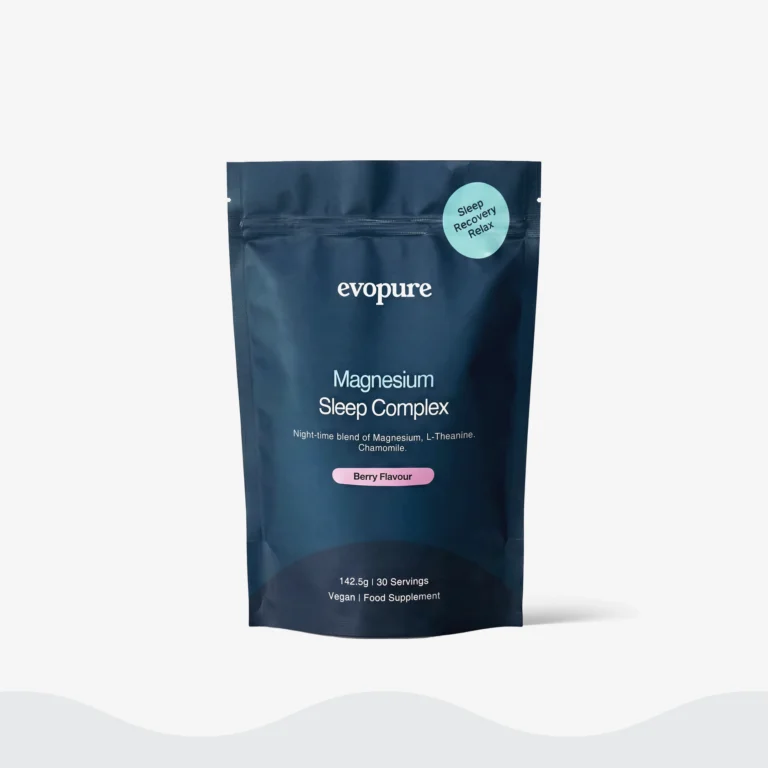
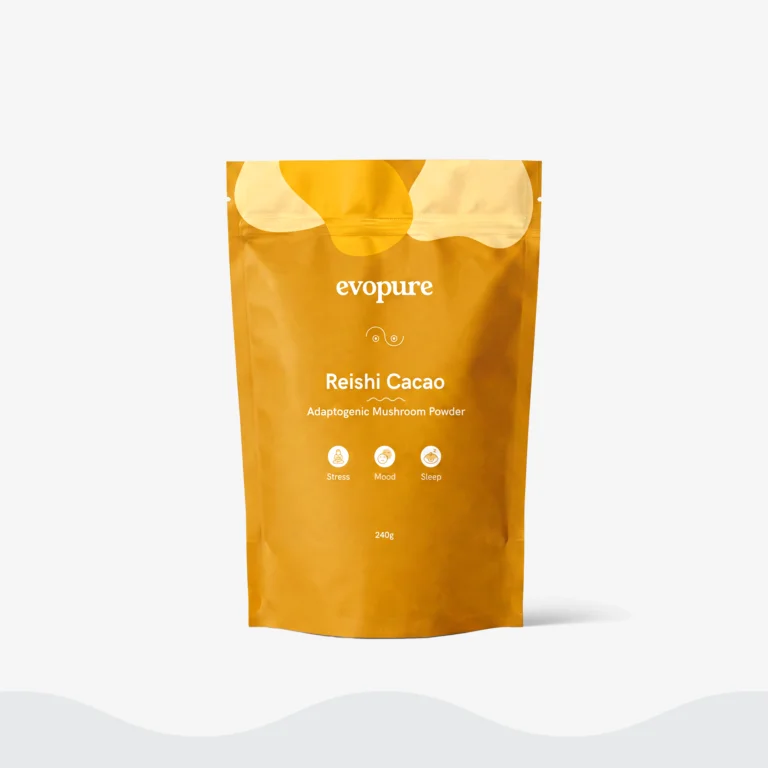
Make journaling part of a wind-down: dim the lights, a warm drink, a few minutes of writing, then a book. Magnesium contributes to normal psychological function. Our Magnesium Glycinate Sleep Complex is a bedtime drink, and our Reishi Mushroom Adaptogenic Complex is a cosy hot chocolate. See anxiety at night.
Prompts for the morning
- How am I feeling right now, in one word?
- What’s the one thing that matters most today?
- What might make me anxious today, and how will I handle it?
- What will I do to look after myself today?
- Who could I reach out to today?
- What am I grateful for this morning?
- What would make today a good day?
- One kind thing I’ll say to myself today.
See morning anxiety.
When to get help
Journaling is a helpful habit, not a treatment. If anxiety is affecting your daily life, sleep or relationships, see your GP. Adults in England can refer themselves to NHS Talking Therapies. If writing brings up very painful feelings, stop and talk to someone you trust, or call Samaritans on 116 123.
FAQs
What should I write in an anxiety journal?
What you’re worried about, what you can and can’t control, one small next step, and something that went well. Prompts make it easier to start.
Does journaling help anxiety?
Many people find it helps. A trial found 15 minutes of positive journaling 3 times a week reduced anxiety and distress over 12 weeks.
How long should I journal for?
5 to 15 minutes is enough. Consistency matters more than length.
Is it better to journal in the morning or at night?
Either. Morning journaling helps you plan the day; bedtime journaling helps you park worries before sleep.
Can journaling make anxiety worse?
Going over the same worry again and again can. End each session with a small next step or something positive.
Sources
- Smyth JM et al (2018). Online positive affect journaling in the improvement of mental distress and well-being in general medical patients with elevated anxiety symptoms: a preliminary randomized controlled trial. JMIR Mental Health.
- Scullin MK et al (2018). The effects of bedtime writing on difficulty falling asleep. Journal of Experimental Psychology: General.
- NHS Every Mind Matters. Anxiety.
This guide is general information, not medical advice. Evopure makes the Magnesium Glycinate Sleep Complex and Reishi Mushroom Adaptogenic Complex.