Last updated: 10 November 2026
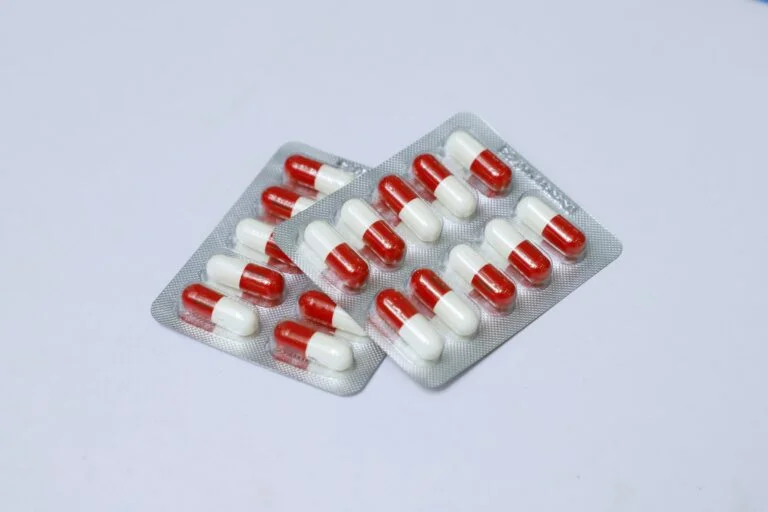
NAC (N-acetylcysteine) is a supplement form of the amino acid cysteine, which your body uses to make the antioxidant glutathione. In the UK it is sold as a food supplement, usually as 600mg capsules. Acetylcysteine is also a prescription medicine for thick mucus and, in hospital, the antidote for paracetamol overdose.
iBelow: what NAC is, what a NAC supplement is used for, whether it’s legal in the UK, how much to take (including NAC 600mg), what the research honestly shows, side effects, and who should check with a doctor first. Evopure doesn’t sell NAC.

Our pick
Magnesium Glycinate Sleep Complex
Evopure doesn’t sell NAC. If tiredness is part of what’s behind your search, Evopure’s Magnesium Glycinate Sleep Complex is a berry drink powder with 290mg of magnesium (77% NRV) per 4.75g serving, from magnesium bisglycinate and citrate. Magnesium contributes to a reduction of tiredness and fatigue and to normal psychological function.
Add Magnesium Glycinate Sleep Complex to bag See ingredients and reviews
Subscribe and save 25% on your first order, then 20%. New to Evopure? Join our emails for 20% off a one-off first order. Free UK delivery over £45. If you take any regular medicines, check with your GP or pharmacist first.
Subscribe £22.49One-off £29.99
View productWhat is NAC?
NAC, short for N-acetylcysteine or acetylcysteine, is a slightly modified form of cysteine, an amino acid found in protein foods such as meat, eggs, dairy and pulses. Your body turns cysteine into glutathione, one of its own antioxidants. NAC also thins mucus by breaking the bonds that make it thick and sticky.
| NAC fact | The detail |
|---|---|
| Full name | N-acetyl-L-cysteine (acetylcysteine) |
| Usual supplement | 600mg capsule |
| Doses in lung trials | 600 to 1,200mg a day |
| Doses in mental health trials | 1,200 to 2,400mg a day, under medical supervision |
| Prescription mucolytic dose | 600mg once a day (BNF) |
| UK status | Sold as a food supplement with no authorised health claims; acetylcysteine medicines are prescription only |
| UK or EFSA upper limit | None set for supplements |
| Check first if you have | Asthma, a stomach ulcer, angina treated with GTN, or are pregnant |
Only a small share of a swallowed dose reaches the blood unchanged: pharmacology reviews put oral bioavailability at roughly 6 to 10%, because the gut and liver process most of it first.
What is a NAC supplement used for?
People mainly buy NAC supplements hoping to support their lungs and loosen mucus, to raise glutathione as an antioxidant, or after reading about research in PCOS and mental health. In the UK, a NAC supplement can’t legally claim any health benefit, and the strongest evidence comes from medicine trials in lung disease, not from healthy people.
- Lungs and mucus: the best-studied use, as a licensed mucolytic medicine. Long-term lung conditions need a GP, not self-treatment.
- Antioxidant support: NAC raises glutathione in some studies, but there is no authorised antioxidant claim for NAC. For a nutrient that does have one, see our guide to vitamin C.
- PCOS (now also called PMOS): studied as an add-on in fertility clinics. See what the new PCOS name means and our guides to inositol and magnesium for PCOS.
- Mood and habits: studied in bipolar depression, OCD, hair pulling and addiction, always alongside normal treatment.
- Coughs and colds: some people take it when chesty. For what’s in pharmacy remedies, see cold and flu tablets and why a cough is worse at night.
What does the research on NAC show?
The research on NAC is strongest for reducing flare-ups of COPD (a long-term lung disease), where acetylcysteine is used as a prescribed medicine. Trials in PCOS, bipolar depression and OCD are small and early, and a good trial in adults with cannabis use disorder found no benefit. There are no good trials of NAC supplements in healthy people.
| Area | What studies found | How strong |
|---|---|---|
| COPD and chronic bronchitis | A 2019 Cochrane review of 38 trials (10,377 people) found people taking mucolytics, including NAC, were more likely to stay flare-up free; newer trials showed smaller benefits | Moderate, prescribed medicines |
| COPD at 1,200mg a day | In 1,006 people in China, 600mg twice a day for a year cut flare-ups from 1.49 to 1.16 a year | One large trial, funded by a NAC manufacturer |
| PCOS | A 2025 review of 22 studies (2,515 women) linked NAC with higher progesterone and a thicker womb lining; several other hormones didn’t change | Mixed-quality trials |
| Bipolar depression | A 2024 review of 12 studies (904 people) found NAC added to treatment eased depression scores, mainly in bipolar disorder | Early, add-on only |
| OCD | Six trials (195 adults) found some benefit when added to SSRIs, only between 5 and 12 weeks | Small, early |
| Cannabis use in adults | 302 adults on 1,200mg twice a day for 12 weeks did no better than placebo | Good trial, no effect |
NICE guidance for COPD says to consider an oral mucolytic for people with a chronic cough that brings up phlegm, to continue it only if symptoms improve, and not to use it routinely to prevent flare-ups in stable COPD. Our honest summary: NAC is a real medicine for specific lung problems, but it isn’t a proven everyday supplement for healthy adults.
iIf low mood is what brought you here, see low mood vs depression, and speak to your GP rather than adding a supplement to prescribed treatment.
Is NAC legal in the UK?
Yes. NAC is legal to buy in the UK and is widely sold as a food supplement, usually as 600mg capsules. As a food, it can’t claim to treat or prevent any illness. The same substance, acetylcysteine, is also in licensed prescription medicines, so a NAC product that made medical claims would be treated as a medicine by the MHRA.
- NACSYS 600mg effervescent tablets: a prescription-only mucolytic for bronchitis, emphysema, cystic fibrosis and bronchiectasis, at 600mg once a day.
- Acetylcysteine infusion (Parvolex and others): the hospital antidote for paracetamol overdose, given into a vein over 12 or 21 hours.
- Ilube eye drops: acetylcysteine for dry eyes with sticky mucus.
- Supplements: NAC is not on the GB register of authorised novel foods, and we found no FSA or MHRA ruling against selling it as a food supplement (checked November 2026). It has no entry on the GB nutrition and health claims register.
NAC and paracetamol overdose: never self-treat
If you or someone else has taken too much paracetamol, call NHS 111 straight away, even if you feel well, or call 999 if they are unwell or drowsy. Liver damage can develop without early symptoms. Hospital treatment uses a measured dose of acetylcysteine through a drip, worked out from a blood test and body weight. NAC capsules from a shop are not a substitute and will not protect you. Also see can you overdose on vitamins?
NAC 600mg: how much NAC should you take?
Most NAC supplements contain 600mg per capsule, and 600mg once or twice a day (600 to 1,200mg) matches the doses used in most lung trials and the 600mg once-daily dose of the UK prescription mucolytic. Mental health trials used 1,200 to 2,400mg a day under medical supervision. There is no NRV or official daily amount for NAC.
- Stick to the label: and count every product that contains NAC.
- Timing: there’s no proven best time. Taking it with water, and with food if it upsets your stomach, is the simple approach. The prescription leaflet suggests the morning for people who find it hard to cough up loosened mucus.
- The smell: a mild sulphur or eggy smell is normal for acetylcysteine and doesn’t mean the product has gone off.
Is NAC 600mg safe to take every day?
For healthy adults, 600mg of NAC a day is generally well tolerated: it matches the daily dose of the UK prescription mucolytic, and a year-long trial at twice that amount found side effects similar to placebo. People with asthma, a stomach ulcer, or who take GTN for angina should check with a doctor first.
NAC side effects
The most common NAC side effects are nausea, vomiting, diarrhoea, stomach discomfort and headache. Less often, people report ringing in the ears, mouth inflammation, fever or low blood pressure. Allergic reactions, wheezing and, very rarely, serious skin reactions can happen: stop taking it and get medical help straight away if they do.
- Stomach upset: taking it with food often helps.
- Wheezing or tight chest: stop and seek help. This is why asthma is a listed caution.
- Rash, swelling of the face or lips, or blistering skin: stop and call 999 or go to A&E if severe.
Who should not take NAC? Medicines and asthma
Speak to your GP or pharmacist before taking NAC if you have asthma, a history of stomach ulcers, or take any regular medicine. The UK prescribing information lists asthma and peptic ulcers as cautions, and warns that acetylcysteine can boost the blood-pressure-lowering effect of glyceryl trinitrate (GTN).
- Asthma: acetylcysteine can trigger bronchospasm (narrowing of the airways), especially in people with asthma. Stop immediately if you become wheezy.
- GTN and other nitrates for angina: NAC may increase the widening of blood vessels, so blood pressure can drop and headaches can be worse. Ask your doctor first.
- Activated charcoal: reduces how well acetylcysteine works.
- Cough suppressants: the medicine leaflet says not to combine a mucolytic with a cough suppressant, because loosened mucus needs to be coughed up.
- Antibiotics: the leaflet for the prescription tablets advises taking oral antibiotics 2 hours apart from acetylcysteine.
- Stomach ulcers: use with caution, especially alongside other medicines that irritate the stomach, such as ibuprofen or aspirin.
- Mental health treatment: don’t swap or stop prescribed medicine for NAC; ask your prescriber about any supplement.
- Pregnancy and breastfeeding: NAC supplements haven’t been studied for everyday use in pregnancy. Speak to your midwife or GP first.
If you take a statin or a beta blocker and are tired, see do statins make you tired? and do beta blockers make you tired? before adding supplements.
Next step
Magnesium Glycinate Sleep Complex
If you are healthy and decide to try NAC, the usual supplement amount is 600mg a day; check the cautions above first. If tiredness is the real issue, Evopure’s Magnesium Glycinate Sleep Complex gives 290mg of magnesium (77% NRV) per 4.75g serving in a berry drink. Magnesium contributes to normal energy-yielding metabolism and to a reduction of tiredness and fatigue.
Add Magnesium Glycinate Sleep Complex to bag
Subscribe and save 25% on your first order, then 20%. New to Evopure? Join our emails for 20% off a one-off first order. Free UK delivery over £45. If you take any regular medicines, check with your GP or pharmacist first. We don’t recommend our products during pregnancy or breastfeeding.
Subscribe £22.49One-off £29.99
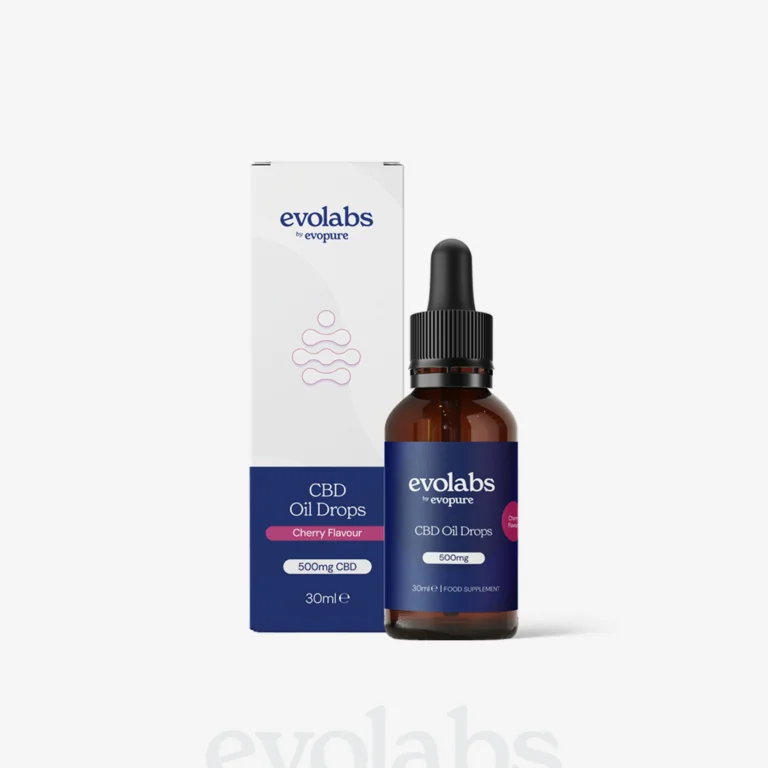
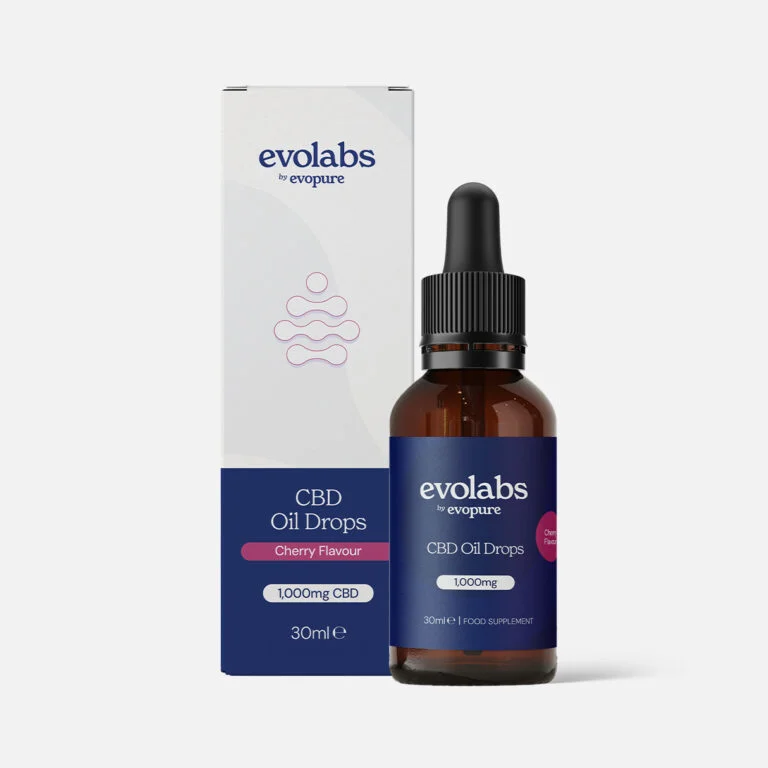
View productPrefer a warm drink in the evening? Our Reishi Mushroom Adaptogenic Complex is a reishi hot chocolate powder with 0.5g reishi and 0.5g maca per 8g serving; it contains a little natural caffeine from cacao. If you already use CBD, our Broad Spectrum CBD Oil is the plain option. The FSA advises healthy adults to take no more than 10mg of CBD a day: about 0.2ml of the 500mg (0.1ml of the 1,000mg) gives 10mg. Adults only.
The FSA’s 10mg a day figure is precautionary advice rather than a legal limit, set while longer-term safety research continues. At Evopure we think it is a very cautious figure, and many adults use more. If you go above it, increase slowly, and check with your GP or pharmacist first if you take any medication.
Sources 17
- NICE BNF. Acetylcysteine and acetylcysteine interactions.
- electronic medicines compendium (emc). NACSYS 600mg effervescent tablets: summary of product characteristics.
- electronic medicines compendium (emc). Parvolex (acetylcysteine) concentrate for solution for infusion: summary of product characteristics.
- NICE (2019, updated). Chronic obstructive pulmonary disease in over 16s: diagnosis and management (NG115).
- NHS. Paracetamol for adults.
- Food Standards Agency. Register of authorised novel foods (Great Britain).
- Department of Health and Social Care. Great Britain nutrition and health claims (NHC) register. GOV.UK.
- Poole P et al (2019). Mucolytic agents versus placebo for chronic bronchitis or chronic obstructive pulmonary disease. Cochrane Database of Systematic Reviews.
- Zheng JP et al (2014). Twice daily N-acetylcysteine 600 mg for exacerbations of COPD (PANTHEON). Lancet Respiratory Medicine. Funded by Zambon.
- Viña I et al (2025). Efficacy of N-acetylcysteine in polycystic ovary syndrome: systematic review and meta-analysis. Nutrients.
- Deepmala et al (2015). Clinical trials of N-acetylcysteine in psychiatry and neurology: a systematic review. Neuroscience and Biobehavioral Reviews.
- Berk M et al (2008). N-acetyl cysteine for depressive symptoms in bipolar disorder. Biological Psychiatry.
- Peng TR et al (2024). Efficacy of N-acetylcysteine for patients with depression: an updated systematic review and meta-analysis. General Hospital Psychiatry.
- Eghdami S et al (2024). N-acetylcysteine as an augmentation in the treatment of obsessive-compulsive disorder in adults. Frontiers in Psychiatry.
- Gray KM et al (2017). A randomized placebo-controlled trial of N-acetylcysteine for cannabis use disorder in adults. Drug and Alcohol Dependence.
- Dodd S et al (2008). N-acetylcysteine for antioxidant therapy: pharmacology and clinical utility. Expert Opinion on Biological Therapy.
- FSA. Cannabidiol (CBD) guidance.
This guide is general information, not medical advice. Evopure doesn’t sell NAC.