









Last updated: October 2026
Most of what social media calls “high cortisol” in women is long-term stress: poor sleep, feeling wired but tired, irritability, cravings and weight around the middle. Genuinely very high cortisol is usually Cushing’s syndrome, a rare condition more common in women, with signs such as a red, round face, easy bruising and muscle weakness. See a GP if you’re worried.
Below: everyday stress signs versus medical high cortisol, why women notice it, how cortisol is tested, and what actually helps.
What cortisol does
Cortisol is a hormone made by your adrenal glands. It naturally peaks soon after waking to get you going, falls through the day, and rises briefly in response to stress. That’s healthy. Problems come when stress is constant and your body rarely gets the chance to settle, or, rarely, when a medical condition makes too much cortisol. See how to lower cortisol naturally.
Signs of chronic stress in women
- trouble falling asleep, or waking at 3am with a racing mind
- feeling wired but tired
- irritability, anxiety or low mood
- cravings for sugary or salty food
- weight gain, especially around the middle
- brain fog and poor concentration
- headaches, tense muscles and digestive upsets
- getting ill more often
These are common and real, but they don’t necessarily mean your cortisol is abnormally high on a test. See burnout symptoms, anxiety at night and cortisol face.
When it’s really high cortisol: Cushing’s syndrome
The NHS describes Cushing’s syndrome as a rare condition caused by having too much cortisol, much more common in women than men. The most common cause is taking high doses of steroid medicines for a long time; rarely, a non-cancerous growth in the pituitary or adrenal gland is responsible. Symptoms often come on gradually and include:
| Body | Mood and hormones |
|---|---|
| More fat on the neck, upper back, chest and tummy, with thinner arms and legs | Irritability, anxiety or depression |
| A red, round face | Low sex drive |
| Skin that bruises easily, and stretch marks on the tummy, hips, breasts and under the arms | Irregular periods or periods stopping |
| Muscle weakness at the tops of the arms and legs | Excess hair growth |
See your GP if you have several of these. Don’t stop steroid medicines suddenly without advice.
Why women notice it: menopause, sleep and life load
Perimenopause brings broken sleep, night sweats and mood changes that can feel like stress overload. Many women in midlife are also juggling work, children and ageing parents. Poor sleep alone makes the body more reactive to stress. See perimenopause and sleep, night sweats and why am I always tired?
How cortisol is tested
If your GP suspects Cushing’s syndrome, they may arrange urine, blood or saliva tests, often late at night or after a test dose of medicine, and refer you to a specialist. A single random cortisol reading, including from a home kit, can’t tell you much, because levels naturally swing through the day and with stress. “Adrenal fatigue” isn’t a recognised medical condition. See does the cortisol cocktail work?
What helps
| Habit | Why |
|---|---|
| Protect sleep | A regular schedule calms the stress response. See sleep hygiene |
| Move, gently and regularly | Walking and strength training help; over-training can do the opposite |
| Daily downtime | Breathing, walks, time with friends. See nervous system regulation |
| Regular meals | Steady blood sugar avoids extra stress on the body |
| Less late caffeine and alcohol | Both disrupt sleep. See coffee crash |
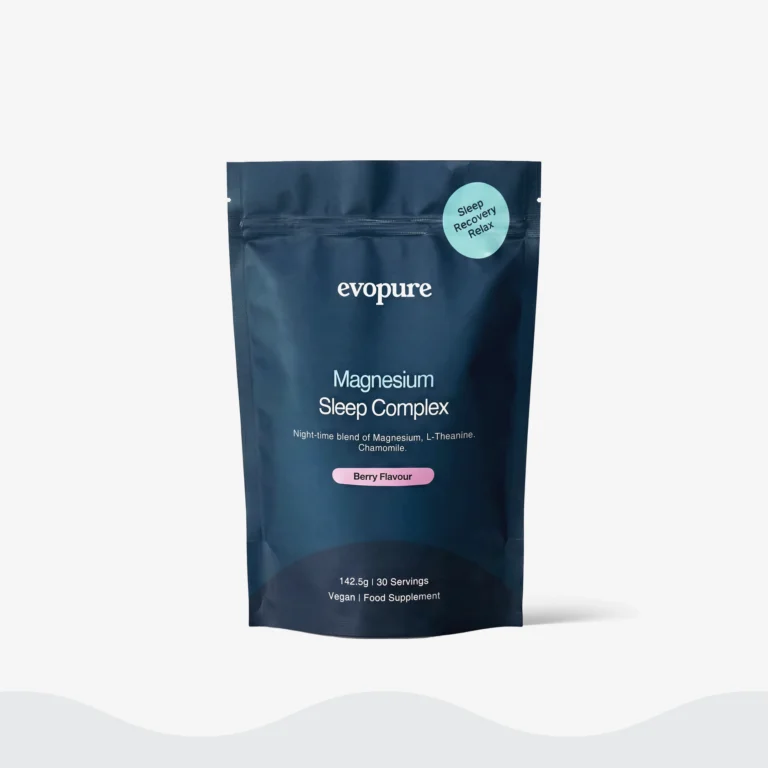
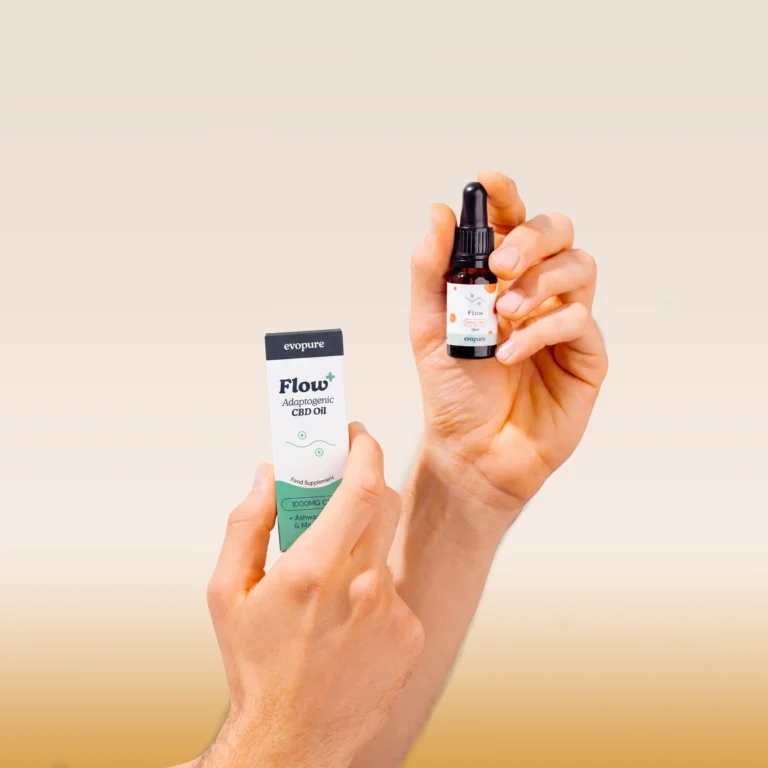
On supplements: magnesium contributes to normal psychological function and the normal functioning of the nervous system. Ashwagandha has been studied for stress, and meta-analyses found lower cortisol levels, though it isn’t suitable for everyone. See adaptogens and ashwagandha side effects. Our Flow CBD Oil contains ashwagandha and maca, and our Magnesium Glycinate Sleep Complex is made for evenings.
FAQs
What are the symptoms of high cortisol in women?
Everyday stress signs include poor sleep, irritability, cravings and weight around the middle. Medically high cortisol (Cushing’s) adds a red round face, easy bruising, purple stretch marks and muscle weakness.
How do I know if my cortisol is high?
Only proper testing arranged by a GP or specialist can tell. Random or home tests aren’t reliable because cortisol changes through the day.
Can high cortisol cause belly fat?
Very high cortisol, as in Cushing’s, causes fat around the tummy. Chronic stress can also affect appetite and weight.
How can women lower cortisol naturally?
Protect sleep, move regularly, build in daily downtime, eat regular meals and cut back on late caffeine and alcohol.
Is adrenal fatigue real?
No. Adrenal fatigue isn’t a recognised medical condition. Real adrenal problems, such as Cushing’s or Addison’s disease, need a doctor.
Sources
- NHS. Cushing’s syndrome.
- Cadegiani FA, Kater CE (2016). Adrenal fatigue does not exist: a systematic review. BMC Endocrine Disorders.
- Arumugam V et al (2024). Effects of ashwagandha on stress and anxiety: a systematic review and meta-analysis. Explore.
- NHS Every Mind Matters. Stress.
This guide is general information, not medical advice. Evopure makes the Magnesium Glycinate Sleep Complex and Flow CBD Oil.