



Last updated: October 2026
“Cortisol face” is a social media term for a puffy, rounder face blamed on stress. Everyday stress doesn’t usually change your face shape. Morning puffiness is more often down to salt, alcohol, poor sleep or allergies. A genuinely round “moon face” can be a sign of Cushing’s syndrome, usually from long-term steroid medicines, which needs a GP.
Below: what’s real and what’s hype, the common causes of a puffy face, how to reduce puffiness, healthy ways to manage stress, and when to see a GP.
Is cortisol face real?
Cortisol is a hormone that rises with stress and follows a daily rhythm, peaking in the morning. Very high levels over months, as in Cushing’s syndrome, do cause a rounder face, extra fat on the neck and upper body, and skin that bruises easily. The NHS says Cushing’s is usually caused by taking steroid medicines for a long time, and more rarely by a growth near the brain or kidneys.
Normal life stress doesn’t raise cortisol to those levels. So if your face looks puffy some mornings, it’s very unlikely to be “cortisol face” in the medical sense.
Common causes of a puffy face
| Cause | Why it happens |
|---|---|
| Salty food | The body holds extra water |
| Alcohol | Dehydration and widened blood vessels |
| Poor or short sleep | Fluid collects around the eyes when lying flat |
| Allergies and hay fever | Swelling around the eyes and nose |
| Hormonal changes | Fluid retention before a period. See water retention |
| Weight gain | Including from stress eating |
| Medicines | Steroids and some other medicines |
| Medical conditions | Such as an underactive thyroid, kidney problems or Cushing’s |
How to reduce facial puffiness
- Cut back on salt and ultra-processed food, especially in the evening.
- Drink less alcohol and plenty of water.
- Sleep 7 to 9 hours, with your head slightly raised if puffiness is mostly around the eyes.
- Cold water or a cool compress in the morning narrows blood vessels and eases swelling for a while.
- Gentle face massage towards the ears and neck may help fluid drain.
- Treat allergies with advice from a pharmacist.
Managing stress and cortisol
Even if stress isn’t changing your face, it’s worth managing for sleep, mood and health:
- Regular exercise, especially outdoors in daylight
- A consistent sleep and wake time
- Less caffeine after midday. See does caffeine cause anxiety?
- Breathing exercises, yoga or time in nature
- Talking to someone, and help from your GP if stress feels unmanageable
Full guide: how to lower cortisol naturally. Wondering about the viral drink? See does the cortisol cocktail work? For men, see stress in men.
Do supplements help?
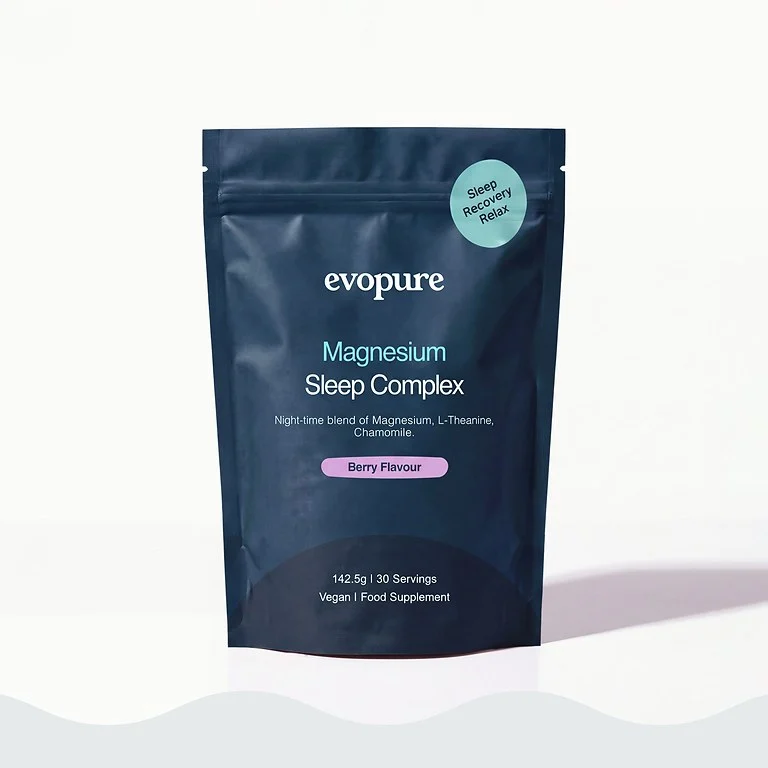
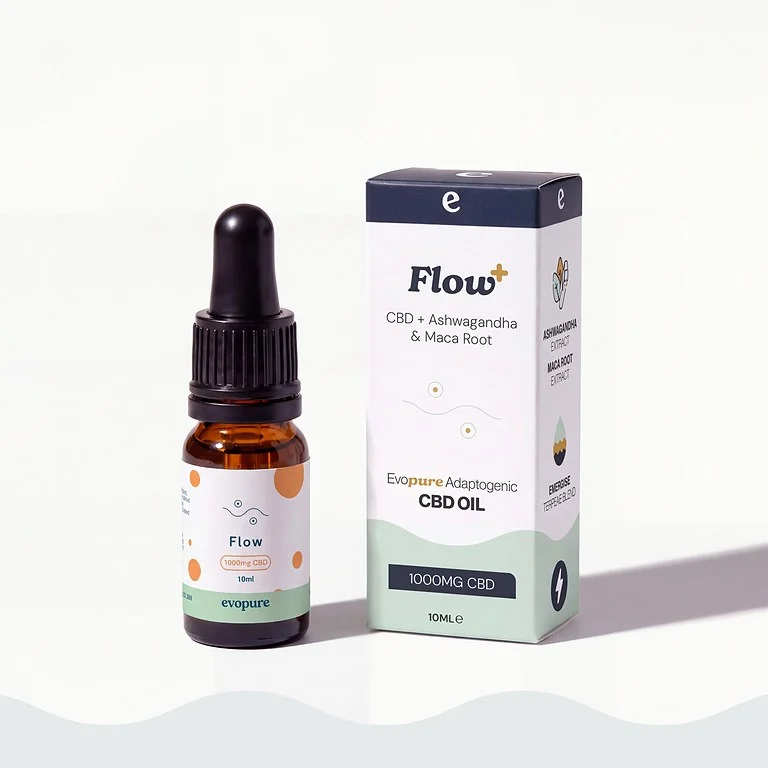
Some small trials of ashwagandha found lower cortisol levels in stressed adults over 8 weeks, but the research is limited and the UK’s safety review of ashwagandha is ongoing. See when to take ashwagandha and ashwagandha side effects. Magnesium contributes to normal psychological function and the reduction of tiredness and fatigue, and many people take it as part of an evening routine. No supplement is proven to “fix” cortisol face.
When to see a GP
See a GP if your face has become noticeably rounder over weeks or months, especially with weight gain around the tummy, neck or upper back, thin skin that bruises easily, new stretch marks, muscle weakness or high blood pressure, and particularly if you take steroid medicines. Don’t stop prescribed steroids suddenly. Also see a GP for facial swelling that’s sudden, one-sided or painful. If your face, lips or tongue swell suddenly with difficulty breathing, call 999.
Related guides
- For the evidence behind “cortisol acne”, see our guide to stress acne.
- Dark circles and puffy eyes: causes and what helps.
- The truth about cortisol belly.
FAQs
Is cortisol face a real thing?
A round “moon face” is real in Cushing’s syndrome, usually from long-term steroid medicines. Everyday stress rarely causes it; puffiness usually has other causes.
How do I get rid of a puffy face fast?
Cold water or a cool compress, less salt and alcohol the night before, plenty of water and a good night’s sleep.
Can stress make your face puffy?
Indirectly: stress can disrupt sleep and lead to more salty food or alcohol, which cause puffiness.
How do I lower cortisol naturally?
Regular exercise, consistent sleep, less caffeine later in the day, relaxation techniques and support when stress feels unmanageable.
When should I worry about a round face?
See a GP if your face has got noticeably rounder over time, especially with weight gain on the upper body, easy bruising or if you take steroids.
Sources
- NHS. Cushing’s syndrome.
- NHS. Tips to reduce stress.
- Salve J et al. Adaptogenic and anxiolytic effects of ashwagandha root extract in healthy adults. Cureus, 2019.