Last updated: 16 November 2026
A CBD lab report, or certificate of analysis (COA), is an independent test of one batch of a product. To read it, check the batch number matches your bottle, compare the CBD result with the label, confirm THC shows as “ND” (not detected), and look for passes on heavy metals, pesticides, solvents and microbes from an ISO 17025 accredited lab.
This guide walks you through every section of a CBD lab report, shows how to convert the numbers, and lists the red flags that mean you should shop elsewhere. If you’d rather skip to choosing one, our guide to the best CBD oil to buy in the UK explains what we’d check first.
Black Friday sale on now, until the end of Monday 30 November: 25% off any order, 30% off when you spend £50 and 40% off when you spend £100, with free standard UK delivery on every order. See the Black Friday offer.
Our pick
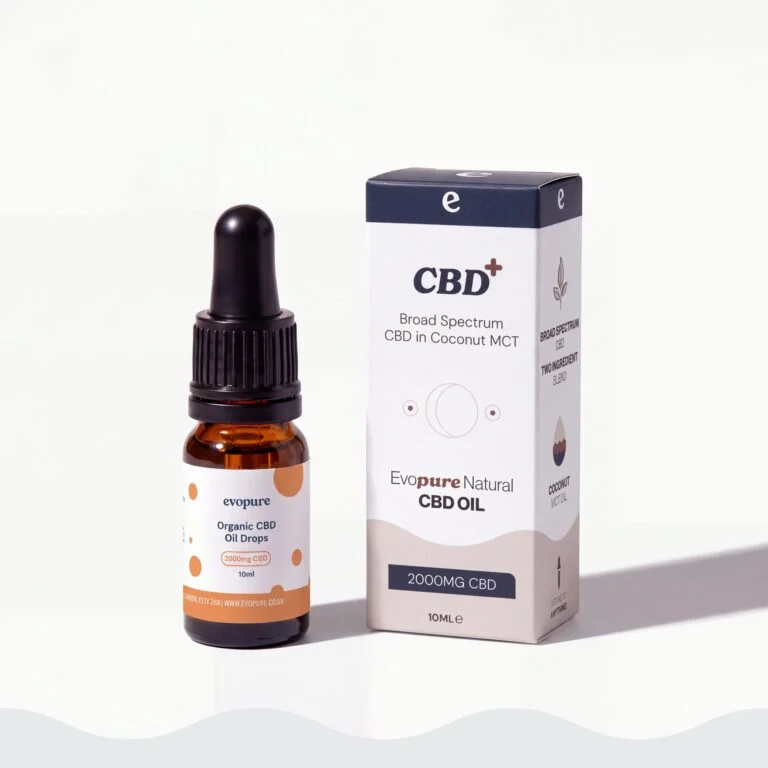
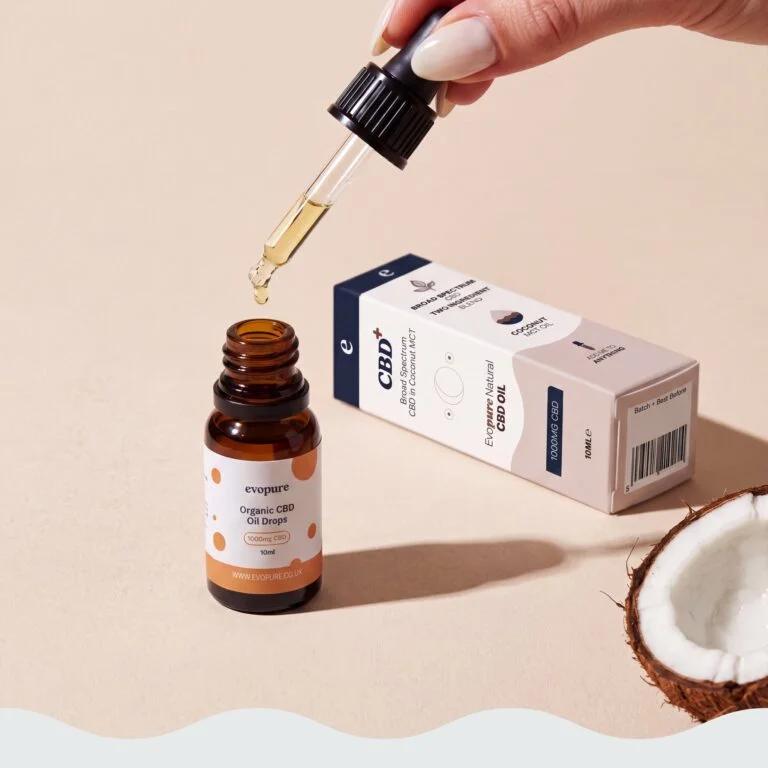
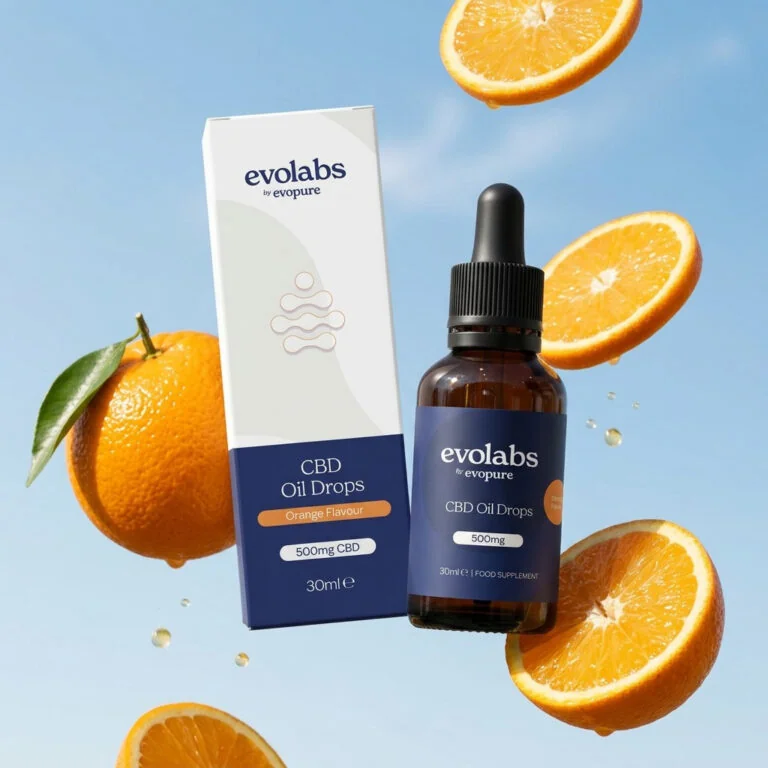
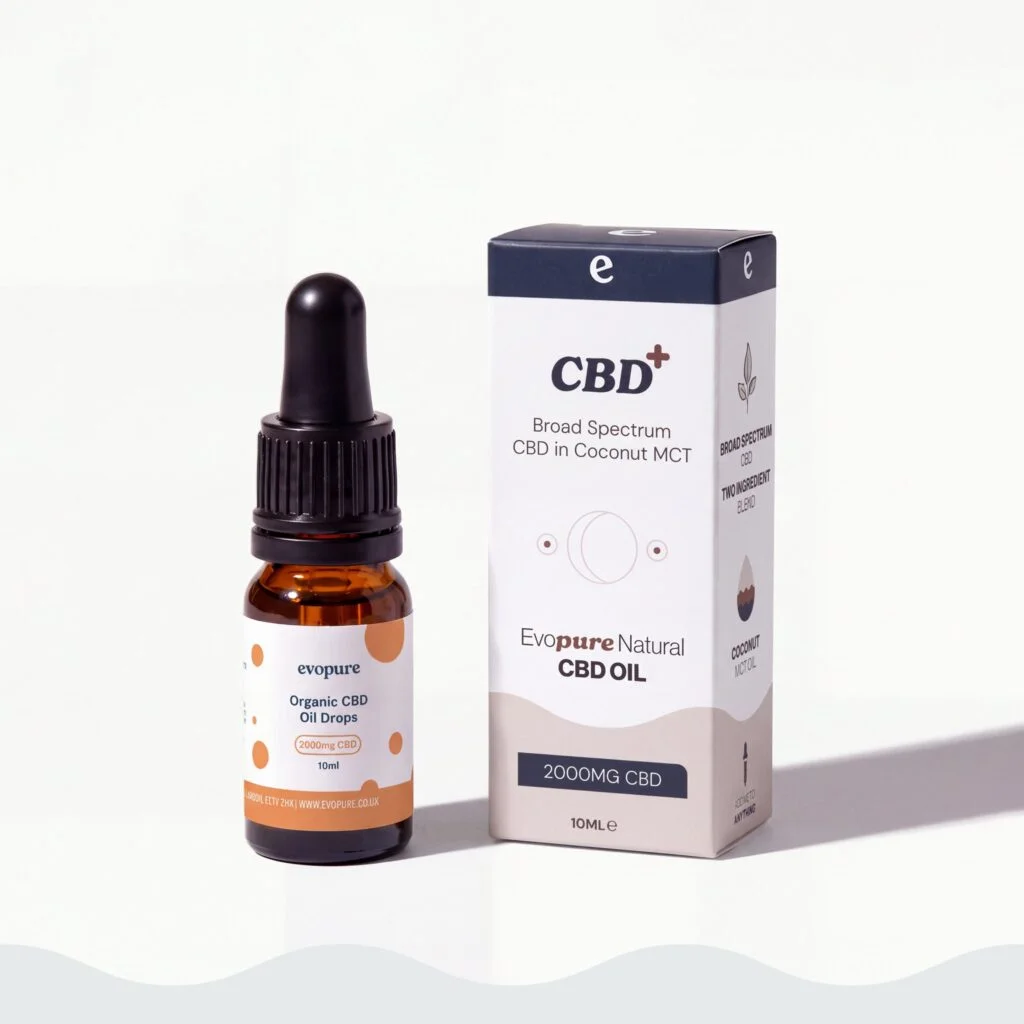
CBD Oil Broad Spectrum
Broad Spectrum CBD Oil is just broad spectrum CBD and coconut MCT oil, in 500mg, 1,000mg or 2,000mg. 10mg is about 0.2ml, 0.1ml or 0.05ml.
Add Broad Spectrum CBD Oil 500mg to bag or choose another strength
Broad spectrum with 0% THC, every batch third-party lab tested, on the FSA public list, made in the UK from US-grown hemp. For adults only. We don’t recommend our products during pregnancy or breastfeeding. Free UK delivery over £40.
Want to check ours? Ask for the batch lab reports on our lab testing page and we email them to you.
The FSA’s 10mg a day figure is precautionary advice rather than a legal limit, set while longer-term safety research continues. At Evopure we think it is a very cautious figure, and many adults use more. If you go above it, increase slowly, and check with your GP or pharmacist first if you take any medication.
Subscribe from £14.99One-off from £24.99
View productWhy CBD lab reports matter
CBD is sold as a food supplement, not a licensed medicine, so nobody checks every bottle before it reaches the shelf. Independent tests of CBD products sold in the UK have repeatedly found products that contain much more or less CBD than the label says, and some that contain THC even when sold as THC-free. To know what should be in the bottle in the first place, see what is in CBD oil?
A lab report is your proof of three things:
- Strength: you are getting the CBD you paid for.
- Legality: the product doesn’t contain controlled cannabinoids such as THC above the legal threshold.
- Safety: it has been screened for contaminants such as heavy metals and pesticides.
How to read a CBD lab report in 6 steps
- Check the batch number. It should match the batch or lot number printed on your bottle or box. A report for a different batch tells you nothing about yours.
- Check the date and the lab. The report should be recent, from a named independent lab, ideally ISO 17025 accredited, and not from the brand itself.
- Find the CBD result. Look for “CBD” in the cannabinoid table and compare it with the label (see the worked example below).
- Find the THC result. For broad spectrum and isolate, delta-9 THC should read “ND” (not detected) or below the limit of quantification.
- Check the other cannabinoids. A broad spectrum product should show some minor non-controlled cannabinoids such as CBG or CBC, with THC and CBN (both controlled in the UK) not detected. An isolate should show CBD only.
- Check the contaminant panels. Heavy metals, pesticides, residual solvents and microbes should all say “pass” or be below their limits.
The cannabinoid profile explained
This is the main table on most reports. It lists each cannabinoid tested and how much was found.
| You’ll see | What it means |
|---|---|
| CBD | Cannabidiol, the main ingredient you’re paying for |
| CBDA | The raw, acid form of CBD found in unheated extracts |
| CBG, CBN, CBC, CBDV | Minor cannabinoids, present in broad and full spectrum products |
| Δ9-THC (delta-9 THC) | The intoxicating cannabinoid, a controlled drug in the UK |
| THCA, THCV | Related cannabinoids that are also controlled |
| ND | Not detected: below the level the lab’s method can see |
| LOD / LOQ | Limit of detection / limit of quantification: the smallest amount the lab can detect or measure |
| % , mg/g, mg/ml | Units. 1% is the same as 10mg per gram |
Want to know what each cannabinoid does? See our cannabinoids guide and full spectrum vs broad spectrum vs isolate.
Checking the strength: a worked example
Labs often report CBD as a percentage or in mg per gram, while bottles show mg per bottle. Here’s how to compare them for a 10ml bottle labelled 1,000mg CBD:
| Step | Example |
|---|---|
| Label strength | 1,000mg in 10ml = 100mg per ml, or “10%” |
| Lab result | CBD 98mg/ml (or 9.8%) |
| Compare | 98 ÷ 100 = 98% of the label |
| Verdict | Within 10% of the label, which is a reasonable tolerance |
If the result is reported per gram rather than per ml, the numbers will be a little different, because oil weighs slightly less than water. A result far below the label (say 70%) or far above it is a warning sign. Our CBD dosage guide shows how much oil gives 10mg in each strength.
Checking THC and UK legality
The often-quoted “0.2% THC” limit does not apply to UK CBD products; it relates to growing hemp. For finished products, the Home Office rule is that a product containing a controlled cannabinoid such as THC is only exempt if, among other conditions, it contains no more than 1mg of each controlled cannabinoid in the whole container.
That is a very small amount. In a 10ml bottle of oil, 1mg of THC works out at roughly 0.01%. So a report showing THC at 0.05% on a 10ml bottle would mean around 5mg of THC, well over the threshold, even though it sounds tiny.
For broad spectrum and isolate products, the simplest check is THC reading “ND”. Also glance at the limit of detection: a lab that can only detect THC above, say, 0.1% could report “ND” for a product that still contains too much. See is CBD legal in the UK? and does CBD show up on a drug test?
Contaminant tests
| Panel | What it checks | Why it matters |
|---|---|---|
| Heavy metals | Lead, cadmium, mercury, arsenic | Hemp draws metals from the soil it grows in |
| Pesticides | Residues of farm chemicals | They can concentrate during extraction |
| Residual solvents | Ethanol, butane and others used in extraction | Shows the extract was properly cleaned |
| Microbiology | Bacteria, yeasts and moulds | Shows the product was made and stored hygienically |
| Mycotoxins | Toxins from mould | Sometimes included on full reports |
Each result should show “pass”, “ND” or a figure below the stated limit. Not every brand publishes every panel for every batch, so ask if one is missing. See also how CBD oil is made.
Who should do the testing?
Look for an independent, third-party lab, not one owned by the brand. The gold standard is ISO/IEC 17025 accreditation, the international standard for testing labs, which in the UK is assessed by UKAS. Accredited labs have to show their methods are accurate and reliable. The lab’s name, address and accreditation number should be on the report, and you should be able to contact them.
Red flags to watch for
- No lab report at all, or the brand refuses to share one
- The batch number doesn’t match your product
- A report that is years old, or a single report used for every product
- No lab name, address or accreditation, or the “lab” is the brand itself
- CBD far above or below the label
- THC detected in a product sold as THC-free or broad spectrum
- Cannabinoids only, with no contaminant testing
- Signs of editing, such as mismatched fonts, blurred figures or missing pages
Evopure’s CBD lab reports
Every batch of Evopure’s CBD products, including our oils, capsules, balm and the Evolabs range, is tested by independent, ISO 17025 certified labs. Each certificate shows the batch number, the CBD content, confirmation that the product is THC free, and screening for heavy metals, pesticides and microbes.
How to get one: use the request form on our lab testing page. Tick the CBD product and strength you have (or leave the strength blank for all of them), add your name and email, and the Evopure team emails the reports back to you. If you can’t find the one you need, email support@evopure.co.uk with the product and batch number and we will send the latest certificate. You can check a report before or after you buy. (Checked November 2026.)
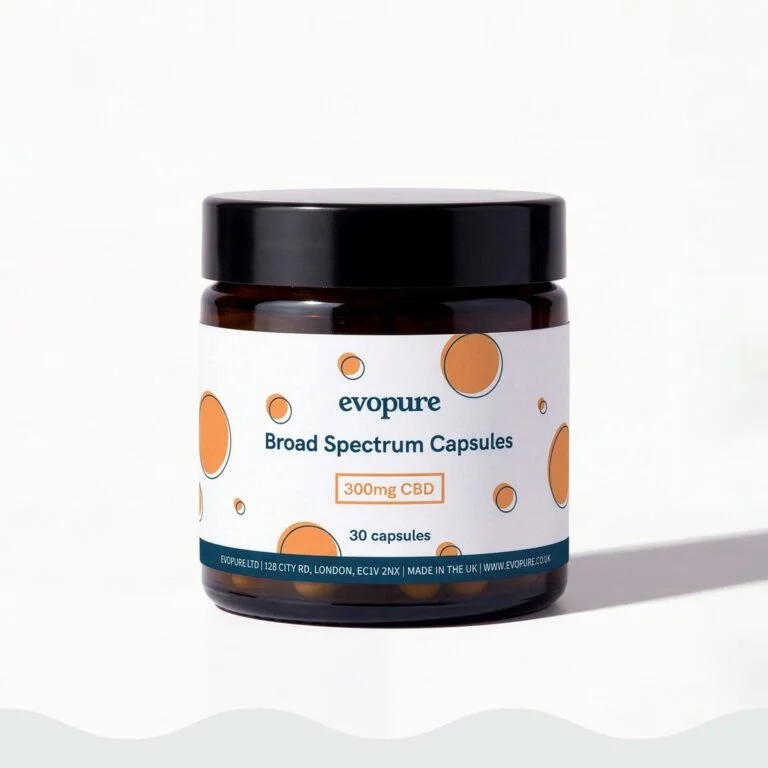
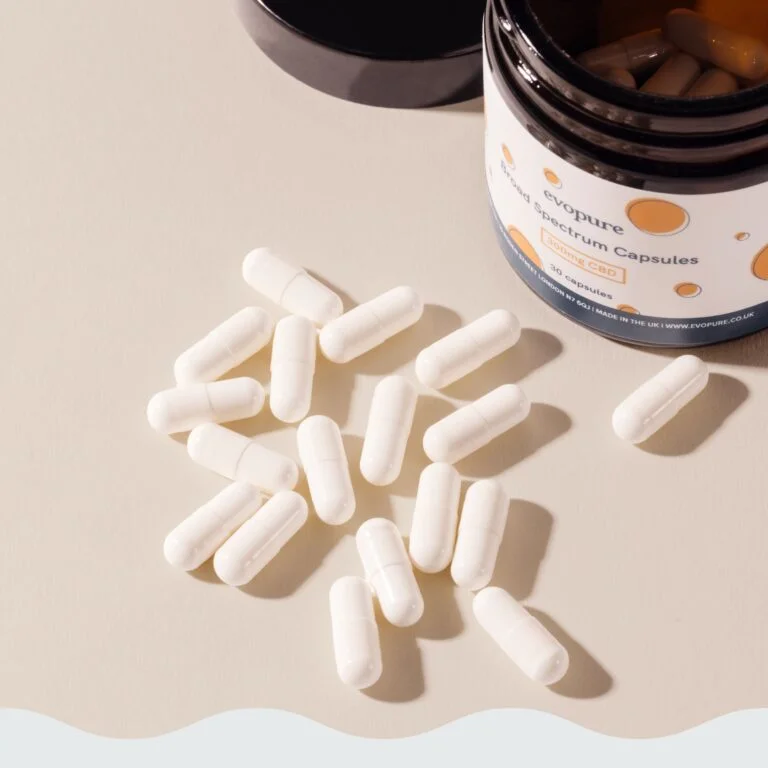
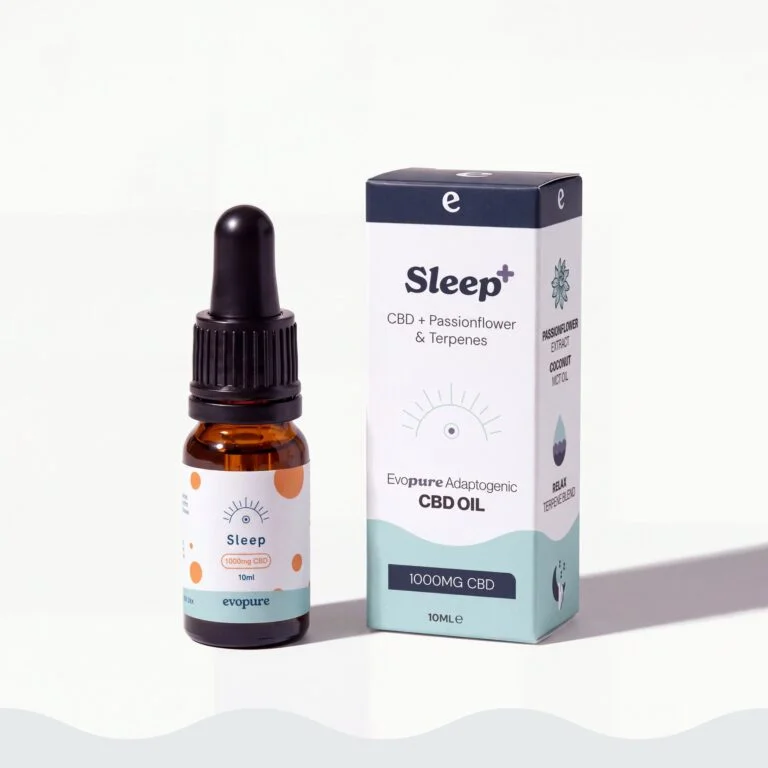
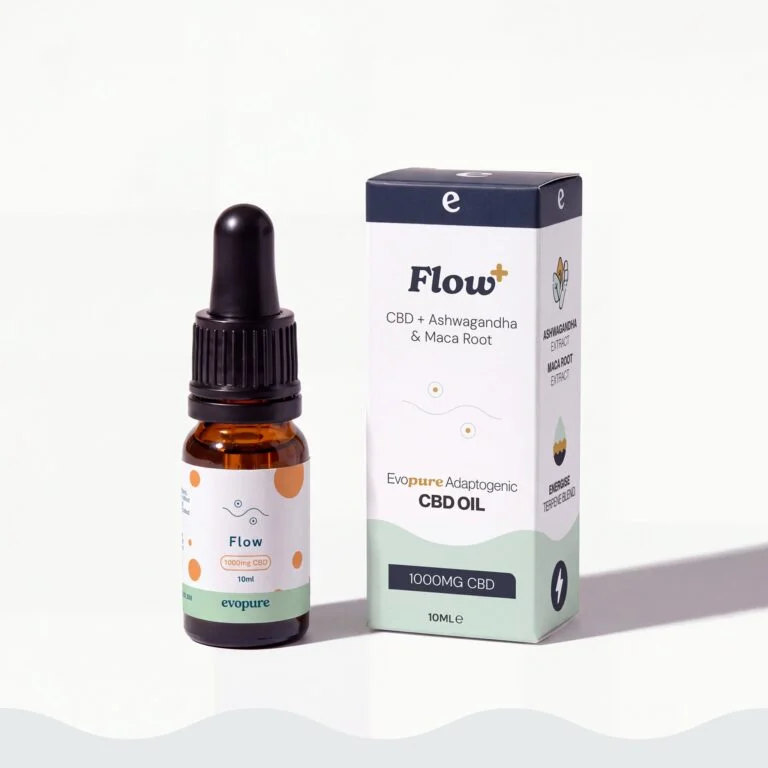
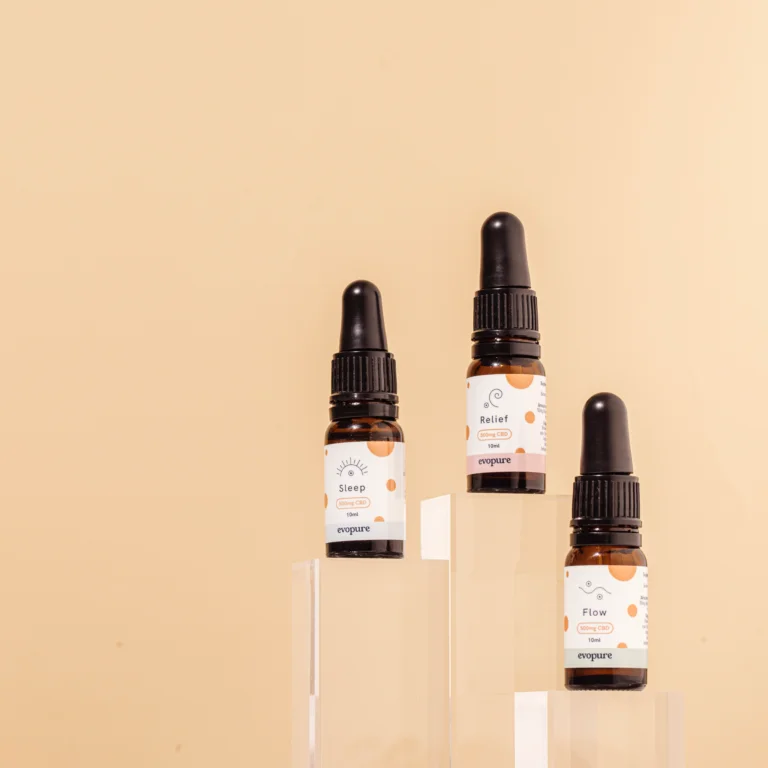
Our Broad Spectrum, Flow, Sleep and Relief oils and Broad Spectrum CBD Capsules are broad spectrum with 0% THC, made in the UK from US-grown hemp and on the FSA public list.
Related guides
- Why heavy metal testing matters for shilajit.
- Checking a full spectrum product? Our guide to full spectrum CBD shows how to work out the THC per bottle.
- What is CBC? for one of the minor cannabinoids you may see listed on a lab report.
- Some reports include a terpene panel. Our guide explains what terpenes are and how they appear on a lab report.
- Once you know the CBD content is real, work out the cost per 10mg of any CBD oil to compare value fairly.
- Our checklist for drug-tested athletes who use CBD.
- What CBD distillate is and why its lab report matters.
- Lab reports and organic certification are different checks; see how to choose a good supplement.
- For why the CBN line on a report matters, see CBD vs CBN: UK law and lab results.
- A product with less CBD than its label says is one of the commonest reasons CBD seems not to work.
- If a word on a lab report is new to you, our CBD glossary explains terms like COA, ND and CBDA.
- To see how we approach testing and ingredients, read about Evopure and our CBD oils.
- Not sure why the THC line matters so much? Read what makes THC different from CBD.
- The same checks work in any shop; see how to check CBD at Holland and Barrett.
- A lab report showing THC “not detected” is also the first thing to check if you want halal-friendly CBD.
- This matters most for gummies, where tests often find CBD per gummy differs from the label: see CBD oil vs gummies.
- Shopping in the sales? Our guide to whether Black Friday CBD deals are worth it shows how to check the lab report and price per mg before you buy.
- Love Hemp CBD lab reports and THC.
- To see how one brand publishes reports by batch, read our Blessed CBD fact guide.
- Buying a broad spectrum oil? Our guide to choosing broad spectrum CBD oil lists the lab report lines to check, including Δ9-THC, Δ8-THC and CBN.
- Buying a high strength oil? See strong CBD oil in the UK: how to check the label matches.
- Once you know what a good report looks like, see how 11 UK brands compare in our best CBD oil UK buyer’s guide.
- Checking a high strength oil? Here is what a 2000mg CBD oil lab report should show.
- A true isolate should show almost nothing but CBD on its report; see what CBD isolate is and what “99% pure” means.
- Once you know the CBD result per ml, our CBD oil strength chart turns it into how much oil is 10mg.
- A lab report matters more than a flag on the label: see how to check a CBD oil is UK made.
- For how Evopure handles lab reports, ratings and the FSA list, see Evopure reviews.
- Where you buy affects how easily you can get the report: see where to buy CBD oil in the UK.
Sources 3
- Home Office. Drug licensing factsheet: cannabis, CBD and other cannabinoids.
- Food Standards Agency. Cannabidiol (CBD) guidance for businesses.
- UKAS. Find an accredited organisation (to check a lab’s accreditation).
This guide is general information, not legal advice.