Last updated: October 2026
CBD is extracted from hemp flowers and leaves using a solvent, usually supercritical CO₂ or food-grade ethanol, in specialist labs. The raw extract is then refined: waxes are removed, THC is taken out for broad spectrum or isolate, and the CBD is mixed into a carrier oil. Extracting CBD at home is illegal in the UK.
This guide explains each extraction method, what happens after extraction, how CBD oil is made from start to finish, and what it means for quality.
CBD extraction methods compared
| Method | How it works | Pros | Cons |
|---|---|---|---|
| Supercritical CO₂ | Pressurised carbon dioxide acts as a solvent | Clean, no solvent residue, precise | Expensive equipment |
| Ethanol | Plant soaked in food-grade alcohol, which is then evaporated off | Efficient, scalable, widely used | Pulls out chlorophyll; needs good refining and testing for residue |
| Hydrocarbon (butane, propane) | Liquid gas solvents | Retains terpenes | Flammable; residue risk if poorly done |
| Oil infusion | Heated plant steeped in a carrier oil | Simple, no harsh solvents | Weak, inconsistent, short shelf life |
| Steam distillation | Steam carries compounds out of the plant | Used for essential oils | Inefficient for cannabinoids; heat can damage them |
Supercritical CO₂ extraction
Under high pressure and controlled temperature, carbon dioxide becomes “supercritical”, behaving partly like a liquid and partly like a gas. Pumped through ground hemp, it dissolves cannabinoids and terpenes. When the pressure drops, the CO₂ turns back into a gas and leaves the extract behind with no solvent residue. Adjusting pressure and temperature lets producers target different compounds. It’s the same method used to decaffeinate coffee.
Ethanol extraction
Hemp is soaked in food-grade ethanol, which dissolves cannabinoids. The plant material is filtered out and the ethanol evaporated and recovered. Cold ethanol extraction pulls out fewer waxes and less chlorophyll. Ethanol is efficient and widely used for large batches; a good lab report confirms no harmful residual solvent remains.
Hydrocarbon, oil infusion and steam methods
- Hydrocarbons such as butane are common in the cannabis industry abroad. They work well in closed, professional systems, but they’re highly flammable, and amateur butane extraction has caused serious explosions and burns.
- Oil infusion is the traditional home method: plant material heated in olive or coconut oil. It’s weak and inconsistent, and in the UK it would still mean using controlled parts of the plant.
- Steam distillation is used for essential oils, including hemp essential oil, but isn’t efficient for cannabinoids.
What happens after extraction?
- Winterisation: the crude extract is mixed with ethanol and chilled, so fats and waxes solidify and can be filtered out.
- Decarboxylation: gentle heat converts CBDA, the raw acid form in the plant, into CBD.
- Distillation: the oil is refined into a concentrated distillate. See what is CBD distillate?
- THC removal: for broad spectrum, THC is separated out, often by chromatography, until it’s no longer detectable.
- Isolation (optional): CBD is crystallised into a 99%+ pure powder. See what is CBD isolate?
The result is full spectrum, broad spectrum or isolate. See full spectrum vs broad spectrum vs isolate.
How CBD oil is made, step by step
- Growing: hemp is grown from approved low-THC varieties. Because UK hemp licences only cover seeds and fibre, most CBD extract used in UK products is produced from hemp grown abroad. See hemp vs marijuana.
- Extraction and refining, as above, usually by a specialist extraction lab.
- Testing the extract for cannabinoids and contaminants.
- Formulating: the extract is blended into a carrier oil, usually MCT (coconut) oil, sometimes with flavours, terpenes or botanicals, to a set strength.
- Batch testing: the finished oil is tested by an independent lab for CBD content, THC and contaminants.
- Labelling and compliance: CBD food products must be linked to an application on the FSA public list.
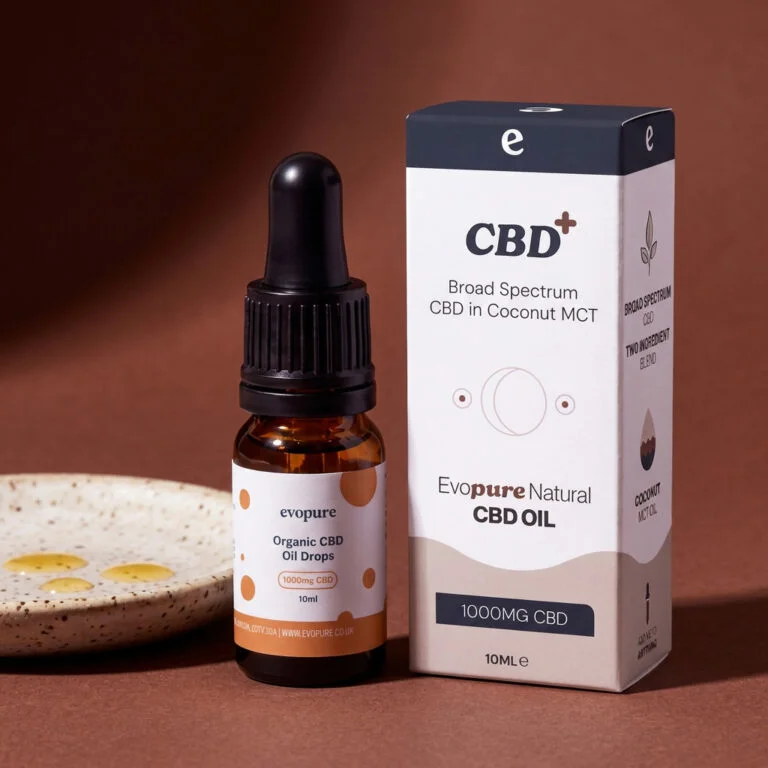
Our oils are made in the UK with broad spectrum CBD, and every batch is tested by an independent ISO 17025 accredited lab. See our lab testing page.
Can you extract CBD at home in the UK?
No, not legally. CBD is extracted from the flowers and leaves of cannabis plants, including hemp, and in the UK those parts are controlled. Growing cannabis, or extracting oil from its flowers or leaves, without a Home Office licence is illegal, whatever the THC content of the variety. Making cannabis oil at home can also mean producing a Class B drug. On top of the legal risk, solvent extraction at home, especially with butane, has caused fires and explosions.
If you want CBD oil, buy a lab-tested product from a brand on the FSA public list. See is CBD legal in the UK? and how to choose a CBD oil.
Why the method matters less than testing
Brands often promote their extraction method, but a good result depends on the whole process: the quality of the hemp, careful refining, and testing. The only way to know what’s in a bottle is the batch lab report: it shows the CBD content, confirms THC is not detected, and screens for residual solvents, pesticides and heavy metals. See how to read CBD lab reports.
FAQs
How is CBD extracted?
Usually with supercritical CO₂ or food-grade ethanol, which dissolve cannabinoids from hemp flowers and leaves. The extract is then refined, THC removed if needed, and mixed into a carrier oil.
What is the best CBD extraction method?
Supercritical CO₂ and ethanol both produce clean extracts when done well. The batch lab report matters more than the method.
Can I extract CBD from cannabis at home in the UK?
No. Cannabis flowers and leaves are controlled in the UK, and extracting oil from them without a Home Office licence is illegal. Home solvent extraction is also a fire risk.
How is CBD oil made?
Hemp is extracted and refined, the extract is tested, then blended into a carrier oil such as MCT to a set strength, and each batch is lab tested before sale.
Is CO2-extracted CBD better?
CO2 leaves no solvent residue and is very controllable, but well-run ethanol extraction can be just as clean. Check the lab report for residual solvents.
Where does UK CBD come from?
Most CBD extract in UK products is made from hemp grown abroad, because UK hemp licences only allow the seeds and fibre to be used.
Sources
- Home Office. Low THC cannabis (industrial hemp) licensing factsheet.
- Home Office. Drug licensing factsheet: cannabis, CBD and other cannabinoids.
- Food Standards Agency. Cannabidiol (CBD) guidance for businesses.
This guide is general information, not legal advice.