
Last updated: October 2026
Medical cannabis has been legal in the UK since November 2018, but only a specialist doctor can prescribe it. On the NHS it’s mainly limited to three licensed medicines: Epidyolex for rare forms of epilepsy, Sativex for MS muscle stiffness and nabilone for chemotherapy sickness. Most other patients get it privately. It differs from shop-bought CBD.
This guide explains who can get it, the NHS and private routes, what a consultation involves, risks, driving and travel rules, and how it differs from over-the-counter CBD.
Is medical cannabis legal in the UK?
Yes, on prescription. Since 1 November 2018, doctors on the specialist register can prescribe cannabis-based products for medicinal use. GPs can’t start a prescription, though they can sometimes continue one under a specialist’s supervision. Cannabis without a prescription, including cannabis oil containing THC, remains illegal, whatever the reason for using it.
What’s available on the NHS?
| Medicine | What it contains | Used for |
|---|---|---|
| Epidyolex | Purified CBD, prescription strength | Seizures in Lennox-Gastaut syndrome, Dravet syndrome and tuberous sclerosis complex |
| Sativex (nabiximols) | THC and CBD mouth spray | Muscle stiffness and spasms in MS, when other treatments haven’t worked |
| Nabilone | A synthetic cannabinoid similar to THC | Sickness from chemotherapy, when other treatments haven’t worked |
NICE doesn’t currently recommend cannabis-based medicines on the NHS for chronic pain, because the evidence of benefit is too weak compared with the cost. That’s why NHS prescriptions for other conditions are rare. See CBD and MS.
Private prescriptions
Most people in the UK who are prescribed medical cannabis get it privately, through clinics with specialist doctors. Clinics usually consider people with conditions such as chronic pain, anxiety disorders, insomnia or PTSD, who have already tried at least two standard treatments without success. You pay for consultations and for the medicine itself, which can be dried flower for vaporising, oils or capsules, sent from a specialist pharmacy.
How to get a prescription, step by step
- Talk to your GP or specialist about whether the NHS route applies to you.
- For private care, choose a clinic registered with the Care Quality Commission (CQC), or the equivalent in Scotland, Wales or Northern Ireland.
- Share your medical records showing your diagnosis and the treatments you’ve tried.
- Have a consultation with a specialist, who checks your history and any risks, such as a history of psychosis.
- A multidisciplinary team reviews the decision.
- If approved, a specialist pharmacy dispenses the medicine, and you have regular follow-ups.
Risks and side effects
- Common: dizziness, tiredness, dry mouth, nausea, changes in appetite and mood.
- THC-containing products: feeling high, and a risk of psychosis and dependence, especially at high strengths and in people with a personal or family history of psychosis.
- Interactions: cannabinoids can interact with many medicines.
- Not suitable in pregnancy or breastfeeding, and used with great caution in young people.
Driving and travel
- Driving: it’s illegal to drive with more than a set level of THC in your blood. If THC is prescribed to you, you have a medical defence, but only if you take it as directed and it doesn’t impair your driving. Never drive if you feel affected, and carry your prescription details.
- Travel: a UK prescription doesn’t make cannabis legal abroad. Many countries ban it outright. Check the destination’s rules and the Home Office guidance on travelling with controlled medicines. See is CBD legal in my country?
Medical cannabis vs shop-bought CBD
| Medical cannabis | CBD supplements | |
|---|---|---|
| Prescription needed | Yes, from a specialist | No |
| THC | Often contains THC | Must contain no controlled cannabinoids |
| Purpose | Treating a diagnosed condition | Food supplement; no medical claims allowed |
| Regulated by | MHRA and Home Office | FSA (novel food) |
| Typical CBD amounts | Can be hundreds of mg a day | FSA advises up to 10mg a day for healthy adults |
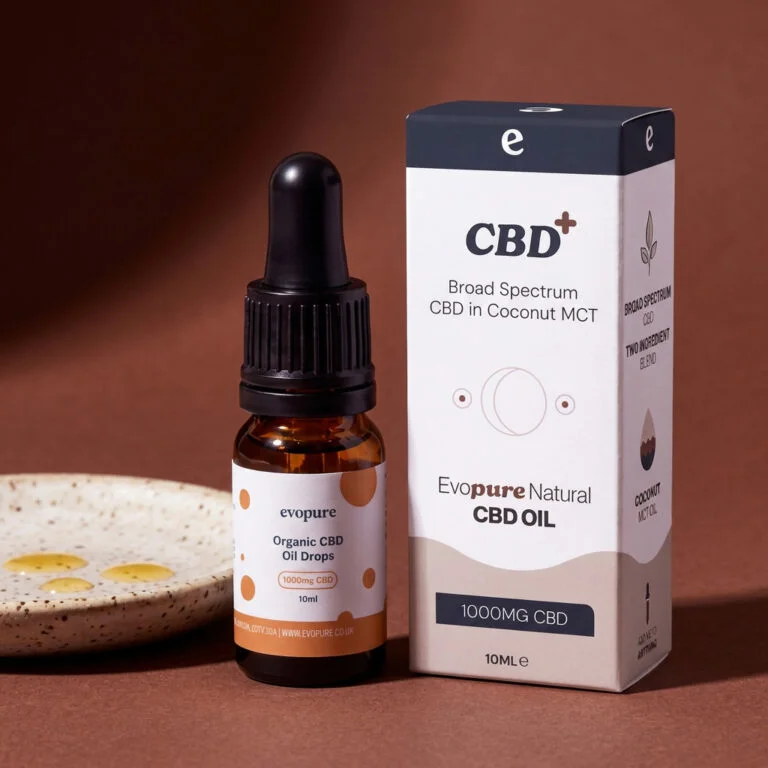
The FSA’s 10mg a day figure is precautionary advice rather than a legal limit, set while longer-term safety research continues. At Evopure we think it is a very cautious figure, and many adults use more. If you go above it, increase slowly, and check with your GP or pharmacist first if you take any medication. For more, see prescription CBD vs over-the-counter CBD, is CBD legal in the UK? and CBD vs THC.
FAQs
Is medical cannabis legal in the UK?
Yes, since November 2018, but only on prescription from a specialist doctor. Cannabis without a prescription is still illegal.
Can my GP prescribe medical cannabis?
No. Only a specialist doctor can start a prescription. A GP can sometimes continue one under a specialist’s supervision.
Can I get medical cannabis on the NHS?
Only for a few conditions: certain rare epilepsies, MS muscle stiffness and chemotherapy sickness, when other treatments haven’t worked. Other prescriptions are usually private.
What conditions can medical cannabis be prescribed for privately?
Specialists may consider conditions such as chronic pain, anxiety disorders, insomnia and PTSD, usually after at least two standard treatments haven’t worked.
Can I drive on medical cannabis?
Only if it’s prescribed, taken as directed and doesn’t impair your driving. Never drive if you feel affected.
Is CBD oil the same as medical cannabis?
No. Shop-bought CBD must contain no controlled cannabinoids like THC and can’t make medical claims. Medical cannabis is prescribed and often contains THC.
Sources
- NHS. Medical cannabis (and cannabis oils).
- NICE. Cannabis-based medicinal products (NG144).
- GOV.UK. Drugs and driving: the law.
- Home Office. Drug licensing factsheet: cannabis, CBD and other cannabinoids.
- GOV.UK. FSA consumer advice on CBD.
This guide is general information, not medical or legal advice.