Last updated: October 2026
CBD oil is expensive because making and selling it legally in the UK costs a lot: hemp extract is imported, refined to remove THC and lab tested batch by batch, products need an FSA novel food application backed by safety studies, 20% VAT applies, and the market is small. Compare cost per 10mg, not bottle price.
Below: the real reasons behind the price, a cost per 10mg calculator you can use on any bottle, a checklist for spotting overpriced and suspiciously cheap CBD, and honest ways to pay less without buying worse.
Looking for fair value?
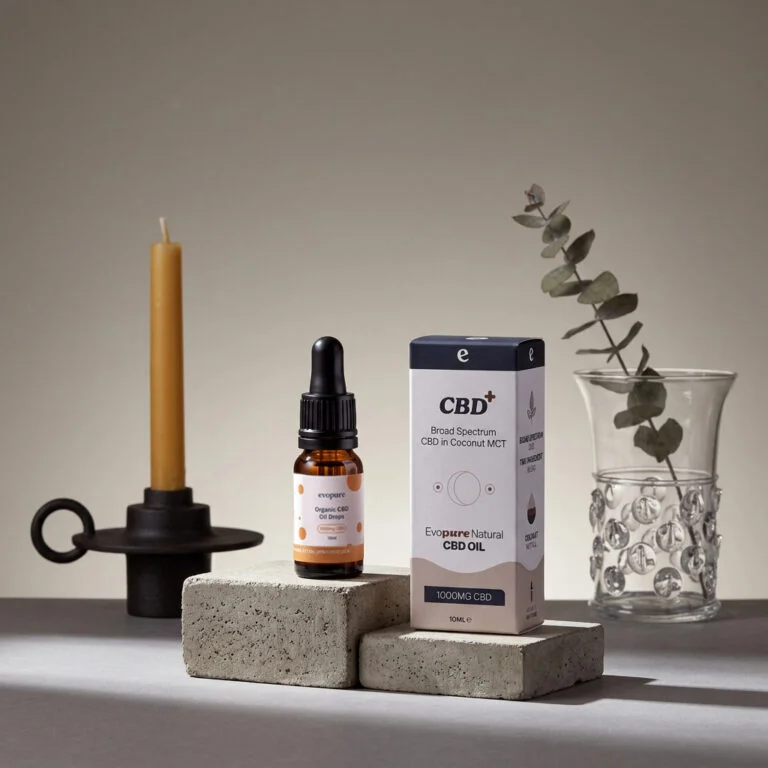
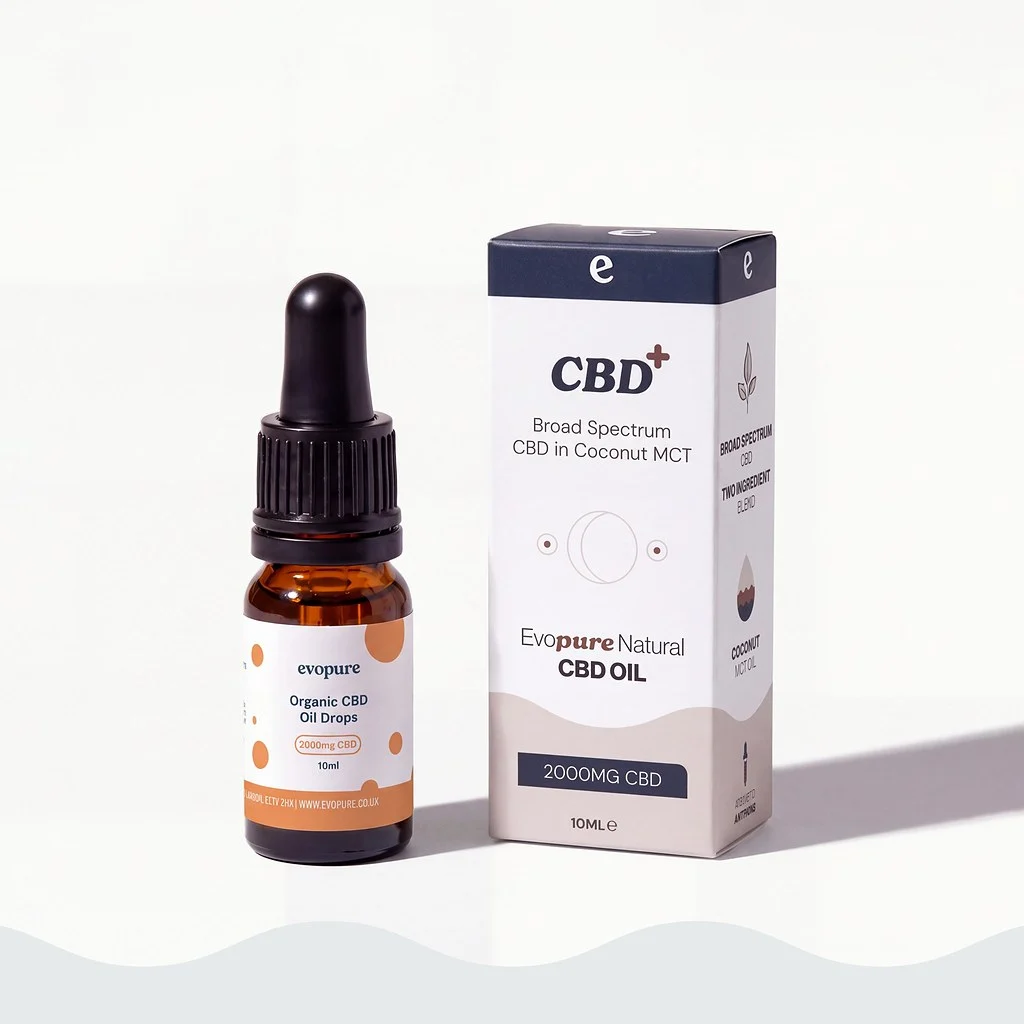
CBD Oil Broad Spectrum
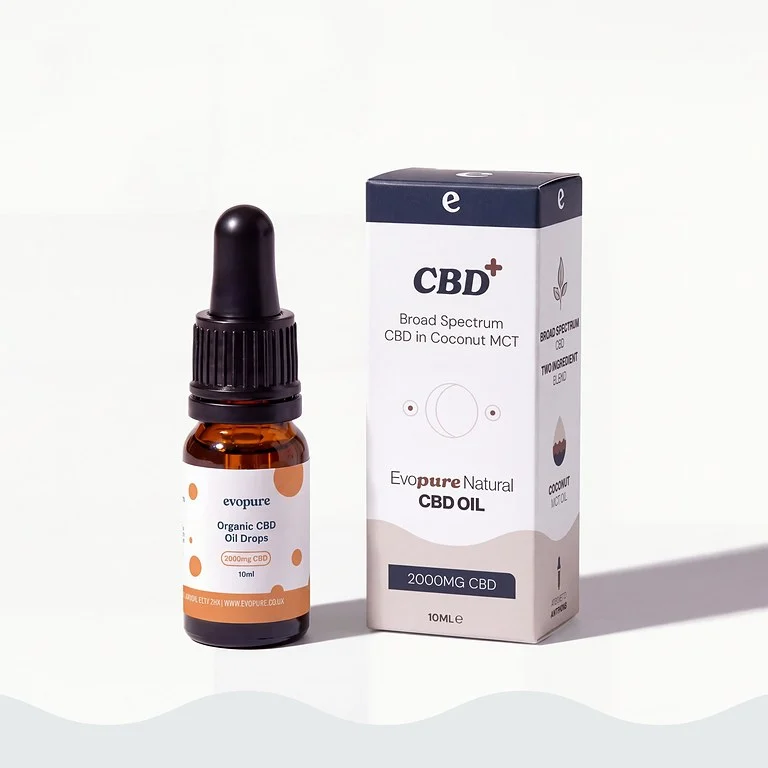
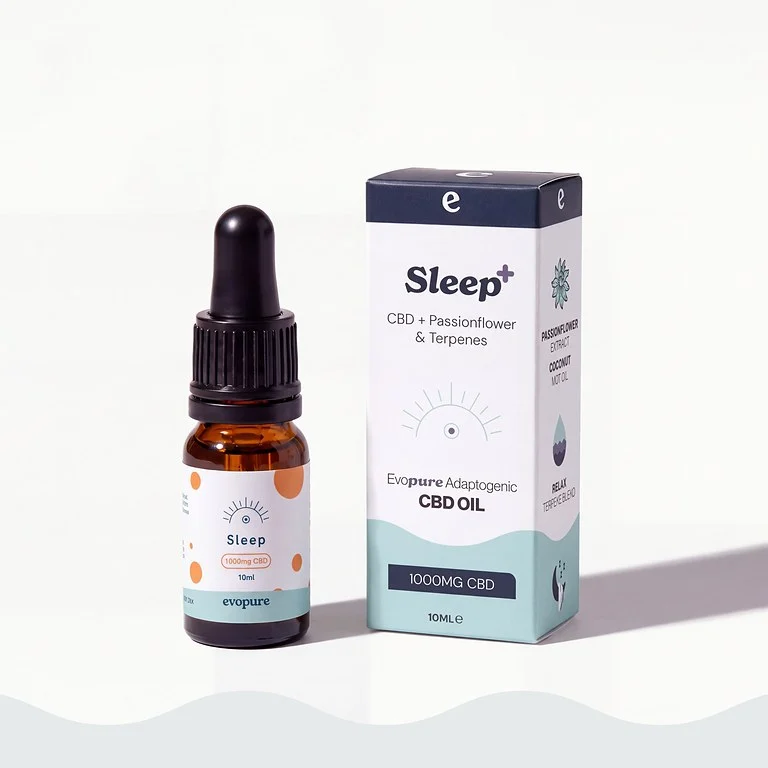
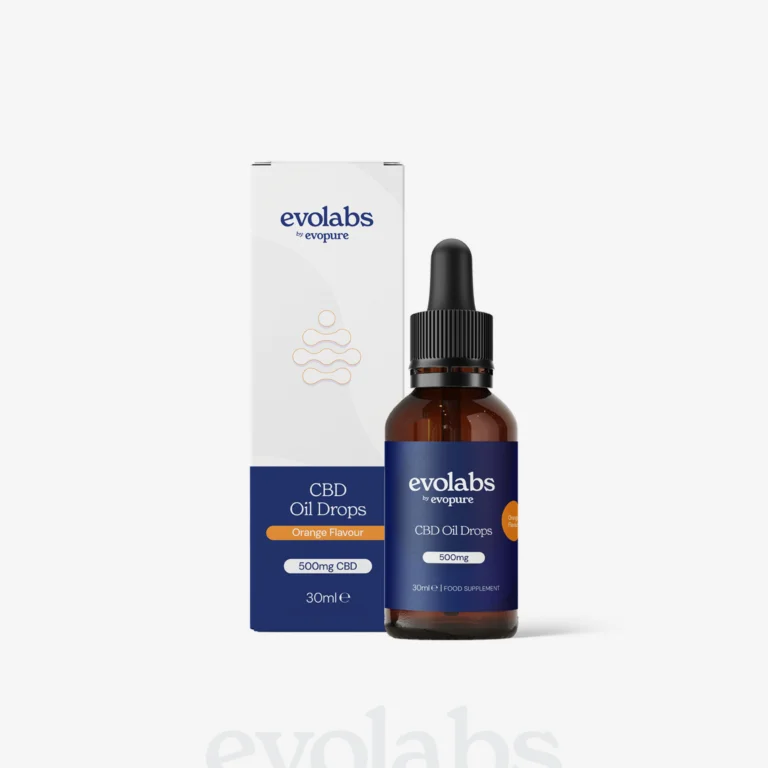
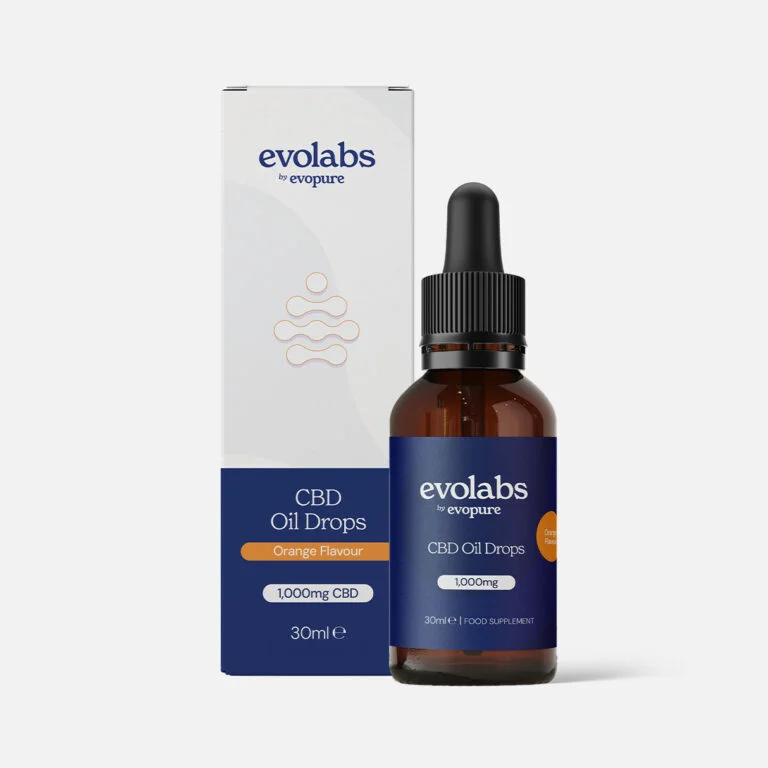
Our Broad Spectrum CBD Oil comes in 500mg, 1,000mg and 2,000mg in 10ml, and the 2,000mg bottle holds about 200 servings of 10mg. Our Evolabs 2,000mg oils are our lowest price per mg. Everything is broad spectrum with 0% THC, made in the UK, on the FSA public list and third-party lab tested.
Add Broad Spectrum CBD Oil 500mg to bag or choose another strength
Broad spectrum with 0% THC, every batch third-party lab tested, made in the UK. Free UK delivery over £45, 14-day returns on unopened items.
Subscribe from £18.74One-off from £24.99
View product8 reasons CBD oil costs what it does
| Cost | Why it adds up |
|---|---|
| 1. Hemp grown abroad | UK hemp licences only allow the seeds and fibre to be used; the flowers and leaves, where CBD is, are controlled. So the extract used in UK products is made from hemp grown overseas and imported. |
| 2. Extraction and refining | Specialist equipment and several refining steps turn raw hemp into a clean extract. See how CBD is extracted. |
| 3. Removing THC | In the UK, a product containing THC is a controlled drug unless it meets strict “exempt product” rules, including no more than 1mg of THC in the whole container. Taking THC out for broad spectrum oil adds another processing step. |
| 4. Lab testing every batch | Independent labs test for CBD content, THC and contaminants. Good brands pay for this on every batch, not once. |
| 5. FSA novel food compliance | CBD has been classed as a novel food since January 2019, so it needs authorisation to be sold. Applications must include safety and toxicology data, the FSA won’t accept published literature alone for the toxicology, and one applicant can’t use another’s data without permission. That means expensive studies, paid for by a small industry. |
| 6. 20% VAT | Food supplements are standard-rated for VAT, so a sixth of the price you pay at the till goes to HMRC. |
| 7. Advertising and payment barriers | Major ad platforms restrict CBD adverts, and many banks and payment providers charge CBD businesses more or won’t work with them. |
| 8. A small, closed market | CBD is still a niche product, so it doesn’t get the economies of scale of everyday supplements. In England and Wales, only products that were on sale by 13 February 2020 and linked to an application by 31 March 2021 can stay on the FSA’s list, so new brands can’t simply launch cheaper products. |
The rules are moving. In September 2026 the FSA board considered its first recommendations to ministers to authorise three high-purity CBD ingredients for adults at up to 10mg a day. Our guide to the FSA’s first CBD approvals explains what that means for buyers, and is CBD legal in the UK? covers the wider law.
Cost per 10mg calculator: how to compare any CBD oil
The price on the bottle tells you very little. A 10ml bottle can hold 500mg of CBD or 2,000mg, so two oils at the same price can be four times apart in value. The fair comparison is what you pay for each 10mg serving, which is also the daily amount the FSA advises healthy adults not to exceed.
Three steps work on any bottle:
- Find the total CBD in mg. Use the mg of CBD on the label, not the ml and not “mg of hemp”. If only a percentage is given, multiply the percentage by the ml and by 10: a 10ml bottle at 5% holds 500mg.
- Count the 10mg servings. Divide the total mg by 10. A 1,000mg bottle holds 100 servings of 10mg.
- Divide the price by the servings. That is your cost per 10mg. Multiply by 30 to see what a month at 10mg a day costs.
Worked examples
| Example product | Total CBD | 10mg servings | Example price | Cost per 10mg | 30 days at 10mg a day |
|---|---|---|---|---|---|
| 10ml oil, 5% | 500mg | 50 | £30 | 60p | £18 |
| 10ml oil, 10% | 1,000mg | 100 | £50 | 50p | £15 |
| 10ml oil, 20% | 2,000mg | 200 | £80 | 40p | £12 |
| 30ml oil, 1,000mg | 1,000mg | 100 | £45 | 45p | £13.50 |
| 30 capsules, 10mg each | 300mg | 30 | £25 | 83p | £25 |
| “1,000mg hemp” oil | Not stated | Can’t tell | £15 | Can’t tell | May contain little or no CBD |
Illustrative prices only, not real products. The 20% oil costs the most per bottle but the least per serving. The cheapest bottle in the table is the one you can’t value at all, because the label never says how much CBD is in it.
Turning servings into drops
A standard dropper gives roughly 20 drops per ml. Divide the bottle’s total mg by its ml, then by 20, to get the mg per drop. A 1,000mg oil in 10ml works out at about 5mg per drop, so 2 drops is about 10mg. The same 1,000mg in a 30ml bottle is about 1.7mg per drop, so you would need about 6 drops. Our CBD oil strengths guide has a full drops chart, and how much CBD to take covers starting amounts.
Once you have the cost per 10mg, check the lab report to make sure the CBD on the label is really in the bottle. See how to read a CBD lab report.
Why prices vary so much between brands
- Strength: a bottle with 3,000mg of CBD should cost more than one with 500mg. Many price comparisons ignore this.
- Type of extract: broad spectrum takes more processing than isolate. See full spectrum vs broad spectrum vs isolate.
- Carrier oil: the oil the CBD is dissolved in varies in cost and quality. See MCT vs hemp seed vs olive oil.
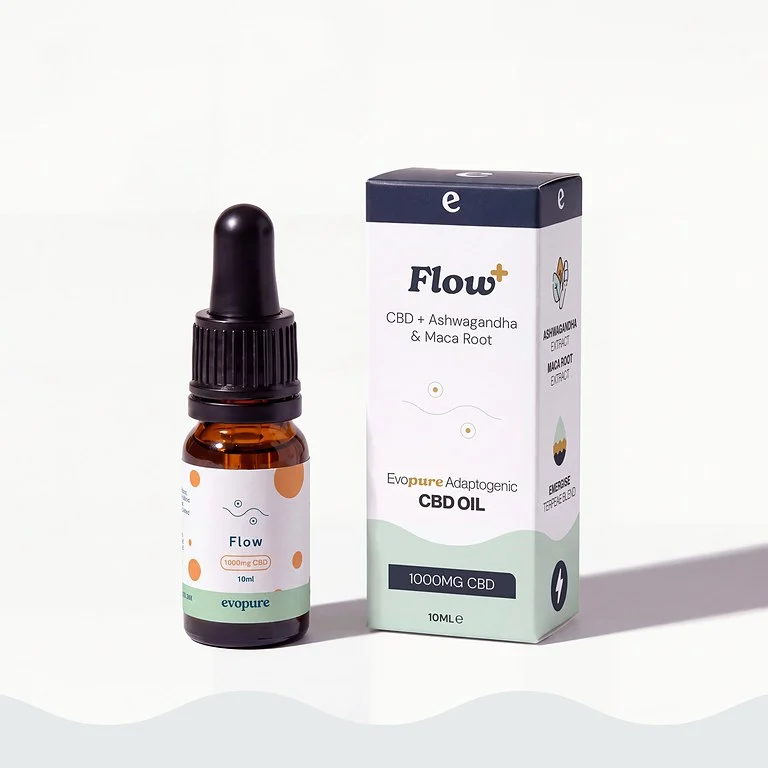
- Added ingredients: blends with botanicals such as ashwagandha or passionflower cost more to formulate.
- Format: capsules, balms and other formats add manufacturing steps, so they usually cost more per mg than a plain oil.
- Testing and compliance: brands that test every batch and are on the FSA public list carry costs that others skip.
- Brand and retail markup: high-street shops and celebrity brands add margin.
Is cheap CBD oil a red flag?
Not always, but a price that looks too good often is. The best UK evidence comes from blind testing commissioned by the Centre for Medicinal Cannabis in 2019, later published as a peer-reviewed study of 29 widely available CBD products. Only 11 of the 29 were within 10% of the CBD content on the label, and the average product held about 3.2% CBD against an advertised 4.5%.
The same study found that 55% of products had measurable levels of THC or CBN, both controlled substances in the UK, and that many contained traces of solvents and heavy metals, though within acceptable levels. Which? reported from the same round of testing that one high-street pharmacy product contained no cannabinoids at all and 11 products had less than half the CBD they claimed.
Those tests were done before the FSA’s public list was in force, and the market has tightened since. But they show why a lab report matters more than a price tag. A very low price can be a sign of:
- “hemp seed oil” sold as CBD oil (hemp seed oil contains no meaningful CBD; see hemp oil vs CBD oil)
- no recent, batch-specific lab report
- a product that isn’t on the FSA public list
- vague labelling, such as “1,000mg hemp” instead of mg of CBD
Overpriced or suspiciously cheap: a 2-minute checklist
Run through these before you buy. If a product fails two or more, keep looking.
Signs you may be overpaying
- The cost per 10mg is well above other oils of the same type and strength.
- The label leads with ml or a big “hemp” number, and the mg of CBD is hard to find.
- You’re paying extra for a celebrity name, a high-street shelf or packaging rather than CBD.
- A small bottle at a low strength is priced like a high-strength one.
- The product promises to treat or cure a health condition. That is not allowed for CBD sold as food in the UK, and it’s a sign the brand isn’t playing by the rules.
- A “discount” is measured against a price the product was never really sold at. Our guide to spotting fake deals shows how to check.
Signs it’s suspiciously cheap
- No mg of CBD on the label, or “hemp oil” or “hemp extract” with no CBD figure.
- No lab report, or one that doesn’t match the batch number on your bottle.
- The product isn’t on the FSA’s list of CBD products linked to novel food applications.
- No UK address or proper contact details.
- “Free trial” offers that quietly sign you up to monthly payments.
Signs of fair value
- The mg of CBD per bottle and per serving are printed clearly.
- A recent third-party lab report for your batch shows CBD close to the label, and THC within UK limits.
- The product appears on the FSA public list.
- The brand tells you the daily amount the FSA advises and who shouldn’t use CBD.
- The cost per 10mg sits in line with similar products.
What you’re paying for in a good CBD oil
Strip away the branding, and a fairly priced CBD oil should give you five things:
- A legal place on the market: a product linked to a novel food application on the FSA public list. Our guide to the FSA’s 10mg advice explains what the list means.
- Proof of what’s inside: independent, batch-specific lab reports for CBD, THC and contaminants.
- The type of extract you want: broad spectrum keeps other hemp compounds but has the THC removed; isolate is CBD on its own. See what is CBD isolate?
- A good carrier oil: a clean, stable oil that carries the CBD and tastes acceptable.
- Clear labelling: mg per bottle, mg per serving and the safety wording UK rules expect.
Here is how our own range works out per serving, so you can plug in the current prices yourself:
| Evopure product | Strengths | CBD per drop or capsule | 10mg servings per pack |
|---|---|---|---|
| Broad Spectrum CBD Oil (10ml) | 500mg, 1,000mg, 2,000mg | about 2.5mg, 5mg or 10mg per drop | about 50, 100 or 200 |
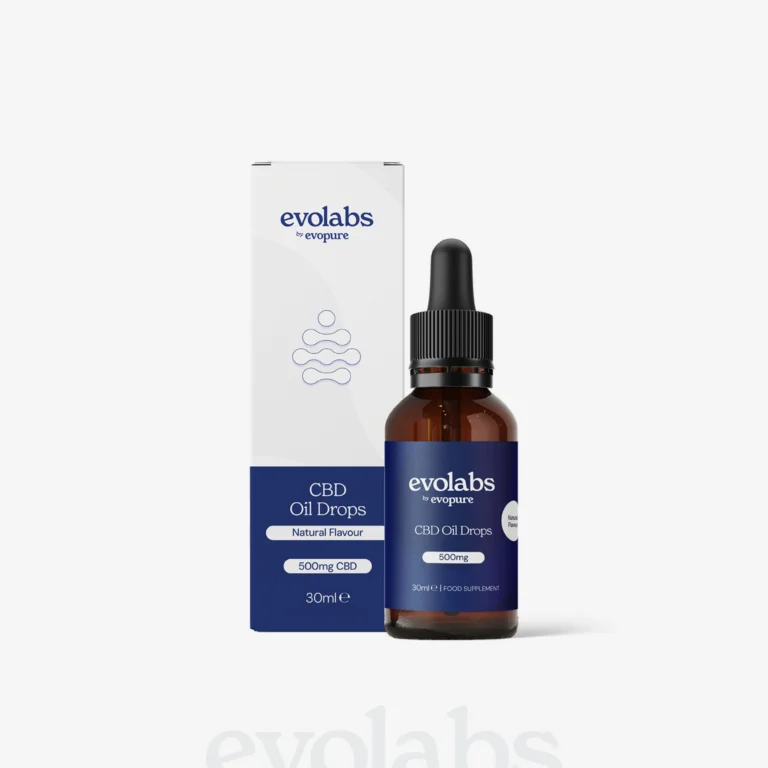
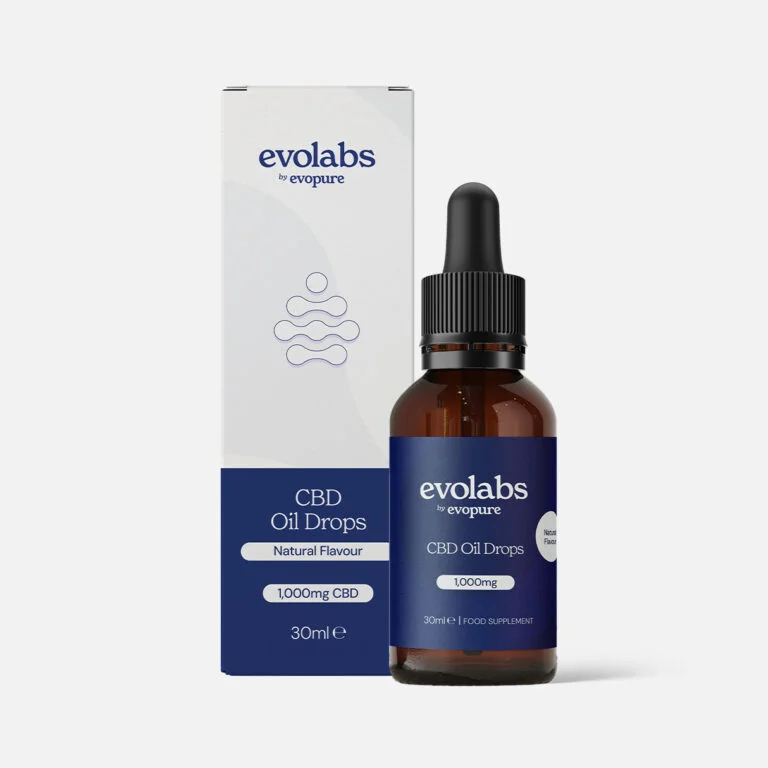
| Evolabs flavoured oils (30ml) | 500mg, 1,000mg, 2,000mg | about 0.8mg, 1.7mg or 3.3mg per drop | about 50, 100 or 200 |
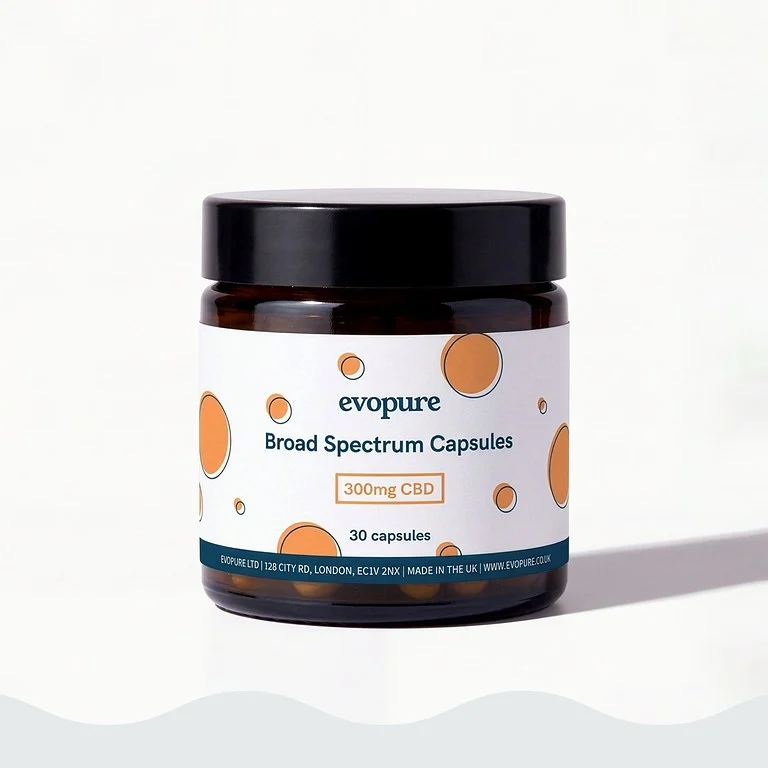
| Broad Spectrum CBD Capsules (30 per jar) | 10mg or 25mg per capsule | 10mg or 25mg | 30 capsules |
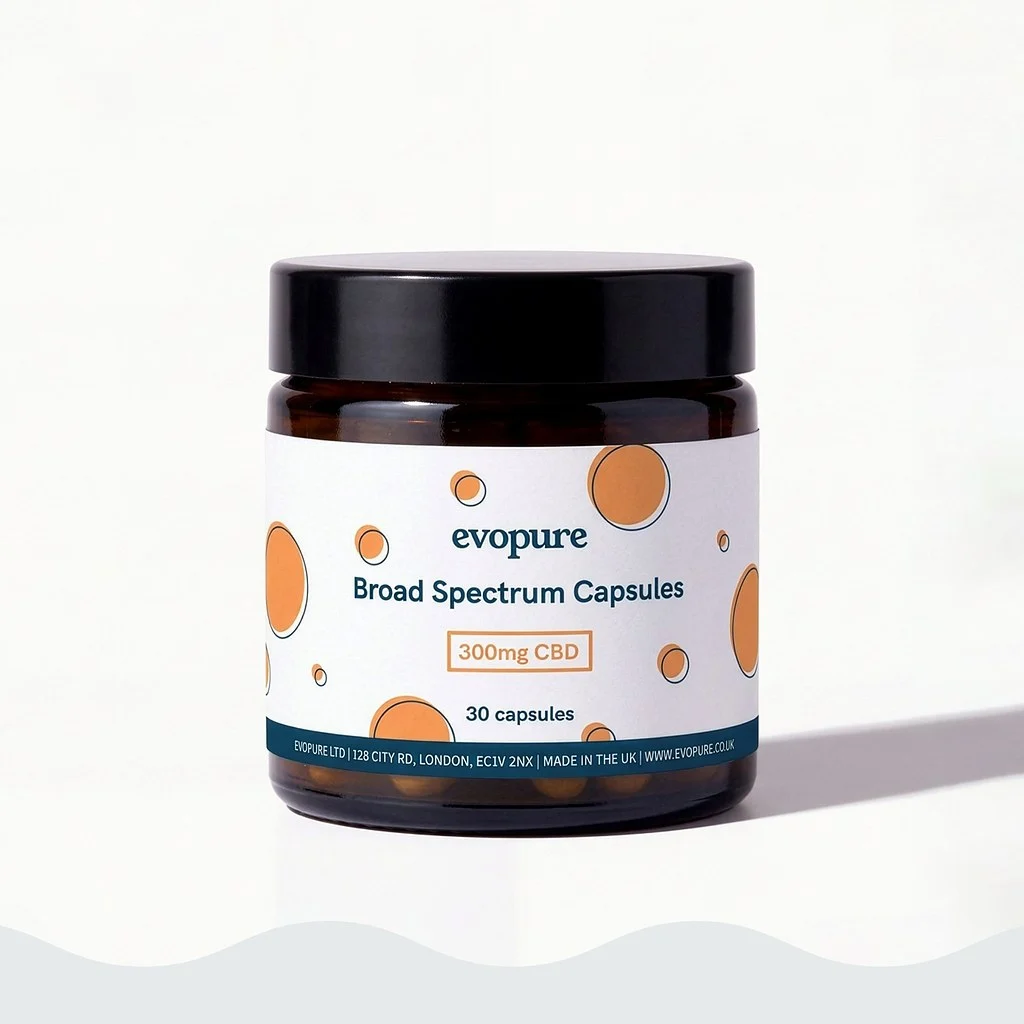
All our CBD products are broad spectrum with 0% THC, vegan, made in the UK and third-party lab tested at ISO 17025 accredited labs, with reports on our lab testing page. They’re on the FSA public list, linked to validated applications. Our Broad Spectrum CBD Oil is simply broad spectrum CBD in MCT oil.
How to pay less without buying worse
- Buy a higher strength: the cost per mg usually drops as the strength goes up, and you take fewer drops.
- Choose oil over capsules if price matters most: capsules cost more per mg for the convenience of a pre-measured dose. See CBD oil vs capsules to compare cost per 10mg across formats, and best CBD capsules UK if you prefer them anyway.
- Subscribe: if you use CBD daily, a subscription is usually cheaper than one-off orders. See Subscribe and Save.
- Bundle: buying two or more products together usually costs less. See our bundles.
- Use genuine offers only: check every genuine Evopure offer before buying, and skip the codes on voucher sites.
- Find your amount: start low and increase slowly, rather than taking more than you need. See how much CBD to take.
- Try a flavoured oil: our Evolabs oils are broad spectrum too, and the 2,000mg bottle is our lowest price per mg.
If you want to get more value from a sale, our guide to stocking up on supplements for Black Friday explains when buying more makes sense and when it does not.
Is CBD oil worth the money?
iThat depends on what you want from it, and only you can judge. CBD sold as a food supplement isn’t a treatment for any health condition, and research on everyday CBD products is still limited. If you’re thinking about CBD because of a health problem, speak to your GP first.
If you simply want to make CBD part of your daily routine, it’s worth paying for a product you can trust: one on the FSA public list, with a batch lab report, at a fair cost per 10mg. Give it a few weeks at a steady amount before you decide, and stop if it doesn’t suit you. Our guide to CBD side effects covers what to watch for.
The FSA’s 10mg a day figure is precautionary advice rather than a legal limit, set while longer-term safety research continues. At Evopure we think it is a very cautious figure, and many adults use more. If you go above it, increase slowly, and check with your GP or pharmacist first if you take any medication.
Our products are for adults (18+) only. We don’t recommend our products during pregnancy or breastfeeding.
Related guides
- How crude extract is refined into distillate.
- For market size and testing data, see our UK CBD statistics.
- Stronger oils usually cost less per mg: see the strongest CBD oil UK guide for what that means per drop.
- Bigger bottles usually cost less per mg; our 2000mg CBD oil guide shows how long one lasts at 10mg a day.
- If cost is what holds you back, our Black Friday sale from 27 to 30 November is the best time of year to stock up on our CBD.
Sources 8
- Home Office. Drug licensing factsheet: cannabis, CBD and other cannabinoids.
- Home Office. Industrial hemp licensing factsheet.
- Food Standards Agency. Cannabidiol (CBD) guidance, updated August 2026.
- Food Standards Agency. CBD products linked to novel food applications (the public list).
- Food Standards Agency. CBD novel food applications: recommendations to ministers on first authorisations, September 2026 board meeting.
- HMRC. Food products and VAT (Notice 701/14).
- Liebling JP et al. (2022). An analysis of over-the-counter cannabidiol products in the United Kingdom. Cannabis and Cannabinoid Research. PMID 33998849.
- Which? (2019). CBD oil: why it’s hard to know what you’re getting.