Last updated: 11 November 2026
The best supplements for hair growth are the ones that fix a shortfall you actually have, most often iron, vitamin D, zinc, vitamin B12 or protein. If your levels are normal, no supplement has strong independent evidence for faster or thicker hair. Biotin deficiency is rare, and high-dose biotin can distort blood tests, so test first.
iBelow: an evidence table, biotin, collagen and gummies, options for women and men, and when to see a GP.
Where we fit: we don’t make a hair supplement, and we won’t pretend otherwise. Where we can help is the stress and sleep side of life, which matters because stress is one of the commonest triggers of shedding. More on that below.
Hair growth supplements ranked by evidence
Hair growth supplements are vitamins, minerals and blends sold to support hair, such as iron, vitamin D, zinc, biotin, collagen and branded formulas. They help mainly when they correct a shortfall, because low iron or vitamin D is linked to shedding. For people with normal levels, no hair growth supplement has strong independent evidence for faster or thicker hair.
The nutrients most often sold for hair, roughly from most to least useful. They matter most when you are low.
| Nutrient | Evidence for hair | Who might benefit | Notes |
|---|---|---|---|
| Iron | Low iron linked to shedding; trials mixed | Heavy periods, vegans | Test first |
| Vitamin D | Low levels common in hair loss | Most UK adults, October to March | 10 micrograms a day |
| Zinc | A few trials; authorised claim | Low intake | Too much lowers copper |
| Vitamin B12 | Little direct evidence | Vegans | Worth it if low |
| Protein | Hair is built from it | Crash diets, low intake | Food first |
| Selenium | Authorised claim only | Rarely needed | Too much causes hair loss |
| Biotin | Weak unless deficient | Rare deficiency | Skews blood tests |
| Collagen | No solid independent trials | Unclear | No authorised claim |
| Branded blends | Promising early trials | Unclear | Independent trials needed |
What UK law allows. Great Britain’s nutrition and health claims register has only four authorised hair claims. Biotin, zinc and selenium each “contribute to the maintenance of normal hair”, and copper “contributes to normal hair pigmentation”. Hair claims submitted for vitamin B12, MSM, silicon, cysteine and spermidine have all been rejected, and there is no authorised hair claim for collagen. So if a label promises “growth” or “thicker hair”, that wording isn’t backed by the register.
What vitamins are good for hair growth?
Iron, vitamin D, zinc and vitamin B12 are the vitamins and minerals most worth checking for hair growth, because low levels are linked to shedding. The NHS lists iron deficiency among the causes of temporary hair loss, and a 2024 meta-analysis found low vitamin D in about half of people with female pattern hair loss. If your levels are normal, extra vitamins are unlikely to speed growth.
Vitamins for hair growth and thickness: can any thicken hair?
No vitamin is proven to make normal hair thicker. Thickness depends mostly on genes and hormones, which is why the NHS treatments for pattern hair loss are licensed medicines such as minoxidil, not vitamins. Correcting a real shortfall can cut shedding, which makes hair look fuller as it grows back. So test first, then top up only what is low.

Our pick
Magnesium Glycinate Sleep Complex
Magnesium Glycinate Sleep Complex is a berry drink powder with 290mg of magnesium (77% NRV) per 4.75g serving from bisglycinate and citrate, plus glycine and L-theanine. Magnesium contributes to a reduction of tiredness and fatigue.
Add Magnesium Glycinate Sleep Complex to bag See ingredients and reviews
Vegan and made in the UK. Subscribe and save 25% on your first order, then 20%. New to Evopure? Join our emails for 20% off a one-off first order. Free UK delivery over £40, 14-day returns on unopened items.
Subscribe £22.49One-off £29.99
View productWhy testing comes first
A 2019 dermatology review of vitamins and minerals in hair loss concluded that deficiency may be a modifiable risk factor, but that the role of these nutrients in healthy hair is “not entirely clear”. It called for large placebo-controlled trials in people who are actually deficient.
iTopping up something you already have enough of is unlikely to change your hair. The British Association of Dermatologists says a blood test may be used to rule out thyroid problems and iron deficiency when hair is shedding. Ask your GP about:
- a full blood count and ferritin (your iron stores)
- thyroid function (see underactive thyroid symptoms)
- vitamin D, and vitamin B12 if you’re vegan or also tired
If you aren’t sure why your hair is thinning in the first place, start with why is my hair falling out?
Iron and ferritin
The NHS lists iron deficiency among the common causes of temporary hair loss. A large review in the Journal of the American Academy of Dermatology found studies split on the link, and said there wasn’t enough evidence to give iron to everyone with hair loss. The authors, at the Cleveland Clinic, still screen their hair loss patients for low iron and treat it as part of their care.
Women aged 19 to 49 need 14.8mg of iron a day, compared with 8.7mg for men, because of periods. The NHS says 17mg or less a day from supplements is unlikely to cause harm; higher doses are for when your GP has found you’re low.
Read more: signs of iron deficiency and the best iron-rich foods, including plant sources.
Vitamin D
A 2024 meta-analysis found that about half of people with alopecia areata, female pattern hair loss or telogen effluvium had low vitamin D. The link was clearest for alopecia areata and female pattern hair loss. That shows an association, not that vitamin D regrows hair, and the authors called for trials of supplements.
The NHS already advises everyone in the UK to consider 10 micrograms of vitamin D a day from October to March, and some groups all year round, including people with dark skin and people who rarely go outside. Don’t take more than 100 micrograms (4,000 IU) a day. See vitamin D in winter and vitamin D deficiency symptoms.
Does vitamin D help hair growth?
Only if you’re low in it, and even then the proof is thin. A 2024 meta-analysis found low vitamin D in about half of people with alopecia areata (52%) and female pattern hair loss (50%), but trials of supplements are few and small. A 2023 JAMA Dermatology review rated the evidence for vitamin D3 as low quality.
A 2026 review reached the same view: vitamins seem to help hair mainly in people who are deficient, with little evidence for anyone whose levels are already normal. So if your hair is thinning, get tested first, and see whether low vitamin D causes hair loss. In GB, vitamin D has no authorised health claim for hair; biotin, selenium and zinc are the nutrients that “contribute to the maintenance of normal hair”.
Zinc, selenium and copper
Zinc contributes to the maintenance of normal hair, and severe deficiency can cause hair loss. A 2023 systematic review in JAMA Dermatology listed zinc among the supplements with some trial evidence in people without a known deficiency, but the authors called for larger trials. Excess zinc can reduce copper absorption, so more isn’t better. Our zinc guide covers doses and forms.
Selenium also contributes to the maintenance of normal hair, but more isn’t better. The NHS warns that too much selenium causes selenosis, which in its mildest form can lead to loss of hair and nails. It says 350 micrograms or less a day from supplements is unlikely to cause harm. Check your total if you combine a multivitamin and a hair product.
Copper contributes to normal hair pigmentation (colour), not growth.
Biotin for hair growth
Biotin (vitamin B7) is the headline ingredient in most hair gummies. It does contribute to the maintenance of normal hair, but the NHS says you should get all you need from a varied diet, and your gut bacteria make some too.
A review of biotin for hair loss found 18 reported cases where biotin helped. Every one of those people had an underlying problem, such as biotin deficiency or a rare hair condition. The authors concluded there is not enough evidence for biotin in healthy people.
The blood test problem. In a 2017 JAMA study, healthy adults took 10mg of biotin a day, a dose common in supplements, for one week. Results were misleading in 9 of 23 lab tests that use biotin chemistry, including thyroid tests. A 2025 review warns that biotin can also affect troponin, the blood test used to diagnose heart attacks. If you take biotin, tell your doctor and the lab before any blood test, and ask how long to stop beforehand.
The NHS says 0.9mg or less a day of biotin from supplements is unlikely to cause harm. Many hair products contain far more. If you’d rather avoid it, choose a product without biotin, and check your multivitamin label too. More in brittle nails, where the biotin evidence is a little stronger.
Collagen and protein
Collagen is one of the most searched hair supplements, but no collagen claim for hair is authorised in GB. When we reviewed the research for our collagen supplements guide, we couldn’t find solid independent trials of collagen alone for hair. Most hair studies test blends, so you can’t tell which ingredient did what.
Protein matters more. The British Association of Dermatologists suggests a balanced diet with iron, protein, fruit and vegetables for shedding. Crash diets and fast weight loss are well-known triggers of telogen effluvium. Check you’re getting enough with how much protein do I need?
Hair gummies and branded blends: do they work?
Branded hair supplements such as Viviscal, Nutrafol and Nourkrin have been tested in clinical trials, which is more than most products can say. A 2026 meta-analysis of 14 studies with 967 people found improvements in measures such as shedding and the proportion of growing hairs, but no clear difference in total hair count. The authors called the results promising but preliminary and asked for more rigorous, independent research.
The 2023 JAMA Dermatology review agreed: a possible role for some supplements, with larger trials needed. Side effects were rare and mild.
Most hair gummies are built around biotin, the nutrient with the weakest case for people who aren’t deficient. A plain multivitamin or a single nutrient you’re known to be low in is often a better buy. See are multivitamins worth taking? CBD hair products have little evidence too: see CBD for hair.
Best hair supplements for women
For most women, the best “hair supplement” is whatever a blood test shows you need. Common reasons for thinning in women include:
- Low iron, especially with heavy periods. Ask for ferritin to be checked.
- After having a baby. Shedding a few months after the birth is common and usually settles. Speak to your GP or health visitor before taking supplements if you’re breastfeeding. We don’t recommend our products during pregnancy or breastfeeding.
- PCOS (now called PMOS). The NHS lists hair loss, as well as excess hair growth, as a symptom. See what the new PMOS name means.
- Perimenopause and menopause. See best supplements for menopause.
- Female pattern hair loss, where low vitamin D was common in the 2024 meta-analysis.
Best hair supplements for men
The NHS says male pattern baldness is permanent and usually runs in the family. Supplements aren’t a proven way to stop it. A 2025 network meta-analysis of supplements for pattern hair loss found some benefit on hair density for pumpkin seed oil, tocotrienols, apple extract and branded blends, but the trials were small and the authors asked for larger, high-quality studies.
If a receding hairline or thinning crown is your concern, the licensed treatments below are the evidence-based route. Supplements make more sense if you’re vegan, eat very little, or a test shows you’re low. See supplements for men over 40 for what’s worth taking generally.
Stress, sleep and shedding
Telogen effluvium is the medical name for sudden, all-over shedding. The British Association of Dermatologists says it can start around 3 months after a trigger such as childbirth, illness with a high fever, surgery, marked weight loss, a new medicine or a stressful life event. The shedding phase lasts 3 to 6 months, and it usually gets better on its own. A supplement won’t stop it; time, and sorting the trigger, will.
That’s why managing stress and sleep is a sensible part of any hair plan. Read stress and hair loss, does stress cause grey hair? and how to relieve stress.
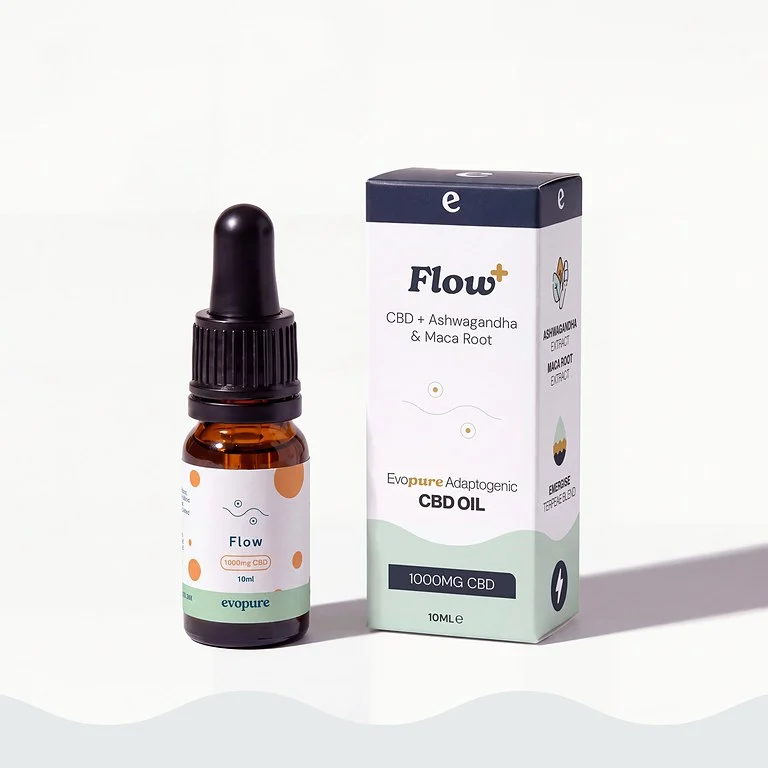
For the stress and sleep side of things, our Magnesium Glycinate Sleep Complex is a caffeine-free evening drink with magnesium bisglycinate and citrate, glycine and L-theanine; magnesium contributes to normal psychological function and to a reduction of tiredness and fatigue. Some people take our Flow CBD Oil, with broad spectrum CBD, ashwagandha and maca, as part of their day. Our Reishi Mushroom Adaptogenic Complex is a reishi cacao drink for a calmer evening ritual; it contains a little natural caffeine from the cacao. None of these is a hair supplement, and none will stop shedding. All are vegan, made in the UK and for adults only. The FSA’s 10mg a day figure is precautionary advice rather than a legal limit, set while longer-term safety research continues. At Evopure we think it is a very cautious figure, and many adults use more. If you go above it, increase slowly, and check with your GP or pharmacist first if you take any medication.
Minoxidil and finasteride: the licensed treatments
The NHS says minoxidil and finasteride are the main treatments for male pattern baldness, and minoxidil can also be used for female pattern baldness. Women should not use finasteride. Neither works for everyone, both only work while you keep using them, and they’re not all available on the NHS.
Finasteride can cause sexual side effects. In May 2026 the MHRA strengthened its warnings: anyone who gets depression or suicidal thoughts on finasteride should stop and seek medical advice. Talk to a pharmacist or GP before starting either, and before paying for a private hair clinic.
How to choose a hair supplement
- Test before you buy. Ferritin, vitamin D, B12 and thyroid tell you more than any label.
- Fix what’s low, at the dose your GP or pharmacist suggests, rather than taking a 20-ingredient blend.
- Check the claims. “Contributes to the maintenance of normal hair” is the legal wording. “Regrows” or “stops hair loss” are not authorised.
- Watch the doses. Biotin above 0.9mg, selenium above 350 micrograms and doubling up with a multivitamin are common traps.
- Give it time. Supplement trials ran from 12 weeks to 12 months, so judge after at least 3 months.
- Don’t give adult hair supplements to children. Hair loss in a child needs a GP.
When to see a GP
iThe NHS says to see a GP if you’re worried about your hair loss. It’s especially worth booking if:
- you have bald patches, or hair is coming out in clumps
- your scalp is itchy, sore, red or scaly
- you also feel tired, cold or breathless, or your weight has changed (signs of thyroid problems or anaemia)
- shedding has lasted more than 6 months
- you think a medicine may be the cause
If you’re tired as well, see vitamin B12 deficiency symptoms. Mention any biotin you take.
See also vitamin E: how much you need, the best foods and the safe upper limits.
Next step
Magnesium Glycinate Sleep Complex
If stress and poor sleep are part of your shedding picture, Magnesium Glycinate Sleep Complex is an evening berry drink with 290mg magnesium (77% NRV) per 4.75g serving, plus 500mg glycine and 100mg L-theanine. Magnesium contributes to normal psychological function. It isn’t a hair supplement.
Add Magnesium Glycinate Sleep Complex to bag See ingredients and reviews
Subscribe and save 25% on your first order, then 20%. New to Evopure? Join our emails for 20% off a one-off first order. Free UK delivery over £40. If you take any regular medicines, check with your GP or pharmacist first. We don’t recommend our products during pregnancy or breastfeeding.
Subscribe £22.49One-off £29.99
View productSources 16
- NHS. Hair loss.
- NHS. Iron, Vitamin D, B vitamins and folic acid, Vitamin A and Others (selenium, copper).
- NHS. Polyendocrine metabolic ovarian syndrome (PMOS) and The vegan diet.
- British Association of Dermatologists. Telogen effluvium.
- Department of Health and Social Care. Great Britain nutrition and health claims (NHC) register.
- MHRA. MHRA strengthens safety warnings for finasteride and dutasteride. May 2026.
- Almohanna HM, et al. The role of vitamins and minerals in hair loss: a review. Dermatol Ther (Heidelb), 2019.
- Trost LB, et al. The diagnosis and treatment of iron deficiency and its potential relationship to hair loss. J Am Acad Dermatol, 2006.
- Yongpisarn T, et al. Vitamin D deficiency in non-scarring and scarring alopecias: a systematic review and meta-analysis. Front Nutr, 2024.
- Patel DP, et al. A review of the use of biotin for hair loss. Skin Appendage Disord, 2017.
- Li D, et al. Association of biotin ingestion with performance of hormone and nonhormone assays in healthy adults. JAMA, 2017.
- Shing V, et al. Benefits and risks of hair, skin, and nail supplements in older adults. Int J Womens Dermatol, 2025.
- Drake L, et al. Evaluation of the safety and effectiveness of nutritional supplements for treating hair loss: a systematic review. JAMA Dermatol, 2023.
- Alanazi R, et al. Evaluating the effectiveness of commercial oral supplements for hair growth: a systematic review and meta-analysis. J Cosmet Dermatol, 2026.
- Zhou L, et al. Effects of dietary supplements on androgenetic alopecia: a systematic review and network meta-analysis. Front Nutr, 2025.
- Ravipati A, Tosti A. Vitamins and hair: sham or science? Clin Dermatol, 2026.
This guide is general information, not medical advice. Evopure makes the Magnesium Glycinate Sleep Complex, Flow CBD Oil and Reishi Mushroom Adaptogenic Complex. We don’t sell a hair supplement.