







Last updated: October 2026
Acid reflux is when stomach acid flows back up into your food pipe, causing heartburn and a sour taste. In adults the NHS links it to certain foods and drinks, being overweight, smoking, pregnancy, stress, some medicines and a hiatus hernia. Eat smaller meals, avoid your triggers and ask a pharmacist. See a GP if it happens most days.
Below: the symptoms, what causes acid reflux in adults, how to deal with it at home and with pharmacy medicines, omeprazole, constipation, whether reflux at night is dangerous, slippery elm and other remedies, and when to see a GP.
Is it heartburn or your heart? The NHS says a heart attack can feel like indigestion, with a burning feeling in your chest. Call 999 if you have chest pain that feels tight or squeezing, or spreads to your arms, neck or jaw. Don’t wait to see if an antacid helps.
What is acid reflux?
At the bottom of your food pipe (oesophagus) is a ring of muscle that works like a one-way valve. It opens to let food into your stomach, then closes to keep stomach acid where it belongs. When it relaxes at the wrong time or doesn’t close properly, acid can travel back up. That is acid reflux, and the burning feeling it causes in the middle of your chest is heartburn.
It is very common. A systematic review of population studies found that between about 9% and 26% of adults in Europe have heartburn or regurgitation at least once a week, and that it has become more common since the mid 1990s. Most people only get it now and then, often after a big meal, and it settles with simple changes.
Symptoms of acid reflux
The NHS says the main symptoms are:
- heartburn: a burning feeling in the middle of your chest
- a sour or unpleasant taste in your mouth, caused by stomach acid
You may also get:
- a cough or hiccups that keep coming back
- a hoarse voice
- bad breath
- bloating and feeling sick
Symptoms are often worse after eating, when lying down and when bending over.
Can acid reflux cause a cough?
Yes. The NHS lists a cough that keeps coming back as a possible reflux symptom, and some people get a cough or a hoarse voice with little or no heartburn. Because lying down makes reflux worse, the cough is often worse at night: see our guide to why a cough gets worse at night. If your throat feels raw in the morning, our sore throat remedies guide explains what helps.
Reflux, a lump in your throat and chest pain
Reflux can leave a feeling of something stuck in your throat, and so can stress: see lump in throat anxiety. Heartburn, a heart problem and anxiety can all cause chest pain, so if in doubt, get it checked. See anxiety chest pain.
What causes acid reflux in adults?
The NHS says heartburn often happens for no obvious reason. When there is a cause, it is usually one or more of these:
| Cause | Why it matters | What to try |
|---|---|---|
| Certain foods and drinks | The NHS names coffee, tomatoes, alcohol, chocolate, and fatty or spicy foods. NICE lists coffee, alcohol, chocolate and fatty foods | Keep a one-week food and symptom diary, then cut back on the ones that set you off |
| Big or late meals | A full stomach pushes up against the valve, and lying down soon after removes the help of gravity | Smaller, more frequent meals. Don’t eat within 3 to 4 hours of bed (NHS). See eating before bed |
| Being overweight | Extra weight around your middle presses on your stomach. Named by the NHS and NICE | Losing weight if you need to: it is one of the lifestyle changes with the best evidence |
| Smoking | Named by the NHS and NICE as a cause | Ask your GP or pharmacist about free stop smoking support |
| Alcohol | On the NHS and NICE lists, and often drunk with a late meal | Drink less, especially in the evening. See alcohol and sleep |
| Stress and anxiety | Listed by the NHS as a possible cause | Find ways to relax. See stress and reflux below |
| Some medicines | The NHS names anti-inflammatory painkillers such as ibuprofen. NICE also lists some heart, asthma, bone and steroid medicines | Ask a pharmacist. Never stop a prescribed medicine without advice |
| Hiatus hernia | Part of the stomach moves up into the chest. The NHS says it’s very common over 50 and in people who are pregnant or overweight | Same self-help steps. See a GP if they don’t help |
| Pregnancy and hormones | The NHS lists pregnancy and hormonal changes | Ask a pharmacist which antacids are suitable. See our pregnancy heartburn section |
| Stomach ulcer or infection | The NHS lists a stomach ulcer and a bacterial infection (H. pylori) as medical causes | A GP can test for H. pylori and treat it |
Weight-loss injections can also bring on heartburn in some people. If that’s you, tell your prescriber or pharmacist; our guide to sleeping on Mounjaro covers the night-time side.
Triggers you can change
Food triggers are personal. A review of 100 relevant studies found that tobacco, alcohol, chocolate and high-fat meals can all relax the valve at the bottom of the oesophagus, but there was little proof that cutting out any one food helps everyone. The changes with the best evidence were losing weight and raising the head of the bed.
That is why NICE advises avoiding the things you link to your symptoms, rather than a long list of banned foods. A simple way to find yours:
- Write it down for a week: what you ate and drank, when, and when heartburn started.
- Look for patterns: a mid-morning coffee on an empty stomach, wine with dinner, a late takeaway.
- Change one thing at a time for a week or two so you know what made the difference.
Coffee is a common one: see coffee on an empty stomach, and if you’re cutting down for other reasons too, does caffeine cause anxiety? Tight waistbands count too: the NHS advises avoiding tight clothing around your waist.
How to deal with acid reflux
Everyday changes (NHS advice)
- eat smaller, more frequent meals
- don’t eat within 3 or 4 hours of going to bed
- raise the head of your bed by 10 to 20cm, using blocks or books under the legs, not extra pillows
- lose weight if you’re overweight
- avoid the foods and drinks that trigger your symptoms
- stop smoking and don’t drink too much alcohol
- avoid tight clothing around your waist
- find ways to relax
- don’t stop taking any prescribed medicine without speaking to a doctor first
In the moment
- Stay upright. Sit or stand rather than lying on the sofa.
- Loosen your waistband.
- Take an antacid or alginate from a pharmacy, as the pack says.
- Skip the triggers for the rest of the day: no more coffee, alcohol or rich food.
If it’s worse at night
Night-time reflux has its own tricks. Small studies found less acid in the oesophagus when people lie on their left side than on their right. Our guide to acid reflux at night covers which side to sleep on, raising the bed and a checklist for tonight, and our best sleeping position guide compares positions for other problems too.
Antacids, alginates and omeprazole
| Option | Where to get it | What it does | Good to know |
|---|---|---|---|
| Antacids | Pharmacy or shop | Neutralise stomach acid. The NHS says they can quickly relieve symptoms for a few hours | Usually taken with or soon after meals and just before bed. Don’t take other medicines within 2 to 4 hours |
| Alginates | Pharmacy or shop, often combined with an antacid | Coat your food pipe with a protective layer | Short-term relief. They don’t treat the cause |
| Omeprazole and other PPIs | Some pack sizes from a pharmacy; most need a prescription | Reduce how much acid your stomach makes | Over-the-counter packs are for adults only, for up to 2 weeks without seeing a doctor (NHS) |
| H2 blockers, such as famotidine | GP | Another way to reduce acid | NICE says GPs can offer one if a PPI isn’t enough |
The NHS says antacids and alginates don’t treat the underlying cause and aren’t meant for regular long-term use. Speak to a GP if you find you need them regularly. Many antacids contain magnesium, calcium or aluminium, so tell your pharmacist about any supplements you take. See magnesium oxide for why.
Does omeprazole help with acid reflux?
Omeprazole is a proton pump inhibitor (PPI). It lowers the amount of acid your stomach makes, and it is the usual first prescription for reflux in the UK. NICE advises GPs to offer people with reflux disease a full-dose PPI for 4 or 8 weeks, and the NHS says a course usually lasts 4 or 8 weeks depending on how bad your symptoms are.
- Bought without a prescription: the NHS says don’t take it for more than 2 weeks, and see a GP if your symptoms get worse or don’t improve. The MHRA says to see a doctor if 2 weeks of continuous treatment hasn’t helped, and not to use over-the-counter PPIs for more than 4 weeks without medical advice.
- If symptoms come back: NICE advises the lowest dose that controls them, and talking about taking it only when you need it.
- Long-term use: NICE recommends a yearly review and trying to step down or stop, unless there is a medical reason to continue.
- Check first if you take other medicines. The NHS lists several that may not mix with omeprazole, including warfarin, clopidogrel, digoxin and St John’s wort.
Is long-term omeprazole safe?
The NHS says serious side effects are more likely if you take omeprazole for a year or more, including a very low vitamin B12 level and bones that break more easily. The MHRA has warned about low magnesium levels with PPI use for over a year, and about a modestly higher risk of hip, wrist and spine fractures, mainly in older people on high doses for over a year. If you’ve been on a PPI for a long time, ask your GP whether you still need it and whether your B12 should be checked: see vitamin B12 supplements. Don’t stop suddenly without advice.
Can constipation cause acid reflux?
The honest answer is that the two often go together, but nobody has shown that one causes the other.
- In a Japanese survey of 10,000 adults, people with reflux disease had roughly 1.5 to 2.7 times the odds of being constipated, depending on how each condition was defined. Those with both had worse reflux symptoms and a poorer quality of life.
- In a smaller Japanese study, 38% of people on long-term treatment for reflux used laxatives, compared with 21% of people taking acid-reducing medicine for other reasons.
One idea is that straining and a full, bloated bowel raise the pressure inside your tummy, but that hasn’t been proven. Some shared factors, such as diet, low activity, weight and certain medicines, could also explain the link. The NHS lists bloating as a reflux symptom too, which can make it hard to tell what’s coming from where.
If you have both, it’s still worth sorting out constipation: more fibre, plenty of fluids and regular movement. Our guides to gut health, magnesium for bloating and magnesium for constipation go into more detail. Ask a pharmacist before using any laxative, especially if you also take antacids.
Can you die from acid reflux in your sleep?
For almost everyone, no. Acid reflux at night is common and unpleasant, but it isn’t usually dangerous. A systematic review found that more than half of people with long-term reflux have night-time symptoms. The main harms it found were poor sleep, waking in the night, daytime tiredness and lower productivity at work.
Waking up coughing, or with a burning throat and a sour taste, can be frightening. These are known reflux symptoms, and the same review found no evidence that night-time heartburn causes asthma or sleep apnoea. If you choke or gasp often at night, or a partner notices you stop breathing, see a GP, as other conditions such as sleep apnoea need ruling out.
Why persistent reflux still needs checking
The risk with reflux is long-term damage, not a sudden event. Years of acid can inflame the lining of the oesophagus (oesophagitis) or change its cells, a condition called Barrett’s oesophagus. A 2024 meta-analysis of 43 studies found Barrett’s in about 7% of people with reflux symptoms and about 2% of people without. The NHS calls Barrett’s a pre-cancerous condition that makes oesophageal cancer slightly more likely, but says this is not common. That is why heartburn most days for 3 weeks or more should be checked by a GP, even if it feels manageable.
Get help urgently if
- Call 999 if you have chest pain that feels tight or squeezing, or spreads to your arms, neck or jaw.
- Call 999 or go to A&E if you’re vomiting blood and feel faint, dizzy, confused or unwell, or also have black poo.
- Ask for an urgent GP appointment or call 111 if your poo is black or dark red, or you’ve been sick for more than 2 days.
Slippery elm and other home remedies
Natural remedies for reflux are popular on social media, but a 2019 review of popular remedies for oesophageal symptoms, including slippery elm, liquorice, peppermint oil and apple cider vinegar, found a big gap between what people report and what research has shown.
| Remedy | What the evidence says | Our view |
|---|---|---|
| Slippery elm | The inner bark of a North American tree, which turns into a thick gel in water. We found no good trials in people with reflux. A US government liver safety database describes it as generally recognised as safe | Unproven. If you try it, check with a pharmacist if you take any medicines, as there is little research on how it mixes with them |
| Apple cider vinegar | No good human trials. It is itself an acid | Unproven and may make it worse. See apple cider vinegar |
| Peppermint | Peppermint oil capsules are used for tummy cramps and bloating, but the NHS lists heartburn as a common side effect | Avoid if you have reflux. See supplements for digestion |
| Ginger | Popular for nausea, but there is little research on reflux | Unproven for reflux. See ginger benefits |
| Raising the bed, losing weight, earlier dinners | The best evidence of any home measure | Start here |
Don’t let any remedy delay seeing a GP if you have heartburn most days or any of the warning signs above.
Acid reflux, heartburn and GORD: what’s the difference?
| Term | What it means |
|---|---|
| Acid reflux | Stomach acid moving back up into the oesophagus |
| Heartburn | The burning chest feeling that reflux causes |
| GORD (GERD in the US) | Gastro-oesophageal reflux disease: reflux that keeps happening and causes troublesome symptoms or damage. Population studies usually count it as heartburn or regurgitation at least once a week |
| Indigestion (dyspepsia) | A wider term NICE uses for upper tummy pain, heartburn or acid regurgitation, with or without bloating, nausea or vomiting |
| Silent reflux (LPR) | Reflux that reaches the throat and voice box, often with little heartburn. See silent reflux |
Occasional heartburn after a big curry is acid reflux. Heartburn most days is more likely to be GORD, and that is when a GP can help most.
Stress, anxiety and reflux
The NHS lists stress and anxiety among the causes of heartburn, and NICE says talking therapies such as CBT may reduce indigestion symptoms in the short term for some people. Stress also brings habits like more coffee and later meals. If your stomach is often the first place you feel stress, see anxiety stomach and stress symptoms.
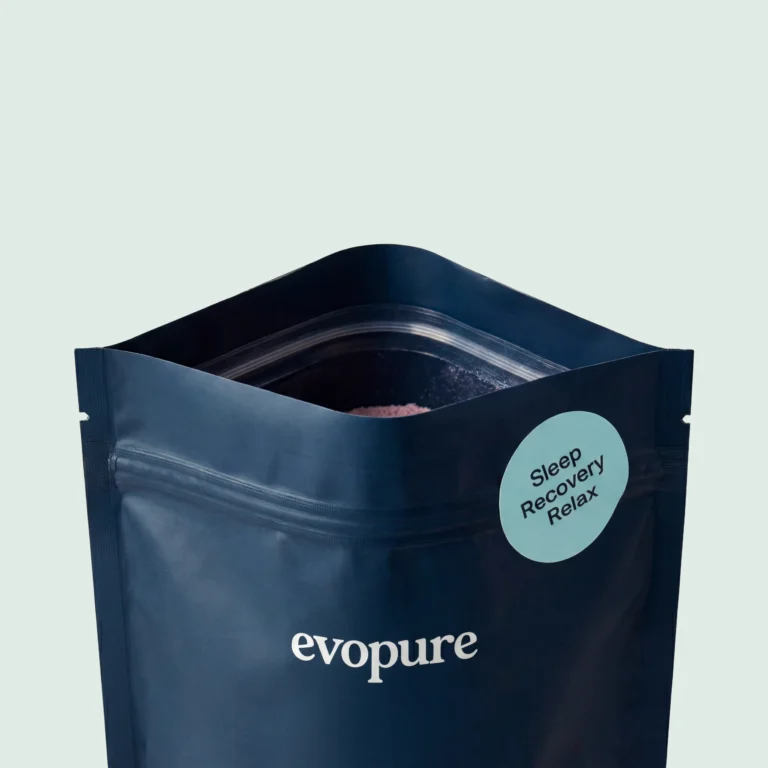
A calm evening routine helps on both fronts: an earlier dinner, a lighter last drink and time to wind down before bed. No supplement treats reflux, and ours don’t either. Our Magnesium Glycinate Sleep Complex is a caffeine-free, berry-flavoured bedtime drink with magnesium bisglycinate and citrate, L-theanine and chamomile. Magnesium contributes to normal psychological function and to a reduction of tiredness and fatigue. It is for adults only. Many antacids also contain magnesium, so check with your pharmacist first if you take antacids or any reflux medicine, and don’t take them at the same time. We don’t recommend our products during pregnancy or breastfeeding.
When to see a GP about acid reflux
See a GP if:
- you have heartburn most days that lasts for 3 weeks or more
- lifestyle changes and pharmacy medicines aren’t helping
- you need antacids regularly
- you have problems swallowing, or food feels like it’s getting stuck
- you keep being sick, or you’re losing weight without trying
- you have other symptoms that are getting worse
NICE tells GPs to refer people urgently for checks if they have trouble swallowing, or if they are 55 or over with weight loss and reflux, indigestion or upper tummy pain. If you’re 55 or over with treatment-resistant indigestion, GPs may also consider a camera test. Most of the time these symptoms turn out to have a less serious cause, but they’re worth checking quickly.
Your GP may suggest a PPI course, test for H. pylori, review your other medicines or refer you for a gastroscopy, a camera test of your oesophagus and stomach.
FAQs
What causes acid reflux in adults?
Common causes are certain foods and drinks (such as coffee, alcohol, chocolate and fatty or spicy food), big or late meals, being overweight, smoking, pregnancy, stress and anxiety, some medicines such as ibuprofen, and a hiatus hernia. Often there’s no obvious cause.
Can acid reflux cause a cough?
Yes. The NHS lists a cough or hiccups that keep coming back and a hoarse voice as possible reflux symptoms. The cough is often worse when you lie down.
Does omeprazole help with acid reflux?
Yes, it reduces the acid your stomach makes and is the usual first prescription. If you buy it without a prescription, the NHS says don’t take it for more than 2 weeks, and see a GP if your symptoms don’t improve.
Can constipation cause acid reflux?
The two often happen together, but it hasn’t been shown that constipation causes reflux. Shared factors such as diet, weight and medicines may explain the link. It’s still worth treating constipation.
Can you die from acid reflux in your sleep?
Very unlikely. Night-time reflux is common and can wake you coughing, but it isn’t usually dangerous. Long-term reflux can damage the oesophagus, so see a GP if you have heartburn most days for 3 weeks or more. Call 999 for crushing chest pain or if you vomit blood and feel unwell.
What is the best side to sleep on for acid reflux?
Your left side. Small studies found less acid in the oesophagus when people lie on their left side and the most when they lie on their right. Raising the head of your bed by 10 to 20cm also helps.
Is slippery elm good for acid reflux?
There’s no good evidence that it helps. It’s generally considered safe, but check with a pharmacist if you take any medicines, and see a GP if you have heartburn most days.
Sources
- NHS. Heartburn and acid reflux.
- NHS. Antacids and Omeprazole.
- NHS. Side effects of peppermint oil.
- NHS. Hiatus hernia and Indigestion.
- NHS. Symptoms of oesophageal cancer and Causes of oesophageal cancer.
- NHS. Heart attack and Vomiting blood.
- NICE. Gastro-oesophageal reflux disease and dyspepsia in adults (CG184) and Suspected cancer: recognition and referral (NG12).
- MHRA. Proton pump inhibitors in long-term use: reports of hypomagnesaemia and increased risk of fracture.
- El-Serag HB et al. Update on the epidemiology of gastro-oesophageal reflux disease: a systematic review. Gut, 2014.
- Kaltenbach T et al. Are lifestyle measures effective in patients with gastroesophageal reflux disease? Arch Intern Med, 2006.
- Ogasawara N et al. Overlap between constipation and gastroesophageal reflux disease in Japan. J Neurogastroenterol Motil, 2022; and Momma E et al. Relationship between GERD and constipation: laxative use is common in GERD patients. Esophagus, 2021.
- Gerson LB, Fass R. A systematic review of the definitions, prevalence, and response to treatment of nocturnal gastroesophageal reflux disease. Clin Gastroenterol Hepatol, 2009.
- Saha B et al. Prevalence of Barrett’s esophagus and esophageal adenocarcinoma with and without gastroesophageal reflux. Clin Gastroenterol Hepatol, 2024.
- Katz LC et al. Body position affects recumbent postprandial reflux. J Clin Gastroenterol, 1994.
- Ahuja A, Ahuja NK. Popular remedies for esophageal symptoms: a critical appraisal. Curr Gastroenterol Rep, 2019; and LiverTox. Slippery elm. NIDDK, 2024.
This guide is general information, not medical advice. If you take any medication, check with your GP or pharmacist before trying a new supplement or remedy. Evopure makes the Magnesium Glycinate Sleep Complex.