Last updated: October 2026
The most common CBD side effects are diarrhoea, tiredness and appetite changes, with nausea and headaches less often. In trials they mostly appear at hundreds of milligrams a day, far above supplement doses. High doses can raise liver enzymes, and CBD interacts with some medicines. The FSA advises healthy adults to take no more than 10mg a day.
Below: each side effect and what to do, why dose matters, the liver and medication questions, long-term unknowns, who should avoid CBD, and how to report a reaction in the UK.
Common CBD side effects
The best overview is a 2020 King’s College London meta-analysis of 12 placebo-controlled trials with 803 participants. Compared with placebo, CBD was linked to more diarrhoea, sleepiness (somnolence), sedation, reduced appetite and abnormal liver tests. The links with sleepiness, sedation and liver tests came only from childhood epilepsy trials, where CBD was given at prescription doses alongside medicines such as clobazam and valproate. Once those trials were taken out, the only side effect still clearly linked to CBD was diarrhoea.
| Side effect | How common | When it tends to happen | What to do |
|---|---|---|---|
| Diarrhoea or loose stools | The most consistent side effect across trials | High doses | Lower or split the dose |
| Tiredness or drowsiness | Very common with prescription CBD (1 in 10 people or more) | High doses, or alongside sedating medicines or alcohol | Lower the dose; take it in the evening; don’t drive until you know how it affects you |
| Reduced appetite or weight loss | Very common with prescription CBD | Prescription doses | Lower the dose; see a GP if you lose weight without trying |
| Nausea or vomiting | Nausea is common with prescription CBD | High doses | Lower the dose; some people find it easier with food |
| Headache | One of the most common effects in a healthy volunteer trial | Single doses of 1,500mg to 6,000mg | Lower the dose; drink water |
| Raised liver enzymes | Common with prescription CBD (between 1 in 100 and 1 in 10 people) | High doses, especially with valproate | Usually only shows on a blood test; see the liver section |
| Light-headedness | Occasional | High doses, standing up quickly | Sit down, drink water, take less next time |
| Dry mouth | Occasionally reported | Any dose | Drink water |
| Feeling high, anxious or “off” | Not expected from CBD itself | Products that contain THC | Stop; check the lab report |
The prescription figures come from the UK leaflet for Epidyolex, the licensed CBD medicine for rare childhood epilepsies. In a trial in healthy volunteers, single doses up to 6,000mg were generally well tolerated, with diarrhoea, nausea, headache and sleepiness the most common effects, all mild or moderate. Those doses are hundreds of times higher than a supplement serving.
Why does CBD make me tired?
Sleepiness is very common with prescription CBD, and the Epidyolex leaflet warns it can affect driving. In the meta-analysis, though, the link was only seen in childhood epilepsy trials, where CBD may have interacted with medicines such as the sedating drug clobazam. If CBD makes you drowsy at a low dose, check what else you take that causes drowsiness, including alcohol (see CBD and alcohol).
Can CBD cause diarrhoea?
Yes. It is the side effect most consistently linked to CBD in trials, and it is usually dose related, so lower or split the dose first. For the opposite problem, see CBD and constipation.
Can CBD give you a headache?
It can. Headache was one of the most common effects in the high-dose healthy volunteer trial. At a normal dose, try taking less and drinking more water, and check your caffeine: at high doses CBD nearly doubled overall caffeine exposure in one study.
Our pick
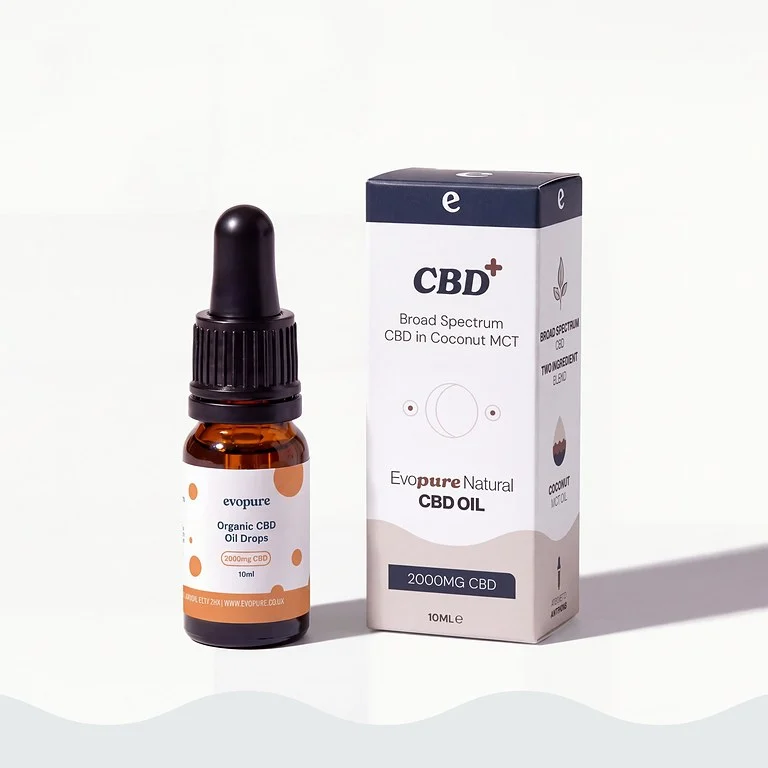
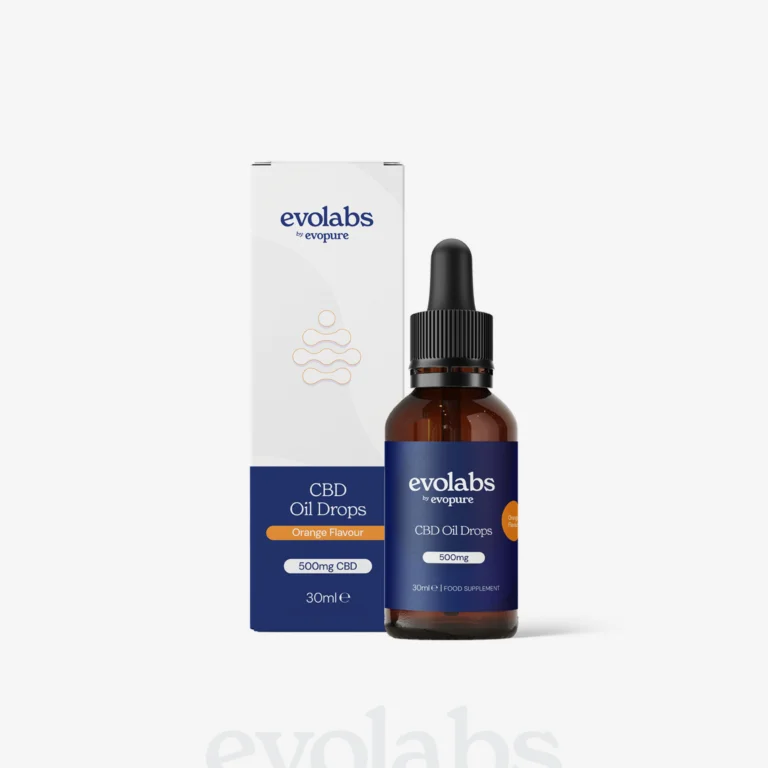
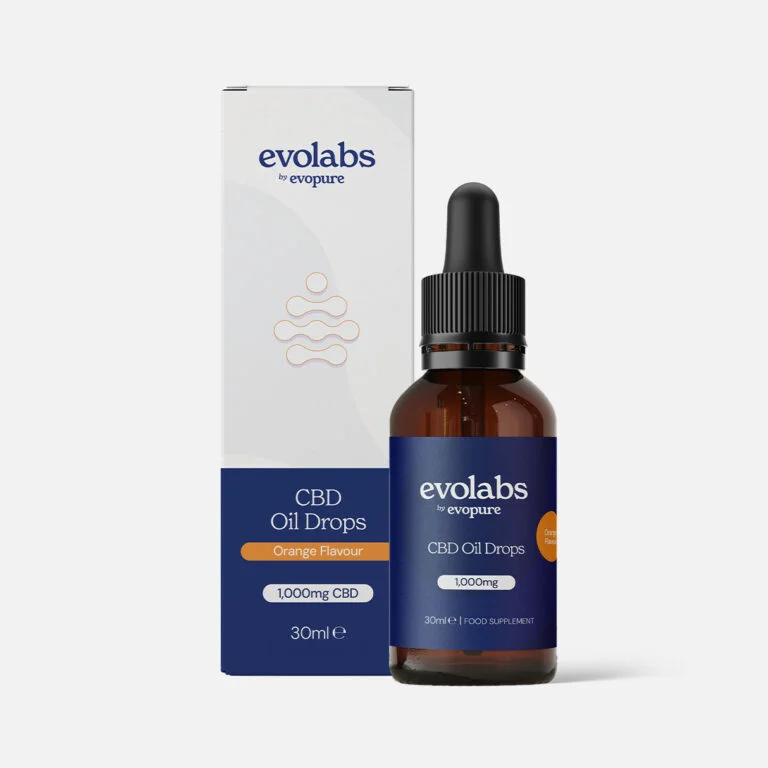
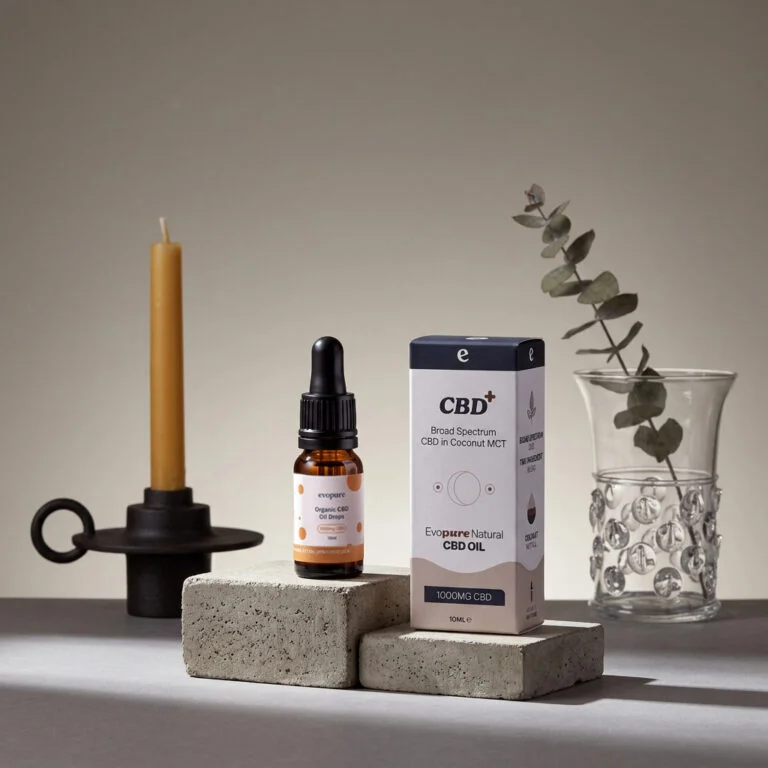
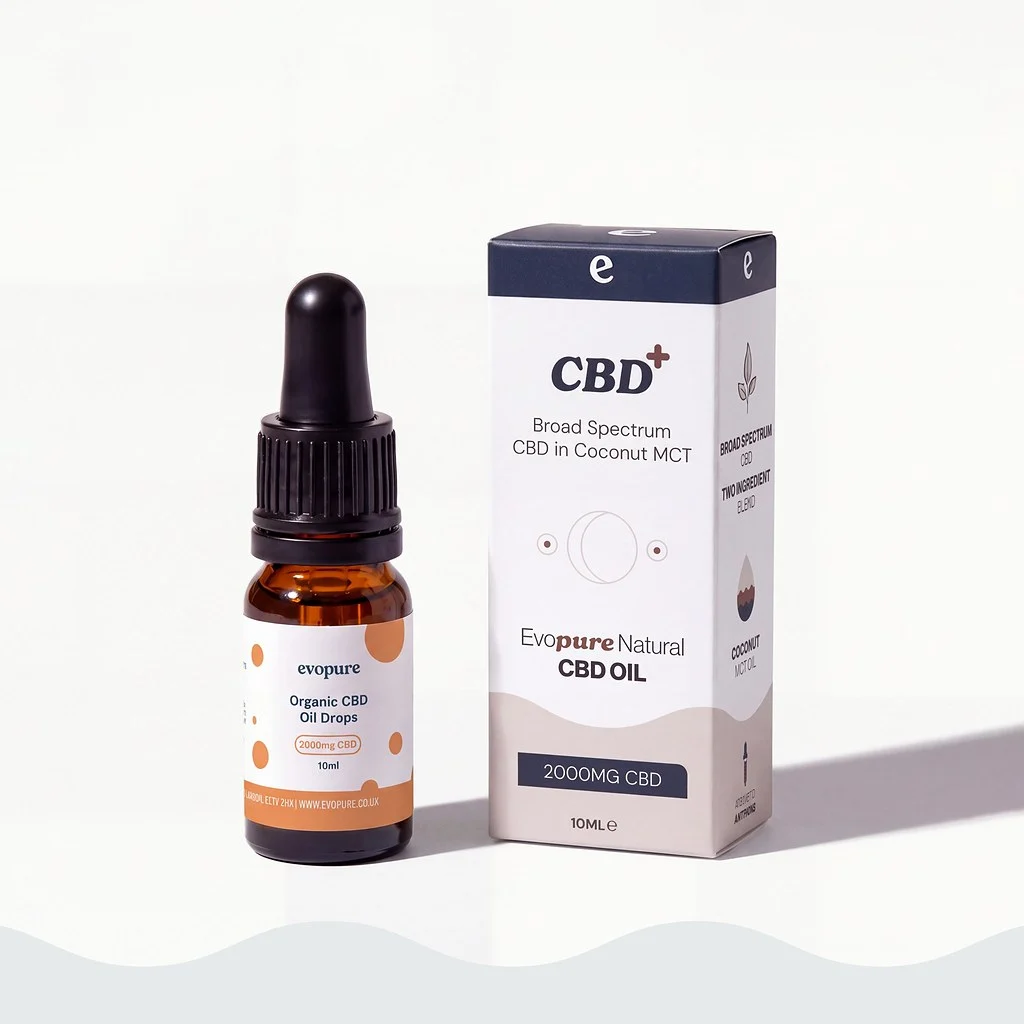
CBD Oil Broad Spectrum
Broad Spectrum CBD Oil is just broad spectrum CBD and organic MCT oil, in 500mg, 1,000mg or 2,000mg. About 4, 2 or 1 drop gives 10mg.
Add Broad Spectrum CBD Oil 500mg to bag or choose another strength
Broad spectrum with 0% THC, every batch third-party lab tested, made in the UK. For adults only. We don’t recommend our products during pregnancy or breastfeeding. Free UK delivery over £45.
Subscribe from £18.74One-off from £24.99
View productWhy the dose matters so much
Most of what we know about CBD side effects comes from prescription use. Epidyolex is given at 10mg to 25mg per kilogram of body weight a day, roughly 700mg to 1,750mg for a 70kg adult.
The FSA’s advice for healthy adults is 10mg a day, around 4 to 5 drops of a 5% oil. That is about one seventieth of the lowest prescription maintenance dose. Far fewer trials have used supplement doses, so side effects at these amounts are less well documented, one reason the FSA’s figure is cautious. See how much CBD to take and the 10mg guidance explained.
Can CBD make you feel worse?
Some people do, usually for one of four reasons:
- The dose is too high for you. Tiredness, an upset stomach or a headache usually ease when you take less.
- Something else is adding to it. Alcohol, sleeping tablets and other sedating medicines can add to CBD’s drowsiness.
- The product contains THC. CBD itself doesn’t make you high. Feeling high, anxious, paranoid or racy suggests THC; see does CBD get you high?
- It is something else. If you feel unwell in a way that doesn’t fit, stop and speak to a pharmacist or GP.
iCBD isn’t a treatment for anxiety or any other condition, so if your symptoms are getting worse, speak to your GP rather than adjusting your CBD.
Can you overdose on CBD?
A dangerous overdose is very unlikely: in a trial, healthy volunteers tolerated single doses of up to 6,000mg. But “too much” is still possible, causing unpleasant side effects. If someone has taken a large amount of a product that might contain THC, especially a child, call 111 for advice, or 999 if they’re very drowsy, confused or struggling to breathe. For whether CBD is habit-forming, see is CBD addictive?
What happens if you take too much?
- Strong drowsiness and feeling “heavy”
- Diarrhoea, nausea or an upset stomach
- Light-headedness: in nine healthy men, a single 600mg dose lowered resting blood pressure by about 6mmHg and raised heart rate. See CBD and heart palpitations
These usually wear off within hours (in trials, blood levels peaked 4 to 5 hours after a dose). Rest, drink water, don’t drive, and take less next time.
CBD and the liver
At high doses, CBD can raise liver enzymes. In a 2021 study of 16 healthy adults taking 1,500mg a day for about three and a half weeks, 7 had raised levels of the liver enzyme ALT, and in 5 they rose above five times the normal limit. The rises began within 2 to 4 weeks, and the researchers couldn’t predict who would react.
With prescription CBD, the risk is much higher alongside the epilepsy medicine valproate. In the Epidyolex trials, ALT rose above three times the normal limit in 23% of patients taking both valproate and clobazam and 19% taking valproate alone, compared with 3% taking neither.
UK experts say liver effects are the main concern above the 10mg provisional limit, which is a big part of why the FSA set it. Our guide to CBD and liver enzymes explains what raised enzymes mean and the warning signs. Avoid CBD if you have liver disease, unless your doctor agrees.
Does CBD interact with medication?
It can, and for anyone on regular medicines this matters most. In short:
- How your body clears CBD. CBD is broken down mainly by the liver enzymes CYP2C19 and CYP3A4. Strong inducers of these lower CBD levels: the antibiotic rifampicin cut CBD by about 30% and its active breakdown product by about 60%.
- How CBD affects other medicines. CBD can raise levels of some medicines. The clearest example is clobazam, whose active breakdown product rose 3 to 4 times in healthy volunteers. The Epidyolex leaflet also names omeprazole, warfarin, everolimus, tacrolimus, sirolimus, digoxin and caffeine as examples of medicines that may be affected.
- Not every enzyme. CBD is often said to block CYP3A4, the enzyme behind most grapefruit warnings. In people, though, it didn’t change levels of midazolam, a standard test medicine for that enzyme. So a grapefruit warning is a reason to ask, not a reliable test.
Most of this comes from prescription doses, and how much it matters at 10mg a day is less clear. That is why the FSA advises people taking any medication not to use CBD unless under medical direction, and why older adults on several medicines should speak to a pharmacist first. Full guide: can CBD interact with medication? On antibiotics, see CBD and antibiotics.
Side effects from mislabelled products
Some side effects blamed on CBD come from what else is in the bottle. When researchers tested 29 widely available UK CBD products, only 11 (38%) were within 10% of the CBD content on the label, and 55% contained measurable THC or cannabinol (CBN), both controlled substances.
THC can cause the high or anxious feelings that CBD alone doesn’t, and it can show up on a drug test. Choose products with a recent, batch-matched report from an independent lab; here is how to read a CBD lab report. Evopure’s CBD oils and capsules are broad spectrum with 0% THC and third-party tested, with reports on our lab testing page.
Long-term side effects: what we don’t know yet
Quite a lot. When the UK’s Advisory Committee on Novel Foods and Processes and Committee on Toxicity set the provisional 10mg limit in October 2023, they noted the animal studies were relatively short term. So they added an extra threefold safety margin for lifelong daily use, on top of the standard 100-fold margin, and flagged data gaps on reproduction, development and the immune system.
The FSA’s consumer advice puts it simply: the more CBD you take over your lifetime, the more likely you are to develop long-term adverse effects, such as liver damage or thyroid issues. In December 2025 the same experts reviewed a French proposal to classify CBD as a reproductive toxicant. They kept the 10mg figure and noted that possible effects occurred at doses significantly higher than the provisional limit.
If you have kidney disease or a transplant, read CBD and the kidneys first.
CBD side effects for men and women
Men
The main question for men is fertility. A 2020 review of 32 studies, mostly in mice, rats and monkeys, linked CBD to smaller testes, fewer sperm-producing cells, lower fertilisation rates and hormone changes (Carvalho et al.). The picture isn’t consistent: the Epidyolex leaflet reports no effect on rats’ ability to reproduce at up to 150mg per kilogram a day, and there is no human data. The FSA’s labelling guidance says CBD is not suitable for men or women trying to conceive.
Women
The FSA advises against CBD during pregnancy and breastfeeding, and animal studies of prescription CBD showed reproductive toxicity. We don’t recommend our products during pregnancy or breastfeeding. See CBD in pregnancy. Otherwise, the side effects above apply to women and men alike.
Who should avoid CBD
As a precaution, the FSA doesn’t recommend CBD for these groups unless under medical direction:
- Under-18s (all our products are for adults only)
- People who are pregnant or breastfeeding
- Men and women trying to conceive
- People taking any medication (or who are immunosuppressed)
We would add people with liver disease, unless their doctor agrees, and anyone who needs to pass drug tests, unless the product has no detectable THC.
What to do if you get side effects
- Lower the dose. Most side effects are dose related. Drop back to where you felt fine, or split your dose across the day.
- Keep food consistent. Food may settle your stomach, but a high-fat meal raised the amount absorbed about four- to five-fold in one trial, so a switch to taking it with big meals may bring side effects on.
- Try the evening if it makes you sleepy, and avoid alcohol and other sedatives.
- Stop if side effects don’t settle at a lower dose, and speak to a pharmacist or GP. Call 111 if you’re worried, or 999 in an emergency.
- Report it. The MHRA’s Yellow Card scheme is set up for medicines and medical devices, but the MHRA has said its cannabidiol records cover unlicensed products and food supplements too, so you can report a suspected side effect from a CBD oil there. For a problem with the product itself, such as a misleading label, use the FSA’s report a food problem page, and tell the brand.
To weigh side effects against the research, see our CBD benefits list and the evidence at a glance.
The FSA’s 10mg a day figure is precautionary advice rather than a legal limit, set while longer-term safety research continues. At Evopure we think it is a very cautious figure, and many adults use more. If you go above it, increase slowly, and check with your GP or pharmacist first if you take any medication.
Related guides
- Feeling nothing at all is common too; our guide to why you don’t feel CBD explains why.
- If you have an operation coming up, read our guide to CBD before surgery and tell your surgical team.
- CBD doesn’t cause a high; for how its side effects compare with THC’s, see CBD vs THC.
- One drop of a 20% oil already holds about 10mg, so read what counts as high strength CBD oil before you choose a bottle.
- If you decide to stop, our guide to how long CBD oil stays in your system explains how quickly it clears.
- For the everyday side of it, our guide to what CBD feels like covers what people commonly notice and what is less common.
- Pouches add a gum question of their own: see are CBD pouches safe.
- If you feel sleepy after CBD, try taking it in the evening instead: see should you take CBD in the morning or at night.
- If you’re over 60 and thinking about CBD for your joints, see CBD for arthritis if you’re over 60.
- Drowsiness and dizziness matter more in later life; see is CBD safe for older adults? for what to watch for.
Sources 8
- Chesney E et al. Adverse effects of cannabidiol: a systematic review and meta-analysis of randomized clinical trials. Neuropsychopharmacology, 2020.
- Taylor L et al. A phase I, randomized, double-blind, placebo-controlled, single ascending dose, multiple dose, and food effect trial of the safety, tolerability and pharmacokinetics of highly purified cannabidiol in healthy subjects. CNS Drugs, 2018.
- Watkins PB et al. Cannabidiol and abnormal liver chemistries in healthy adults: results of a phase I clinical trial. Clin Pharmacol Ther, 2021.
- Liebling JP et al. An analysis of over-the-counter cannabidiol products in the United Kingdom. Cannabis Cannabinoid Res, 2022.
- Jadoon KA et al. A single dose of cannabidiol reduces blood pressure in healthy volunteers in a randomized crossover study. JCI Insight, 2017.
- emc. Epidyolex 100mg/ml oral solution: summary of product characteristics.
- GOV.UK (FSA). Consumer advice on cannabidiol (CBD).
- GOV.UK (ACNFP and COT). Provisional cannabidiol (CBD) acceptable daily intake (ADI), October 2023.