Last updated: 18 November 2026
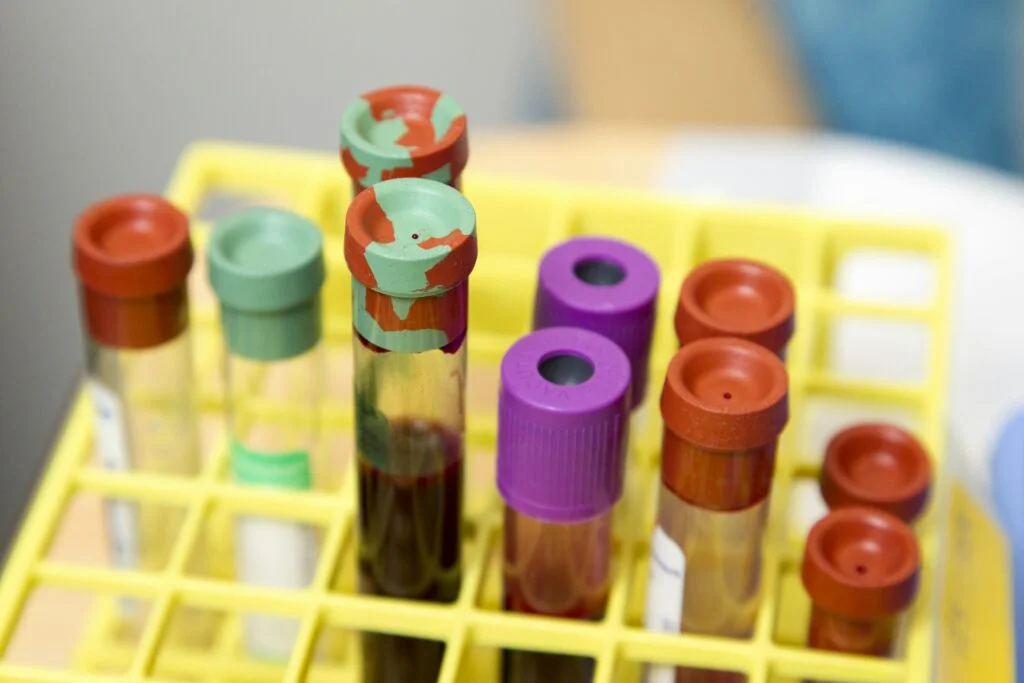
Should you stop CBD before a blood test? For a routine NHS test there’s usually no need, unless your GP or nurse asks you to. Tell them, and the person taking your blood, that you take CBD, and follow any fasting instructions, which means no oil or capsules until afterwards. CBD can affect liver test results.
Below: whether CBD shows up in routine bloods, what the evidence says about CBD and liver function tests, fasting tests, INR checks if you take warfarin, diabetes checks and exactly what to tell the person taking your blood. This is general information, not medical advice.
Should you stop CBD before a blood test?
The NHS says the GP, nurse or specialist should tell you if you need to do anything to prepare for a blood test. For some tests that means not eating or drinking anything except water for a short time beforehand, and for a few it means stopping certain medicines, such as anticoagulants, but only when you’re told to.
So the simple rule is: do what the person who booked the test tells you, and make sure they know you take CBD. If they haven’t mentioned CBD and you’re not sure, ring the surgery or ask a pharmacist before the day. Don’t stop or change any prescribed medicine to prepare for a test unless a doctor or nurse has asked you to.
Telling them matters more than stopping. CBD can affect some results, liver tests in particular, and a doctor who doesn’t know you take it may go looking for another cause. Never leave CBD off the list because you think it doesn’t count. It is a food supplement, and NHS medicine pages, such as the one for warfarin, ask you to tell your doctor about supplements and herbal remedies as well as medicines.
Does CBD show up in a routine blood test?
No. A blood test only measures what has been asked for on the form. The NHS lists the common types as a full blood count, blood glucose, urea and electrolytes (kidney tests), a lipid profile (cholesterol), total protein and thyroid tests. None of these looks for CBD or cannabis.
Testing for drugs is a separate test that has to be requested, and workplace tests mostly use urine or saliva. Those tests look for THC, the part of cannabis that causes a high, not CBD. Our guide to CBD and drug tests explains how they work and why a product with no detectable THC matters. For how long CBD itself stays in your body, see how long CBD stays in your system.
So a routine test won’t “find” your CBD. That is exactly why you need to tell the person taking your blood yourself.
CBD and liver function tests
This is the result most likely to be affected. A liver blood test usually measures enzymes such as ALT and AST. Lab Tests Online UK, run by UK laboratory medicine bodies, describes ALT as the best test for detecting hepatitis and notes that many over-the-counter drugs and herbal or dietary supplements can affect the liver.
The clearest official source is the UK product information for Epidyolex, the prescription form of CBD (text revised 8 June 2026, checked 17 November 2026). It says:
- CBD can cause dose-related rises in the liver enzymes ALT and AST, usually in the first two months of treatment.
- In controlled studies at 10 to 25mg per kg of body weight a day, ALT rose above 3 times the upper limit of normal in 12% of people taking CBD, compared with under 1% on placebo.
- Most rises happened in people also taking valproate, an epilepsy medicine. The rate was 3% in people taking neither valproate nor clobazam.
- Doctors should check ALT, AST and bilirubin before starting, then at 1, 3 and 6 months.
Those are much bigger amounts than a food supplement. For a 70kg adult, 10mg per kg a day is about 700mg of CBD, which is 70 times the FSA’s 10mg a day advice. The FSA’s scientific advisers say liver effects and drowsiness are the main concerns at intakes above the 10mg a day level.
| Study | CBD a day | Who took part | Liver finding |
|---|---|---|---|
| Epidyolex trials (product information) | 10 to 25mg per kg (about 700mg or more for 70kg) | People with severe epilepsy | ALT over 3 times normal in 12%, mostly with valproate |
| Watkins 2021 | 1,500mg | 16 healthy adults | ALT above normal in 7; over 5 times normal in 5 |
| Florian 2025 (US FDA trial) | 5mg per kg (about 350mg for 70kg) | 201 healthy adults | ALT or AST over 3 times normal in 5.6%, none on placebo |
| Kaufmann 2023 (observational) | About 50mg on average | 839 adults using CBD products | Raised ALT in 9.1%, similar to the general adult rate of 8.9% |
Two honest caveats. The 2023 study had no comparison group and recruited people through CBD companies, with authors who consult for the industry, so it can’t prove low doses are harmless. And no trial has tested 10mg a day over the long term. We can’t tell you CBD has no effect on your liver, which is one more reason to tell your GP you take it. For the full picture, read is CBD bad for your liver?
If your liver results come back raised: tell your GP you take CBD, how much and for how long. Liver enzymes can also rise after hard exercise, alcohol and some medicines, so they will look at the whole picture. They may suggest stopping CBD and repeating the test. Follow their advice, and keep taking prescribed medicines unless they tell you otherwise.
Fasting blood tests: skip your CBD that morning
If you’ve been told to fast, the NHS says that means not eating or drinking anything other than water. A CBD oil is a food: ours is CBD in MCT oil, which is a fat. Our capsules contain inulin, a plant fibre. So on a fasting morning, take nothing but water and have your CBD after the test, unless the person who booked it says otherwise.
Not every test needs fasting. For a cholesterol test, the NHS says you might be asked not to eat for up to 12 hours, but most people don’t need to fast. Check the instructions on your appointment letter or text, and if they don’t mention fasting, ask the surgery.
Warfarin and INR tests
iIf you take warfarin, you’ll have regular INR blood tests to check how quickly your blood clots. The NHS says to tell your doctor about any other medicines, herbal remedies, vitamins or supplements, and to speak to your doctor before starting anything new.
CBD is a real consideration here. In published case reports, people taking prescription CBD alongside warfarin had INR rises and needed their warfarin dose lowered, by nearly 20% in one case. Tell your anticoagulant clinic before you start, stop or change CBD so they can plan your INR checks, and keep your amount steady between tests. Our guide to CBD and blood thinners covers warfarin, apixaban and others in detail.
Diabetes and other regular blood checks
Many of our customers have regular blood tests as part of an annual review. CBD isn’t known to change these tests directly, but the medicines they monitor can matter, so tell the nurse or GP at each review:
- Type 2 diabetes: if you take metformin, see CBD and metformin. CBD isn’t a treatment for diabetes or blood sugar.
- Thyroid tests: if you take levothyroxine, see CBD and levothyroxine.
- Cholesterol: if you take a statin, see CBD and statins.
- Kidney tests: see is CBD harmful to the kidneys?
iTaking several medicines? Our guide to whether CBD can interact with medication explains why the liver enzymes that clear many medicines matter, and a pharmacist can check your whole list in one go.
What to tell the person taking your blood
Tell the nurse or phlebotomist taking your blood that you take CBD, and make sure your GP knows too, so it is on your record when the results come back. Keep it short:
- What you take: the product name and type, for example “broad spectrum CBD capsules”.
- How much: for example “one 10mg capsule a day” or “10mg, about 0.2ml of a 500mg oil”.
- How long you’ve taken it, and whether you started or changed the amount recently.
- Whether you took any today, especially before a fasting test.
A photo of the label on your phone is the easiest way to give the details. Mention CBD at medication reviews and before any operation too; see CBD before surgery. If you’re unsure whether CBD suits you alongside your medicines, ask a pharmacist, who can check without an appointment.
Giving blood if you take CBD
NHS Blood and Transplant has its own entry for CBD in its donor eligibility pages (checked 18 November 2026). It says you may donate if you take CBD by mouth, you are well, you have no side effects from it, you are not waiting for any investigation or follow-up, and the reason you take it doesn’t itself stop you donating. That last point matters: NHSBT asks you to look up the underlying reason separately, because some health conditions and medicines affect who can give blood.
Its separate entry on cannabis says nobody can donate while under the influence of cannabis, which staff assess at the session. If you’re not sure, call the NHSBT helpline on 0300 123 23 23 before your appointment, and tell the staff at the session that you take CBD.
If your GP is happy for you to carry on
Keep your amount steady and simple so that any change in your results is easy to read. The FSA’s 10mg a day figure is precautionary advice rather than a legal limit, set while longer-term safety research continues. At Evopure we think it is a very cautious figure, and many adults use more. If you go above it, increase slowly, and check with your GP or pharmacist first if you take any medication.
A measured dose that’s easy to tell your GP about
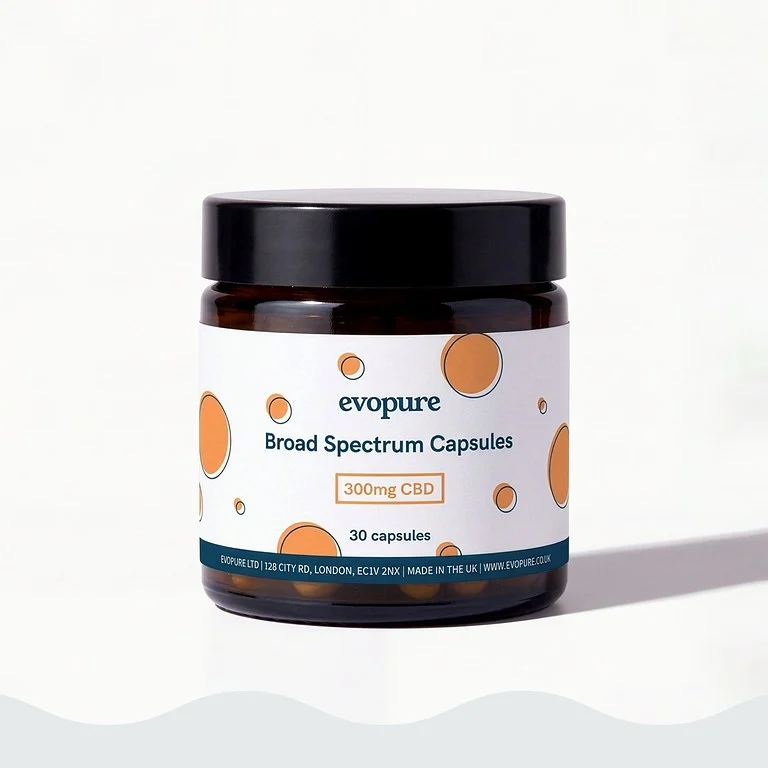
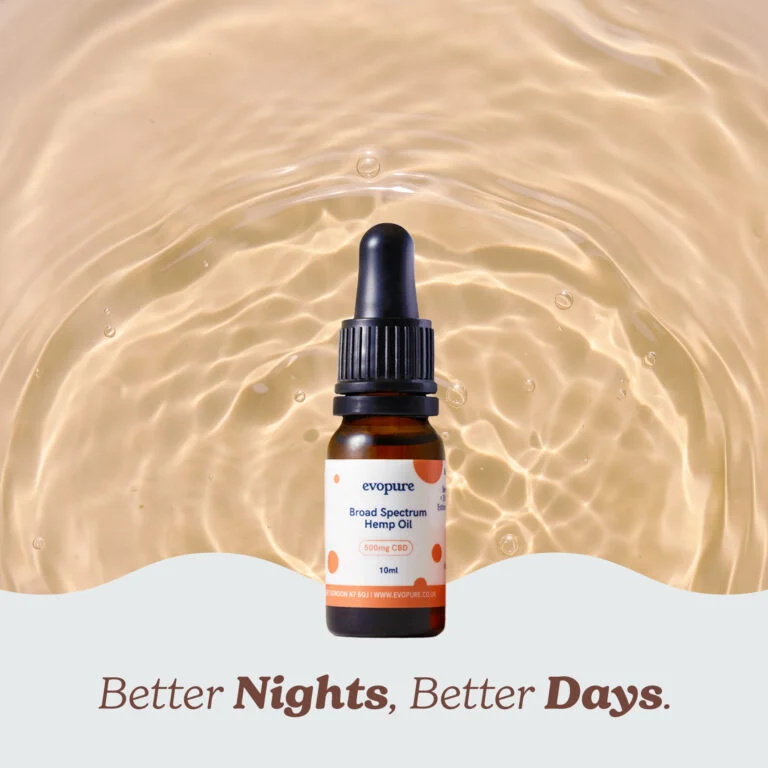
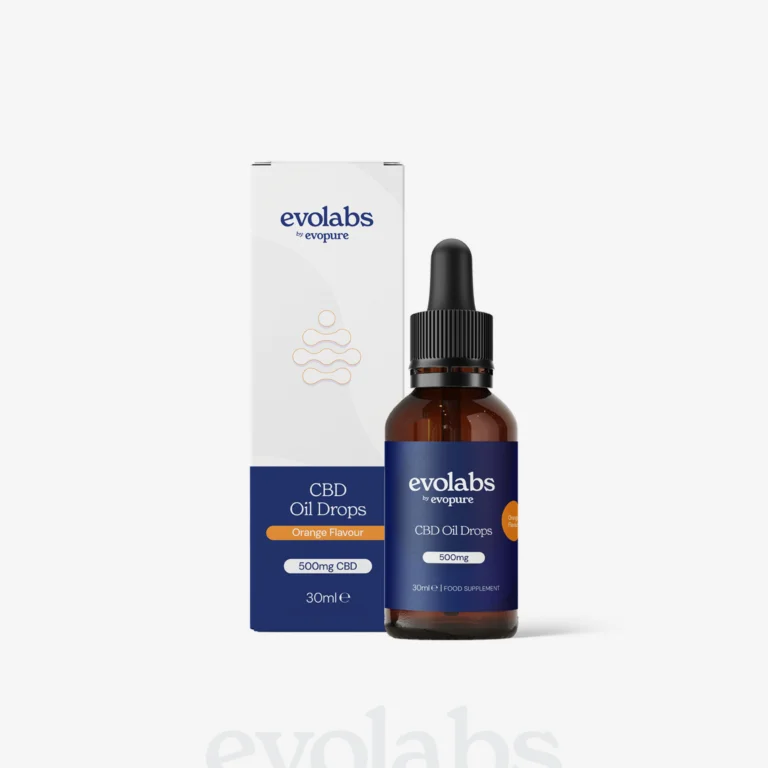
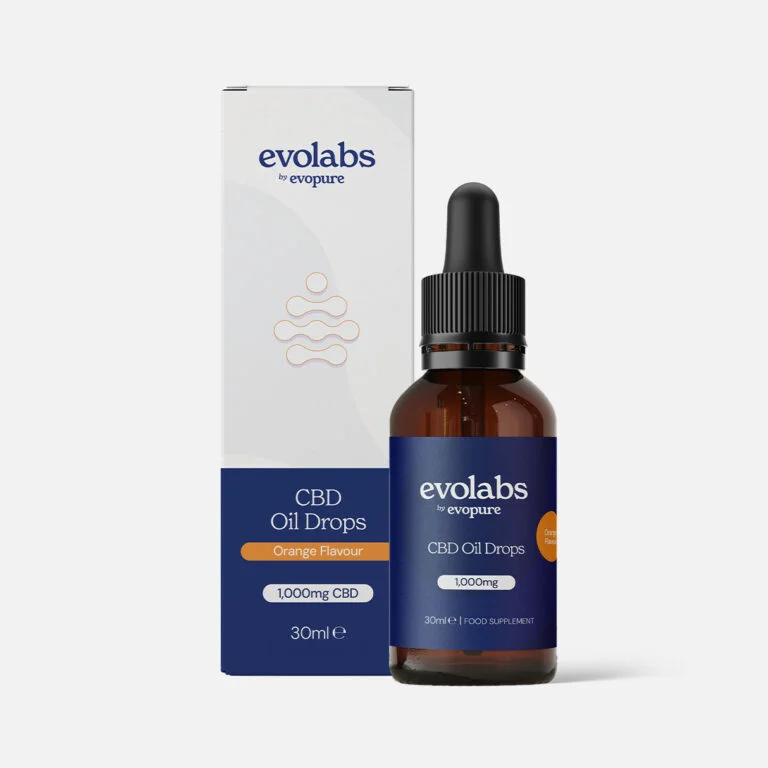
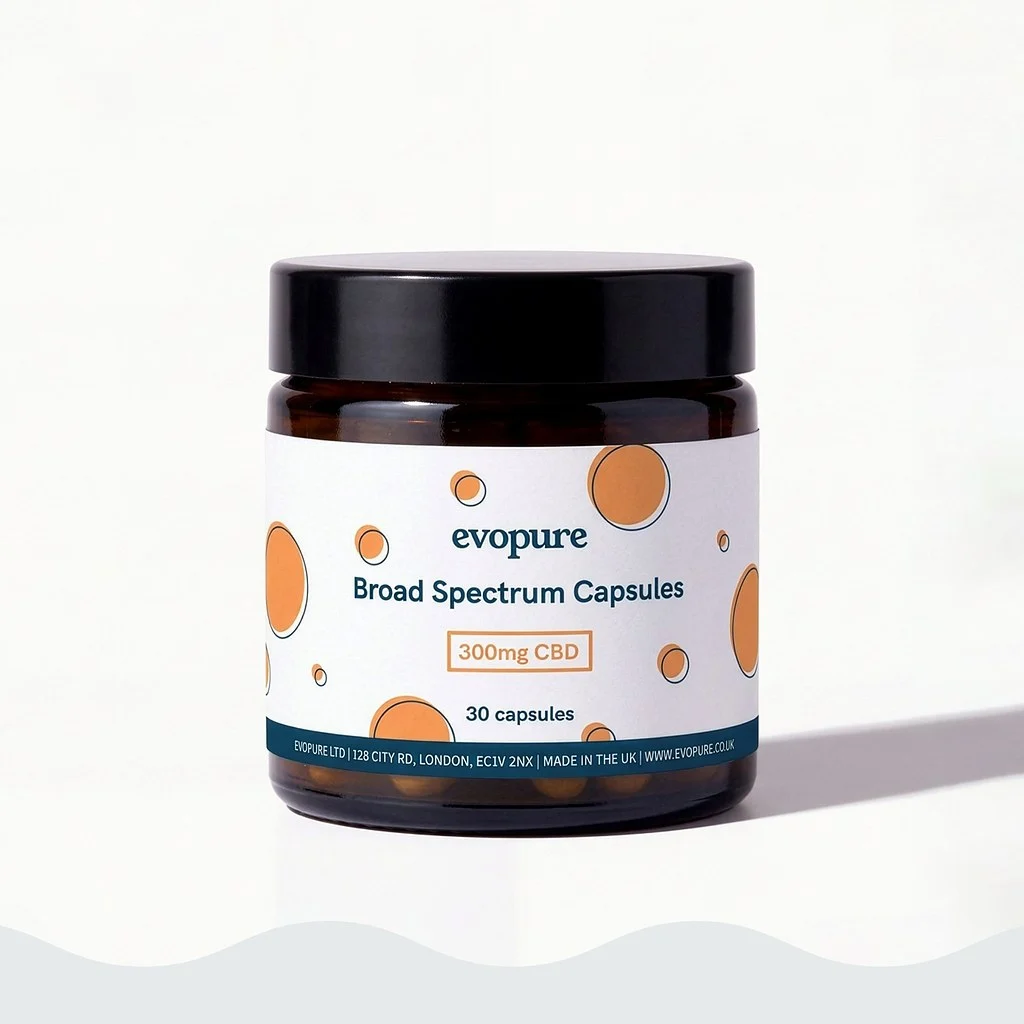
our Broad Spectrum CBD Capsules give one 10mg capsule, with nothing to work out (rated 4.7 from 126 ratings). Prefer drops? Broad Spectrum CBD Oil is CBD and MCT oil only: 10mg is about 0.2ml of the 500mg oil (rated 4.7 from 43 ratings). Both have 0% THC, are vegan, made in the UK from US-grown hemp, third-party lab tested and on the FSA public list.
Add Broad Spectrum CBD Capsules 10mg to bag or choose another strength
Add Broad Spectrum CBD Oil 500mg to bag or choose another strength
Subscribe and save 25% on your first order, then 20%. New to Evopure? Join our emails for 20% off a one-off first order. Free UK delivery over £40. The FSA advises healthy adults to take no more than 10mg of CBD a day. Adults only. If you take any regular medicines, check with your GP or pharmacist first. We don’t recommend our products during pregnancy or breastfeeding.
Batch reports for our CBD are available on request via our lab testing page. Comparing options? See best CBD oil for over 50s, CBD for older adults and our CBD dosage guide.
Sources 12
- NHS. Blood tests. Reviewed 2 November 2023; checked 17 November 2026.
- NHS. Cholesterol levels. Reviewed 13 March 2026.
- NHS. Warfarin. Reviewed 24 February 2026.
- Lab Tests Online UK (Association for Laboratory Medicine). Liver blood tests. Reviewed 18 May 2021.
- emc. Epidyolex 100 mg/ml oral solution: summary of product characteristics (sections 4.2, 4.4 and 4.8). Revised 8 June 2026; checked 17 November 2026.
- Food Standards Agency (GOV.UK). Cannabidiol (CBD) guidance. Updated 28 August 2026.
- ACNFP and COT (GOV.UK). Provisional CBD acceptable daily intake: lay summary. Published 12 October 2023.
- Watkins PB et al. Cannabidiol and abnormal liver chemistries in healthy adults: results of a phase I clinical trial. Clin Pharmacol Ther, 2021. PMID 33022751.
- Florian J et al. Cannabidiol and liver enzyme level elevations in healthy adults: a randomized clinical trial. JAMA Intern Med, 2025. PMID 40622698.
- Kaufmann R et al. Observed impact of long-term consumption of oral cannabidiol on liver function in healthy adults. Cannabis Cannabinoid Res, 2023. PMID 34918948.
- Cortopassi J. Warfarin dose adjustment required after cannabidiol initiation and titration. Am J Health Syst Pharm, 2020. PMID 33016308.
- NHS Blood and Transplant. Donor eligibility: CBD and Cannabis use. Checked 18 November 2026.
General information, not medical advice. Always follow the instructions from the GP, nurse or clinic that booked your test.