Last updated: October 2026
In blood-level studies, CBD oil drops and capsules both reach their peak in the blood about four hours after a dose, and holding drops under the tongue made no measurable difference in a UK trial. With daily use, levels settle after about two days. Taking CBD with food raises how much you absorb several times over.
iBelow: what the research measures, first dose vs regular use, food, how each format compares, the FSA’s 10mg a day advice, why CBD might not seem to “work”, and when to see your GP.
How long does CBD take to work? What the studies actually measure
Research can’t tell you when you will “notice something”. What it can measure is when CBD appears in the blood, when it peaks and how long it stays. More CBD in your blood is a measure of absorption, not a promise of how you will feel.
Planning ahead? Our CBD Black Friday deals run from 27 to 30 November.
Here is what the human studies show for CBD taken by mouth:
- Peak level: about 4 hours. A 2024 Loughborough University trial found CBD from oil peaked at around 4 hours after a dose, whether the oil was taken as drops or in capsules.
- A similar picture elsewhere. A 2018 review of 24 human studies found peaks within 0 to 4 hours (sooner after smoking), and a 2018 trial of pharmaceutical CBD found about 4 to 5 hours.
- Steady level with daily use: about 2 days in that 2018 trial.
What people report noticing varies a great deal, from nothing at all to a little drowsiness. Expectation plays a part too: in a 2021 study, adults given CBD-free oil but told it contained CBD reported feeling more sedated. That is why we don’t give a “you’ll feel it in X minutes” figure. Our guide to what CBD feels like covers what people commonly describe.
Our pick
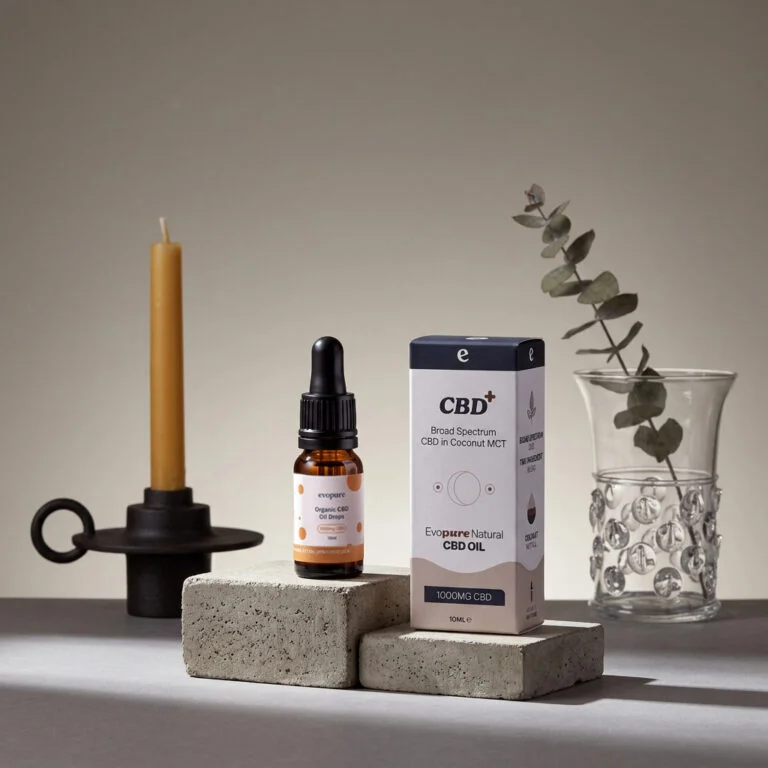
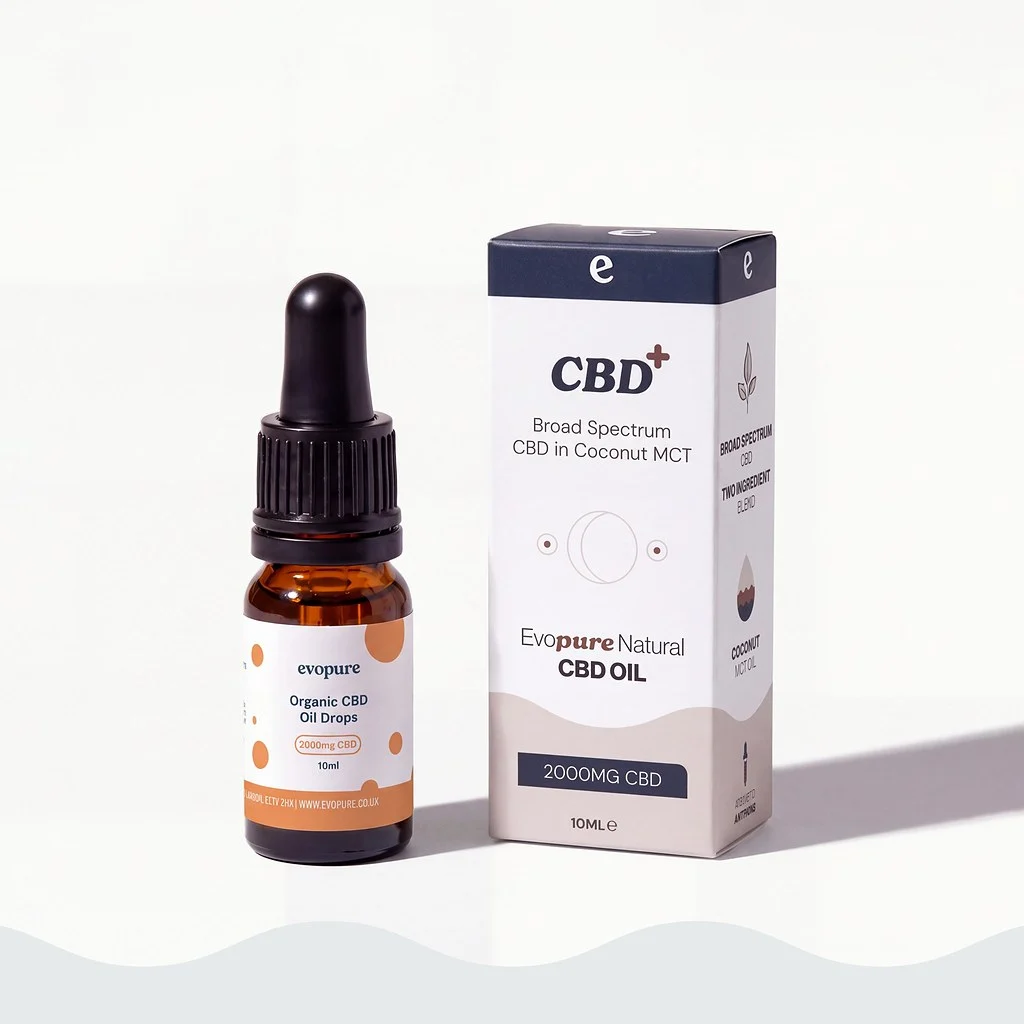
CBD Oil Broad Spectrum
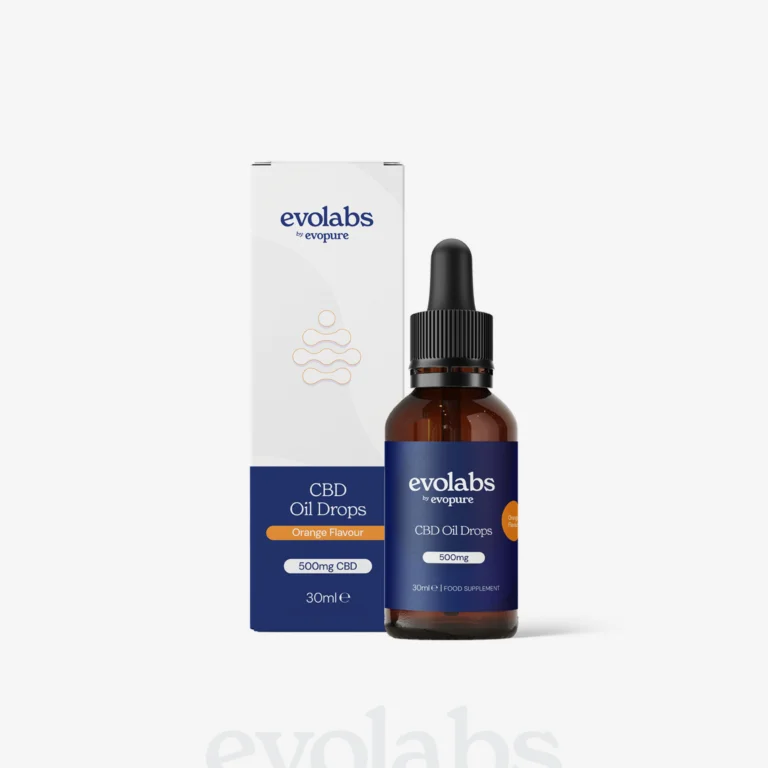
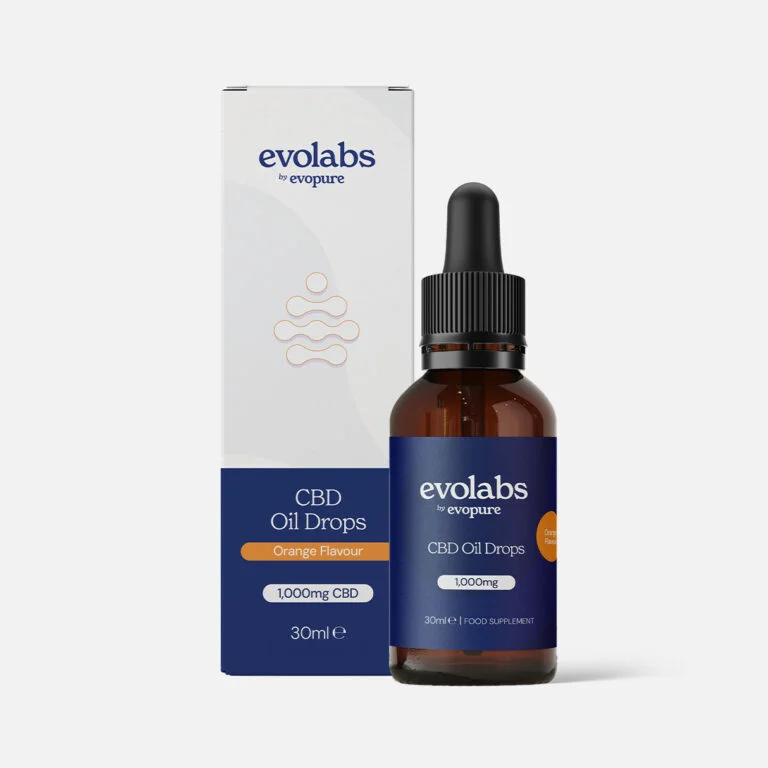
Broad Spectrum CBD Oil is just broad spectrum CBD and organic MCT oil, in 500mg, 1,000mg or 2,000mg. About 4, 2 or 1 drop gives 10mg.
Add Broad Spectrum CBD Oil 500mg to bag or choose another strength
Broad spectrum with 0% THC, every batch third-party lab tested, made in the UK. For adults only. We don’t recommend our products during pregnancy or breastfeeding. Free UK delivery over £45.
Subscribe from £18.74One-off from £24.99
View productDo CBD drops under the tongue work faster than capsules?
Probably not, according to the best evidence we have. Many guides, including earlier versions of this one, say drops held under the tongue work in 15 to 45 minutes while capsules take 1 to 2 hours. A controlled trial doesn’t support that.
In the 2024 Loughborough study, eight healthy men took the same CBD oil in three blinded sessions: as drops under the tongue, inside capsules, or as a placebo. Blood was sampled every hour for six hours and again at 24 hours. Blood levels were not different between drops and capsules: the peak, the timing of the peak (about 4 hours for both) and the total amount absorbed were all similar. The researchers concluded that the drops were most likely swallowed before much CBD could be absorbed through the lining of the mouth.
It was a small study in men only, so it isn’t the final word, but it is the most direct comparison available. In practice: hold drops under your tongue if you like, but don’t worry if you swallow sooner; a capsule isn’t a slower option; and taking CBD with a meal makes a far bigger difference than the format (see food below).
For the step-by-step routine, see how to take CBD oil, and for the wider comparison of cost, taste and convenience, our guide to CBD oil vs capsules.
Oil, capsules, gummies, vapes and balms: how they compare
We have only included figures that come from published human studies. Where there is no good study, we say so rather than guess.
| Format | What studies show | Good to know |
|---|---|---|
| Oil drops | Peak blood level about 4 hours after a dose (Johnson 2024) | Mostly swallowed, even when held under the tongue. Easy to adjust a drop at a time. |
| Capsules | Peak about 4 hours, the same as drops of the same oil (Johnson 2024) | A fixed amount, no taste. See the best CBD capsules in the UK. |
| Gummies and edibles | We found no published blood-level studies of CBD gummies | They are swallowed, like capsules. Many contain sugar and look like sweets, so store them away from children. See CBD oil vs gummies. |
| Vapes (inhaled) | In a 1986 study, smoked CBD peaked in the blood about 3 minutes after use (cited in Millar 2018) | We don’t sell vapes. Vaping isn’t harmless and its long-term effects are unknown. Never put CBD oil drops in a vape. |
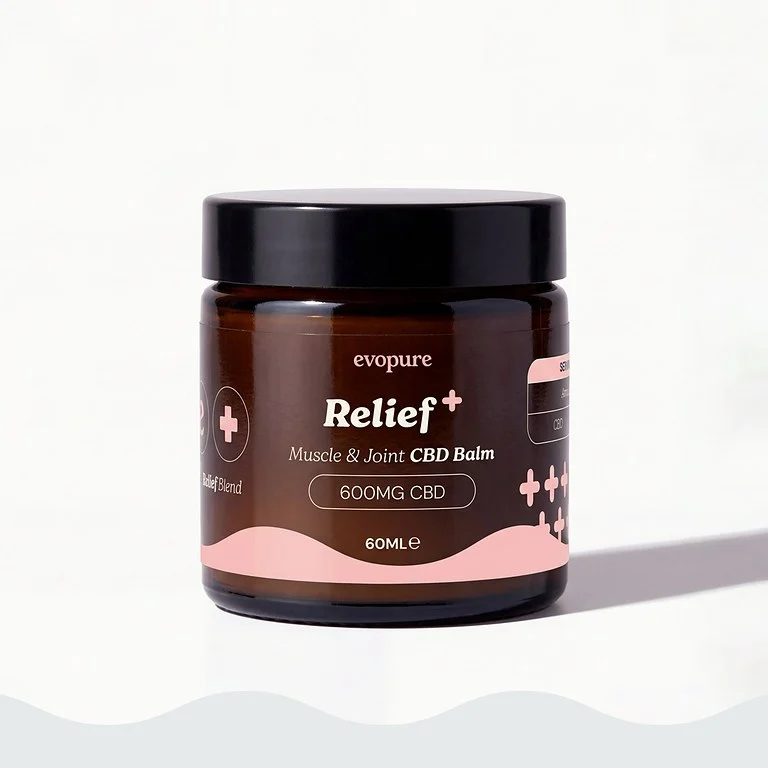
| Balms | Applied to the skin, not swallowed, so the oral timing studies don’t apply | Used on a specific area. See our CBD balm guide. |
A health note on vaping
Inhaling gets CBD into the blood fastest, but speed isn’t a reason to start vaping. The NHS says vaping is not completely harmless, its long-term effects are not yet known, and non-smokers should never vape. Oil drops are made to be swallowed, not heated: see can you vape CBD oil?
First dose vs regular use: why steady state matters
After a first dose, CBD rises in the blood over a few hours, peaks at around 4 hours, then falls. In the 2018 trial, the effective half-life of CBD with repeated dosing was about 10 to 17 hours, which means roughly half is cleared from the blood in that time. A smaller amount lingers much longer, with a final half-life of about 60 hours.
With regular daily use, each dose tops up what is left from the last one. In that trial, people taking CBD twice a day reached a steady level after about two days, with levels building to about 1.8 to 2.6 times those of a single dose. The researchers said the results supported twice-daily dosing. The doses used were far larger than in a food supplement, so treat this as a guide to the pattern rather than exact figures for drops.
What this means in practice:
- Day one isn’t a fair test. Your blood levels won’t have settled yet.
- Consistency matters more than the clock. Taking CBD at the same time each day, ideally with the same meal, keeps your levels predictable.
- Give it a fair trial. Many people keep the same amount and time for two to four weeks, with a simple diary, before deciding whether CBD suits them.
Wondering whether to take it in the morning or at night? See our guide to the best time to take CBD oil, which uses the same studies.
Food: the factor you control most
CBD dissolves in fat, and on an empty stomach the body absorbs very little of it. A 2020 review estimated that only about 6% of an oral dose reaches the bloodstream when fasting, and that this rises about fourfold with a high-fat meal. Controlled studies in healthy adults point the same way:
| Study | What was tested | Total CBD exposure vs empty stomach |
|---|---|---|
| Taylor et al, 2018 | 1,500mg pharmaceutical CBD, high-fat meal | About 4.2 times higher |
| Crockett et al, 2020 | 750mg pharmaceutical CBD, high-fat meal | 3.8 times higher |
| Crockett et al, 2020 | Same dose, low-fat meal | 2.7 times higher |
| Crockett et al, 2020 | Same dose, with whole milk | 2.4 times higher |
| Saals et al, 2025 | 70mg CBD from a hemp extract, high-fat meal | About 9.7 times higher (peak levels about 17 times higher) |
In the Taylor and Crockett trials, food raised how much CBD was absorbed but didn’t meaningfully change the time to peak, so eating doesn’t “slow CBD down”. These were mostly single, large doses, and absorption is not the same as effect.
You don’t need a fry-up. Even the low-fat meal and the whole milk in the Crockett trial raised absorption. Taking your drops or capsule with a normal meal is enough. If you prefer an empty stomach, do it the same way each time, and if you later switch to meals, adjust slowly. Our guide to CBD bioavailability goes deeper, and MCT vs hemp seed vs olive oil explains carrier oils.
How long does CBD last?
In blood terms, CBD peaks at about 4 hours and then falls, with about half cleared in 10 to 17 hours once you are taking it regularly. The 2018 systematic review reported a half-life of 2 to 5 days after long-term daily oral use, so traces can stay in your body for days after you stop.
There is no reliable study figure for how long people notice anything after a dose, so we won’t invent one. Many people take CBD once or twice a day and look at how their week goes rather than the hours after each dose.
If you are drug tested, the usual concern is THC rather than CBD. Our CBD products are broad spectrum with 0% THC. See how long CBD stays in your system and CBD and drug tests for the detail.
How much to take, and the FSA’s 10mg a day
The Food Standards Agency (FSA) sets a provisional acceptable daily intake of 10mg of CBD for healthy adults, and advises people taking medication to speak to a healthcare professional first. Add up every CBD product you use in a day.
| Evopure product | CBD per drop or capsule (about) | For 10mg |
|---|---|---|
| 500mg oil (5%, 10ml) | 2.5mg per drop | 4 drops |
| 1,000mg oil (10%, 10ml) | 5mg per drop | 2 drops |
| 2,000mg oil (20%, 10ml) | 10mg per drop | 1 drop |
| 10mg capsule | 10mg per capsule | 1 capsule |
Drop sizes vary a little, so treat these as close guides. A higher dose doesn’t make CBD peak any sooner. If you change the amount, do it slowly and give each step a week or two. Our CBD dosage guide has a drops chart for every Evopure oil, CBD oil strength explained covers mg and percentages, and the CBD daily limit in the UK explains the FSA advice in full.
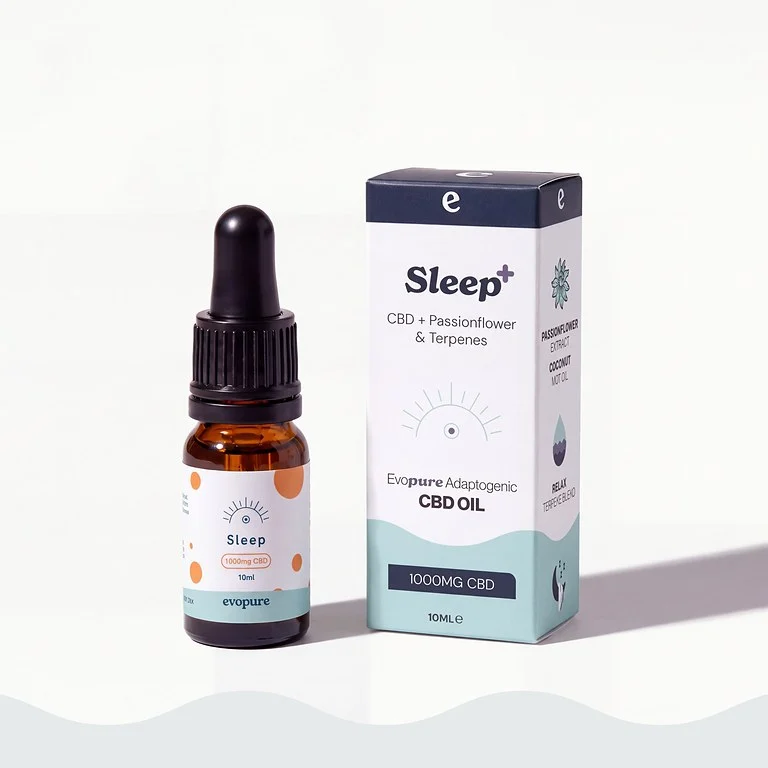
All our CBD products are broad spectrum with 0% THC, vegan, made in the UK and third-party lab tested. The Broad Spectrum CBD Oil is CBD in MCT oil and nothing else, the Broad Spectrum CBD Capsules come in 10mg or 25mg, and Sleep CBD Oil adds passion flower and a terpene blend.
The FSA’s 10mg a day figure is precautionary advice rather than a legal limit, set while longer-term safety research continues. At Evopure we think it is a very cautious figure, and many adults use more. If you go above it, increase slowly, and check with your GP or pharmacist first if you take any medication.
Why CBD might not seem to work
If you have tried CBD and noticed nothing, these are the usual reasons:
- Taking it on an empty stomach. With only about 6% absorbed when fasting, this is a common one. Try it with a meal.
- Judging too soon, or an irregular routine. Levels settle after a couple of days of regular use at a similar time.
- A very small amount. Check how much CBD is actually in each drop of your oil, not just the bottle total.
- Not knowing what’s in the bottle. A lab report shows the real CBD content: see our lab testing page.
- Expecting a medicine. CBD is sold as a food supplement. It isn’t a treatment for anxiety, sleep problems, pain or any other condition, and it won’t feel like a painkiller or a sleeping tablet.
Our guide to why CBD isn’t working for you goes through each of these, and can you build up a tolerance to CBD? covers whether it changes over time.
When to stop and see your GP
CBD is generally well tolerated, but it isn’t right for everyone. In the 2018 trial, the most common side effects were diarrhoea, nausea, headache and sleepiness, at doses far above those in food supplements.
- Stop and speak to your GP or pharmacist if side effects don’t settle or anything worries you.
- If you take any medication, check with your GP or pharmacist before you start. CBD can interact with some medicines; see CBD and medication.
- If you have a health problem such as low mood, anxiety, poor sleep or pain, see your GP, especially if it is getting worse. Don’t put off getting help while you wait to see whether CBD makes a difference.
- If you feel drowsy, don’t drive or operate machinery, and go easy on alcohol, which can add to drowsiness.
Our products are for adults (18+) only. We don’t recommend our products during pregnancy or breastfeeding, and the FSA also advises against CBD for anyone trying to conceive. Our CBD side effects guide explains what is normal.
Related guides
- How to choose the best CBD oil in the UK.
- Full spectrum vs broad spectrum vs isolate, and why we use broad spectrum.
- Timing is only half the picture. For what the research says CBD does and doesn’t do, read what CBD oil does to you.
- Some products claim faster effects because the CBD is water soluble; see our guide to water-soluble CBD for what the studies show.
- For how the anxiety studies were timed, see how fast does CBD work for anxiety?
- Choosing an oil for the evening? See our best CBD oil for sleep UK buying guide.
- Wondering how long the bottle itself lasts? See how long CBD oil lasts after opening.
Sources 9
- Johnson DA et al. Cannabidiol oil ingested as sublingual drops or within gelatin capsules shows similar pharmacokinetic profiles in healthy males. Cannabis Cannabinoid Res, 2024.
- Millar SA et al. A systematic review on the pharmacokinetics of cannabidiol in humans. Front Pharmacol, 2018.
- Taylor L et al. A phase I, randomized, double-blind, placebo-controlled, single ascending dose, multiple dose, and food effect trial of the safety, tolerability and pharmacokinetics of highly purified cannabidiol in healthy subjects. CNS Drugs, 2018.
- Crockett J et al. A phase 1, randomized, pharmacokinetic trial of the effect of different meal compositions, whole milk, and alcohol on cannabidiol exposure and safety in healthy subjects. Epilepsia, 2020.
- Perucca E, Bialer M. Critical aspects affecting cannabidiol oral bioavailability and metabolic elimination, and related clinical implications. CNS Drugs, 2020.
- Saals BADF et al. A high-fat meal significantly impacts the bioavailability and biphasic absorption of cannabidiol (CBD) from a CBD-rich extract in men and women. Sci Rep, 2025.
- Spinella TC et al. Evaluating cannabidiol (CBD) expectancy effects on acute stress and anxiety in healthy adults: a randomized crossover study. Psychopharmacology, 2021.
- Food Standards Agency. Cannabidiol (CBD) guidance. GOV.UK, updated August 2026.
- NHS Better Health. Vaping to quit smoking.