Last updated: 11 November 2026
The Winter Arc usually starts on 1 October and ends on 31 December, about 90 days, but there are no official rules, so you can start on any day, including mid-November. It’s a self-improvement challenge that went viral on TikTok in 2024: you build a few daily habits around sleep, training, food and focus to reach January ahead.
Below: where the trend came from, the 2026 dates, how to write rules you will actually keep, a realistic plan built on NHS advice, ideas for women, men and students, and how to avoid burning out before Christmas.
What is the Winter Arc?
The phrase was popularised by a self-development creator, Carly Berges, in a TikTok posted at the end of September 2024. Her idea was simple: there are roughly 90 days between 1 October and the end of the year, so use them. “Arc” is borrowed from TV and anime, where a character goes through a transformation over a run of episodes.
If low energy is holding you back, see our guide to the best supplements for energy, ranked by evidence.
While a lot of people slow down in the dark months and wait for New Year’s resolutions, the Winter Arc flips that. You pick a handful of habits, keep them quietly through the autumn and early winter, and arrive in January with momentum. It’s also called the “lock-in” challenge on social media.
At Evopure we like the idea, with one caveat: it works best as a consistency challenge, not a punishment. The Winter Arc isn’t about being perfect; it’s about doing the basics well when it’s cold and dark outside. Curious about CBD for your bedtime routine? Our guide to the best UK CBD oils for sleep compares oils and capsules side by side.
Our pick
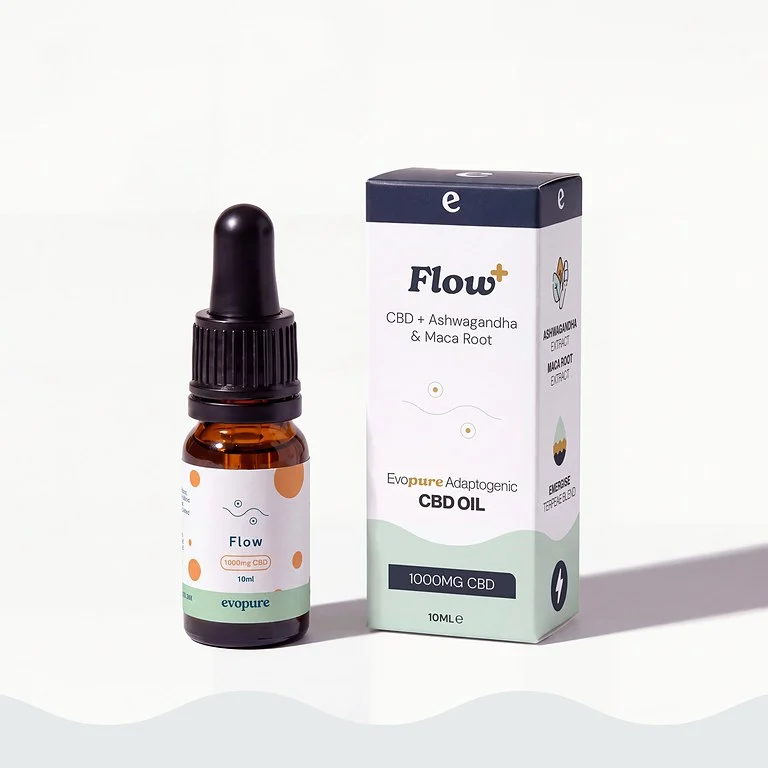
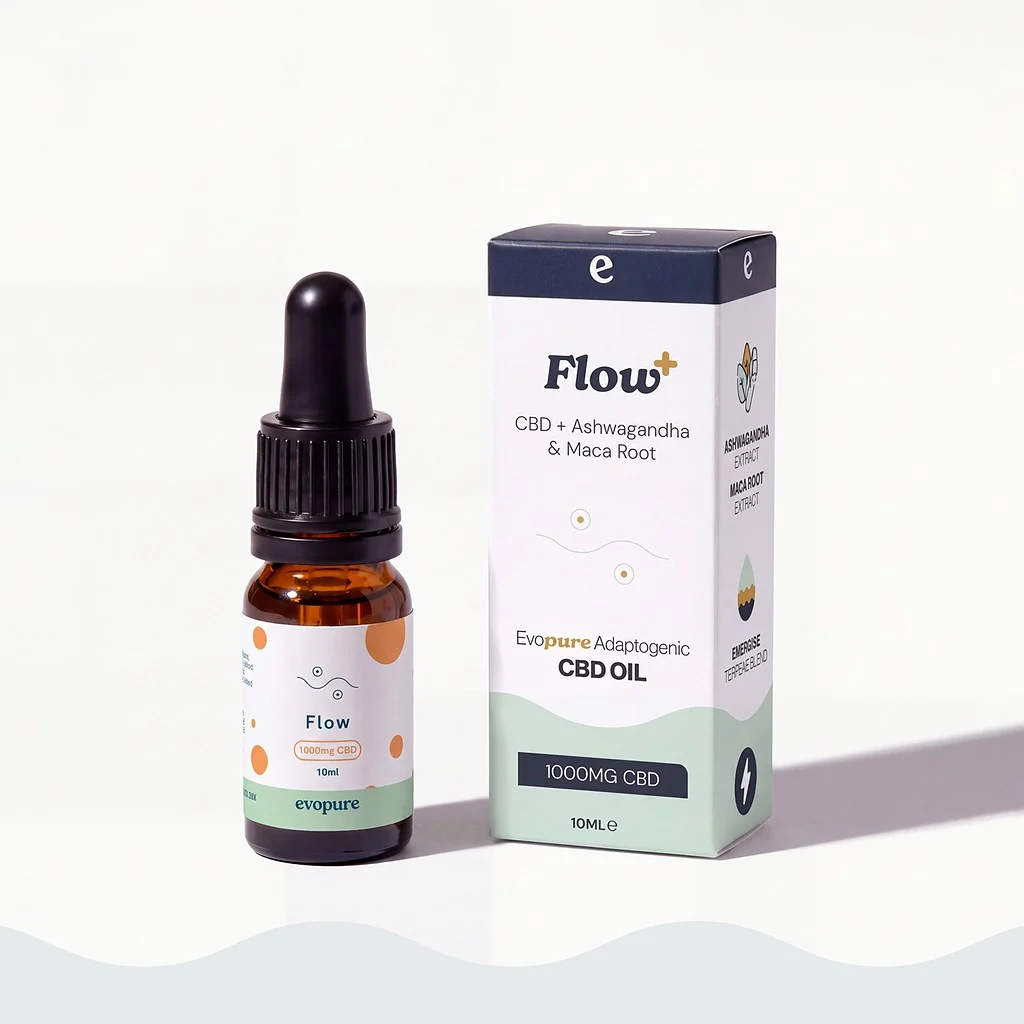
Flow CBD Oil With Ashwagandha & Maca
Flow CBD Oil is broad spectrum CBD with ashwagandha and maca for a daytime routine. The FSA advises healthy adults to take no more than 10mg of CBD a day: about 0.2ml of the 500mg (0.1ml of the 1,000mg) gives 10mg. Not for anyone with a thyroid, liver or autoimmune condition, and if you take any regular medicines, check with your GP or pharmacist first.
Add Flow CBD Oil 500mg to bag or choose another strength
Broad spectrum with 0% THC, every batch third-party lab tested, made in the UK. For adults only. We don’t recommend our products during pregnancy or breastfeeding. Subscribe and save 25% on your first order, then 20%. New to Evopure? Join our emails for 20% off a one-off first order. Free UK delivery over £40.
Subscribe from £22.49One-off from £29.99
View productWhen does the Winter Arc start and end in 2026?
The usual Winter Arc 2026 dates are Thursday 1 October to Thursday 31 December 2026. That’s 92 days, which most people round to “90 days”. Because it’s a personal challenge, the dates are flexible:
| Start date | Length | Good for |
|---|---|---|
| 1 October | 92 days | The classic version: the full last quarter of the year |
| Mid-October | About 11 weeks | Still plenty of time to build two or three habits |
| 1 November | 61 days | A shorter, more focused block |
| 1 December | 31 days | A head start on January, built around the festive season |
Some people carry on to the end of February, when the evenings get noticeably lighter. Pick an end date before you start, so you have a finish line and a moment to review.
Winter Arc rules: how to set your own
Unlike challenges such as 75 Hard, the Winter Arc has no official rulebook. That’s its strength: you write rules that fit your life. The ones that last tend to follow the same pattern.
- Pick 3 to 5 habits, not 12. Sleep, movement, food and one focus or learning goal is plenty.
- Make each one measurable. “Walk 8,000 steps” beats “move more”. “Lights out by 10:45pm” beats “sleep better”.
- Write a minimum version. On a bad day, a 10-minute walk still counts. This is what stops one missed day becoming a missed month.
- Track it daily. A paper checklist, a notes app or a habit tracker. Ticking the box is half the fun.
- Review weekly. Keep what’s working, shrink what isn’t. Our guide to building healthy habits that stick has a 30-day plan that works well as the first month of a Winter Arc.
Example Winter Arc rules
| Area | Starter rule | Stretch rule |
|---|---|---|
| Sleep | Same wake-up time every day, weekends included | Phone out of the bedroom, lights out at a set time |
| Training | 3 sessions a week | 2 strength sessions plus 150 minutes of cardio a week |
| Daylight | 10 minutes outside before 11am | A 30-minute daylight walk every day |
| Food | Protein and a portion of veg at every meal | Batch cook lunches on Sunday |
| Alcohol | 3 or more drink-free days a week | Alcohol-free until the Christmas party |
| Focus | One 45-minute phone-free work or study block a day | Two deep-work blocks a day |
| Mind | Read 10 pages a day | Journal for 5 minutes each evening |
If motivation dips in November (it usually does), our guide on how to get motivated when you have none has 12 practical fixes.
A realistic Winter Arc plan
Most Winter Arc videos focus on 5am alarms and two gym sessions a day. The evidence points somewhere calmer. These are the foundations that make everything else easier, based on NHS guidance.
1. Sleep: protect it first
The NHS says most adults need 7 to 9 hours of sleep. A strict 5am alarm with a midnight bedtime isn’t a Winter Arc, it’s sleep debt. Work backwards from your wake-up time instead.
- Get up at the same time every day, including weekends.
- Avoid tea, coffee and alcohol for at least 6 hours before bed, as the NHS suggests.
- Put screens away before bed and keep the bedroom dark, quiet and cool.
- Finish hard exercise at least 4 hours before bed if you find it keeps you awake.
Our sleep hygiene guide covers 12 habits in more detail, and if you lie awake, try these techniques to fall asleep faster.
2. Training: build up, don’t blow up
The NHS guideline for adults is at least 150 minutes of moderate activity or 75 minutes of vigorous activity a week, plus strength exercises that work all the major muscles on at least 2 days a week. That’s a sensible Winter Arc target for most people. If you’re starting from zero, begin with three sessions a week and add more in week four, not week one.
Plan at least one full rest day a week. Recovery is part of the programme, not a break from it. Some people add cold showers or the sauna to their week; both are fine as extras, but neither replaces sleep and rest days.
3. Daylight: get outside every day
Short, grey days are the hardest part of a Winter Arc. For winter low mood, the NHS suggests getting as much natural daylight as you can, ideally going outside every day, alongside regular exercise and regular sleep times. A morning walk ticks three boxes at once: steps, daylight and a set start to your day. If you feel flat and sleepy all season, read why you’re so tired in winter.
4. Vitamin D: the one supplement the NHS suggests
Between October and early March we don’t make enough vitamin D from sunlight in the UK. The NHS advises everyone to consider a daily supplement containing 10 micrograms (400 IU) of vitamin D during autumn and winter, and adults should not take more than 100 micrograms (4,000 IU) a day. That makes it the simplest habit on your list. See how much vitamin D to take in winter and the signs of vitamin D deficiency.
5. Alcohol: the habit that undoes the others
The UK low-risk guideline is no more than 14 units a week, spread over three or more days, with several drink-free days. Alcohol also gets in the way of good sleep. A review of studies in healthy volunteers found that while alcohol can make you fall asleep faster, it increases sleep disruption in the second half of the night. If the Christmas party season worries you, set a rule now, such as drink-free weeknights, and look at alcohol-free nightcaps. It also makes a good warm-up for Dry January.
6. Focus: one block a day
“Monk mode” sounds dramatic, but the useful bit is simple: one protected block of work or study each day with your phone in another room. Start with 45 minutes. Our guide on how to focus better has more ideas, and a steady morning routine makes the block easier to start.
Winter Arc ideas for women, men and students
The foundations above apply to everyone: the NHS guidelines on sleep, activity, vitamin D and alcohol are the same for men and women. What changes is the goal you hang them on.
Winter Arc ideas for women
- Learn to lift: two strength sessions a week with a simple progressive plan.
- A daily daylight walk with a friend or a podcast.
- A wind-down routine: screens off, a warm drink, 10 pages of a book.
- A gratitude or reflection journal for 5 minutes each evening.
Winter Arc ideas for men
- A strength target, such as adding weight to your main lifts each month.
- Drink-free weeknights through to Christmas.
- A fixed bedtime and wake-up time, phone charging outside the bedroom.
- One honest check-in with a mate each week. November is Movember, a good month to talk.
Winter Arc ideas for students
- Two focused study blocks a day before any social media.
- A consistent wake-up time, even after nights out.
- Cook three meals a week instead of takeaways.
- Walk to lectures or the library for your daylight and steps.
iIf you’re pregnant, breastfeeding or have a health condition, check with your midwife, GP or pharmacist before starting a new training plan or supplement.
Is the Winter Arc for bulking or cutting?
Either, or neither. The Winter Arc is a habit challenge, not a diet. If your goal is to build muscle, pair your strength sessions with enough protein and calories. If your goal is to lose fat, a modest, steady calorie deficit is easier to hold for 12 weeks than a crash diet. If you don’t have a body goal, simply eat regular, balanced meals and let training, sleep and daylight do their job.
Don’t let your Winter Arc turn into burnout
The biggest risk with a Winter Arc is doing too much, too fast, on too little sleep. Running on caffeine through 12-hour days might work for a fortnight, then it catches up with you, often just as the Christmas rush starts.
The World Health Organization describes burnout as the result of chronic workplace stress that hasn’t been successfully managed, with three signs: exhaustion, feeling distant or cynical about your work, and getting less done. Watch for similar signs in your challenge:
- You dread your habits rather than feel proud of them.
- You’re more tired in week six than in week one.
- You’re relying on more and more coffee to get through the day.
- One missed day makes you want to give up entirely.
If that’s you, cut back to your minimum version for a week. A Winter Arc doesn’t need to be all or nothing. Our guide to burnout symptoms and recovery explains the stages and what helps.
Low mood in winter is common, and it isn’t a willpower problem. If you feel persistently low, lose interest in things you normally enjoy or sleep much more than usual, it could be seasonal affective disorder (SAD), and it’s worth speaking to your GP. Our winter wellness guide covers the rest of the season, and when January arrives, our Blue Monday guide has ideas for the darkest weeks.
Where supplements fit
Supplements are the smallest part of a Winter Arc. Sleep, training, daylight and food come first, and vitamin D is the only one the NHS suggests for everyone in winter. If you’d like to add something to your daytime or evening routine, these are the products our customers use.
1. Morning: Flow CBD Oil
Product: Evopure Flow CBD + Ashwagandha
What it is: broad spectrum CBD (0% THC) with ashwagandha and maca, made for a daytime routine. It isn’t a treatment for stress, and ashwagandha isn’t suitable for everyone: the FSA is reviewing its safety, and it isn’t advised in pregnancy or with thyroid or liver conditions. See ashwagandha side effects.
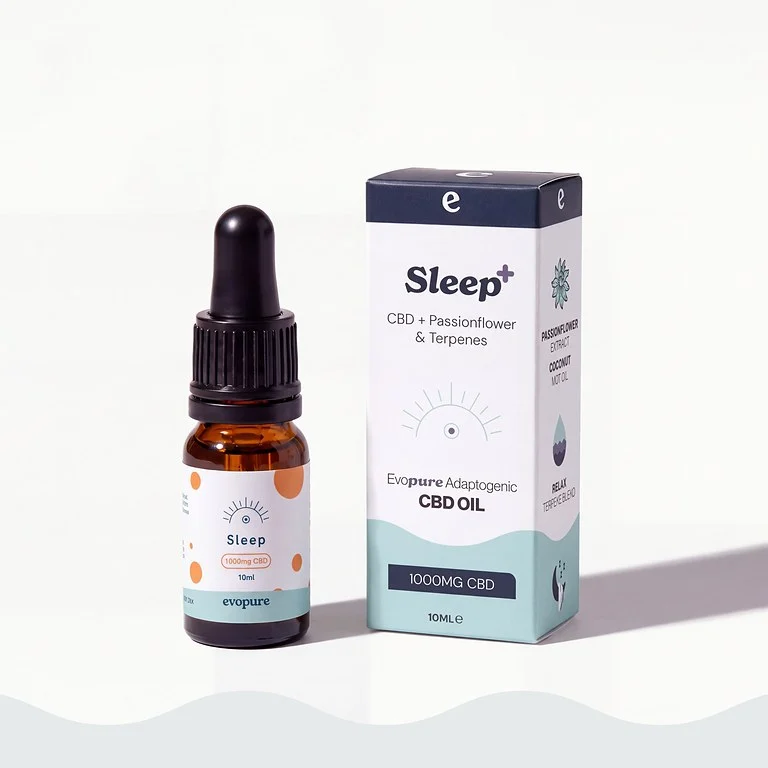
2. Evening: Sleep CBD Oil
Product: Evopure Sleep CBD Oil
What it is: broad spectrum CBD with passionflower extract and a night-time terpene blend, made for a wind-down routine. CBD isn’t a treatment for sleep problems; protecting your sleep habits matters most. See how to fall asleep fast.
3. The mineral: Magnesium Sleep Complex
Product: Magnesium Sleep Complex
Why: magnesium contributes to normal muscle function, the normal functioning of the nervous system and the reduction of tiredness and fatigue. It’s a caffeine-free evening drink with magnesium bisglycinate and citrate.
The FSA’s 10mg a day figure is precautionary advice rather than a legal limit, set while longer-term safety research continues. At Evopure we think it is a very cautious figure, and many adults use more. If you go above it, increase slowly, and check with your GP or pharmacist first if you take any medication. Our products are for adults only, and we don’t recommend them during pregnancy or breastfeeding.
Sample day: morning to night
Here’s what a realistic Winter Arc weekday might look like. Shift the times to fit your work, but keep the wake-up time fixed.
| Time | Habit | Optional extra |
|---|---|---|
| 6:30am | Wake up at your set time, glass of water | – |
| 7:00am | 20-minute daylight walk or training session | Vitamin D with breakfast |
| 9:00am | Focus block 1, phone in another room | Flow CBD Oil, if it’s part of your routine |
| 1:00pm | Lunch with protein and veg, then a short walk | Last coffee of the day by early afternoon |
| 6:00pm | Strength session (2 or 3 days a week) | – |
| 9:00pm | Screens away, tick off your tracker | Magnesium Sleep Complex |
| 9:30pm | Read or journal, lights out by 10:30pm | Sleep CBD Oil, if it’s part of your routine |
Next step
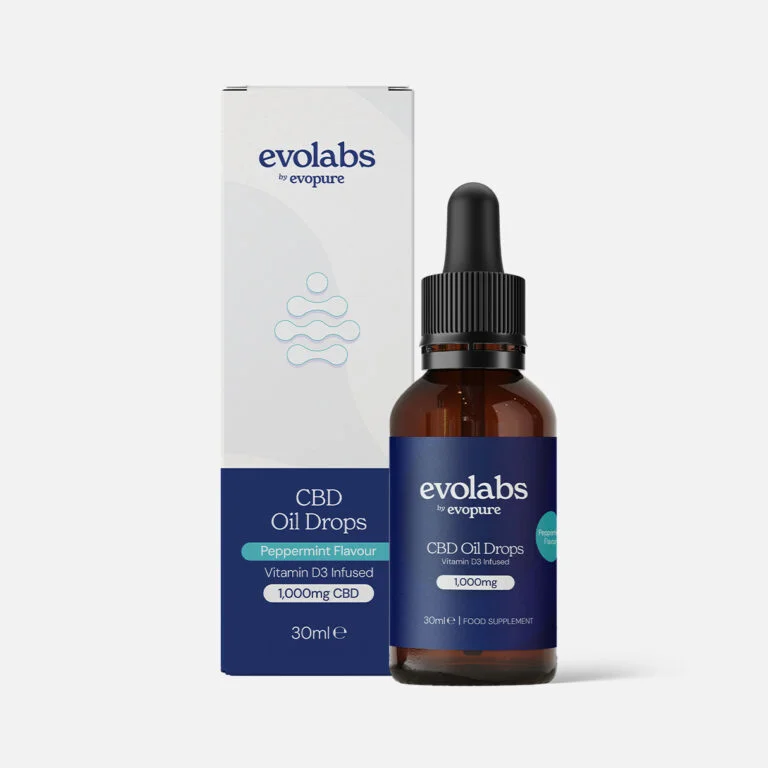
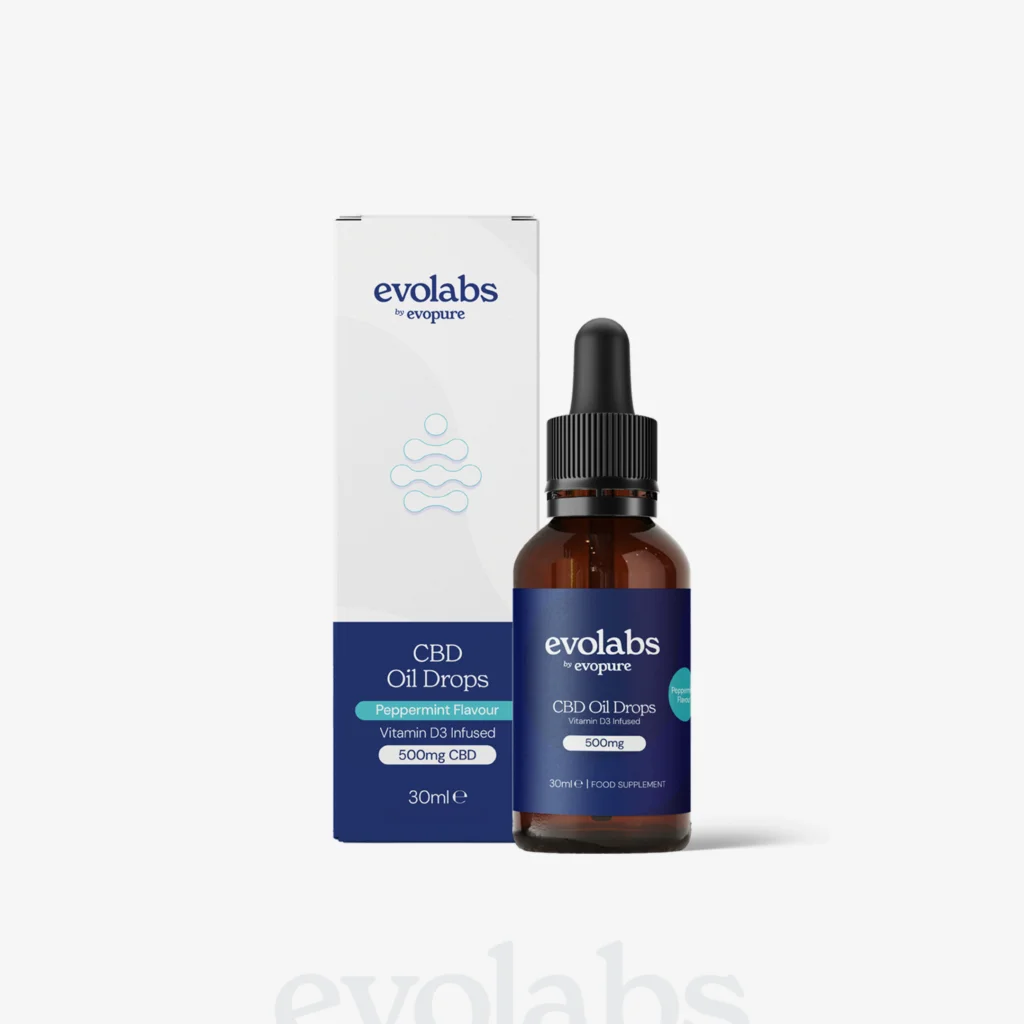
Mint CBD Oil With Vitamin D3 · Evolabs
If vitamin D is the one supplement you add to your Winter Arc, as the NHS suggests from October to March, Mint CBD Oil + Vit D3 gives 10µg vegan vitamin D3 (200% NRV) per half pipette, with 10mg of CBD in about 0.3ml (1,000mg, 30ml), third-party lab tested. Vitamin D contributes to the normal function of the immune system.
Add Mint CBD Oil + Vit D3 to bag See ingredients and reviews
Subscribe and save 25% on your first order, then 20%. New to Evopure? Join our emails for 20% off a one-off first order. Free UK delivery over £40. The FSA advises healthy adults to take no more than 10mg of CBD a day: about 0.3ml of this 1,000mg oil gives 10mg. Adults only. If you take any regular medicines, check with your GP or pharmacist first. We don’t recommend our products during pregnancy or breastfeeding.
Subscribe from £13.49One-off from £17.99
View productFinal thoughts
The Winter Arc isn’t about being perfect; it’s about being consistent. Choose a few habits you can keep on your worst day, protect your sleep, get outside, and let the weeks add up. You won’t just get through the winter, you’ll arrive in January ahead.
Sources 10
- NHS. Vitamin D.
- NHS. Physical activity guidelines for adults aged 19 to 64.
- NHS. Insomnia.
- NHS. Seasonal affective disorder (SAD).
- NHS. The risks of drinking too much.
- Ebrahim IO et al. Alcohol and sleep I: effects on normal sleep. Alcoholism: Clinical and Experimental Research, 2013.
- World Health Organization. Burn-out an “occupational phenomenon”.
- Food Standards Agency. Cannabidiol (CBD) guidance.
- NCCIH. Ashwagandha.
- TODAY. What is the Winter Arc challenge?