Last updated: November 2026
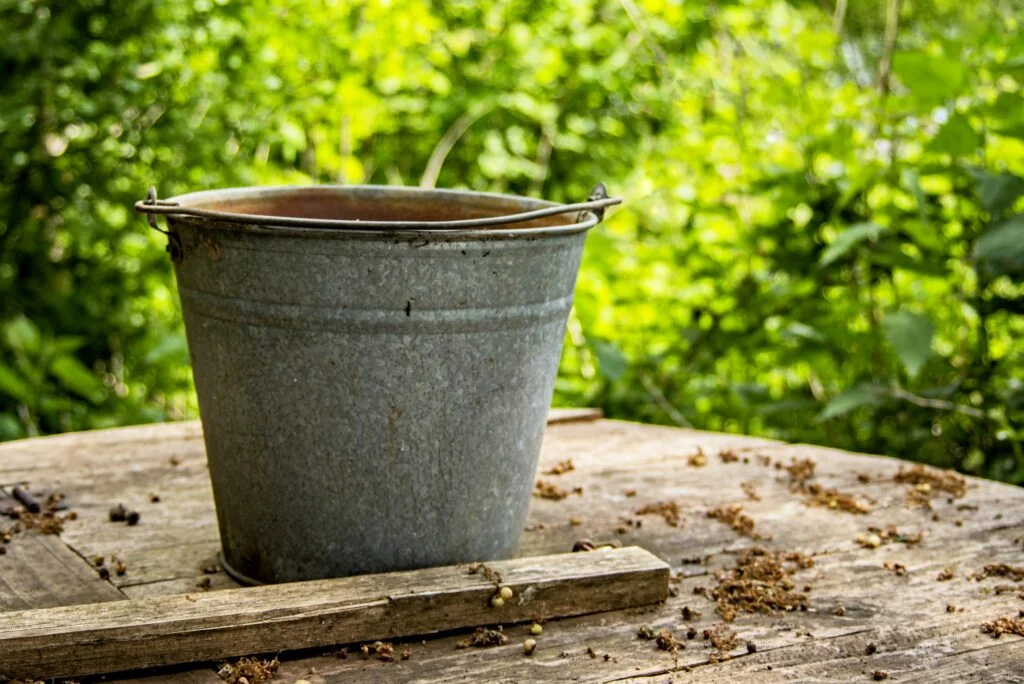
The stress bucket is a simple way to picture stress. The bucket is how much stress you can hold, the water is everything putting pressure on you, and the taps are the things that let stress out. When water pours in faster than your taps drain it, the bucket overflows and you feel overwhelmed.
It’s a good exercise for Stress Awareness Day on Wednesday 4 November 2026. Below: where the idea comes from, how to draw your own bucket, healthy and unhelpful taps, a worked example and a printable stress bucket worksheet you can fill in today.
What is the stress bucket?
The stress bucket is a picture of the stress vulnerability model. That model, set out by Zubin and Spring in 1977, says everyone has a different level of vulnerability to stress, and problems tend to appear when the stress on us goes beyond what we can cope with. The bucket version was described in 2002 by Alison Brabban and Douglas Turkington, in work on cognitive behavioural therapy, and it’s now used well beyond therapy rooms. It’s a version of the diathesis-stress (vulnerability-stress) model, and life-event checklists such as the Holmes and Rahe stress scale measure the stress side of it.
The Mental Health Foundation uses it as an exercise you can do on your own or with colleagues. Mind runs a stress bucket activity for young people, and NHS services use it too, including Norfolk’s children and young people’s health service. Some workplace mental health courses call the same idea the “stress container”.
| Part of the bucket | What it stands for | Examples |
|---|---|---|
| The bucket | How much stress you can hold before you struggle | Smaller when you’re unwell, short of sleep or have little support |
| The water | Stressors, big and small | Work, money, family, health, poor sleep, social media |
| Helpful taps | Things that let stress out | A walk, talking to a friend, a hobby, a proper night’s sleep |
| Unhelpful taps | Things that feel like relief but refill the bucket | Alcohol, smoking, gambling, scrolling late at night |
| The overflow | Feeling overwhelmed | Snapping at people, poor sleep, feeling unable to cope |
Our pick
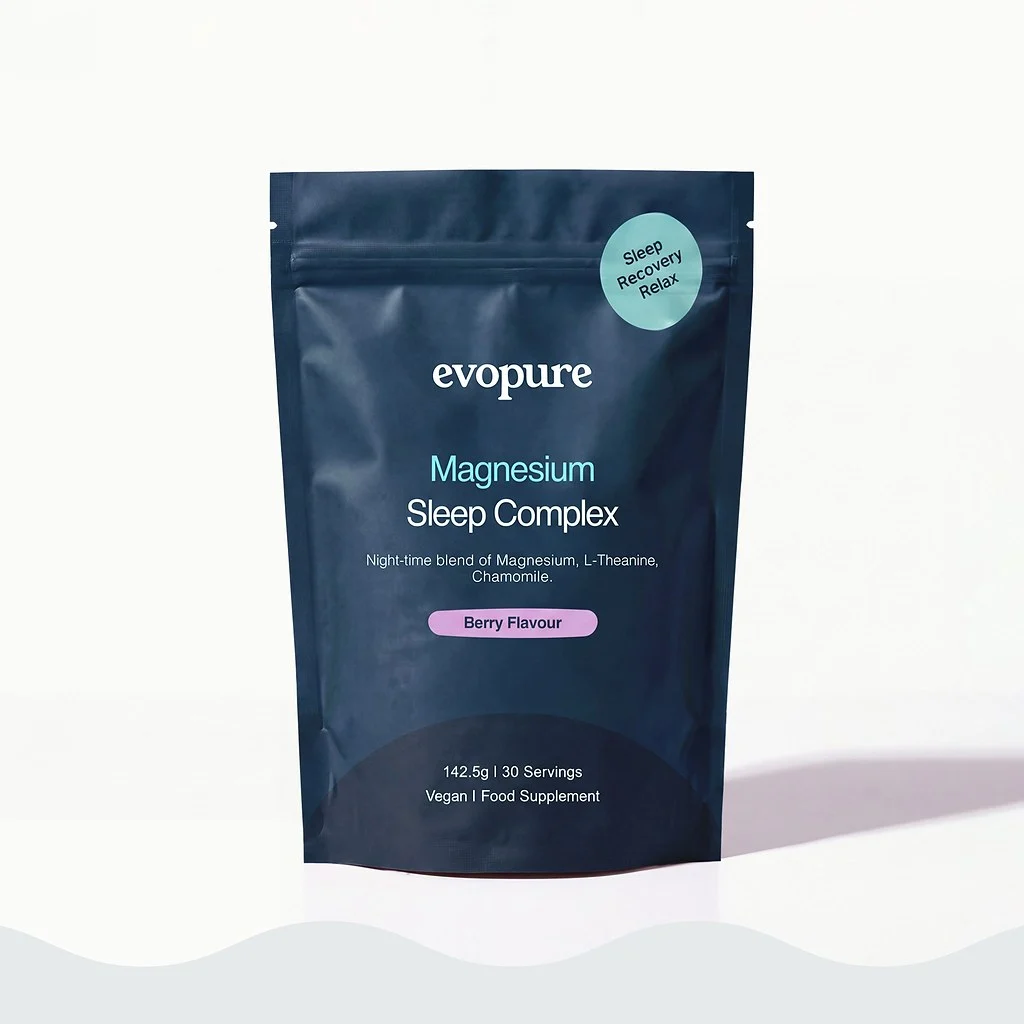
Magnesium Glycinate Sleep Complex
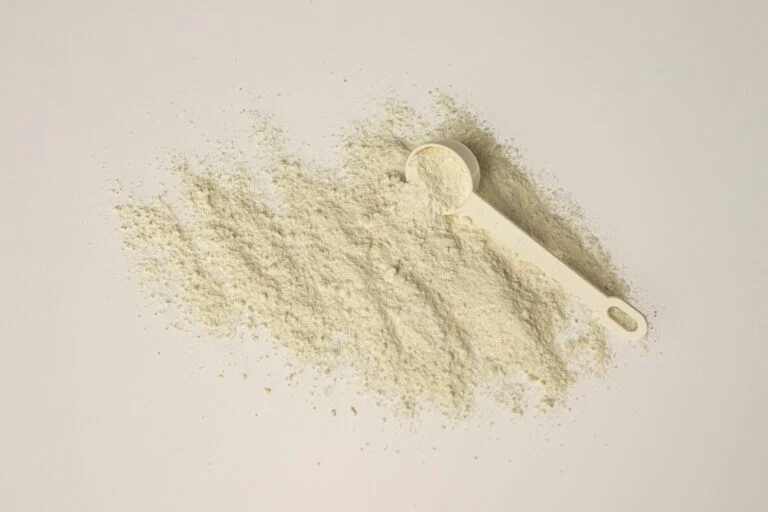
if a calmer evening is one of the taps you want to build, our Magnesium Glycinate Sleep Complex is an evening wind-down drink: magnesium bisglycinate and citrate in a 4.75g scoop, berry flavoured, with glycine and L-theanine. Magnesium contributes to normal psychological function.
Add Magnesium Glycinate Sleep Complex to bag See ingredients and reviews
Vegan and made in the UK, for adults only. Free UK delivery over £45, 14-day returns on unopened items.
Subscribe £22.49One-off £29.99
View productHow to draw your stress bucket
You need paper, a pen and about 15 minutes.
- Draw a large bucket, with room above it for raindrops.
- Write your stressors as the rain: big things (a house move, a sick parent) and small daily ones (a long commute).
- Draw a water line. How full does your bucket feel today, from 1 (nearly empty) to 10 (overflowing)?
- Add taps near the bottom for what already lets stress out. Put unhelpful habits on a separate, crossed-out tap.
- Look at the balance. Are there enough helpful taps for the amount of rain? Is anything coming in that you could turn down, share or stop?
- Choose one change for this week. One new tap, or one stressor to reduce. Keep it small and realistic.
The Mental Health Foundation suggests revisiting your bucket regularly. Once a week works well.
What fills your bucket
Stressors add up, which is why a small thing can tip you over when the bucket is already full.
- Work: workload, deadlines, job worries or a difficult manager. Our guide to stress at work covers your rights.
- Home and family: caring for children or parents, relationship problems, and the mental load of running a household.
- Money: bills, debt or an uncertain income.
- Health: illness, pain, poor sleep or waiting for results.
- Life changes: moving house, bereavement, retirement or a new baby.
- Seasonal pressure: dark evenings and the run-up to Christmas.
Bucket size varies from person to person and can shrink when you’re ill, exhausted or short of support. The NHS lists signs of an overflowing bucket, from headaches and muscle tension to feeling overwhelmed: see stress symptoms.
Helpful and unhelpful taps
Helpful taps let stress out and keep working over time. Unhelpful taps give quick relief but add more water later, so the bucket keeps filling. The NHS advises against using alcohol, cigarettes, gambling or drugs to relieve stress for this reason.
| Helpful taps | Unhelpful taps |
|---|---|
| A walk outside, ideally in daylight | An extra drink most evenings |
| Talking to a friend, partner or colleague | Bottling things up or withdrawing |
| Slow breathing, such as box breathing | Scrolling late at night |
| A hobby, music or time in nature | Smoking or vaping more |
| A regular wind-down and bedtime | Cutting sleep short to fit more in |
| Saying no, delegating or asking for help | Putting things off until they pile up |
More taps to try: 15 ways to relieve stress, progressive muscle relaxation, journal prompts and how to calm down fast. Remember the other end of the bucket too: turning down the flow, by sharing a task or saying no, works as well as adding a tap.
A worked example
Here is how a filled-in bucket might look. Ann is 58, works part time and helps look after her mum.
- Rain: her mum’s hospital appointments (8 out of 10), a restructure at work (7), energy bills (5), sleeping badly (6).
- Water line: 8 out of 10. She has been snapping at her partner and waking at 3am.
- Helpful taps: a Thursday walk with a friend, choir on Mondays.
- Unhelpful taps: a large glass of wine most nights, phone in bed.
- This week: ask her brother to take one appointment a month (less rain), a 10-minute walk at lunchtime and the phone charging outside the bedroom (two new taps).
Small changes at both ends stop the overflow. For night-time worry, see anxiety at night and tired but wired.
Printable stress bucket worksheet
Print this page or copy the table onto paper. Fill in part 1, then part 2, and come back to it in a week.
Date: ____________ How full is my bucket overall today? ____ out of 10
Part 1: what’s filling my bucket
| What’s filling my bucket | How full is it, 1 to 10 |
|---|---|
| 1. | |
| 2. | |
| 3. | |
| 4. | |
| 5. |
Part 2: my taps
| Helpful taps | Unhelpful taps | One tap to try this week |
|---|---|---|
| 1. | 1. | |
| 2. | 2. | |
| 3. | 3. |
Then ask: is there one stressor I could share, delay or drop?
Using the stress bucket with children and teenagers
The bucket is easy for children to understand. Norfolk’s NHS children and young people’s health service suggests drawing a big bucket with a “self-care tap”, writing or drawing the things that worry your child on it, and talking about what turns the tap on: going to the park, playing a game, a cuddle, rest, or talking to grown-ups they trust. Stick it up somewhere so you can point to it next time.
Mind’s group version for young people drops balls into a bucket until it overflows. If a child’s stress is affecting school, sleep or eating, talk to their GP or school.
Supplements and your evening routine
No supplement empties a stress bucket: sleep, movement, people and fewer unhelpful habits matter most. Some adults like a drink or a few drops as part of their routine.
- Magnesium Glycinate Sleep Complex: a berry drink with magnesium bisglycinate and citrate in a 4.75g scoop. Magnesium contributes to normal psychological function and to a reduction of tiredness and fatigue.
- Reishi Mushroom Adaptogenic Complex: a reishi hot chocolate. It contains a little natural caffeine from the cacao, so have it earlier in the evening.
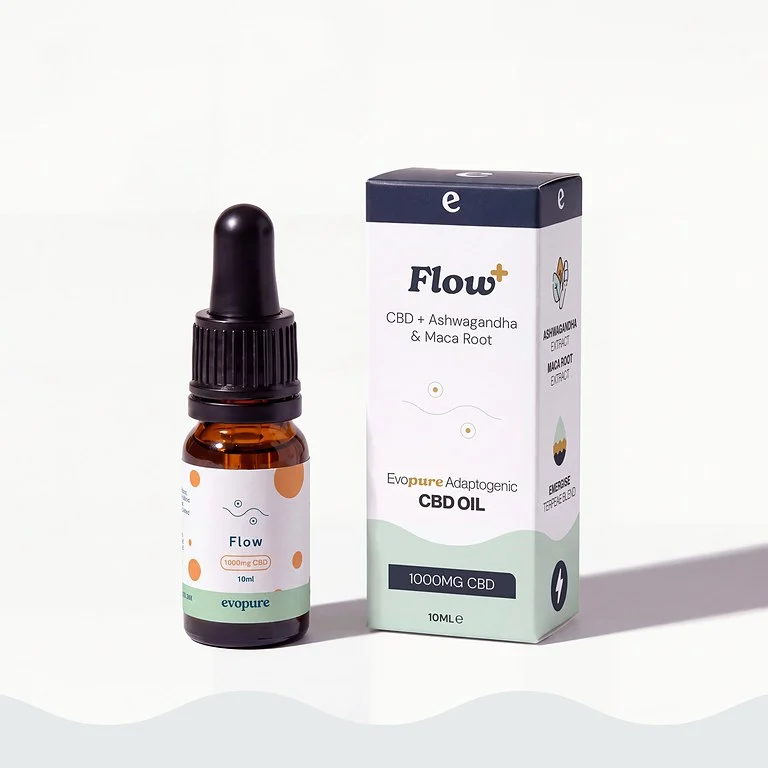
- Flow CBD Oil: broad spectrum CBD with ashwagandha and maca for a daytime routine. Because it contains ashwagandha, it isn’t for anyone with a thyroid, liver or autoimmune condition, and don’t take it alongside another ashwagandha product.
The FSA’s 10mg a day figure is precautionary advice rather than a legal limit, set while longer-term safety research continues. At Evopure we think it is a very cautious figure, and many adults use more. If you go above it, increase slowly, and check with your GP or pharmacist first if you take any medication.
If you take any regular medicines, check with your GP or pharmacist first. We don’t recommend our products during pregnancy or breastfeeding. For adults (18+) only. For what the research says about specific ingredients, see supplements to lower cortisol and how to lower cortisol naturally.
When your bucket keeps overflowing
If your bucket is full most days or your own taps aren’t working, get support. See burnout symptoms and being signed off with stress.
Where to get help
- Your GP: if you’re struggling to cope or would like a referral.
- NHS Talking Therapies (England): if you’re 18 or over (16 or over in some areas), you can refer yourself without seeing a GP.
- NHS 111: if you need help urgently but it isn’t an emergency, call 111 and choose the mental health option.
- Samaritans: call 116 123, free, day or night.
- Shout: text SHOUT to 85258, free and 24/7.
- 999 or A&E: if someone’s life is at risk or they have seriously harmed themselves.
Sources 9
- Mental Health Foundation. The stress bucket exercise (PDF).
- Mind. Stress bucket activity for young people (PDF).
- Children and Young People’s Health Services Norfolk (NHS), Just One Norfolk. The stress bucket (PDF).
- Zubin J, Spring B (1977). Vulnerability: a new view of schizophrenia.
- NHS. Stress.
- NHS. Find an NHS Talking Therapies service.
- NHS. Where to get urgent help for mental health.
- Samaritans. Contact Samaritans.
- Shout. Get help.
This guide is general information, not medical advice. Evopure makes the Magnesium Glycinate Sleep Complex, the Reishi Mushroom Adaptogenic Complex and Flow CBD Oil.