Last updated: October 2026
Teeth grinding (bruxism) is clenching or grinding your teeth, usually at night. The NHS says stress and anxiety are the most common cause. It can lead to jaw pain, headaches, earache and worn teeth. To stop it, manage stress, improve sleep, cut back on alcohol, caffeine and smoking, and ask a dentist about a mouth guard.
Below: the signs, causes, how to stop grinding at night and in the day, mouth guards, magnesium, and when to see a dentist or GP.
How common is it? A review of studies estimated that around 1 in 8 adults grind their teeth in their sleep, and more clench or grind during the day. Many people don’t know they do it until a partner or dentist notices.
Signs you grind your teeth
According to the NHS, as well as grinding and clenching, symptoms can include:
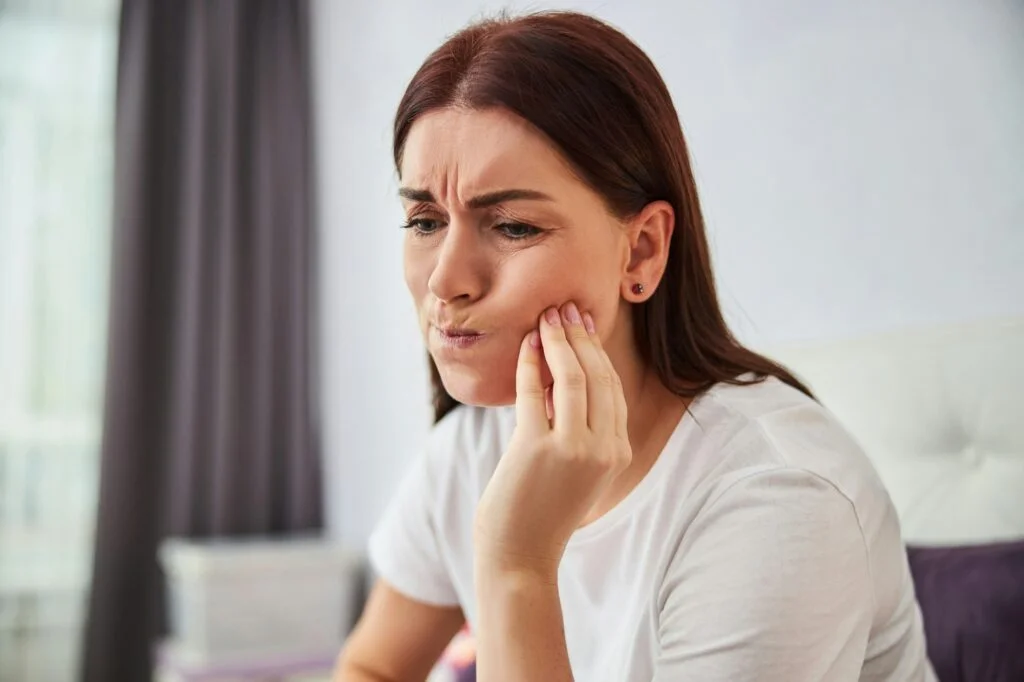
- a painful or tired jaw, especially in the morning, which can lead to temporomandibular disorder (TMD)
- worn-down, chipped or sensitive teeth, and loose fillings
- headaches, often at the temples. See tension headaches
- earache
- disturbed sleep. See why do I wake up tired?
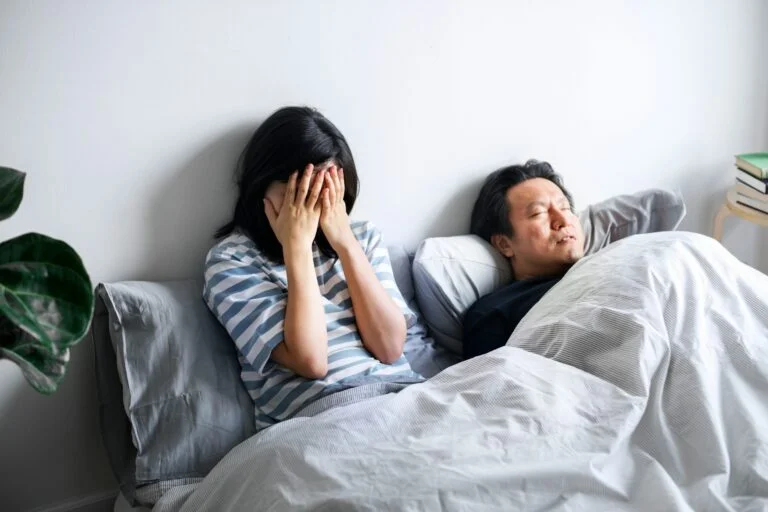
- a partner hearing you grind at night
What causes teeth grinding?
It’s not always clear, but the NHS says it’s often linked to:
| Cause | Read more |
|---|---|
| Stress and anxiety (the most common cause) | Stress symptoms, how to deal with anxiety |
| Sleep problems such as snoring and sleep apnoea | How to stop snoring |
| Medicines for sleep problems, depression or anxiety | Speak to your GP; don’t stop medicine yourself |
| Smoking | NHS stop smoking services can help |
| Drinking lots of alcohol or caffeine | Does caffeine cause anxiety? |
Night-time vs daytime grinding
Sleep bruxism happens while you’re asleep, so you can’t control it directly. It’s linked to sleep disruption, snoring and stress. Awake bruxism is usually clenching rather than grinding, often while concentrating, driving, using a phone or feeling tense, and you can learn to notice and stop it.
How to stop grinding your teeth
At night
- Wind down before bed with breathing exercises, music or a bath. See box breathing.
- Keep a regular bedtime and a dark, quiet bedroom, as the NHS suggests. See how to sleep better.
- Avoid alcohol and caffeine in the evening.
- Deal with snoring, and see a GP if you might have sleep apnoea.
- Put a worry list on paper before bed. See anxiety at night.
During the day
- Learn your resting position: lips together, teeth apart, tongue resting on the roof of your mouth.
- Set reminders to check your jaw, for example every time you look at your phone.
- Relax your jaw and shoulders with gentle stretches and a warm flannel.
- Avoid chewing gum and hard foods if your jaw is sore.
- Exercise regularly to burn off stress.
For jaw pain, the NHS suggests paracetamol or ibuprofen and an ice pack wrapped in a tea towel for 20 to 30 minutes.
Gentle jaw exercises and self-care
If your jaw feels tight or sore, these simple habits can help. Stop if anything hurts.
- Warmth: hold a warm flannel against the sides of your face for a few minutes before bed to relax the muscles.
- Gentle massage: use your fingertips in small circles on the muscles in front of your ears and along your jaw.
- Relaxed opening: with your tongue on the roof of your mouth, slowly open and close your mouth a few times without clicking.
- Soft foods for a few days when your jaw is sore, and cut food into small pieces.
- Notice posture: a forward head position at a desk can add to jaw and neck tension.
If jaw pain, clicking or locking carries on, see your dentist or GP about temporomandibular disorder (TMD).
Teeth grinding in children
Grinding is common in young children and often stops on its own as adult teeth come through. See a dentist if your child has tooth damage, jaw pain or headaches, or if you’re worried. Snoring or breathing pauses at night are worth mentioning to a GP.
Mouth guards and treatments
A dentist may recommend a mouth guard or splint worn at night. It doesn’t stop grinding, but it protects your teeth from damage. A guard made by your dentist fits precisely; shop-bought “boil and bite” guards are cheaper but less comfortable and less durable. A GP can help with the causes, such as stress, anxiety, smoking or alcohol, and talking therapy can help if stress or anxiety is behind it.
Does magnesium help teeth grinding?
Magnesium is often suggested online for teeth grinding, but there’s very little research on it for bruxism, so we can’t say it stops grinding. Magnesium does contribute to normal muscle function and normal psychological function, and many people use a magnesium drink as part of a calming evening routine, which tackles the stress and sleep side of the problem. See magnesium for sleep and magnesium for anxiety.
Our Magnesium Glycinate Sleep Complex is a caffeine-free berry bedtime drink with magnesium bisglycinate, citrate and L-theanine. If tension is a theme, our CBD Balm is a soothing balm many people massage into tight jaw, neck and shoulder muscles.
When to see a dentist or GP
The NHS advises seeing a dentist if you grind your teeth and have tooth damage or sensitivity, or pain in your jaw, face or ear, if your partner says you grind in your sleep, or if you’re worried about your child grinding. See a GP for help with the causes, such as stress, anxiety, sleep apnoea, smoking or alcohol. See how to relieve stress.
FAQs
What causes teeth grinding at night?
Stress and anxiety are the most common cause. Snoring, sleep apnoea, some medicines, smoking, alcohol and caffeine are also linked.
How do I stop grinding my teeth in my sleep?
Wind down before bed, keep regular sleep times, avoid alcohol and caffeine in the evening, deal with snoring, and ask a dentist about a mouth guard.
Does a mouth guard stop teeth grinding?
It protects your teeth from damage but doesn’t stop the grinding itself. Tackling stress and sleep helps with the cause.
Can stress make you grind your teeth?
Yes. The NHS says stress and anxiety are the most common cause of teeth grinding.
Does magnesium help with teeth grinding?
There’s very little research on magnesium for bruxism. Magnesium contributes to normal muscle function, and a calming evening routine can help with the stress behind grinding.
Sources
- NHS. Teeth grinding (bruxism).
- NHS. Temporomandibular disorder (TMD).
- Manfredini D et al (2013). Epidemiology of bruxism in adults: a systematic review of the literature. Journal of Orofacial Pain.
- Lobbezoo F et al (2018). International consensus on the assessment of bruxism. Journal of Oral Rehabilitation.
This guide is general information, not medical advice. Evopure makes the Magnesium Glycinate Sleep Complex and CBD Balm.