

Last updated: October 2026
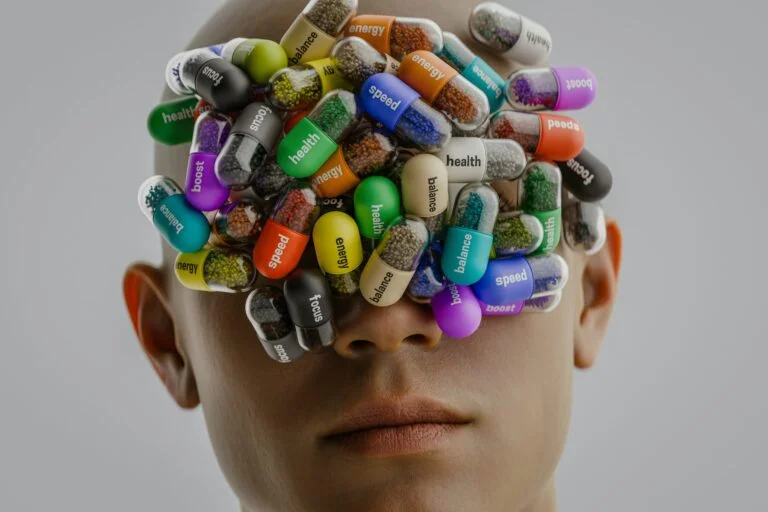
Energy drinks are fine for most adults occasionally, but they’re high in caffeine and often sugar. Regular use can cause poor sleep, jitters, palpitations and an energy crash. In England, selling high-caffeine energy drinks to under-16s will be banned from April 2027. For steadier energy, sleep, food, water and moderate coffee or tea work better.
Below: how much caffeine is in energy drinks, the side effects, the new UK rules, energy drinks versus coffee, and better ways to get energy.
How much caffeine is in energy drinks?
| Drink | Approximate caffeine (NHS figures) |
|---|---|
| 250ml energy drink | 80mg |
| Cup of instant coffee | 100mg (filter and coffee-shop coffee can be more) |
| Cup of tea | 75mg |
| Can of cola | 40mg |
Larger 500ml cans, now common, contain about twice as much as a 250ml can, and some brands are stronger still. Check the label, which must say “High caffeine content” on drinks with more than 150mg per litre. For healthy adults, European food safety experts consider up to about 400mg of caffeine a day safe; the NHS advises no more than 200mg a day in pregnancy.
Are energy drinks bad for you?
| Concern | Why |
|---|---|
| Poor sleep | Caffeine 6 hours before bed still disrupted sleep in a study. See coffee crash |
| Jitters and anxiety | Large doses can cause shakiness, a racing heart and anxiety. See caffeine and anxiety |
| Sugar | Regular versions can contain a lot of sugar, adding calories and harming teeth |
| The crash | Energy dips as the caffeine and sugar wear off |
| Dependence | Daily use can lead to withdrawal headaches and tiredness when you stop |
| Mixing with alcohol | Can make you feel less drunk than you are, so you may drink more |
Speak to your GP if you get chest pain, palpitations or a fast heartbeat, and avoid energy drinks if you have a heart condition, high blood pressure or are pregnant.
UK energy drink rules: the under-16 ban
On 16 July 2026, the government confirmed it will ban the sale of high-caffeine energy drinks to under-16s in England from April 2027. The key points:
- It covers drinks, other than tea or coffee, with more than 150mg of caffeine per litre.
- It applies to shops, online sales and vending machines.
- Businesses that break the law face fines of up to £2,500.
- The government estimates over 100,000 children in England drink at least one high-caffeine energy drink a day.
Many UK supermarkets already refuse to sell energy drinks to under-16s voluntarily.
Energy drinks vs coffee
| Energy drink (250ml) | Black coffee (cup) | |
|---|---|---|
| Caffeine | About 80mg | About 100mg (instant) |
| Sugar | Often high unless sugar-free | None unless added |
| Other ingredients | Taurine, B vitamins, sweeteners, flavourings | Just coffee |
| Drinking speed | Cold, often drunk fast | Hot, usually sipped |
Gram for gram, a cup of coffee isn’t lower in caffeine, but black coffee or tea avoids the sugar and extras. Tea also contains L-theanine, which may smooth caffeine’s effects. See L-theanine.
Better ways to get energy
- Sleep: the foundation. See sleep hygiene.
- Regular meals and water: see the afternoon slump.
- Move and get daylight: see how to boost energy naturally.
- Moderate coffee or tea, earlier in the day.
- Rule out a deficiency if you’re always tired. See iron deficiency and B12 deficiency.
- Swap an evening can for a warm, low-caffeine drink. See reishi cacao.
FAQs
Are energy drinks bad for you?
Occasionally, most adults are fine. Regular use can disrupt sleep and cause jitters, palpitations, crashes and dependence, and sugary versions add calories.
Are energy drinks banned for under-16s in the UK?
In England, the sale of high-caffeine energy drinks to under-16s will be banned from April 2027. Many supermarkets already restrict sales voluntarily.
How much caffeine is in an energy drink?
About 80mg in a 250ml can, according to the NHS. A 500ml can contains about twice as much.
Is coffee better than energy drinks?
Black coffee or tea has similar caffeine without the sugar and extras, so it’s usually the better choice.
How many energy drinks a day is safe?
Count all caffeine: up to about 400mg a day is generally considered safe for healthy adults, and 200mg in pregnancy.
Sources
- GOV.UK (2026). Children’s health further protected with energy drinks ban.
- GOV.UK (2026). Banning the sale of high-caffeine energy drinks to children: consultation outcome.
- NHS. Foods to avoid in pregnancy (caffeine amounts).
- Drake C et al (2013). Caffeine effects on sleep taken 0, 3, or 6 hours before going to bed. Journal of Clinical Sleep Medicine.
This guide is general information, not medical advice. Evopure makes the Reishi Mushroom Adaptogenic Complex and Flow CBD Oil.