













Last updated: 10 November 2026
Low magnesium symptoms start vague: tiredness, weakness, loss of appetite and feeling or being sick. If levels keep falling, muscle cramps and twitches, numbness, tingling and an irregular heartbeat can follow, and severe deficiency can cause seizures. Lack of magnesium is uncommon in healthy people eating a varied diet, and only a blood test can confirm it.
Below: the symptoms by stage, what happens in the body, who’s most at risk, why a blood test can miss low stores, what to do, and food sources.
What are the symptoms of low magnesium?
The symptoms of low magnesium are, at first, tiredness, weakness, loss of appetite, nausea and vomiting. As the deficiency gets worse, people can get muscle cramps and spasms, twitching, numbness or tingling, tremors, mood or personality changes and an abnormal heart rhythm. Severe deficiency can cause seizures and low calcium or potassium. A GP blood test confirms it. To see what magnesium does when you have enough, read the benefits of taking magnesium.
| Stage | Possible signs | What to do |
|---|---|---|
| Early or mild | Tiredness, weakness, loss of appetite, feeling or being sick | Look at your diet and medicines; see a GP if it lasts more than a few weeks |
| Getting worse | Muscle cramps and spasms, twitching (including eyelids), numbness or tingling, tremors, low mood or irritability | Book a GP appointment and ask about a blood test |
| Severe | Irregular or fast heartbeat, seizures, confusion, very low calcium or potassium | Call 111 now, or 999 in an emergency |
The US National Institutes of Health lists the same order of symptoms in its magnesium fact sheet for health professionals.
These signs are common and have many causes, including poor sleep, stress, low iron or B12, and thyroid problems, so they don’t prove you’re low in magnesium. Feeling tired all the time is far more often down to sleep, workload or another deficiency than to magnesium.
Early signs of lack of magnesium
The earliest signs of lack of magnesium are easy to miss because they feel like an ordinary run-down week: low energy, feeling weak, not wanting to eat and mild nausea. Cramps in the calves or feet, especially at night, and a twitching eyelid are the signs people most often notice first, but both are usually caused by tiredness, caffeine, exercise or stress. If you also have a risk factor from the table further down, such as a long-term acid-reducing medicine, that’s a good reason to ask your GP for a check.
Signs that need urgent help
Get a racing, pounding or irregular heartbeat, fainting, chest pain or a seizure checked straight away. Call 111 if you’re not sure what to do, or 999 if someone has a seizure, collapses or has chest pain. Severe low magnesium is treated in hospital, sometimes with magnesium through a drip, alongside the cause.
What happens if you lack magnesium?
If you lack magnesium, the body first draws on its stores in bone to keep blood levels steady, so a mild shortfall can go unnoticed for months. Over time nerves and muscles become more excitable, which shows up as cramps, twitching and tingling, and blood levels of calcium and potassium can fall too, which affects the heart’s rhythm.
Magnesium is needed by more than 300 enzyme systems in the body, including the ones that turn food into energy, keep nerves and muscles working and help build bone. About 50 to 60% of the body’s magnesium sits in bone and most of the rest is inside cells, with less than 1% in the blood.
That link with calcium and potassium matters. Magnesium helps the parathyroid glands release the hormone that controls calcium, so a long-running deficiency can leave calcium low even when you eat enough of it. Low potassium that doesn’t improve with potassium alone is one of the reasons doctors check magnesium.
| Body system | What can happen when magnesium is low |
|---|---|
| Muscles | Cramps, spasms, twitching, weakness |
| Nerves | Numbness, tingling, tremor, in severe cases seizures |
| Heart | Palpitations or an abnormal rhythm, usually with low potassium |
| Energy and mood | Tiredness, weakness, irritability, low mood |
| Other minerals | Low calcium and low potassium in the blood |
Our pick
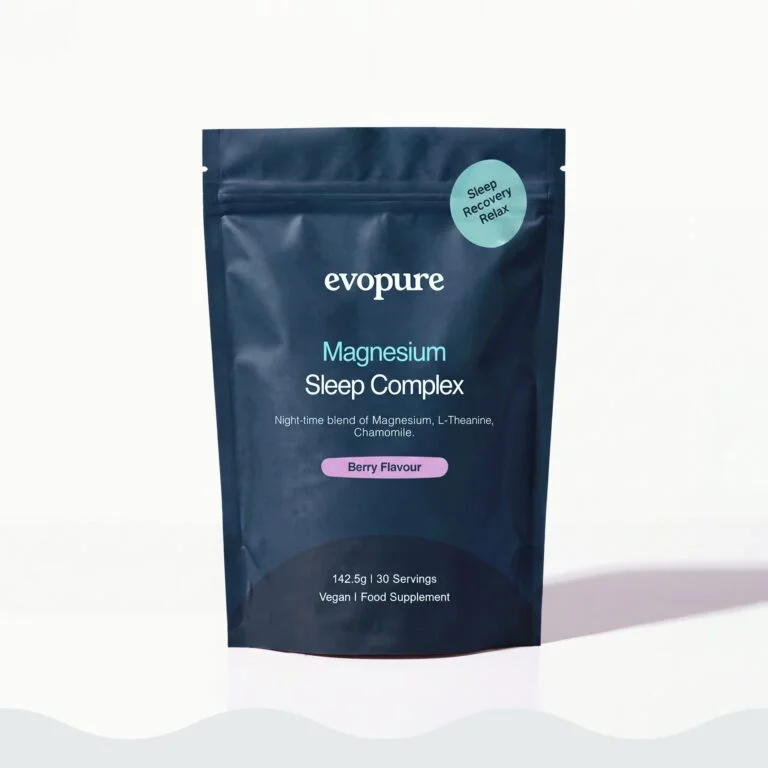
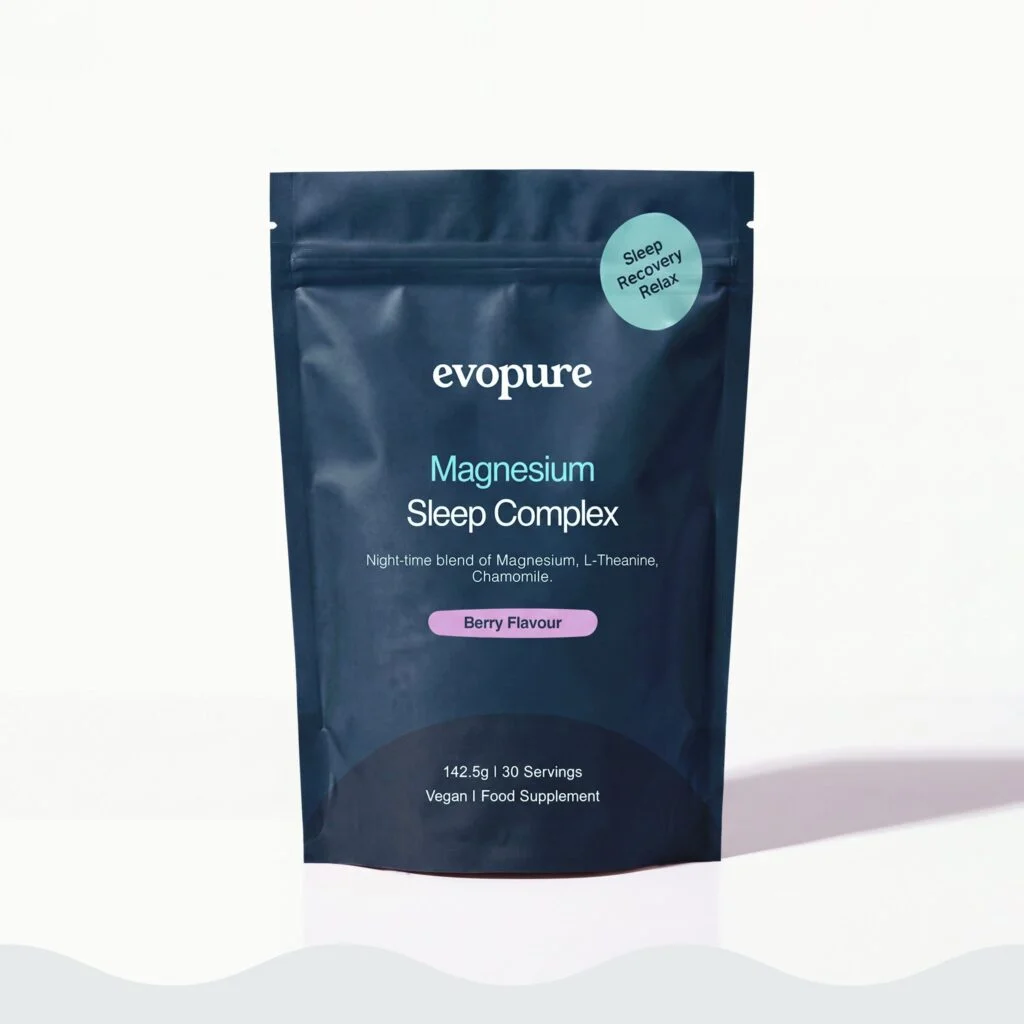
Magnesium Glycinate Sleep Complex
Magnesium Glycinate Sleep Complex is a berry drink powder with 290mg of magnesium (77% NRV) per 4.75g serving from bisglycinate and citrate, plus glycine and L-theanine. Magnesium contributes to a reduction of tiredness and fatigue.
Add Magnesium Glycinate Sleep Complex to bag See ingredients and reviews
Vegan and made in the UK. Subscribe and save 25% on your first order, then 20%. Free UK delivery over £40, 14-day returns on unopened items. New to Evopure? Join our emails for 20% off a one-off first order.
Subscribe £17.99One-off £29.99
View productWho’s most at risk of low magnesium?
Most people at risk of low magnesium are losing it through the gut or kidneys rather than eating too little. Long-term proton pump inhibitors, diuretics, heavy drinking, type 2 diabetes, gut conditions and older age are the main reasons, and several of them often go together in the same person. If you have type 2 diabetes and take medicines for it, see magnesium and diabetes medication.
| Risk factor | Why |
|---|---|
| Long-term proton pump inhibitors (such as omeprazole) | The MHRA warns they can cause low magnesium, usually after a year or more |
| Diuretics (water tablets) | Increase magnesium loss in urine |
| Heavy drinking | Reduces absorption and increases losses |
| Gut conditions such as Crohn’s or coeliac disease, or long-lasting diarrhoea | Reduce absorption |
| Type 2 diabetes | Higher losses in urine |
| Older age | Lower intake and absorption, more kidney losses and more regular medicines |
| Some other medicines | Certain cancer treatments and antibiotics can raise losses; your pharmacist can check |
| Low intake of whole foods | Diets low in nuts, seeds, greens and wholegrains |
Medicines that can lower magnesium
Proton pump inhibitors such as omeprazole and lansoprazole are the best-known example. The MHRA has reported rare cases of severe low magnesium in people taking them for at least 3 months, most after a year, and advises doctors to consider checking magnesium before and during long-term use.
Taking omeprazole and wondering about a supplement? See magnesium and omeprazole.
Loop diuretics such as furosemide and thiazide diuretics such as bendroflumethiazide increase the magnesium lost in urine. If you take one of these and notice cramps, weakness or palpitations, mention it at your next review. Never stop or change a medicine without speaking to your prescriber first: the benefit of the medicine is usually much bigger than the risk, and low magnesium is easy to check and treat.
How is low magnesium tested?
Your GP can check magnesium with a blood test, usually alongside calcium, potassium and kidney function, especially if you take medicines that lower magnesium. Most UK labs use 0.7 to 1.0 mmol/L as the normal adult range, and your GP will explain your result, as some labs use a slightly different range. See the normal magnesium range in a UK blood test.
Why a blood test can miss low magnesium
Less than 1% of the body’s magnesium is in the blood, and the body works hard to keep that level steady by pulling magnesium out of bone and cells. So a normal blood result doesn’t always rule out low stores, but a low result is meaningful. If your symptoms and risk factors point to low magnesium, a doctor may repeat the test, check a urine sample to see how much you’re losing, or look at calcium and potassium for clues.
Home finger-prick kits measure the same blood level, so they share the same limits. Hair and “body scan” tests aren’t reliable ways to measure magnesium.
What to do if you think you’re low
- Eat more magnesium-rich foods first (see below).
- Ask your GP for a blood test if you have symptoms or a risk factor.
- Consider a supplement: the NHS says 400mg a day or less from supplements is unlikely to cause harm. Glycinate and citrate are well absorbed. See best magnesium supplement UK.
- Give it time: see how long magnesium takes to work.
Magnesium contributes to a reduction of tiredness and fatigue, normal muscle function and normal psychological function. Severe deficiency is treated by doctors, sometimes with magnesium through a drip. Don’t take supplements if you have kidney disease unless advised. For other reasons you might feel drained, see why am I always tired?
Our Magnesium Glycinate Sleep Complex gives 290mg of magnesium per serving from bisglycinate and citrate, as an evening drink. We don’t recommend our products during pregnancy or breastfeeding.
Can you be low in magnesium without symptoms?
Yes. A diet that’s a little short of magnesium usually causes no symptoms at all, because the body protects blood levels by using its stores. That’s why the NHS advice is to aim for 300mg a day for men and 270mg for women from food, rather than to wait for signs. Symptoms usually appear only when losses are high or intake has been low for a long time.
A quick way to check your intake is to look at how often you eat nuts, seeds, beans, wholegrains and leafy greens. If they rarely feature, food is the place to start, and a modest supplement is an option if your diet can’t easily change.
The FSA’s 10mg a day figure for CBD is precautionary advice rather than a legal limit, set while longer-term safety research continues. At Evopure we think it is a very cautious figure, and many adults use more. If you go above it, increase slowly, and check with your GP or pharmacist first if you take any medication. On our 500mg CBD oils, 10mg is about 0.2ml. Our products are for adults (18+) only.
Foods high in magnesium
| Food group | Examples |
|---|---|
| Nuts and seeds | Pumpkin seeds, almonds, cashews |
| Leafy greens | Spinach, kale |
| Wholegrains | Wholemeal bread, oats, brown rice |
| Beans and pulses | Black beans, chickpeas, lentils |
| Other | Dark chocolate, bananas, avocado |
The NHS says adults need 300mg (men) or 270mg (women) a day, and most people can get this from a varied diet. See magnesium for cramps and magnesium for sleep.
Related guides
- Signs of low magnesium in children.
- Magnesium taurate, a gentle but less studied form.
- Eye twitching: is it low magnesium or something else?
- How much magnesium and calcium you need.
- Twitching is usually down to stress, caffeine or tiredness rather than low magnesium; see common causes of muscle twitching.
- Pumpkin seeds benefits and how many to eat a day.
- Is restless legs caused by low magnesium?
- For how low magnesium compares with low zinc, see magnesium vs zinc.
- Are people with PCOS low in magnesium?
- Why magnesium spray isn’t a reliable way to top up.
- About 1 in 5 men aged 19 to 64 eat less than the minimum, which is why we’ve written a separate guide to how much magnesium a man should take.
- The simplest first step is food: see our list of foods high in magnesium, with amounts per UK portion.
- A blood test is the usual check; see the normal magnesium range in a UK blood test.
- To raise your intake, the form matters: our magnesium glycinate vs citrate vs threonate comparison shows how much magnesium each one gives.
- If you decide to top up, magnesium glycinate is one of the gentlest forms to take every day.
- Low magnesium may also affect how well vitamin D works: see magnesium and vitamin D.
- Our chart of the 12 types of magnesium if you’re choosing a supplement.
- If you start a supplement, see the best time to take magnesium, including how far apart to keep it from iron, zinc and common medicines.
- If a supplement is right for you, see magnesium powder vs tablets to choose a format you’ll take every day.
- If you think you might be running low, check how much magnesium you need per day before choosing a supplement.
- Wondering whether you need more magnesium during the change? See magnesium for menopause.
- Older adults absorb less magnesium and many eat a little less than they need: see magnesium for older adults.
- If a blood test shows low magnesium, your GP may prescribe magnesium glycerophosphate tablets rather than a shop-bought supplement.
Next step
Magnesium Glycinate Sleep Complex
If your GP has ruled out a medical cause and you want a daily top-up alongside magnesium-rich food, make it an evening habit. Magnesium Glycinate Sleep Complex gives 290mg of magnesium (77% NRV) per 4.75g serving, from bisglycinate and citrate. Magnesium contributes to a reduction of tiredness and fatigue. It isn’t a treatment for deficiency.
Add Magnesium Glycinate Sleep Complex to bag See ingredients and reviews
Subscribe and save 25% on your first order, then 20%. Free UK delivery over £40. New to Evopure? Join our emails for 20% off a one-off first order. If you have kidney disease or take regular medicines, check with your GP or pharmacist first. We don’t recommend our products during pregnancy or breastfeeding.
Subscribe £17.99One-off £29.99
View productSources 4
- NHS. Vitamins and minerals: magnesium.
- MHRA. Proton pump inhibitors in long-term use: reports of hypomagnesaemia.
- National Institutes of Health, Office of Dietary Supplements. Magnesium: fact sheet for health professionals.
- Gröber U et al. Magnesium in prevention and therapy. Nutrients, 2015.