Last updated: 19 November 2026
Can you take magnesium with diabetes medication? Usually, yes. The BNF lists no interaction between magnesium and insulin, gliclazide, dapagliflozin, empagliflozin, sitagliptin or pioglitazone, and their UK product information doesn’t mention magnesium. Tell your diabetes nurse or pharmacist before you start, especially if you have kidney problems, and never change a diabetes medicine to fit a supplement.
Checked against the BNF, the NHS medicines pages, the UK product information (SmPCs) and PubMed on 19 November 2026. This is general information, not medical advice.
What the BNF says for each medicine
The BNF, the reference UK doctors and pharmacists use, keeps an interaction list for each medicine. Its magnesium list (38 interactions) and its antacid list (73) name none of the diabetes medicines below, and none of their lists names magnesium or antacids. Checked on 19 November 2026:
| Medicine | BNF interactions listed | Magnesium or antacid entry? |
|---|---|---|
| Insulin | 9 | No |
| Gliclazide | 16 | No |
| Glimepiride | 20 | No |
| Dapagliflozin | 156 | No |
| Empagliflozin | 160 | No |
| Sitagliptin | 4 | No |
| Pioglitazone | 17 | No |
The product information (SmPCs) we checked for gliclazide (Diamicron), dapagliflozin (Forxiga), empagliflozin, sitagliptin (Januvia) and pioglitazone doesn’t mention magnesium supplements either. One general BNF note applies to everyone: oral magnesium should preferably not be taken at the same time as other drugs, because it might impair their absorption.
On metformin? It has its own page: magnesium and metformin.
Magnesium with insulin
The BNF lists no interaction between magnesium and insulin. The NHS insulin pages are cautious about supplements in general. On long-acting insulin, the NHS says it isn’t possible to say any herbal remedies and supplements are safe to take with insulin, because they aren’t tested in the same way as medicines. It also says never to start or stop a herbal remedy without advice from your doctor, pharmacist or diabetes nurse.
A plain magnesium supplement isn’t a herbal remedy, but many magnesium products, ours included, contain herbal extracts. So the simple rule is: show the label to your diabetes nurse or pharmacist before you start, and keep your insulin routine exactly as prescribed.
The NHS says some medicines, such as steroid tablets and some water tablets, can change your insulin needs. See magnesium and prednisolone if you take steroids.
Magnesium with gliclazide and other sulfonylureas
The BNF lists no interaction between magnesium and gliclazide or glimepiride, and the Diamicron SmPC doesn’t mention magnesium. The NHS gliclazide page asks you to tell your doctor about any vitamins or supplements before you start.
Gliclazide can cause hypos (low blood sugar), the NHS says, which can make you dizzy, sick, very hungry or very tired. Its advice is to eat or drink something sugary straight away and see your GP if it keeps happening. A magnesium supplement is not a treatment for a hypo and won’t stand in for that advice. The NHS also says it’s best not to drink alcohol while taking gliclazide: see magnesium and alcohol.
Magnesium with dapagliflozin or empagliflozin
Dapagliflozin (Forxiga) and empagliflozin (Jardiance) are SGLT2 inhibitors. The NHS says they work by getting rid of extra sugar when you pee. The BNF lists no magnesium interaction for either, and their SmPCs don’t mention magnesium.
Two things are worth knowing:
- Dehydration when you’re ill. The NHS says that if you get vomiting, diarrhoea or a fever on these tablets, there’s a risk of dehydration, so talk to a pharmacist or doctor or follow the advice you’ve already been given. Magnesium above 400mg a day can cause diarrhoea (NHS), so pause any supplement while you’re unwell.
- They may raise magnesium slightly. A 2016 analysis of 18 trials found SGLT2 medicines slightly raised blood magnesium. A large 2026 records study found people starting them had a lower risk of low magnesium than people starting DPP-4 tablets. Useful context for your GP, not a reason to change anything.
If you take a water tablet such as furosemide as well, the NHS lists it among medicines that may not mix well with dapagliflozin. See magnesium and blood pressure medication.
Sitagliptin and pioglitazone and GLP-1 medicines
- Sitagliptin (Januvia): no magnesium entry in the BNF or SmPC. The NHS says to tell your doctor about any supplements before you start, and to mention liver or kidney problems.
- Pioglitazone: no magnesium entry in the BNF or its SmPC.
- Ozempic, Rybelsus, Wegovy or Mounjaro: no magnesium interaction either, but semaglutide tablets need a 30 minute gap before anything else. See magnesium and Wegovy.
Taking a long-term indigestion tablet such as omeprazole as well? That’s the one more likely to affect your magnesium: see magnesium and omeprazole. For every medicine that needs a gap from magnesium, see what not to take with magnesium.
Do diabetes medicines lower magnesium?
UK guidance (the NHS, the BNF and the SmPCs) doesn’t list low magnesium as a side effect of insulin, gliclazide, the SGLT2 tablets, sitagliptin or pioglitazone. Here is what has been studied:
- 2026 records study: in over 700,000 matched adults with type 2 diabetes, people starting SGLT2 tablets had a lower risk of low magnesium than those starting DPP-4 tablets such as sitagliptin. GLP-1 medicines showed a smaller difference. A link, not proof.
- 2025 case report: a 73-year-old woman taking metformin, gliclazide, sitagliptin and esomeprazole developed very low magnesium after nausea and vomiting on semaglutide. The author suggests periodic magnesium checks in people with type 2 diabetes at risk.
- Metformin: several studies link it with lower magnesium. See magnesium and metformin.
iSo don’t start a supplement to fix a level you haven’t measured: ask your GP whether to add magnesium to your next blood test. See signs of magnesium deficiency and does diabetes make you tired?
Kidney checks and who should ask first
Your kidneys clear extra magnesium, and kidney function shapes how several diabetes medicines are used (the Forxiga and Diamicron SmPCs both set kidney rules). The BNF advises caution with magnesium in kidney impairment, because of the risk of too much magnesium in the blood, and avoiding it when kidney function is very low.
Ask your GP, diabetes nurse or pharmacist before adding magnesium if you:
- have kidney disease, or have been told your kidney results (eGFR) are lower than normal
- take insulin or gliclazide and have had hypos
- take a water tablet, digoxin or a PPI such as omeprazole
- often have sickness or diarrhoea
- are pregnant, trying for a baby or breastfeeding
Your diabetes review is a good moment to ask. Over 60? See magnesium for older adults.
When to get help
Get urgent help if you take dapagliflozin or empagliflozin and feel very thirsty, confused or unusually tired, or your breath smells sweet. The NHS lists these as signs of diabetic ketoacidosis, a rare but serious side effect: its empagliflozin page says call 999, and its dapagliflozin page says call NHS 111.
Treat a hypo straight away as your diabetes team has shown you, and tell your GP if hypos keep happening.
Talk to a pharmacist or doctor if you’re being sick, have diarrhoea or a fever, as you could become dehydrated (NHS).
Never stop or change a diabetes medicine to try a supplement. Talk to your GP or diabetes nurse if you’re having problems with it.
Where Evopure fits
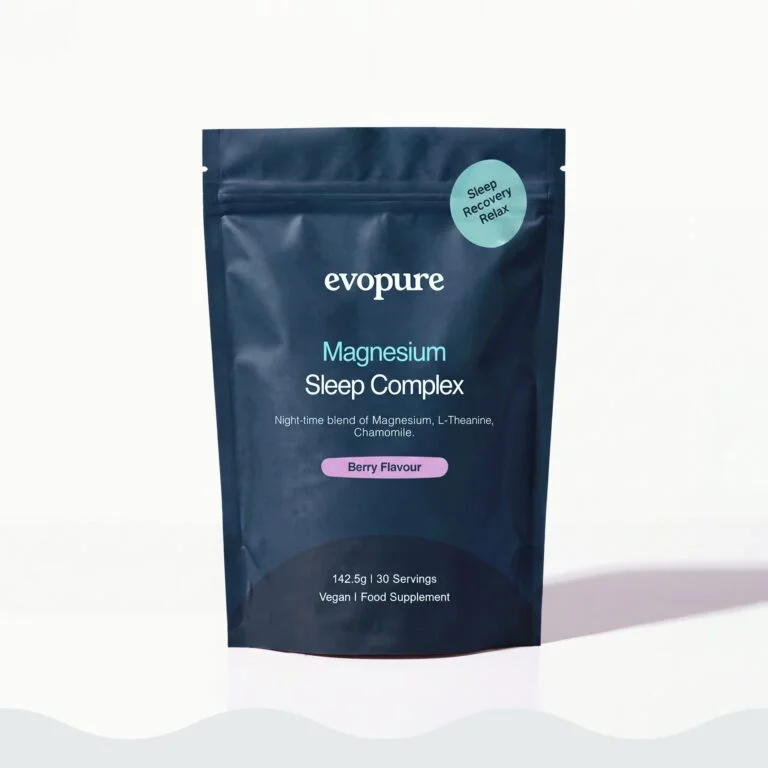
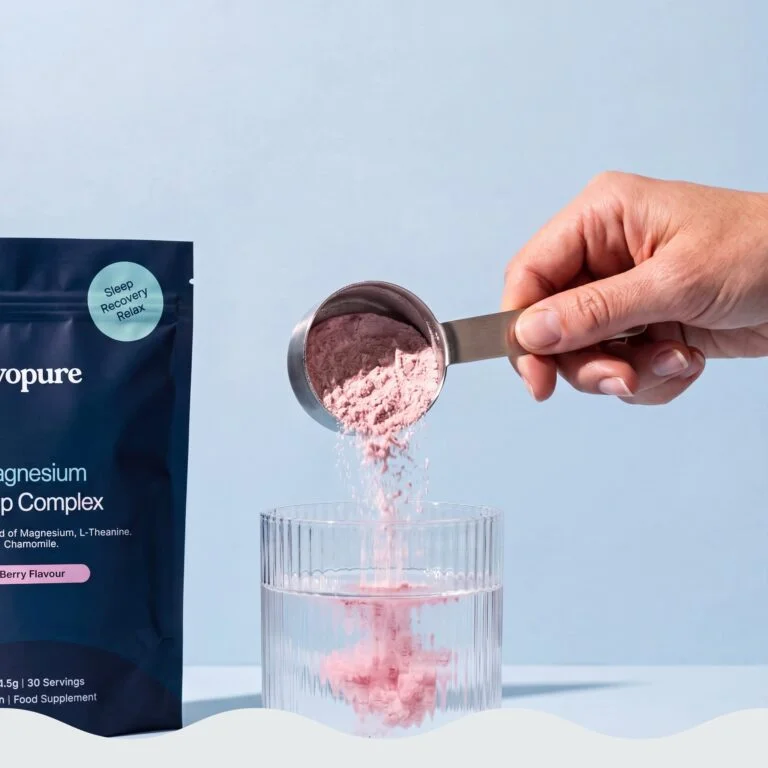
None of our products replaces any diabetes medicine or does anything for blood sugar, and we don’t claim they do. If your diabetes nurse or pharmacist is happy for you to add magnesium, our Magnesium Glycinate Sleep Complex is a berry drink powder with 290mg of magnesium (77% NRV) per 4.75g serving, from bisglycinate and citrate. It’s sweetened with stevia. It also contains glycine, L-theanine and herbal extracts (oat straw, hops, chamomile, passionflower), so show your nurse or pharmacist the label.
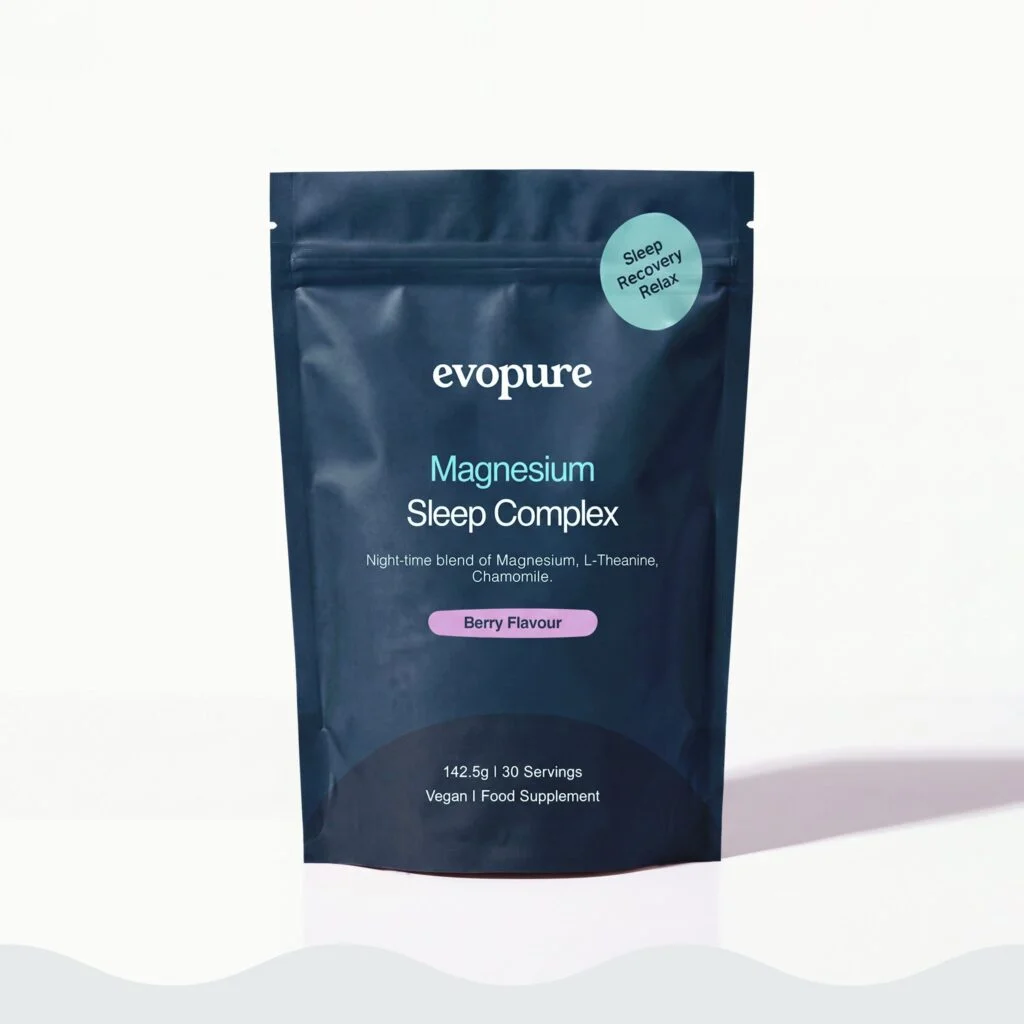
Our pick, once you’ve checked
Magnesium Glycinate Sleep Complex
Magnesium Glycinate Sleep Complex. Magnesium contributes to a reduction of tiredness and fatigue and to normal muscle function. A drink, so not another tablet to swallow.
Add Magnesium Glycinate Sleep Complex to bag See ingredients and reviews
Rated 4.7 out of 5 from 15 ratings on the product page (via Lipscore, checked 19 November 2026). We make it, so we’re not neutral. Vegan and made in the UK. Free UK delivery over £40.
Subscribe £22.49One-off £29.99
View productWhy only one product? Our Reishi hot chocolate pack says it isn’t for people taking medication, and the FSA advises people on any medication not to take CBD unless under medical direction. If you’re weighing that up, read CBD and metformin first. Comparing magnesium? See best magnesium supplement UK.
The NHS says adults need 300mg (men) or 270mg (women) of magnesium a day, mostly from food, and 400mg or less a day from supplements is unlikely to cause harm. See how much magnesium per day and the best time to take magnesium.
Next step
Magnesium Glycinate Sleep Complex
Check with your diabetes nurse or pharmacist, keep taking your diabetes medicines exactly as prescribed, and take magnesium at a set time each day. The Magnesium Glycinate Sleep Complex gives 290mg of magnesium per serving as a berry drink. Magnesium contributes to a reduction of tiredness and fatigue.
Add Magnesium Glycinate Sleep Complex to bag See ingredients and reviews
Subscribe and save 25% on your first order, then 20%. New to Evopure? Join our emails for 20% off a one-off first order. Free UK delivery over £40. Adults only. We don’t recommend our products during pregnancy or breastfeeding.
Subscribe £22.49One-off £29.99
View productSources 8
- BNF (NICE). Interaction lists for magnesium, antacids, insulin, gliclazide, glimepiride, dapagliflozin, empagliflozin, sitagliptin and pioglitazone. Checked 19 November 2026.
- BNF (NICE). Magnesium glycerophosphate (renal impairment). Checked 19 November 2026.
- emc SmPCs: Diamicron 30mg MR (revised 02/2020), Forxiga (revised 10/07/2026), Empagliflozin 10mg (previously Jardiance) (revised 12/2025), Januvia 100mg (revised 12 October 2023) and Pioglitazone 15mg tablets (revised 29/06/2022). Checked 19 November 2026.
- NHS. Gliclazide (reviewed 6 August 2026), dapagliflozin (26 June 2026), empagliflozin (27 October 2026), sitagliptin (19 August 2026) and long-acting insulin with other medicines and herbal supplements (7 July 2023). Checked 19 November 2026.
- NHS. Vitamins and minerals: others (magnesium) (reviewed 3 August 2020).
- Tang H et al. Elevated serum magnesium associated with SGLT2 inhibitor use in type 2 diabetes patients: a meta-analysis of randomised controlled trials. Diabetologia, 2016. PMID 27628105.
- Shao SC et al. SGLT2 inhibitors, GLP-1 RAs, and DPP4 inhibitors and the risk of hypomagnesemia in type 2 diabetes: a target trial emulation. PLoS Med, 2026. PMID 41790761.
- Davis TME. Severe hypomagnesemia and hypocalcemia linked to semaglutide in type 2 diabetes: a case report. Am J Case Rep, 2025. PMID 39757501.
General information, not medical advice. Evopure makes food supplements and is not connected with the makers of any medicine named here.