Last updated: October 2026
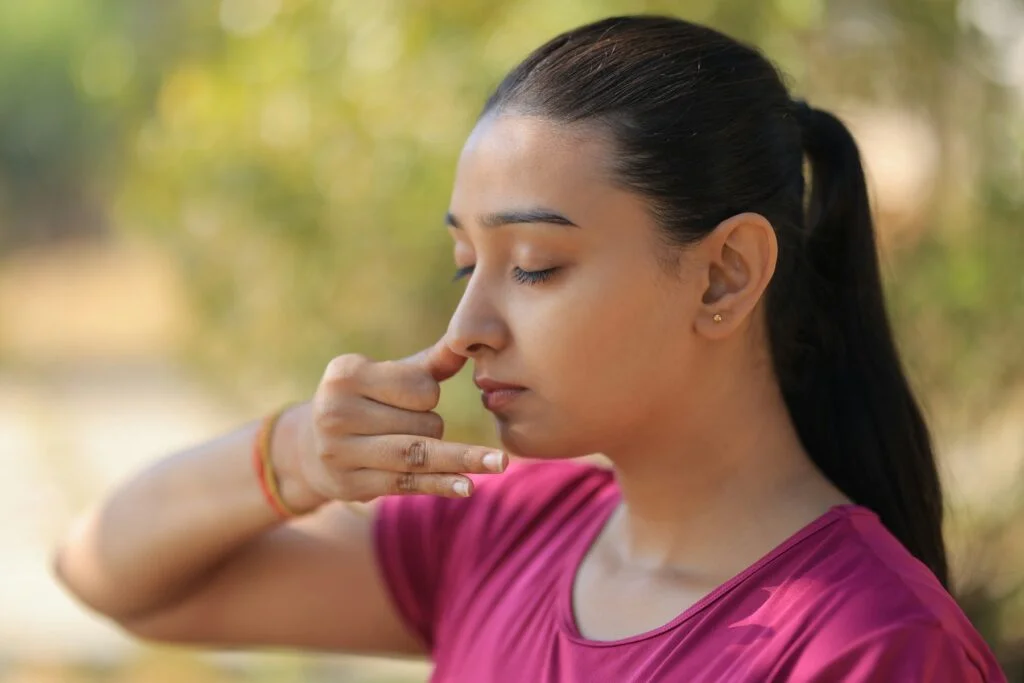
Wim Hof breathing is about 30 deep, fast breaths, then a breath hold on empty lungs, then a recovery breath held for around 15 seconds, repeated for three or four rounds. Small lab studies show it changes stress hormones and immune responses, but evidence for everyday benefits is limited. Never do it in water, in a bath or while driving.
Below: safety first, then the steps, the research, anxiety and sleep, and how it compares with gentler techniques.
Read this first: never do it in or near water. Fast breathing followed by a breath hold can make you black out without warning, and in water that can lead to drowning. Never practise in a bath, pool or open water, before a swim, or while driving or standing. Pregnant, or have epilepsy, a heart condition or high blood pressure? Check with your GP first.
Is Wim Hof breathing safe?
Sitting or lying on dry land, most healthy adults feel tingling and light-headedness and nothing worse. The serious danger is water. The Royal Life Saving Society UK (RLSS UK) warns that over-breathing and then holding your breath can cause a blackout from lack of oxygen, in any depth of water, often with no warning. Without a fast rescue, the result is drowning.
The official Wim Hof Method safety page agrees: never practise before or during diving, driving, swimming or a bath, and not if you are pregnant or have epilepsy. Fainting means you went too far.
- Never in water: not in a bath, pool, hot tub or open water, and not just before a swim or cold plunge.
- Never on the move: not while driving, cycling, walking or standing.
- Don’t force it: let go of each hold when you feel the urge to breathe. Don’t compete to hold your breath for longer.
- Stop if you feel chest pain, a racing or irregular heartbeat, panic, confusion or severe dizziness.
If you also do cold exposure, keep it separate from the breathing, and read our guides to cold water swimming safely and cold showers first.
What is Wim Hof breathing?
Wim Hof, known as the Iceman, developed the Wim Hof Method. It has three parts: a breathing technique, cold exposure (such as cold showers or ice baths) and commitment or mindset training. Wim Hof breathing is the first part on its own.
Researchers describe it as cyclic hyperventilation with breath retention: rounds of deliberate over-breathing, each followed by a hold. It is a form of high ventilation breathwork, the opposite end of the scale from the slow, calming patterns most people know, such as box breathing and 4-7-8 breathing.
How to do Wim Hof breathing: step by step
This is the standard beginner version. Do it sitting or lying down, ideally on an empty stomach, and never in water.
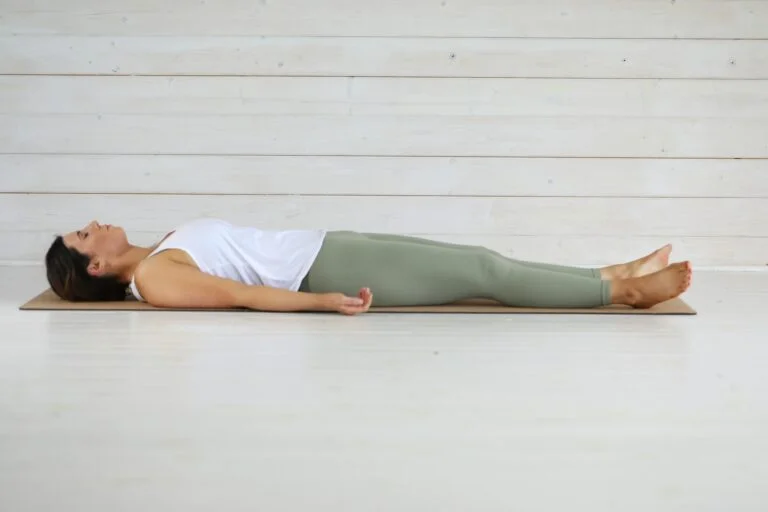
- Get comfortable. Sit or lie down somewhere you can’t fall or hit your head.
- Take about 30 deep breaths. Breathe in fully, filling your belly then your chest, and let the air go without forcing it out. Keep a steady, fairly quick rhythm.
- Hold on empty lungs. After the last breath, breathe out naturally and hold with your lungs empty until you feel the urge to breathe. Don’t force it.
- Take a recovery breath. Breathe in fully and hold for about 15 seconds, then let go.
- Repeat. That is one round. Most guides suggest three or four rounds.
- Come back slowly. Breathe normally for a minute or two before you sit up or stand.
How often? Once a day is plenty, usually in the morning. Start with fewer rounds and build up. Tingling and light-headedness are common; fainting is a sign to ease off.
What happens in your body
The fast breathing blows off carbon dioxide, which shifts your blood chemistry (doctors call this respiratory alkalosis). That is why many people feel tingling. The hold on empty lungs then lets your oxygen level fall for a while. In the best-known study, this combination led to a large rise in adrenaline.
So Wim Hof breathing is a deliberate, short burst of stress. Slow breathing works the other way, through longer out-breaths and the vagus nerve. See nervous system regulation.
Wim Hof breathing benefits: what the research says
The claims online go far beyond the evidence. The research is real but small, often in healthy young men, and often combines breathing with cold training.
| Study | Who | What they found |
|---|---|---|
| Kox et al, 2014 | 24 healthy volunteers | After 10 days of training in meditation, the breathing and cold, volunteers were given a bacterial toxin. The trained group had much higher adrenaline, a calmer inflammatory response and milder flu-like symptoms. |
| Zwaag et al, 2022 | 48 healthy men | The breathing exercise alone dampened the inflammatory response to the same lab toxin; cold training alone did not. Breathing plus cold had the strongest effect. |
| Ketelhut et al, 2023 | 42 adults | 15 days of daily practice made no difference to blood pressure, heart rate variability, perceived stress or mood compared with no practice. |
| Blades et al, 2024 | 84 women with high stress and depressive symptoms | Three weeks of a Wim Hof-style routine worked no better than slow breathing with warm showers. The Wim Hof group ruminated less, but all six dropouts came from it. |
| Fox et al, 2025 | 404 healthy adults | Over 29 days, people felt more energised and clear-headed after sessions than a meditation group, but few lasting differences emerged. |
| Almahayni and Hammond, 2024 | Systematic review, 8 trials | Promising for the inflammatory response; mixed for exercise performance. |
The honest summary: Wim Hof breathing reliably causes a short adrenaline surge, which in the lab calms the immune reaction to a toxin. Lasting effects on colds, blood pressure or mood in everyday life haven’t been shown. For everyday immunity, the basics matter more: see how to boost your immune system.
Wim Hof breathing for anxiety and sleep
Anxiety: the evidence is limited. In the trial in women with high stress, slow breathing helped just as much. Fast breathing also brings tingling, dizziness and a pounding heart, which can feel like panic. If you get panic attacks or anxiety dizziness, a slow technique is the safer first choice; see how to stop a panic attack and how to deal with anxiety.
Sleep: because it raises adrenaline, Wim Hof breathing is better suited to the morning than bedtime. For winding down, gentle slow breathing makes more sense. The NHS breathing exercise for stress is simple: breathe in through your nose and out through your mouth, gently and steadily, for at least five minutes. For a structured bedtime pattern, try 4-7-8 breathing, and see how to fall asleep fast.
Wim Hof vs box breathing vs 4-7-8 vs cyclic sighing
In a month-long Stanford trial comparing cyclic sighing, box breathing, cyclic hyperventilation with retention (a Wim Hof-style pattern) and mindfulness, breathwork as a whole improved mood more than mindfulness, and the exhale-focused cyclic sighing did best.
| Technique | How | Good for | Watch out for |
|---|---|---|---|
| Wim Hof breathing | About 30 fast, deep breaths, hold on empty lungs, recovery breath, 3 to 4 rounds | An energising morning practice for healthy adults | Fainting; never in water or while driving |
| Box breathing | In 4, hold 4, out 4, hold 4, for a few minutes | Staying focused and steady under pressure | Two holds per breath |
| 4-7-8 breathing | In 4 through the nose, hold 7, out 8 through the mouth, 4 times | Winding down at bedtime | The long hold can feel hard at first |
| Physiological sigh (cyclic sighing) | Two breaths in through the nose, one long breath out through the mouth | Quick calm, low mood | Keep it slow so you don’t over-breathe |
More quick ideas are in how to relieve stress quickly and grounding techniques.
Who should avoid it or check with a GP first
- Don’t do it if you are pregnant or have epilepsy or a history of fainting or seizures.
- Check with your GP first if you have a heart condition, high blood pressure, a lung condition such as asthma, or any other medical condition, or if you take regular medication.
- Take extra care if you have panic attacks or anxiety, as the physical sensations can feel similar. Start with a slow technique instead.
- Don’t combine it with saunas, ice baths or cold water. Heat and cold put their own strain on the heart; see sauna benefits and safety.
- Adults only. It isn’t suitable for children.
A calmer daily routine
Breathwork works best as part of a steady routine: morning daylight, movement and a wind-down before bed. Some people add a supplement.
Our Magnesium Glycinate Sleep Complex provides 148mg of magnesium per serving, with L-theanine and glycine. Magnesium contributes to normal psychological function and to the normal functioning of the nervous system.
Flow CBD Oil combines broad spectrum CBD with ashwagandha and maca in MCT oil. CBD isn’t a treatment for stress or anxiety, and it isn’t a substitute for medical care.
The FSA’s 10mg a day figure is precautionary advice rather than a legal limit, set while longer-term safety research continues. At Evopure we think it is a very cautious figure, and many adults use more. If you go above it, increase slowly, and check with your GP or pharmacist first if you take any medication.
We don’t recommend our products during pregnancy or breastfeeding, and they are for adults only.
FAQs
Is Wim Hof breathing safe?
For most healthy adults, sitting or lying on dry land, yes. It is dangerous in water, in a bath or while driving, because it can cause a blackout without warning. Avoid it if pregnant or epileptic, and check with a GP first if you have a heart or other medical condition.
How many rounds of Wim Hof breathing should I do?
Most guides suggest three or four rounds of about 30 breaths, each followed by a hold and a recovery breath. Beginners can start with one or two rounds and build up.
Can I do Wim Hof breathing before bed?
It isn’t ideal. It raises adrenaline and can leave you feeling alert. For bedtime, slow techniques such as 4-7-8 breathing or a long, gentle out-breath suit most people better.
Does Wim Hof breathing help anxiety?
The evidence is limited. In one trial, slow breathing helped stress and anxiety symptoms just as much. Fast breathing can also bring on dizziness and a racing heart, so people prone to panic attacks may prefer a slower technique.
Does Wim Hof breathing lower blood pressure?
It hasn’t been shown to. A 15-day trial found no change in blood pressure. If you have high blood pressure, check with your GP before trying it and keep taking any prescribed medicine.
What is the difference between Wim Hof breathing and the Wim Hof Method?
Wim Hof breathing is the breathing technique on its own. The Wim Hof Method combines that breathing with cold exposure, such as cold showers, and commitment or mindset training.
Sources
- RLSS UK. Shallow water blackout, hyperventilation and breath holding (GS005).
- Wim Hof Method. Safety warnings.
- NHS. Breathing exercises for stress.
- Kox M et al (2014). Voluntary activation of the sympathetic nervous system and attenuation of the innate immune response in humans. PNAS.
- Zwaag J et al (2022). The effects of cold exposure training and a breathing exercise on the inflammatory response in humans: a pilot study. Psychosomatic Medicine.
- Ketelhut S et al (2023). The effectiveness of the Wim Hof method on cardiac autonomic function, blood pressure, arterial compliance, and different psychological parameters. Scientific Reports.
- Blades R et al (2024). A randomized controlled clinical trial of a Wim Hof Method intervention in women with high depressive symptoms. Comprehensive Psychoneuroendocrinology.
- Fox N et al (2025). A semi-randomised control trial assessing psychophysiological effects of breathwork and cold immersion. Scientific Reports.
- Almahayni O, Hammond L (2024). Does the Wim Hof Method have a beneficial impact on physiological and psychological outcomes in healthy and non-healthy participants? A systematic review. PLOS ONE.
- Balban MY et al (2023). Brief structured respiration practices enhance mood and reduce physiological arousal. Cell Reports Medicine.
This guide is general information, not medical advice. Evopure makes the Magnesium Glycinate Sleep Complex and Flow CBD Oil.