Last updated: 18 November 2026
Yes, most people can take magnesium with blood pressure tablets. The BNF, the UK prescribing guide, lists no interaction between oral magnesium and amlodipine, ramipril, losartan or bisoprolol. Diuretics need care: furosemide and thiazides can lower magnesium, while spironolactone and amiloride can let it build up. Check with your GP or pharmacist first, especially with kidney disease.
Checked against the BNF, NHS medicine pages, NICE and PubMed on 17 November 2026. This is general information, not medical advice. Never stop or change a blood pressure tablet to try a supplement.
Magnesium with each type of blood pressure tablet
For most blood pressure tablets the BNF lists no interaction with oral magnesium at all. The BNF’s only magnesium and blood pressure entries are for magnesium given into a vein in pregnancy, alongside calcium channel blockers such as amlodipine. That is a hospital treatment, not a supplement. Diuretics matter for a different reason: they change how much magnesium your kidneys keep.
| Tablet type | Examples | BNF entry for oral magnesium | What to do |
|---|---|---|---|
| Calcium channel blockers | Amlodipine, nifedipine, felodipine | None (only intravenous magnesium in pregnancy) | Tell your pharmacist you’re adding it |
| ACE inhibitors and ARBs | Ramipril, lisinopril, losartan, candesartan | None | Avoid potassium supplements unless your doctor agrees |
| Beta blockers | Bisoprolol, atenolol, propranolol | None | Tell your pharmacist you’re adding it |
| Loop and thiazide diuretics | Furosemide, bendroflumethiazide | None, but they can lower magnesium | Ask your GP about a blood test before self-treating |
| Potassium-sparing diuretics | Spironolactone, amiloride, eplerenone | None, but they reduce magnesium loss | Ask your GP first |
The BNF also has a general note: oral magnesium “should preferably not be taken at the same time as other drugs”, because it can get in the way of absorption. Leaving a gap of a couple of hours is an easy habit (all checked 17 November 2026).
Amlodipine and other calcium channel blockers
Most people can take magnesium with amlodipine. The BNF entry says intravenous magnesium “might increase the risk of hypotension” with amlodipine in pregnant women, so blood pressure is monitored. It doesn’t cover magnesium tablets or drinks. The same entry appears for nifedipine, felodipine, lercanidipine, diltiazem and verapamil.
The NHS amlodipine page doesn’t name magnesium either. It says to tell your doctor about any vitamins or supplements, and to avoid grapefruit and grapefruit juice. Amlodipine is usually taken once a day at the same time every day, so a magnesium drink at a different time of day keeps them apart.
Some trials have tested magnesium in people already taking blood pressure tablets, so a small extra effect on your readings is possible. Treat that as a reason to tell your GP and keep up your usual checks. It is not a reason to take magnesium for blood pressure. On the CBD side, see CBD and blood pressure medication.
Magnesium and diltiazem
Can you take magnesium while on diltiazem? Usually, yes. The BNF’s only magnesium entry for diltiazem is the hospital one above, for magnesium given into a vein in pregnancy. Diltiazem isn’t on the BNF antacid list, and the UK product information for Tildiem (revised 12 November 2024) and Adizem-XL (revised 4 March 2025) doesn’t mention magnesium or antacids. No source sets a time gap (all checked 18 November 2026).
- Keep the same brand. The NHS says to keep taking the same brand of diltiazem once you’ve started, and the BNF says slow-release versions above 60mg should be prescribed by brand because different versions may not act the same way.
- Same time each day. The NHS says diltiazem can be taken with or without food, swallowed whole, at around the same time every day. An empty tablet or capsule shell in your poo is normal with some brands.
- Feeling dizzy or tired? The NHS lists both among common side effects. If you feel dizzy after adding anything new, stop it and speak to your pharmacist.
- Herbal extras. The NHS names St John’s wort as a remedy that may affect diltiazem and says there isn’t enough information on other supplements, so show any magnesium label with added herbs to your pharmacist.
- Kidneys. The product information advises a lower starting dose of diltiazem with kidney problems. Read kidney disease: check first before adding magnesium.
ACE inhibitors and ARBs: ramipril and losartan
The BNF lists no magnesium interaction for ramipril, lisinopril, losartan or candesartan. With these tablets the mineral to watch is potassium. The NHS ramipril page warns about medicines that raise potassium, such as spironolactone, amiloride and potassium itself, and you’ll usually have blood tests for your kidneys and potassium.
- Check the label. Some “electrolyte” and multi-mineral products add potassium. Don’t take a potassium supplement or salt substitute with these tablets unless your doctor agrees.
- Kidney tests matter. ACE inhibitors and ARBs are often used when the kidneys need protecting, and kidney function decides whether extra magnesium is suitable. See kidney disease: check first.
- First dose dizziness. The NHS says your first ramipril dose may be best at bedtime because it can make you dizzy. Don’t add anything new in the same week you start or change a dose.
Bisoprolol and other beta blockers
There is no magnesium interaction listed in the BNF for bisoprolol. The NHS says bisoprolol is usually taken in the morning and lists low blood pressure, dizziness and tiredness among its common side effects. If you feel more tired than usual on a beta blocker, talk to your GP rather than reaching for a supplement: our guide do beta blockers make you tired? explains why it happens. On propranolol? See magnesium and propranolol.
iMany people take a beta blocker for a heart rhythm problem or heart failure, often with digoxin. The BNF says antacids reduce digoxin absorption and the manufacturer advises 2 hours apart. If you take digoxin, ask your pharmacist how to space any magnesium product.
Diuretics: the ones that change magnesium
Diuretics (water tablets) are the blood pressure medicines that affect magnesium most. According to the US National Institutes of Health, long-term loop diuretics such as furosemide and thiazides can increase the magnesium you lose in urine and lead to low levels. Potassium-sparing diuretics such as spironolactone and amiloride do the opposite: they reduce magnesium loss.
- Furosemide or bendroflumethiazide: low magnesium is possible over time. The NHS lists muscle twitches among furosemide’s common side effects. Don’t guess: ask your GP whether a blood test makes sense before you treat it yourself.
- Spironolactone, amiloride or eplerenone: magnesium and potassium are kept rather than lost. The NHS spironolactone page also warns about supplements containing potassium. Ask your GP before adding magnesium. Our guide to magnesium and spironolactone covers kidneys, blood tests and timing.
- Combination tablets: co-amilofruse contains both amiloride and furosemide. The BNF reminds prescribers to check each ingredient, so tell your pharmacist the full name on the box.
The signs of low magnesium are covered in signs of magnesium deficiency. If you also take omeprazole long term, which can lower magnesium too, read magnesium and omeprazole. Taking digoxin as well as a water tablet? See magnesium and heart medication. Magnesium itself isn’t a diuretic: see does magnesium make you pee more?
Dizziness on standing
Feeling dizzy or lightheaded when you stand up is a common side effect of many blood pressure tablets, including ramipril, lisinopril, bisoprolol and indapamide (NHS). The NHS calls dizziness on standing postural hypotension and suggests getting up slowly, in stages, from lying to sitting to standing.
If dizziness starts or gets worse after you add magnesium or any other supplement, stop the supplement and tell your GP or pharmacist. Keep taking your blood pressure tablets unless your doctor tells you otherwise.
Call NHS 111 if you keep fainting, or feel very dizzy and unwell. Call 999 if someone faints and cannot be woken, or has chest pain, a racing or irregular heartbeat with breathlessness, or signs of a stroke.
Our guides to low blood pressure and normal blood pressure by age explain the numbers. Taking sildenafil or tadalafil as well? See magnesium and Viagra or Cialis. Taking doxazosin or tamsulosin for your prostate? See magnesium and prostate medication.
Kidney disease: check first
Healthy kidneys get rid of any magnesium you don’t need. When they work less well, magnesium can build up. For prescribed magnesium, the BNF advises caution in kidney impairment because of the risk of high magnesium, and to avoid it when kidney function is very low (creatinine clearance under 30mL a minute).
Ask your GP or pharmacist before taking magnesium with blood pressure tablets if you:
- have chronic kidney disease or have been told your kidney function is reduced
- take a potassium-sparing diuretic such as spironolactone, amiloride or eplerenone
- take digoxin, a heart rhythm medicine, or several regular medicines
- have been told your magnesium or potassium is high or low
- are pregnant or breastfeeding
iA pharmacist can check your full list of medicines for free. Over 60? Magnesium for older adults covers the extra checks worth doing.
When to take magnesium with blood pressure tablets
Take your blood pressure tablets when your prescriber advised and fit magnesium around them. The BNF says oral magnesium is best not taken at the same time as other medicines, so a gap of a couple of hours is a sensible default. The NHS says to take bendroflumethiazide and indapamide in the morning, and bisoprolol usually in the morning too.
- Morning tablets: have magnesium in the evening.
- Evening tablets: have magnesium earlier in the day, at least a couple of hours apart.
- Also on an antibiotic, levothyroxine or a bone medicine? These need longer gaps from magnesium. See magnesium and antibiotics, magnesium and levothyroxine and ask your pharmacist.
Every medicine that needs a gap from magnesium is listed in what not to take with magnesium. More on timing in the best time to take magnesium. Glycinate (or bisglycinate) is usually gentle on the stomach, while citrate and oxide are more likely to loosen stools: see magnesium glycinate.
Does magnesium lower blood pressure?
Magnesium isn’t a blood pressure treatment. NICE tells doctors not to offer magnesium supplements as a way of reducing blood pressure, and there is no authorised GB health claim for magnesium and blood pressure. What the trials do and don’t show is covered in magnesium for blood pressure.
If stress or tiredness is part of the picture, see can stress cause high blood pressure? and does high blood pressure make you tired? Many people on blood pressure tablets take a statin too: magnesium with statins explains the one statin that needs a 2 hour gap.
Where Evopure fits
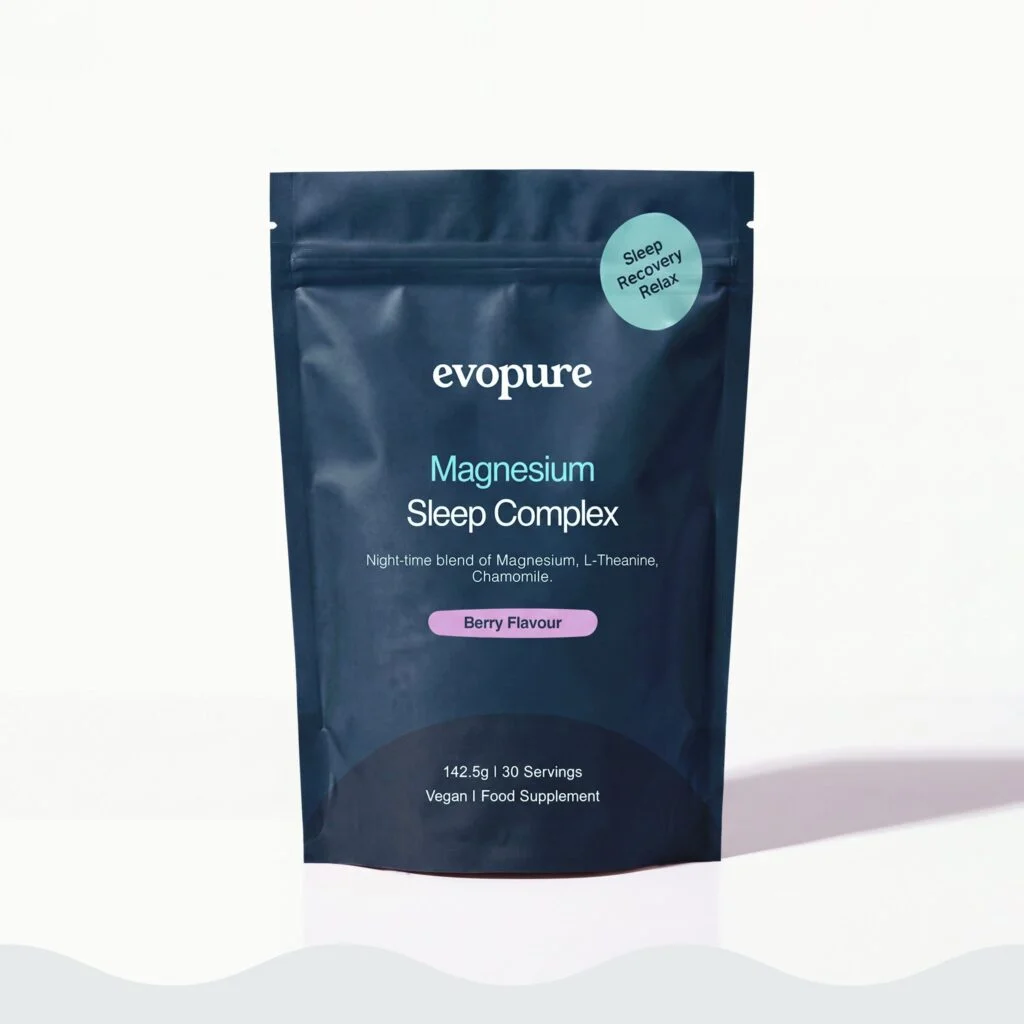
None of our products treats or lowers blood pressure, and we don’t claim they do. If your GP or pharmacist is happy for you to add magnesium, our Magnesium Glycinate Sleep Complex is a berry drink powder with 290mg of magnesium (77% NRV) per 4.75g serving, from magnesium bisglycinate and citrate, plus glycine and L-theanine. It is a drink you can have in the evening, away from morning tablets.
Our pick, once you’ve checked
Magnesium Glycinate Sleep Complex
Magnesium Glycinate Sleep Complex. Magnesium contributes to a reduction of tiredness and fatigue, to normal muscle function and to electrolyte balance. It is not another tablet to swallow.
Add Magnesium Glycinate Sleep Complex to bag See ingredients and reviews
Rated 4.7 out of 5 from 15 ratings on the product page (via Lipscore, checked 17 November 2026). We make it, so we’re not neutral. Vegan and made in the UK. Free UK delivery over £40.
Subscribe £22.49One-off £29.99
View productWhy only one product? Our Reishi hot chocolate pack says it isn’t for people taking medication, and the FSA advises people on any medication not to take CBD unless under medical direction (see can CBD interact with medication?). Comparing magnesium? See best magnesium supplement UK.
How much is sensible? The NHS says adults need 300mg (men) or 270mg (women) a day, and that 400mg or less a day from supplements is unlikely to cause harm. Doses above 400mg can cause diarrhoea. Most people get enough from food: see foods high in magnesium and how much magnesium per day.
Next step
Magnesium Glycinate Sleep Complex
If your GP or pharmacist is happy for you to add magnesium alongside your blood pressure tablets, the Magnesium Glycinate Sleep Complex gives 290mg of magnesium per serving as a berry drink. Magnesium contributes to a reduction of tiredness and fatigue.
Add Magnesium Glycinate Sleep Complex to bag See ingredients and reviews
Subscribe and save 25% on your first order, then 20%. New to Evopure? Join our emails for 20% off a one-off first order. Free UK delivery over £40. Adults only. We don’t recommend our products during pregnancy or breastfeeding.
Subscribe £22.49One-off £29.99
View productSources 11
- BNF (NICE). Magnesium interactions and amlodipine interactions. Checked 17 November 2026.
- BNF (NICE). Interactions for ramipril, losartan, bisoprolol, spironolactone and digoxin. Checked 17 November 2026.
- BNF (NICE). Magnesium glycerophosphate: renal impairment. Checked 17 November 2026.
- NHS. Amlodipine (reviewed 9 June 2026), ramipril (18 March 2026), losartan (10 June 2026) and bisoprolol (8 January 2026).
- NHS. Furosemide (reviewed 7 July 2026), spironolactone (6 May 2026), indapamide (3 July 2026) and bendroflumethiazide (23 April 2025).
- NHS. Low blood pressure (hypotension) and vitamins and minerals: others (magnesium).
- NICE. Hypertension in adults: diagnosis and management (NG136), recommendation 1.4.6 (last updated 26 February 2026).
- NIH Office of Dietary Supplements. Magnesium fact sheet for health professionals: interactions with medications (updated 6 January 2026).
- Sarafidis PA et al. Diuretics in clinical practice. Part II: electrolyte and acid-base disorders complicating diuretic therapy. Expert Opin Drug Saf, 2010.
- Argeros Z et al. Magnesium supplementation and blood pressure: a systematic review and meta-analysis of randomized controlled trials. Hypertension, 2025.
- FSA (gov.uk). Cannabidiol (CBD) guidance.