Last updated: 18 November 2026
Yes, most people can take magnesium with sertraline. The BNF, the UK prescribing guide, lists no magnesium interaction for sertraline, citalopram, fluoxetine, mirtazapine or amitriptyline. On citalopram or escitalopram, low magnesium matters for heart rhythm, so your GP may check your level. Tell your GP or pharmacist before adding any supplement.
Checked against the BNF, the official medicine leaflets (SmPCs), MHRA and NHS pages in November 2026. This is general information, not medical advice. Never stop or change an antidepressant without your doctor.
Magnesium with each antidepressant
None of the common UK antidepressants has a magnesium or antacid interaction in the BNF (all checked 17 November 2026). The thing to know is the other way round: several of their leaflets list low magnesium as a risk factor for heart rhythm problems. That is about a level found on a blood test, which your doctor corrects, not a reason to start a supplement on your own.
| Antidepressant | Magnesium in the BNF | Worth knowing |
|---|---|---|
| Sertraline | None listed | Leaflet: extra care with heart rhythm risks, including low magnesium |
| Citalopram and escitalopram | None listed | Low magnesium should be corrected before starting (leaflet and MHRA) |
| Fluoxetine | None listed | Leaflet lists low magnesium among heart rhythm risks |
| Mirtazapine | None listed | No magnesium warning; can make you drowsy |
| Amitriptyline | None listed | Leaflet: low magnesium raises heart rhythm risk |
Magnesium does stop some other medicines being absorbed, such as certain antibiotics, levothyroxine and bone medicines, so spacing matters if you take those too. See what not to take with magnesium for the full list, and magnesium and levothyroxine for the thyroid gap.
Magnesium glycinate with sertraline
Most people can take magnesium glycinate with sertraline. No interaction is listed, and glycinate (or bisglycinate) is a supplement form, not a medicine. The NHS says sertraline is taken once a day, morning or evening, with or without food, so there is no set gap to keep.
A simple routine many people use:
- Sertraline in the morning: magnesium in the evening.
- Sertraline in the evening: magnesium earlier in the day, or with your evening meal.
- Also on antibiotics, levothyroxine or a bone medicine? Ask your pharmacist how to space everything.
Two practical points. Diarrhoea is a common side effect of sertraline (NHS), and magnesium citrate or oxide can loosen stools too, so start with a smaller amount and build up. Sertraline can also cause dizziness or drowsiness at first. If it does, don’t drive until it settles. More on the side effects in does sertraline cause insomnia? and on the form in magnesium glycinate.
Citalopram and escitalopram: why magnesium levels matter
Citalopram and escitalopram can lengthen the QT interval, a measure of the heart’s rhythm, and the effect rises with the dose. In 2011 the MHRA lowered the maximum doses (20mg citalopram and 10mg escitalopram for people over 65) and said low potassium and low magnesium should be corrected before treatment starts.
The MHRA also advises checking blood magnesium, particularly in older people who may be taking diuretics or indigestion medicines called proton pump inhibitors (PPIs), such as omeprazole. Both can lower magnesium over time. The citalopram leaflet says to take care with any medicine that lowers potassium or magnesium. See magnesium and omeprazole for the PPI side of this.
What this means for you: if you take citalopram or escitalopram with omeprazole, a water tablet or a heart condition, ask your GP whether your magnesium has been checked. Don’t try to fix a low level yourself: your doctor decides how, and a blood test shows whether it worked.
Get help now if you have palpitations, a fast or irregular heartbeat, dizziness or fainting on these medicines. Call NHS 111, or 999 if you collapse or have chest pain.
Signs of low magnesium include muscle twitches, tremors, tiredness and loss of appetite: see signs of magnesium deficiency. Quetiapine and olanzapine carry a similar caution about low magnesium and heart rhythm: see magnesium and antipsychotics.
Fluoxetine and other antidepressants
- Fluoxetine: no magnesium interaction listed. The leaflet names low magnesium among the conditions that raise heart rhythm risk, and the NHS lists diuretics among medicines that may not mix well with it. See does fluoxetine make you tired?
- Mirtazapine: no magnesium interaction or warning. It is usually taken at night and can make you very drowsy, so add any new evening supplement one at a time. More in magnesium and mirtazapine below.
- Amitriptyline: no magnesium interaction listed. The leaflet says low magnesium, like low or high potassium, increases the risk of heart rhythm problems, and advises care with diuretics such as furosemide. More in magnesium and amitriptyline.
- Venlafaxine and duloxetine: no magnesium interaction listed in the BNF either. See magnesium and venlafaxine or duloxetine for timing and what the product information says. Ask your pharmacist about anything new.
For a plain guide to what each medicine is for, see anxiety medication UK. Taking lamotrigine as a mood stabiliser? See magnesium and lamotrigine.
Magnesium and mirtazapine
Most people can take magnesium with mirtazapine. The BNF lists no interaction between them (checked 18 November 2026), and the mirtazapine leaflet gives no magnesium warning. Mirtazapine is usually taken once a day at bedtime and can make you drowsy, so tell your GP or pharmacist before adding any supplement, as the NHS advises.
- Timing: no gap is set between them. If you take mirtazapine at bedtime, magnesium earlier in the evening or with your evening meal is a simple routine. If your dose is split, take magnesium whenever suits you and keep it the same each day.
- One new thing at a time: start a new evening supplement on a night when you don’t need to drive the next morning, and see how you feel. Our Magnesium Glycinate Sleep Complex also contains extracts of hops, chamomile, passionflower and oat straw, so show the label to your pharmacist.
- Stomach side effects: mirtazapine can cause feeling sick or diarrhoea (NHS), and magnesium citrate can loosen stools, so start with a smaller amount.
- What the leaflet does flag: rare heart rhythm (QT) reports, mostly in overdose or with other risk factors, and rare low sodium, mainly in older people. Neither is a magnesium interaction, but tell your GP if you have a heart condition or take other medicines that affect heart rhythm.
The NHS also says not to use St John’s wort with mirtazapine and to avoid alcohol, which can make you very drowsy. Magnesium contributes to a reduction of tiredness and fatigue. It isn’t a treatment for depression, and it doesn’t replace your medicine. Never stop or change mirtazapine without your doctor.
L-theanine and sertraline
Many magnesium drinks, ours included, also contain L-theanine, an amino acid found in tea. L-theanine isn’t a medicine, so it isn’t in the BNF, and we found no reported interaction with sertraline. The only trial we found gave 60 adults with depression sertraline plus either 200mg L-theanine or a placebo for six weeks. Side effects were similar in both groups.
That trial was small and short, and it was testing L-theanine as an add-on to treatment, which is a medical question for your doctor. We make no mood or depression claims for L-theanine or for our drink. Our drink has 100mg per serving. More in magnesium and L-theanine and L-theanine benefits.
Supplements that do clash with antidepressants
Magnesium is not the supplement to worry about. These are:
- St John’s wort: the NHS says do not use it with sertraline, citalopram, fluoxetine or mirtazapine. The BNF warns it might increase the risk of serotonin toxicity. See St John’s wort.
- Tryptophan and 5-HTP: the BNF warns that tryptophan with any of these antidepressants might increase the risk of serotonin toxicity. 5-HTP is the next step along the same pathway. See tryptophan and 5-HTP.
- Ashwagandha: little data, and it can add drowsiness. See ashwagandha and antidepressants.
- CBD: it can raise levels of some antidepressants. See CBD and antidepressants.
Serotonin syndrome is rare but serious. The NHS describes a fast heartbeat, sweating, shaking, twitching muscles and feeling confused or agitated. If you get these, call 111 or your doctor straight away, or 999 if severe. Grapefruit juice is also out with sertraline (NHS), and alcohol is best avoided with all of them.
Does magnesium help depression?
It isn’t a treatment for depression, and there is no authorised health claim linking magnesium to mood. The research is mixed. A 2018 review found little evidence once trials used a placebo. A 2023 review of seven small trials was more positive but called for larger, better studies. Neither changes the advice: take the treatment your doctor prescribes.
We found no good human evidence that magnesium supplements raise serotonin. If low mood is new, or treatment isn’t helping, talk to your GP. Our guides to low mood and magnesium for anxiety cover what the NHS recommends.
If you feel unable to keep yourself safe, call 999 or go to A&E. For urgent mental health help, call NHS 111 and choose the mental health option, or call Samaritans free on 116 123, day or night.
Who should check with a GP first
Ask your GP or pharmacist before taking magnesium with an antidepressant if you:
- have kidney disease or reduced kidney function. Your kidneys clear extra magnesium, so it can build up.
- take citalopram, escitalopram or amitriptyline and have a heart condition or have been told your QT interval is long.
- also take a diuretic (water tablet), omeprazole or another PPI, digoxin or a heart rhythm medicine.
- take several regular medicines, especially antibiotics, levothyroxine or bone medicines that need spacing.
- are pregnant or breastfeeding.
iThe NHS pages for sertraline, citalopram, fluoxetine and mirtazapine all say to tell your doctor about any vitamins or supplements before you start. A pharmacist can check your full list for free. Over 60? See magnesium for older adults.
Where Evopure fits
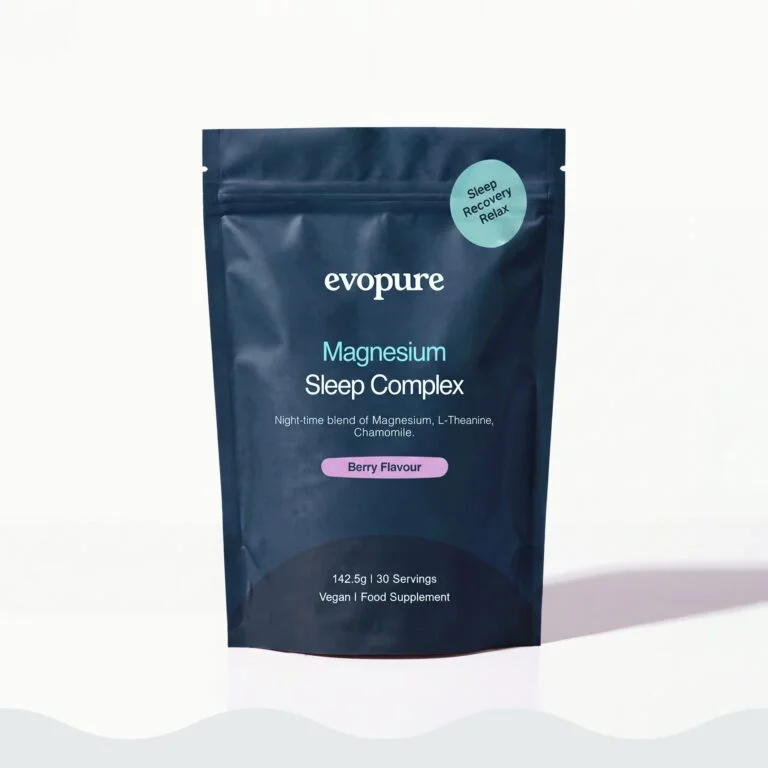
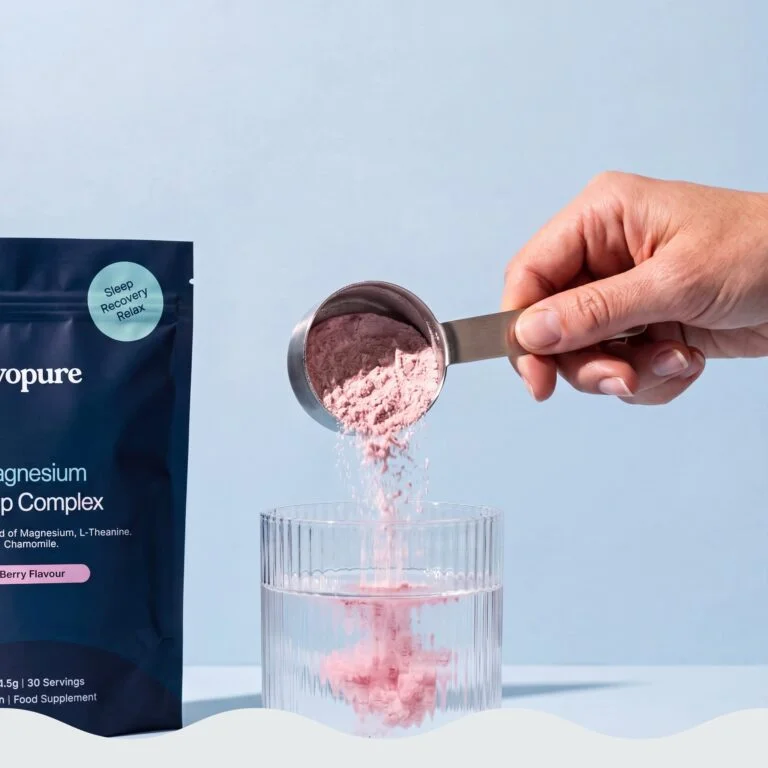
None of our products treats depression or anxiety or replaces an antidepressant, and we don’t claim they do. If your GP or pharmacist is happy for you to add magnesium, our Magnesium Glycinate Sleep Complex is a berry drink powder. Here is everything in one 4.75g serving, so you can show your pharmacist:
| Ingredient | Per 4.75g serving |
|---|---|
| Magnesium (elemental, from bisglycinate and citrate) | 290mg (77% NRV) |
| Glycine | 500mg |
| Oat straw extract | 300mg |
| Hops, chamomile and passionflower extracts | 200mg each |
| L-theanine | 100mg |
No melatonin and no St John’s wort. It does contain herbal extracts, so mention them to your pharmacist, and try it first on an evening when you don’t need to drive if your medicine already makes you drowsy.
Our pick, once you’ve checked
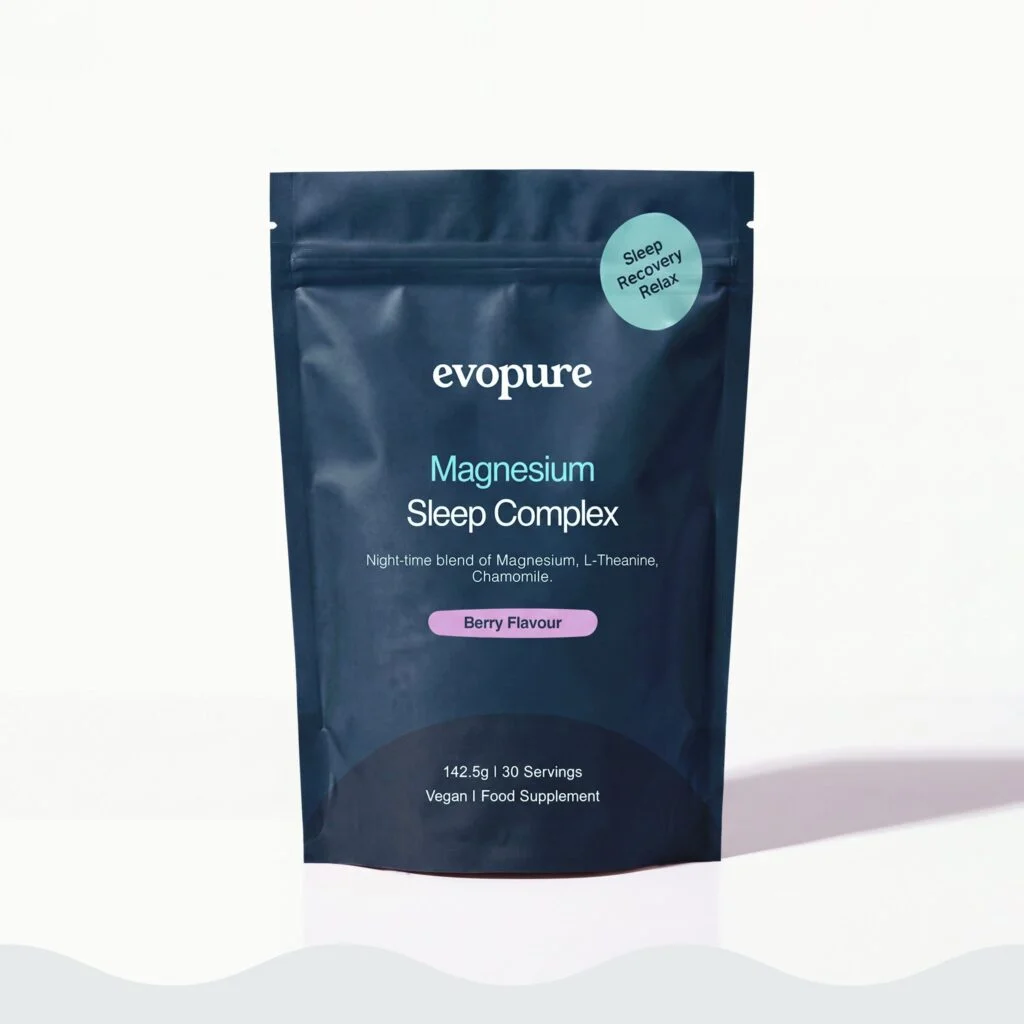
Magnesium Glycinate Sleep Complex
Magnesium Glycinate Sleep Complex. Magnesium contributes to a reduction of tiredness and fatigue. As a drink, it is not another tablet to swallow.
Add Magnesium Glycinate Sleep Complex to bag See ingredients and reviews
Rated 4.7 out of 5 from 15 ratings on the product page (via Lipscore, checked 17 November 2026). We make it, so we’re not neutral. Vegan and made in the UK. Free UK delivery over £40.
Subscribe £22.49One-off £29.99
View productWhy only one product? Our Reishi hot chocolate pack says it isn’t for people taking medication, our Flow oil contains ashwagandha, and the FSA advises people on any medication not to take CBD unless under medical direction. Comparing magnesium? See best magnesium supplement UK.
How much magnesium is safe?
Antidepressants don’t change how much magnesium you need. The NHS says adults need 300mg (men) or 270mg (women) a day, and that 400mg or less a day from supplements is unlikely to cause harm. Most people get enough from food. Read the elemental magnesium on the label, not the weight of the compound.
| Fact | Amount | Source |
|---|---|---|
| Daily need, men (19 to 64) | 300mg | NHS |
| Daily need, women (19 to 64) | 270mg | NHS |
| From supplements, unlikely to cause harm | 400mg a day or less | NHS |
| Our drink, per 4.75g serving | 290mg (77% NRV) | Product label |
Too much can cause diarrhoea. See how much magnesium per day, the best time to take magnesium and does magnesium make you sleepy?
Next step
Magnesium Glycinate Sleep Complex
If your GP or pharmacist is happy for you to add magnesium alongside your antidepressant, the Magnesium Glycinate Sleep Complex gives 290mg of magnesium per serving as a berry drink. Magnesium contributes to a reduction of tiredness and fatigue.
Add Magnesium Glycinate Sleep Complex to bag See ingredients and reviews
Subscribe and save 25% on your first order, then 20%. New to Evopure? Join our emails for 20% off a one-off first order. Free UK delivery over £40. Adults only. We don’t recommend our products during pregnancy or breastfeeding.
Subscribe £22.49One-off £29.99
View productSources 12
- BNF (NICE). Magnesium interactions, sertraline interactions and citalopram interactions. Checked 17 November 2026.
- BNF (NICE). Mirtazapine interactions (no magnesium or antacid entry). Checked 18 November 2026. NHS mirtazapine reviewed 18 August 2026.
- emc. Mirtazapine 15mg tablets SmPC (revised 2 December 2024).
- MHRA. Citalopram and escitalopram: QT interval prolongation. Drug Safety Update, December 2011.
- emc. Citalopram 20mg tablets SmPC (revised 11 June 2026), escitalopram 10mg SmPC, sertraline 100mg SmPC and amitriptyline 25mg SmPC.
- NHS. Sertraline, citalopram (reviewed 26 June 2026), fluoxetine and mirtazapine.
- NHS. Vitamins and minerals: others (magnesium).
- Shamabadi A et al. l-theanine adjunct to sertraline for major depressive disorder: a randomized, double-blind, placebo-controlled clinical trial. J Affect Disord, 2023.
- Phelan D et al. Magnesium and mood disorders: systematic review and meta-analysis. BJPsych Open, 2018.
- Moabedi M et al. Magnesium supplementation and depression in adults: a systematic review and meta-analysis of randomized clinical trials. Front Psychiatry, 2023.
- MHRA. Proton pump inhibitors in long-term use: reports of hypomagnesaemia. Drug Safety Update, April 2012.
- FSA (gov.uk). Cannabidiol (CBD) guidance.