





Last updated: 12 November 2026
CBT for insomnia (CBT-I) is a short, structured talking therapy that changes the habits and thoughts that keep you awake. NICE recommends it as the first treatment for long-term insomnia in adults, ahead of sleeping pills. A course usually runs over 4 to 8 weeks, face to face, in a group or online through an app such as Sleepio.
iBelow: what CBT-I involves, how well it works, what happens week by week, how to get it on the NHS or privately, how to start on your own, and when to see a GP first. If you have had trouble sleeping for months, or it’s making it hard to cope, speak to your GP.
What is CBT for insomnia?
CBT for insomnia is a form of cognitive behavioural therapy built specifically for sleep. It doesn’t try to knock you out. Instead it retrains your body clock and your bed so they work together again, and it tackles the worry about sleep that keeps the problem going. It usually takes 4 to 8 weekly sessions.
Insomnia that lasts 3 months or longer is called long-term (chronic) insomnia, and that’s who CBT-I is mainly for. It’s different from general CBT for anxiety or low mood, although some therapists combine the two. Our insomnia guide covers symptoms, types and causes; this page is about the treatment itself.
CBT-I works on the things that keep insomnia going long after whatever started it (stress, illness, a new baby, a bereavement) has passed:
- spending long hours in bed awake, so bed becomes linked with being awake
- an irregular body clock from lie-ins, naps and early nights to “catch up”
- racing thoughts and worry about not sleeping, which make you more alert at night (see tired but wired and anxiety at night)
Does CBT for insomnia work?
Yes. CBT for insomnia has the strongest evidence of any insomnia treatment, which is why NICE and European sleep experts recommend it first. In trials, people fall asleep faster, spend less time awake in the night and feel their insomnia is less severe, and unlike sleeping pills the benefits tend to last after the course ends.
| Study | Who | What it found |
|---|---|---|
| Trauer 2015 (Annals of Internal Medicine) | 20 trials, 1,162 adults with chronic insomnia | Fell asleep about 19 minutes faster and spent about 26 minutes less awake in the night. Sleep efficiency up about 10% |
| HABIT 2023 (The Lancet) | 642 adults, 35 GP practices in England | Four short nurse-led sleep restriction sessions lowered insomnia scores at 6 months compared with a sleep hygiene booklet alone |
| European Insomnia Guideline 2023 | Expert review | CBT-I is the first-line treatment for chronic insomnia, in person or digitally |
Total sleep time often changes less than people expect, especially early on. What usually improves first is how quickly you drop off, how long you lie awake, and how much the nights worry you.
How CBT-I works: the five parts
Most CBT-I courses combine at least three of these five parts, with a daily sleep diary running through all of them.
| Part | What you do | Why |
|---|---|---|
| Sleep restriction | Shrink your time in bed to match the sleep you actually get, then widen it as sleep improves | Builds sleep pressure so sleep becomes deeper and more solid |
| Stimulus control | Bed for sleep (and sex) only; get up if you can’t sleep; same wake time every day | Re-links bed with sleep, not lying awake |
| Thought work | Spot and answer thoughts like “I’ll never cope tomorrow” | Worry about sleep keeps you alert |
| Relaxation | Breathing, muscle relaxation, a wind-down hour | Lowers arousal before bed |
The fifth part is sleep hygiene education: caffeine, alcohol, light and a comfortable bedroom. On its own it isn’t enough for long-term insomnia, but it supports the rest. Our sleep hygiene habits guide covers it. For relaxation, try progressive muscle relaxation or 4-7-8 breathing, and for the thought work, how to stop overthinking.
What is sleep restriction therapy?
Sleep restriction therapy is the most powerful part of CBT-I. You work out from a sleep diary how long you actually sleep, then limit your time in bed to roughly that (usually not less than 5 to 6 hours), with a fixed getting-up time. As your sleep becomes more solid, you add 15 minutes or so a week.
It’s harder than it sounds. In the first couple of weeks most people feel more tired and sleepy in the day before things settle. That’s expected, and it’s why it works best with support from a therapist, nurse or structured programme.
Take care with sleep restriction: don’t drive or use machinery if you feel sleepy. Sleep restriction isn’t suitable for everyone without medical guidance, including people with epilepsy, bipolar disorder or possible sleep apnoea, people who drive for a living, and during pregnancy. Ask your GP first if any of these apply.
Our sleep calculator helps you plan a bedtime back from a fixed wake time.
What happens in a CBT-I course
Courses vary, but most follow a similar shape over about six weeks. This is a typical outline, not a plan to follow without support.
| Week | What usually happens |
|---|---|
| Before you start | An assessment of your sleep, health and medicines, and a sleep diary for 1 to 2 weeks |
| Week 1 to 2 | How sleep works; set a fixed wake time and your sleep window; stimulus control rules |
| Week 3 to 4 | Review the diary and adjust the window; start on unhelpful thoughts about sleep |
| Week 5 to 6 | Relaxation and wind-down; plan for setbacks so a bad night doesn’t restart the cycle |
Many people notice less time lying awake by weeks 2 to 4, but give it the full course. If you track your sleep with a watch or app, our sleep trackers guide explains why a paper diary is often better during CBT-I.
How to get CBT for insomnia in the UK
You can get CBT for insomnia through your GP, through NHS Talking Therapies in some parts of England, through the Sleepio app (free across Scotland and in some areas of England), or privately from an accredited CBT therapist. What’s on offer depends on where you live, so ask your GP what’s available locally.
- Your GP: they can assess your sleep, check for other causes and refer you for CBT, in person or online.
- NHS Talking Therapies (England): you can refer yourself if you’re 18 or over (16 or 17 in some areas). It’s set up for anxiety and depression, but some local services also run CBT-I or sleep courses. Check your local service’s website.
- Sleepio: a digital CBT-I course that NICE recommends for insomnia in primary care. Free to adults in Scotland; in England only where the local NHS pays for it. See our Sleepio guide for how to sign up.
- Wales and Northern Ireland: ask your GP what CBT-I or digital options are available.
- Privately: look for a therapist on the BABCP register who has training in CBT-I. Ask how many sessions they plan and whether they use sleep restriction.
Can you do CBT for insomnia yourself?
Yes, many people improve with a structured self-help course, a book or an app, and digital CBT-I has good trial evidence. The key is to follow a complete programme with a sleep diary rather than picking out single tips, and to get support if sleep restriction leaves you too sleepy to function safely.
- A book: Colin Espie’s Overcoming Insomnia and Sleep Problems is on the Reading Well Books on Prescription list in England, so many libraries keep a copy.
- An app or online course: Sleepio where it’s free, or a CBT-I programme your GP or local service recommends.
- Start with the basics: the same wake time every day, including weekends; only go to bed when sleepy; if you’ve been awake for what feels like 20 minutes, get up and do something calm in dim light until you feel sleepy; no naps; keep a sleep diary.
If you wake in the small hours, our middle insomnia and how to stay asleep guides explain how these steps apply to night waking.
CBT-I vs sleeping pills
CBT-I treats the pattern behind insomnia; sleeping pills only cover a few nights. The NHS says GPs now rarely prescribe sleeping pills, and then only for a few days or weeks at most, because they can have serious side effects and you can become dependent on them.
| How they differ | CBT-I | Sleeping pills |
|---|---|---|
| Place in NICE advice | First treatment for long-term insomnia | Short term only, for severe insomnia |
| How fast | Weeks | Same night |
| After stopping | Benefits tend to last | Insomnia often returns |
| Downsides | Daytime sleepiness early on; effort | Next-day drowsiness, falls, dependence |
NICE says a newer medicine, daridorexant, can be considered for long-term insomnia only if CBT-I hasn’t worked, isn’t available or isn’t suitable. More in our zopiclone and over-the-counter sleeping tablets guides. Don’t stop a prescribed sleeping tablet suddenly: ask your GP or pharmacist how to come off it.
Who should see a GP first
iSee your GP before starting CBT-I on your own if any of these apply, because another cause may need treating first or alongside it:
- loud snoring, choking or gasping in your sleep, or being very sleepy in the day: signs of sleep apnoea
- an urge to move your legs in the evening or at night: restless legs
- low mood, loss of interest, or anxiety most days
- pain, breathlessness, needing to pee at night, menopause symptoms or another health condition that wakes you
- you’re pregnant, have epilepsy or bipolar disorder, or drive for work
- you take medicines that might affect sleep, or sleeping tablets you want to come off
Get help now: if you’re having thoughts of harming yourself, call 999 or go to A&E if you’re in danger, call NHS 111 (option 2 for mental health in England), or call Samaritans free on 116 123, any time.
Older adults often sleep more lightly and wake earlier, which isn’t always insomnia: see sleep as you get older. Midlife women can find help in perimenopause and sleep; NICE also says CBT should be considered for menopause-related sleep problems.
Where an evening routine fits
Supplements and CBD aren’t a treatment for insomnia, and CBT-I courses usually suggest changing one thing at a time. Once you have a fixed wake time and a wind-down hour, some people like a regular evening ritual, such as a warm drink or a few minutes of quiet, at the same time each night. Our bedtime routine for adults shows how to build one, and natural sleep aids UK sets out what the evidence does and doesn’t show.
Next step
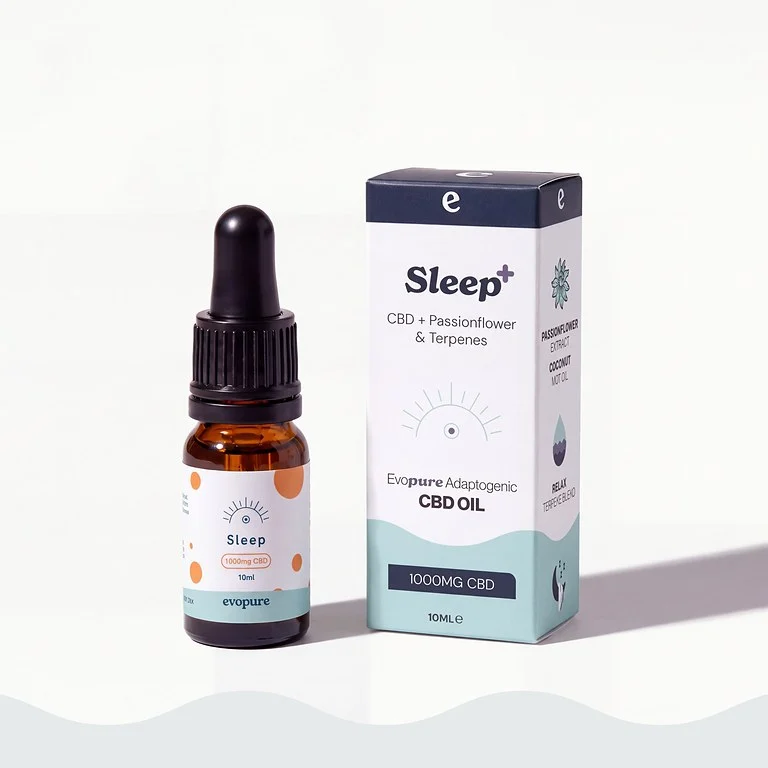
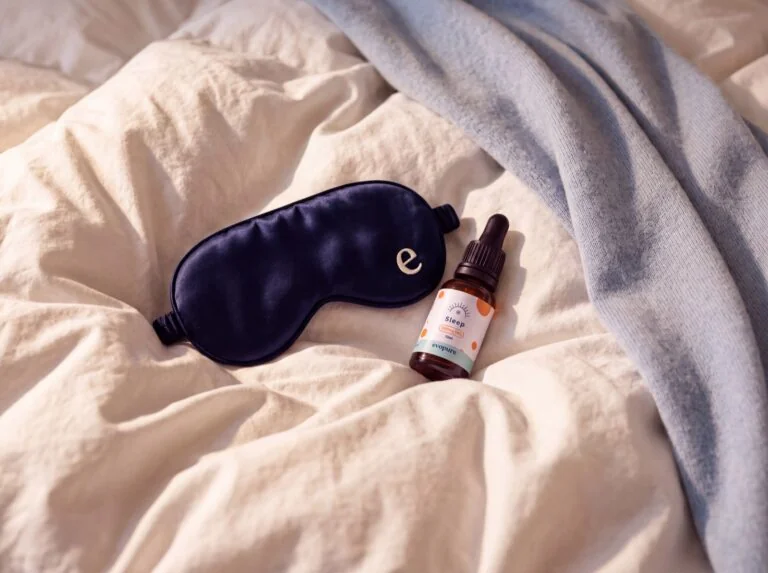
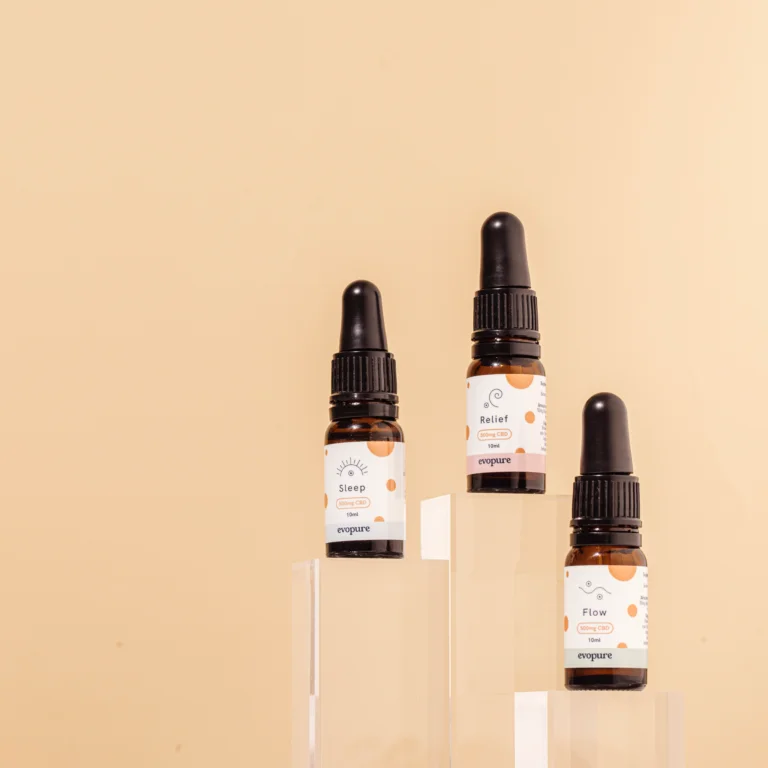
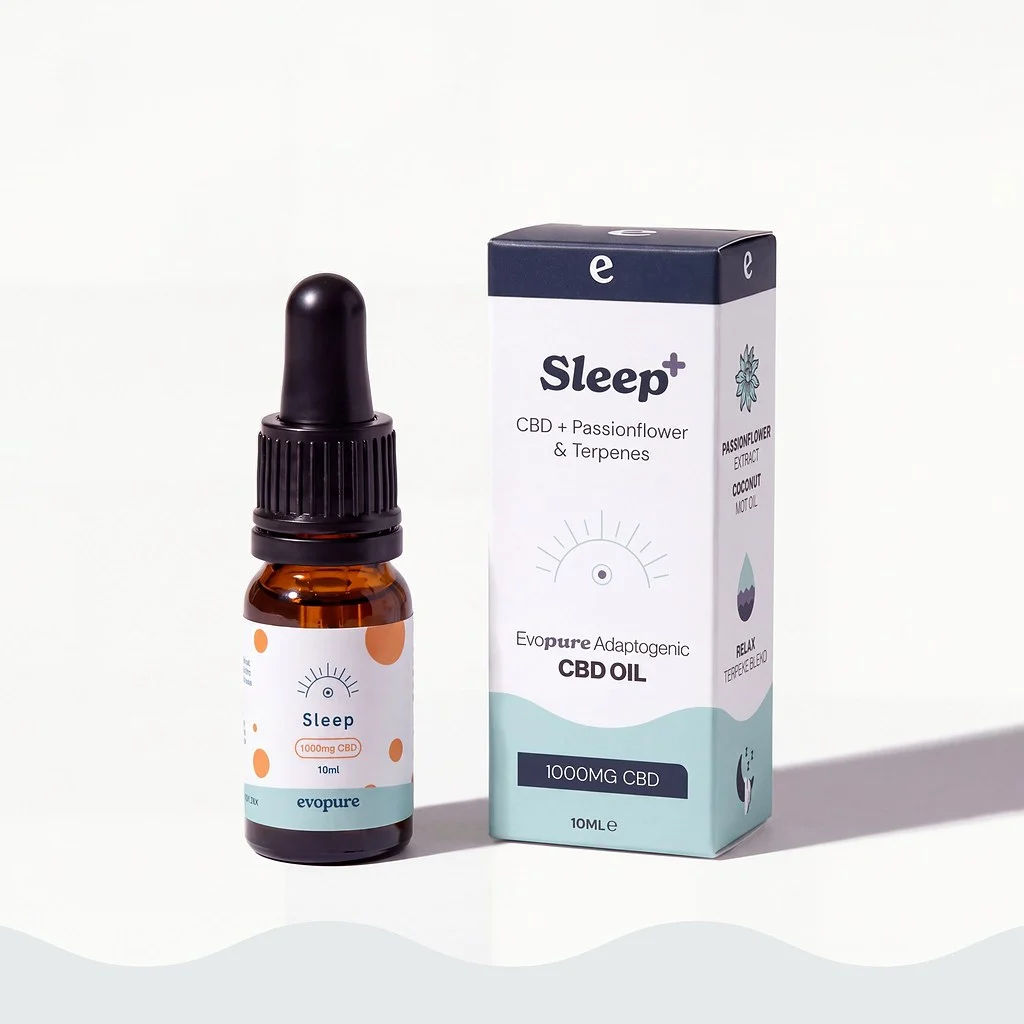
if you’d like a product for your evening routine, Sleep CBD Oil is a broad spectrum CBD oil (0% THC) with 70mg passionflower per half pipette; 10mg of CBD is about 0.2ml of the 500mg oil. Rated 4.6 out of 5 from 75 verified ratings (via Lipscore, checked 12 November 2026). It isn’t a treatment for insomnia.
Add Sleep CBD Oil 500mg to bag or choose another strength
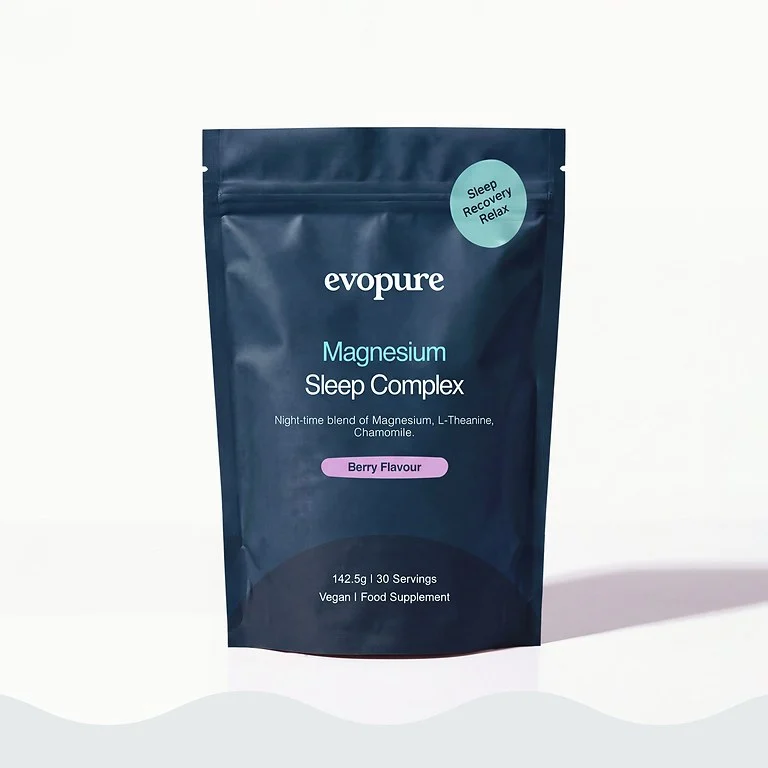
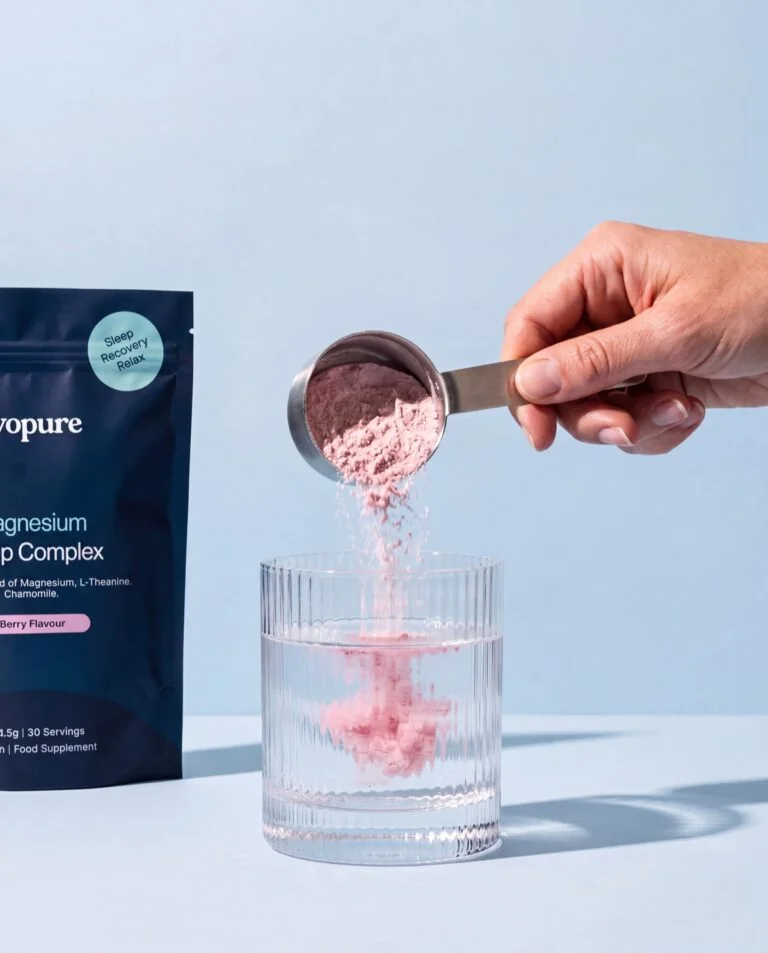
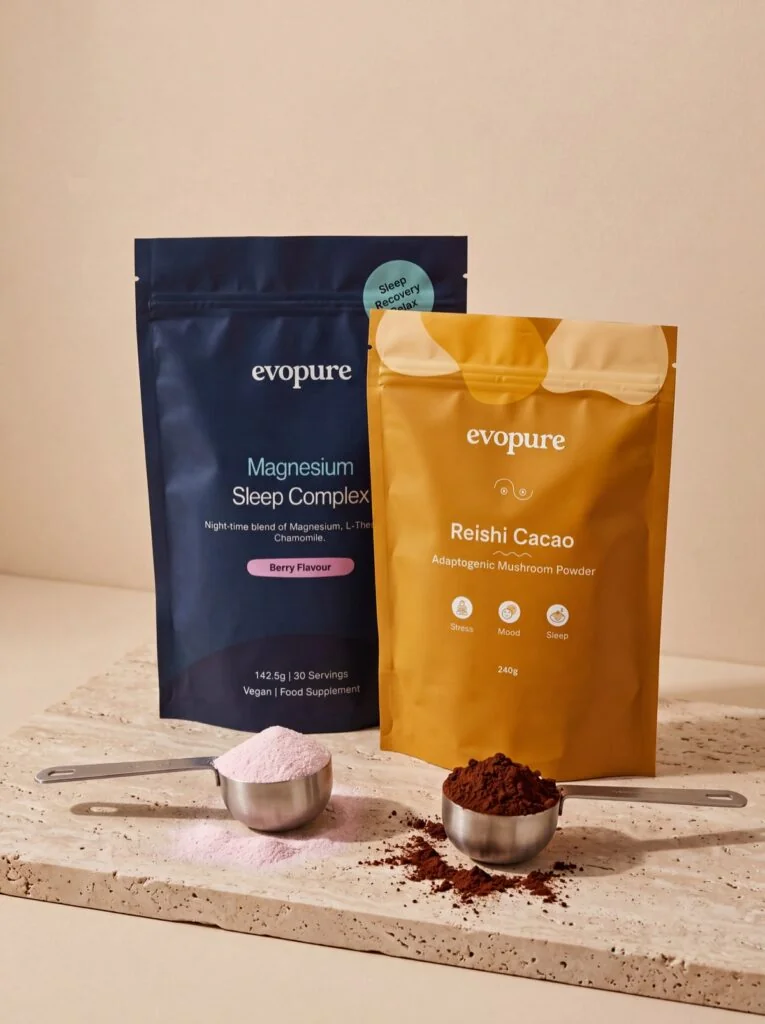
Or, without CBD: Magnesium Glycinate Sleep Complex is a berry drink powder with 290mg magnesium (77% NRV) per 4.75g serving from bisglycinate and citrate, plus glycine, L-theanine, chamomile, passionflower, hops and oat straw. Magnesium contributes to a reduction of tiredness and fatigue. Rated 4.7 out of 5 from 15 verified ratings.
Add Magnesium Sleep Complex to bag see ingredients and reviews
Subscribe and save 25% on your first order, then 20%. New to Evopure? Join our emails for 20% off a one-off first order. Free UK delivery over £40. Our products are for adults only, and we don’t recommend them during pregnancy or breastfeeding. If you take any regular medicines, including sleeping tablets or antidepressants, check with your GP or pharmacist first: see does CBD interact with medication?
The FSA’s 10mg a day figure is precautionary advice rather than a legal limit, set while longer-term safety research continues. At Evopure we think it is a very cautious figure, and many adults use more. If you go above it, increase slowly, and check with your GP or pharmacist first if you take any medication.
Sources 9
- NHS. Insomnia.
- NICE. Sleepio to treat insomnia and insomnia symptoms (HTG624) and Daridorexant for treating long-term insomnia (TA922).
- Trauer JM et al. Cognitive behavioral therapy for chronic insomnia: a systematic review and meta-analysis. Ann Intern Med, 2015.
- Kyle SD et al. Nurse-delivered sleep restriction therapy for insomnia in primary care (HABIT). The Lancet, 2023.
- Riemann D et al. The European Insomnia Guideline: 2023 update. J Sleep Res, 2023.
- NHS. Find NHS Talking Therapies for anxiety and depression.
- NHS inform. Insomnia.
- The Reading Agency. Reading Well.
- Food Standards Agency. Cannabidiol (CBD): consumer advice.
iThis guide is general information, not medical advice. If insomnia is affecting your daily life, speak to your GP. Evopure makes the Sleep CBD Oil and Magnesium Glycinate Sleep Complex mentioned here.