Last updated: 10 November 2026
Resveratrol is a plant compound (a polyphenol) found in grape skins, red wine, peanuts and berries, and sold as supplements usually made from Japanese knotweed root, often at 250 to 500mg. Human trials are small and mixed. In Great Britain, synthetic trans-resveratrol is authorised for adults at up to 150mg a day.
Below: trans-resveratrol vs resveratrol, whether 500mg is safe and legal in the UK, what the research really shows, why red wine isn’t a useful source, medicines to be careful with, and how to read a label.
Our pick
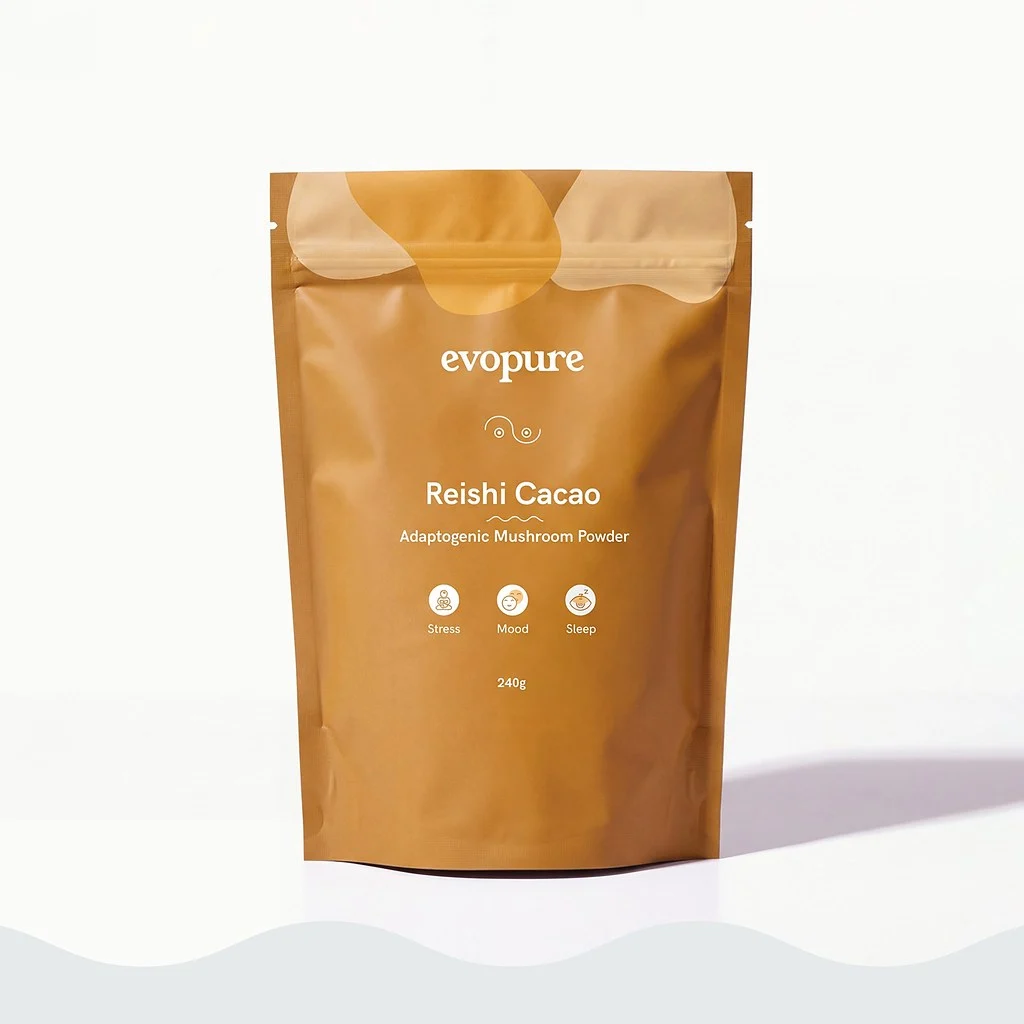
Reishi Mushroom Adaptogenic Complex
Evopure doesn’t sell resveratrol. If your evening glass of red is what you’re trying to swap, Evopure’s Reishi Mushroom Adaptogenic Complex is an alcohol-free reishi hot chocolate powder: 0.5g reishi mushroom, 0.5g maca root and 0.3g cinnamon per 8g serving, with cacao and coconut milk powder. It contains a little natural caffeine from cacao. Vegan and made in the UK.
Add Reishi Mushroom Adaptogenic Complex to bag See ingredients and reviews
Subscribe and save 25% on your first order, then 20%. New to Evopure? Join our emails for 20% off a one-off first order. Free UK delivery over £45.
Subscribe £22.49One-off £29.99
View productWhat is resveratrol?
Resveratrol is a polyphenol of the stilbene family that some plants make to defend themselves against fungi, injury and UV light. It is found in the skins of red grapes, in red wine, peanuts, blueberries and cranberries, and in high amounts in the root of Japanese knotweed (Fallopia japonica, also called Polygonum cuspidatum), the usual source of supplements.
| Resveratrol fact | The detail |
|---|---|
| What it is | A plant polyphenol (a stilbene) |
| Main forms | Trans-resveratrol (stable, studied) and cis-resveratrol |
| Supplement sources | Japanese knotweed extract, synthetic, or made by yeast |
| Typical supplement dose | 100 to 500mg a day; some sell 1,000mg |
| GB authorised level (synthetic) | Up to 150mg a day, adults only, capsules or tablets |
| EFSA safety view (2016) | 150mg a day raises no safety concern for adults |
| Red wine | About 1.9mg per litre on average |
| Absorption | Well absorbed, but very little reaches the blood unchanged |
| Authorised health claims | None in Great Britain |
| Check first if | You take any medicines, especially blood thinners; pregnant or breastfeeding |
Resveratrol became famous in the 2000s when lab studies linked it to longer life in yeast, worms and mice. Those results haven’t been shown in people, and there are no authorised health claims for resveratrol in Great Britain.
Trans-resveratrol vs resveratrol: what’s the difference?
Trans-resveratrol is the main natural form of resveratrol and the one used in most research. “Resveratrol” is the general name covering both the trans and cis forms. Trans-resveratrol can turn into cis-resveratrol when exposed to light. A label that says “trans-resveratrol” with a purity figure tells you exactly how much of the studied form you’re getting.
| Label says | What it means | Trans-resveratrol in 500mg |
|---|---|---|
| Trans-resveratrol 98% | Purified extract or synthetic | About 490mg |
| Japanese knotweed extract, 50% resveratrol | Half the extract is resveratrol | About 250mg |
| Resveratrol (no form or %) | Form and purity unclear | Unknown: ask the seller |
| Grape or red wine extract | Mostly other polyphenols | Usually very little |
In Great Britain the novel food rules require food supplements containing authorised synthetic or yeast-made resveratrol to name it “trans-resveratrol” on the label.
Is resveratrol 500mg safe?
Resveratrol 500mg a day is more than three times the 150mg a day that the European Food Safety Authority (EFSA) assessed as safe for adults, and the level Great Britain authorises for synthetic trans-resveratrol. Trials using 500mg to 2g a day for up to a year mostly reported nausea, diarrhoea and weight loss, so it isn’t known to be dangerous, but long-term safety isn’t established.
- Higher doses, more stomach upset: in 40 healthy volunteers taking 0.5g to 5g a day for 29 days, the 2.5g and 5g doses caused mild to moderate stomach and bowel symptoms.
- A warning from a cancer trial: a trial of a 5g a day resveratrol product in people with multiple myeloma (a blood cancer) was stopped early after several developed kidney problems.
- Medicines: EFSA noted that resveratrol may affect liver enzymes (CYP2C9) that break down some medicines, which is why GB labels must say people using medicines should only take it under medical supervision.
Is resveratrol 500mg legal in the UK?
It depends on the source. Synthetic trans-resveratrol is authorised in Great Britain only up to 150mg a day, in capsules or tablets, for adults, so a 500mg daily dose from that source goes beyond its authorisation. Resveratrol extracted from Japanese knotweed was sold in food supplements before the novel food rules began, and GB rules for yeast-made trans-resveratrol refer to the “normal use” of knotweed extract rather than a fixed cap. If a 500mg product doesn’t say where its resveratrol comes from, ask the seller.
How much resveratrol should you take a day?
There is no recommended daily amount, because resveratrol isn’t an essential nutrient. The best safety evidence is for up to 150mg a day in adults. If you choose to take it, staying at or below that level, with food, is the cautious choice; check with your GP or pharmacist first if you take any medicine.
What does resveratrol do? What the research shows
In people, resveratrol’s effects are small and uncertain. A 2026 umbrella review of 45 meta-analyses found the strongest evidence for slightly lower blood pressure in people with type 2 diabetes, slightly smaller waists, and a little lower cholesterol in overweight adults. Most famous claims, such as slowing ageing, come from lab and animal studies.
| Research question | What studies found | How strong |
|---|---|---|
| Blood pressure | About 8 mmHg lower systolic pressure in people with type 2 diabetes | High certainty, but that group only |
| Weight and cholesterol | 0.8cm less waist; total cholesterol 0.19 mmol/L lower in overweight adults | High certainty, very small effects |
| Blood sugar, liver fat, memory | Some positive results | Moderate certainty |
| Living longer | Diet resveratrol levels weren’t linked to lower death rates in 783 older Italians | Observational, no link |
| Alzheimer’s disease | A 52-week trial in 119 people changed some markers but didn’t improve symptoms | One phase 2 trial |
Our honest summary: resveratrol is interesting in the lab, but there’s no good evidence that a supplement helps healthy people live longer or age more slowly. If blood pressure or blood sugar is your concern, speak to your GP; diet, activity and prescribed treatment do far more. For other researched supplements in this area, see berberine (with its medicines caution) and omega-3.
Resveratrol is often sold alongside NMN as an “anti-ageing stack”; our guide to NAD+, NMN and NR supplements explains their UK legal status and the human evidence. For the antioxidant CoQ10, see coenzyme Q10.
People interested in resveratrol often look at related compounds too: see our guides to astaxanthin, turmeric, green tea and dark chocolate, which all contain polyphenols or pigments studied for similar reasons.
Is red wine a good source of resveratrol?
No. Red wine contains on average about 1.9mg of trans-resveratrol per litre, so a 175ml glass gives roughly 0.3mg. Matching a 150mg supplement would take around 80 litres of wine, and 500mg around 260 litres. Any health effect of moderate drinking can’t be explained by resveratrol, and alcohol itself carries real risks.
- The “French paradox”: the idea that red wine explains lower heart disease in France has not held up as a resveratrol story; researchers have pointed out that the amounts are thousands of times lower than doses used in trials.
- Alcohol limits: the NHS advises no more than 14 units a week, spread over 3 or more days, with several drink-free days.
- Food sources: red grapes, peanuts, blueberries and dark chocolate contain small amounts too.
If you’re cutting back, see alcohol and sleep, the best alcohol-free drinks in the UK and our reishi cacao as an alcohol alternative.
Resveratrol side effects, medicines and who should avoid it
Resveratrol is usually well tolerated at up to 150mg a day. Higher doses can cause nausea, stomach cramps and diarrhoea. The bigger issue is medicines: resveratrol may change how some are broken down, and it may affect blood clotting, so GB labels must say people using medicines should only take it under medical supervision.
- Blood thinners: if you take warfarin, a DOAC such as apixaban or rivaroxaban, clopidogrel or daily aspirin, speak to your GP, pharmacist or anticoagulant clinic before taking resveratrol, as it may add to the risk of bleeding.
- Other regular medicines: EFSA flagged possible interactions with medicines broken down by the CYP2C9 enzyme, which include warfarin and some anti-inflammatory painkillers and diabetes medicines. Ask your pharmacist.
- Pregnancy and breastfeeding: avoid it; it hasn’t been shown to be safe.
- Children: GB authorisation for synthetic trans-resveratrol is for adults only.
- Kidney disease, cancer treatment or a hormone-sensitive condition: ask your specialist first.
- Before surgery or dental work: tell your surgeon or dentist about every supplement you take.
Grapefruit and some supplements affect similar liver enzymes; our guide to the grapefruit warning and medicines explains how these interactions work. If you take warfarin, our vitamin K2 guide covers another supplement to check first.
How to choose a resveratrol supplement
Choose a resveratrol supplement that states the trans-resveratrol content in mg and its source, gives a daily amount you’re comfortable with (the best safety evidence is for 150mg or less), carries the GB line about people using medicines, and makes no anti-ageing promises. No health claims are authorised for resveratrol in Great Britain.
| Label check | What to look for |
|---|---|
| Amount | Trans-resveratrol in mg per daily dose |
| Source | Japanese knotweed, synthetic or yeast-made, named |
| Purity | A % figure (for example 50% or 98%) |
| Medicines line | “People using medicines should only consume under medical supervision” |
| Claims | No “anti-ageing”, “longevity” or disease promises |
Wondering what’s worth taking as you get older? See supplements for women over 40, supplements for men over 50, are multivitamins worth taking? and can you overdose on vitamins?

Next step
Magnesium Glycinate Sleep Complex
If tiredness is part of why you’re looking at “anti-ageing” supplements, Evopure’s Magnesium Glycinate Sleep Complex is a berry drink powder with 290mg of magnesium (77% NRV) per 4.75g serving, from magnesium bisglycinate and citrate. Magnesium contributes to a reduction of tiredness and fatigue and to normal psychological function. Vegan and made in the UK.
Add Magnesium Glycinate Sleep Complex to bag
Subscribe and save 25% on your first order, then 20%. New to Evopure? Join our emails for 20% off a one-off first order. Free UK delivery over £45. If you take any regular medicines, check with your GP or pharmacist first. We don’t recommend our products during pregnancy or breastfeeding.
Subscribe £22.49One-off £29.99
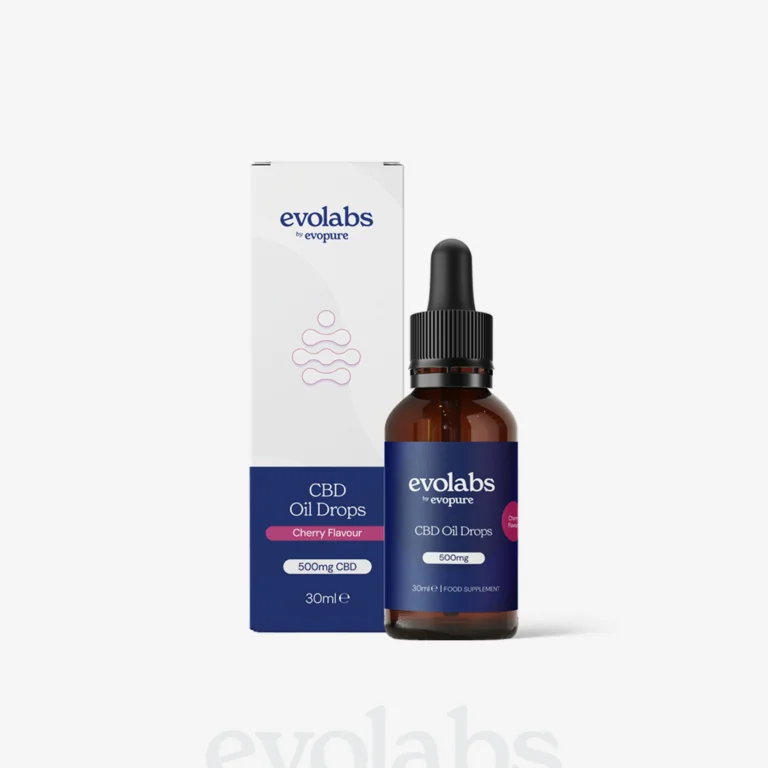
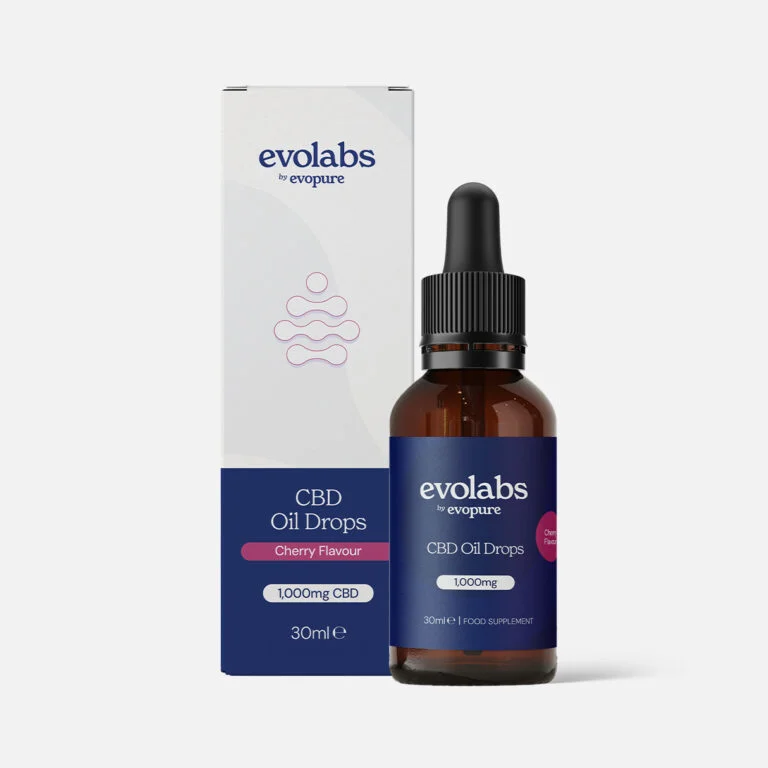
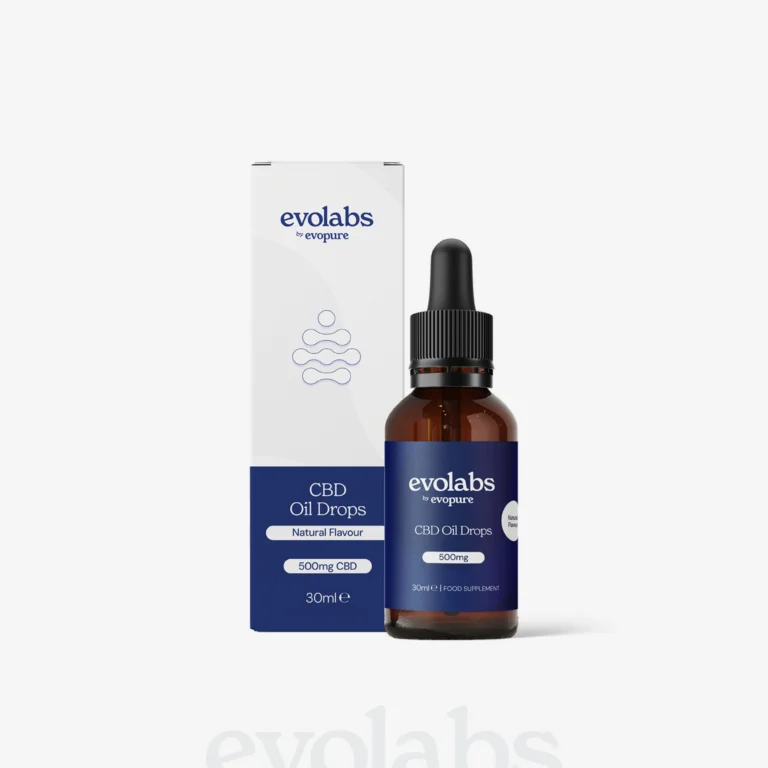
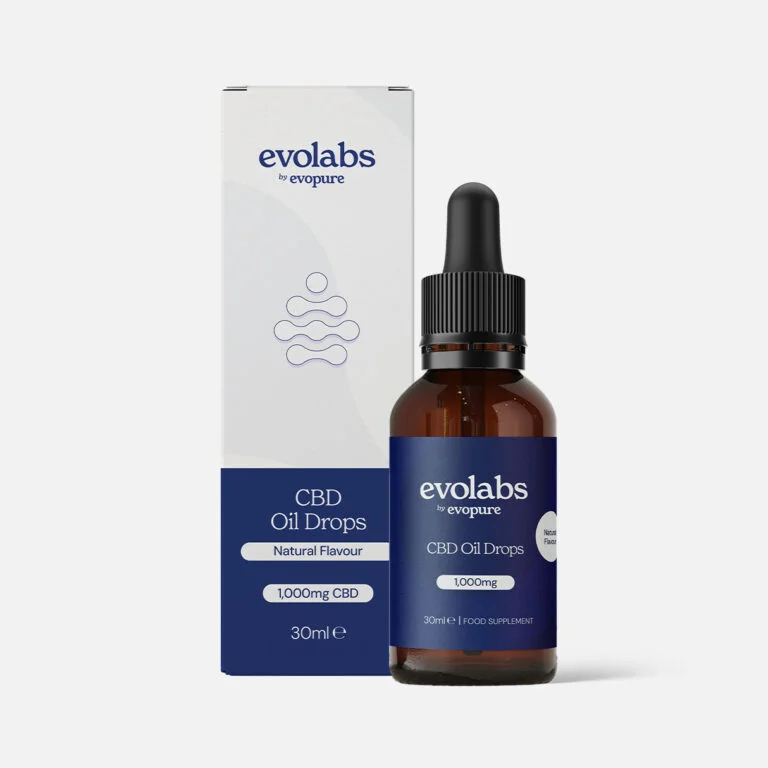
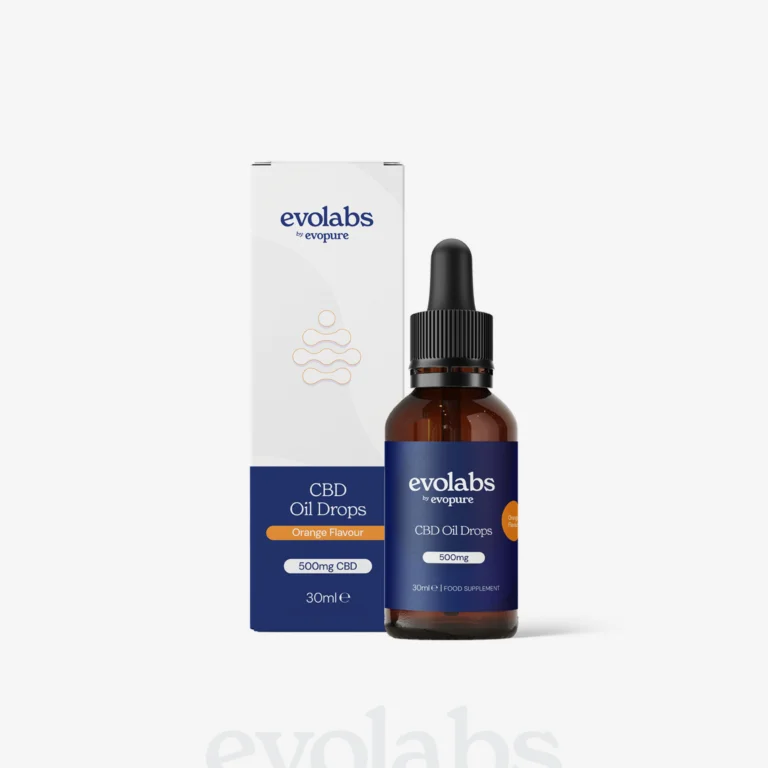
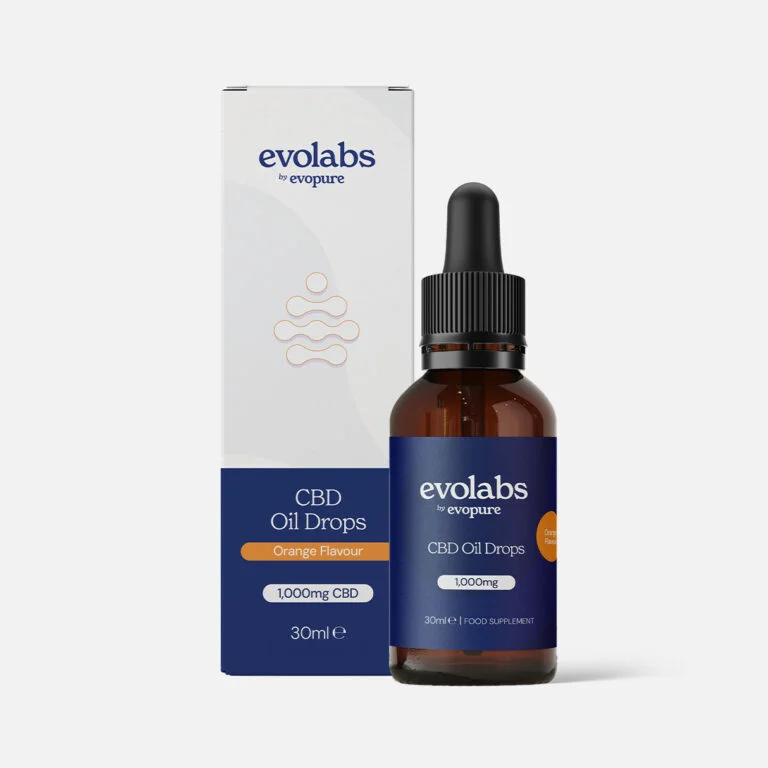
View productAlready use CBD? Our Broad Spectrum CBD Oil is on the FSA public list. The FSA advises healthy adults to take no more than 10mg of CBD a day: about 0.2ml of the 500mg (0.1ml of the 1,000mg) gives 10mg. Adults only.
The FSA’s 10mg a day figure is precautionary advice rather than a legal limit, set while longer-term safety research continues. At Evopure we think it is a very cautious figure, and many adults use more. If you go above it, increase slowly, and check with your GP or pharmacist first if you take any medication.
Sources 14
- EFSA Panel on Dietetic Products, Nutrition and Allergies (2016). Safety of synthetic trans-resveratrol as a novel food. EFSA Journal 14(1):4368.
- Food Standards Agency. Register of authorised novel foods: trans-resveratrol (NOVEL-138) and trans-resveratrol, microbial source (NOVEL-139).
- Commission Implementing Decision (EU) 2016/1190 authorising trans-resveratrol as a novel food ingredient. legislation.gov.uk.
- Department of Health and Social Care. Great Britain nutrition and health claims (NHC) register. GOV.UK.
- NHS. Alcohol units.
- Sun JN et al (2026). Effects of resveratrol supplementation on multiple health outcomes: an umbrella review. Nutrition Journal.
- Weiskirchen S, Weiskirchen R (2016). Resveratrol: how much wine do you have to drink to stay healthy? Advances in Nutrition.
- Walle T et al (2004). High absorption but very low bioavailability of oral resveratrol in humans. Drug Metabolism and Disposition.
- Semba RD et al (2014). Resveratrol levels and all-cause mortality in older community-dwelling adults. JAMA Internal Medicine.
- Turner RS et al (2015). A randomized, double-blind, placebo-controlled trial of resveratrol for Alzheimer disease. Neurology.
- Brown VA et al (2010). Repeat dose study of resveratrol in healthy volunteers: safety, pharmacokinetics, and effect on the insulin-like growth factor axis. Cancer Research.
- Popat R et al (2013). A phase 2 study of SRT501 (resveratrol) with bortezomib for patients with relapsed and or refractory multiple myeloma. British Journal of Haematology.
- Detampel P et al (2012). Drug interaction potential of resveratrol. Drug Metabolism Reviews.
- FSA. Cannabidiol (CBD) guidance.
This guide is general information, not medical advice. Evopure doesn’t sell resveratrol; we make CBD oils and capsules, a magnesium drink powder and a reishi hot chocolate.