
Last updated: October 2026
Manuka honey comes from bees feeding on New Zealand’s mānuka bush. What makes it different is methylglyoxal (MGO), an antibacterial compound found at up to 100 times the level of ordinary honey. Honey dressings have real evidence for some wounds, but as a food, manuka hasn’t been shown to beat ordinary honey for coughs, gut health or immunity.
Below: what MGO and UMF numbers mean, a grading table, the evidence claim by claim, what’s hype, how to choose a jar, how much sugar is in a spoonful and who should avoid it.
The short version: Manuka is a lovely, unusual honey, and the MGO or UMF number on the label tells you how much of its signature compound it contains. But on a spoon or in a hot drink it is still honey: mostly sugar. For a cough or sore throat, ordinary honey has the same evidence. In Great Britain, honey has no authorised health claims at all.
What is manuka honey?
Manuka honey is made by bees from the nectar of the mānuka plant (Leptospermum scoparium), which grows throughout New Zealand. Because it sells for far more than other honey, New Zealand’s Ministry for Primary Industries (MPI) finalised a scientific definition in December 2017. Since 5 February 2018, all honey exported from New Zealand as manuka must pass it, tested by an MPI-recognised laboratory. The test looks for five markers: four chemicals from mānuka nectar and one DNA marker from mānuka pollen.
- Monofloral manuka meets all five markers at set levels.
- Multifloral manuka meets the same five at different levels for two of them, so it contains more honey from other flowers. Fail this too and it isn’t manuka.
The four chemicals are 3-phenyllactic acid, 2′-methoxyacetophenone, 2-methoxybenzoic acid and 4-hydroxyphenyllactic acid. MGO isn’t on the list: the definition proves where the honey came from, not how strong it is.
What makes it different: MGO (methylglyoxal)
In 2008, German food chemists found that six New Zealand manuka honeys contained 38 to 761mg/kg of methylglyoxal, up to 100 times more than conventional honeys. In the lab, manuka stopped the growth of E. coli and Staph. aureus even when diluted to 15 to 30%, while most other honeys had no effect at 80% strength or weaker. The researchers concluded that MGO is the main source of manuka’s extra antibacterial activity.
MGO isn’t in the flowers themselves. Mānuka nectar is rich in a sugar-related compound called dihydroxyacetone (DHA), and a 2009 study showed it slowly turns into MGO as the honey matures. That’s why fresh manuka can test low and why some grading systems measure DHA too.
The catch: these are test-tube results. Killing bacteria in a dish tells you little about swallowing a teaspoon in tea.
MGO and UMF ratings explained
You’ll usually see one of two numbers on a jar.
- MGO 100+, 250+, 400+ and so on is simply the amount of methylglyoxal in mg per kg of honey. MGO 400+ means at least 400mg/kg.
- UMF 5+, 10+, 15+ and so on is a grade from the UMF Honey Association, a New Zealand industry body that licenses producers. A UMF rating covers four factors: MGO for potency, leptosperin (a mānuka marker) for authenticity, DHA for shelf life and HMF for freshness.
The association publishes the minimum levels for each grade:
| UMF grade | MGO (mg/kg) | Leptosperin (mg/kg) | DHA (mg/kg) |
|---|---|---|---|
| UMF 5+ | 83 | over 100 | 150 |
| UMF 10+ | 261 | over 150 | 250 |
| UMF 15+ | 512 | over 200 | 400 |
| UMF 20+ | 826 | over 200 | 500 |
| UMF 25+ | 1,197 | over 200 | 500 |
So UMF 10+ is roughly MGO 250+, and UMF 15+ roughly MGO 500+. Sellers’ conversion charts differ slightly, so treat them as approximate. A higher number means more MGO, not proven extra health benefits: no food trial shows UMF 20+ helps you more than UMF 5+.
Manuka honey benefits: claim, evidence, verdict
| Claim | What the evidence shows | Our verdict |
|---|---|---|
| Eases coughs from colds | Reviews of honey in general (not manuka) show modest relief compared with no treatment or usual care | Any honey, modest |
| Soothes a sore throat | The NHS suggests hot lemon and honey but says the evidence is limited; nothing shows manuka works better | Any honey, comforting |
| Heals wounds and burns | Honey dressings healed partial thickness burns faster in trials, but these are clinical wound-care products | Real, but not a home remedy |
| Gut health | 20g a day of UMF 20+ for 4 weeks didn’t change gut bacteria in healthy adults; the GB digestion claim for honey is non-authorised | Unproven |
| Stomach ulcers and H. pylori | Lab and rat studies only; we found no good human trials | Not a treatment |
| Immunity, “natural defences” | No trials of eating manuka to prevent infections; the GB “natural defences” claim for honey is non-authorised | Unproven |
| Antioxidant | The GB antioxidant claims for honey were assessed and not authorised | Not a reason to buy |
| Skin, acne and eczema | We found no good trials of manuka from a jar on the skin | Unproven |
| Dry eyes | 5 small trials of special manuka eye products (288 adults) looked promising but were limited | Medical products only, never jar honey |
The pattern is clear: where manuka has real evidence, it is a medical product. Eaten, it hasn’t been shown to do more than other honey. For the bigger picture on staying well in winter, see our honest guide on how to support your immune system, plus the evidence on elderberry and echinacea.
Manuka honey for a sore throat or cough
Honey is one of the few home remedies with some evidence for coughs. A Cochrane review of six trials in 899 children aged over 1 found honey probably reduces how often they cough compared with no treatment or a placebo, mainly in the first few days. A 2021 Oxford review of 14 studies found honey eased cough frequency and severity compared with usual care. NICE lists honey (for people over 1) as having limited evidence of some benefit for cough.
None of these trials showed manuka does better than ordinary honey, so use whichever you have. The NHS hot lemon and honey recipe:
- Squeeze half a lemon into a mug of boiled water.
- Add 1 to 2 teaspoons of honey.
- Drink while still warm (don’t give hot drinks to small children).
Most sore throats get better within a week, and a pharmacist can advise on pain relief or check if you need antibiotics. See a GP if a cough lasts more than 3 weeks. More in our guides to sore throat remedies, coughing at night, sleeping with a cold and cold or flu, or stir a spoon of honey into chamomile tea.
Wounds and burns: why not use the jar
This is the strongest evidence, but it’s about clinical products. A Cochrane review of 26 trials (3,011 people) found honey dressings heal partial thickness burns about 4 to 5 days faster than conventional dressings, and infected surgical wounds faster than antiseptic washes and gauze. For most other wounds, including leg ulcers and diabetic foot ulcers, the evidence was low quality or unclear.
Those dressings are medical wound-care products. Honey from a jar is a food, and the NHS warns it can contain the bacteria that cause botulism. For a burn, the NHS says to hold it under cool running water for 20 minutes and not to put creams, oils or butter on it. So please don’t treat cuts, burns or ulcers with kitchen honey: ask a pharmacist, practice nurse or GP.
What’s hype
- “Superfood” and “immune booster”. Every health claim submitted for honey in Great Britain, including natural defences, digestion, antioxidants and heart health, is non-authorised.
- “Higher grade, better health”. High grades have more MGO and cost much more, but no food trial shows extra benefit.
- Manuka as a “healthy sugar”. It is still about four-fifths sugar. More on that below.
- Gut healing and fighting infections. Lab results don’t translate to a spoonful. For gut support, the evidence is better for fibre and some probiotics; see our gut health guide.
How to choose manuka honey
Match the grade to the job, not the marketing.
| If you want | Good choice |
|---|---|
| Something sweet for toast, porridge or tea | Any honey you enjoy |
| Honey and lemon for a cold | Any honey |
| The manuka flavour for everyday use | A lower grade, such as UMF 5+ to 10+ or MGO 83+ to 263+ |
| A high grade (UMF 15+ or MGO 500+) | Only if you’re happy to pay for MGO; don’t expect health extras |
| Help with a wound or burn | Advice from a pharmacist or GP, never a jar |
| Something for a baby under 1 | No honey of any kind |
When buying, check for:
- A clear number: MGO in mg/kg or a UMF grade. Words like “active” without a number tell you little.
- A product of New Zealand, labelled monofloral or multifloral, the two versions of the MPI test.
- No health claims. Immunity, gut or healing claims aren’t authorised for honey in Great Britain, so they’re a red flag.
- Price per spoon. Cost rises steeply with grade. For stirring into tea, a high grade is money you don’t need to spend.
How much sugar is in a spoonful of honey?
Honey is about 82% sugar, mostly fructose and glucose. Manuka is still honey, so the numbers are much the same.
| Amount | Weight | Sugar | Calories |
|---|---|---|---|
| 1 teaspoon | about 7g | about 6g | about 21kcal |
| 1 tablespoon | about 21g | about 17g | about 64kcal |
| 100g | 100g | 82g | 304kcal |
The NHS counts honey as a free (added) sugar and says adults and children aged 11 and over should have no more than about 30g of free sugars a day. That’s roughly 5 teaspoons of honey with nothing else sweet all day, so a tablespoon of manuka “for your health” uses more than half. If you’re trying to cut down, see our guide to sugar cravings.
Who should avoid manuka honey
- Babies under 1: never. The NHS says not to give honey, manuka included, to babies under 12 months. Occasionally it contains bacteria that can produce toxins in a baby’s gut, causing infant botulism, a very serious illness.
- Young children: the NHS advises avoiding sugar, including honey, for children aged 4 and under, which also helps prevent tooth decay.
- People with diabetes: manuka raises blood sugar like any other sugar and isn’t a healthier swap. Count it as sugar and ask your diabetes team.
- People allergic to honey or bee products: honey allergy is very rare but can be serious. Avoid it if you’ve reacted before. The NHS says to call 999 if you think someone is having an anaphylactic reaction, such as swelling of the throat and tongue or difficulty breathing.
- Wounds, eyes or burns: never use jar honey; ask a pharmacist or GP.
Is manuka honey worth it?
If you love the taste, a lower grade is a lovely treat. But it isn’t worth paying premium prices for health reasons. Ordinary honey has the same evidence for coughs, manuka’s wound benefits come from sterile medical dressings, and the gut and immunity claims don’t stand up. Whatever the grade, a tablespoon is mostly sugar.
Evopure doesn’t sell honey. If you’re after a warm evening drink, our Magnesium Glycinate Sleep Complex is a caffeine-free bedtime drink with magnesium bisglycinate, L-theanine and chamomile; magnesium contributes to a reduction of tiredness and fatigue. It isn’t a cold or sore throat remedy. See also our best teas for sleep, healthy hot chocolate and winter wellness guides.
See also garlic in honey: does it work?
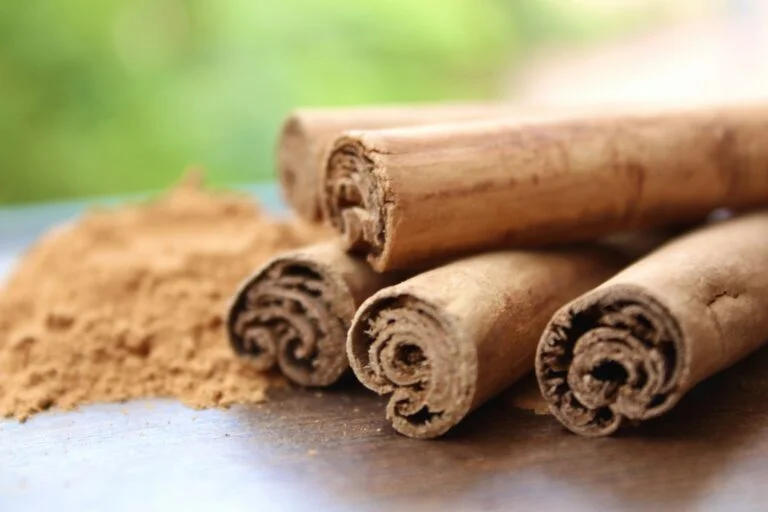
Thinking of cinnamon and honey? Our cinnamon benefits guide looks at the evidence behind the trend.
FAQs
Is manuka honey worth the money?
For taste, it can be. For health, the evidence doesn’t justify premium prices: ordinary honey has the same evidence for coughs, and the gut and immunity claims are unproven. If you buy it, a lower grade is fine for everyday use.
What does UMF mean on manuka honey?
UMF stands for Unique Mānuka Factor, a grading system run by a New Zealand industry body. A UMF grade checks MGO (potency), leptosperin (authenticity), DHA (shelf life) and HMF (freshness). UMF 10+ means at least 261mg/kg of MGO.
What is the difference between MGO and UMF?
MGO is just the amount of methylglyoxal in mg per kg of honey. UMF is a grade that includes MGO plus checks for authenticity and freshness. Roughly, UMF 10+ equals MGO 250+ and UMF 15+ equals MGO 500+.
Is manuka honey good for a sore throat?
Honey in a warm drink can be soothing, and there is modest evidence for honey easing coughs. But no trials show manuka works better than ordinary honey, so any honey will do. See a pharmacist if your throat is very painful or isn’t improving after a week.
How much manuka honey should I take a day?
There is no proven health dose. The NHS honey and lemon recipe uses 1 to 2 teaspoons. Remember a teaspoon has about 6g of sugar, and adults should have no more than about 30g of free sugars a day.
Can babies and children have manuka honey?
Never give any honey, including manuka, to babies under 12 months because of the risk of infant botulism. For children over 1, a little honey for a cough is fine, but the NHS advises avoiding sugar, including honey, for children aged 4 and under.
Is manuka honey OK for diabetics?
Like all honey, manuka is about 82% sugar, and it raises blood sugar like other sugars. It isn’t a healthier swap for people with diabetes. Count it as sugar and check with your diabetes team.
Sources
- Food Standards Scotland. Food standards training manual, amendment sheet 2: mānuka honey definition (MPI), June 2018.
- UMF Honey Association. The UMF four factor quality testing (grade table).
- Mavric E, et al. Methylglyoxal as the dominant antibacterial constituent of manuka honeys from New Zealand. Mol Nutr Food Res, 2008. PMID 18210383.
- Hegazi NM, et al. The super-food Manuka honey, a comprehensive review of its analysis and authenticity approaches. J Food Sci Technol, 2022. PMID 35734106.
- Adams CJ, et al. The origin of methylglyoxal in New Zealand manuka honey. Carbohydr Res, 2009. PMID 19368902.
- Oduwole O, et al. Honey for acute cough in children. Cochrane Database Syst Rev, 2018. PMID 29633783.
- Abuelgasim H, et al. Honey for symptomatic relief in upper respiratory tract infections: systematic review and meta-analysis. BMJ Evid Based Med, 2021. PMID 32817011.
- Jull AB, et al. Honey as a topical treatment for wounds. Cochrane Database Syst Rev, 2015. PMID 25742878.
- Wallace A, et al. Safety of manuka honey UMF 20+ in a human clinical trial with healthy individuals. Br J Nutr, 2010. PMID 20064284.
- Abd Elaziz WM, et al. Manuka honey against Helicobacter pylori: in vitro and in vivo (rat) study. BMC Complement Med Ther, 2026. PMID 42563159.
- Hu J, et al. Efficacy and safety of manuka honey for dry eye: meta-analysis. Clin Exp Optom, 2023. PMID 35950413.
- Aguiar R, et al. Anaphylaxis caused by honey: a case report. Asia Pac Allergy, 2017. PMID 28154806.
- NICE. Cough (acute): antimicrobial prescribing (NG120).
- NHS. Cough; Sore throat; Burns and scalds; Botulism; Anaphylaxis; Foods to avoid giving babies and young children; How to cut down on sugar.
- Department of Health and Social Care. Great Britain nutrition and health claims (NHC) register (honey entries: non-authorised).
- USDA FoodData Central. Honey, FDC ID 169640: nutrients per 100g and per tablespoon.
This guide is general information, not medical advice. Evopure makes the Magnesium Glycinate Sleep Complex. We don’t make or sell honey.