Last updated: 17 November 2026
Most people can take magnesium with blood thinners. The BNF, the UK prescribing guide, lists no magnesium interaction with apixaban, rivaroxaban, edoxaban, dabigatran or warfarin (checked 17 November 2026). Warfarin is the one to be careful with: its prescribing information says to avoid new supplements unless your doctor agrees. Ask your anticoagulant clinic, GP or pharmacist first.
Checked against the BNF, NHS medicine pages, prescribing information and PubMed in November 2026. General information, not medical advice.
Magnesium with each blood thinner
Anticoagulants such as apixaban, rivaroxaban and warfarin are often prescribed to lower the risk of stroke in atrial fibrillation (AF) or to treat clots. Antiplatelets such as clopidogrel and low-dose aspirin are often prescribed after a heart attack or stroke. Here is what the BNF lists for each.
| Medicine | Magnesium interaction in the BNF | What to know |
|---|---|---|
| Apixaban (Eliquis) | None listed | Usually twice a day, with or without food (NHS) |
| Rivaroxaban (Xarelto) | None listed | Taken with food. A study found a magnesium antacid made no significant difference to levels |
| Edoxaban (Lixiana) and dabigatran (Pradaxa) | None listed | Tell your pharmacist about any supplement |
| Warfarin | None listed | Prescribing information says to avoid supplements unless your doctor agrees, as you may need more INR tests |
| Clopidogrel and aspirin | None for clopidogrel. Antacids reduce absorption of high-dose aspirin only | The aspirin entry doesn’t cover the usual 75mg dose. Ask your pharmacist |
“None listed” doesn’t mean no check is needed. The NHS pages for apixaban, rivaroxaban, edoxaban and warfarin all say to tell your doctor about any vitamins or supplements before you start. Magnesium can stop some other medicines being absorbed if taken at the same time: see what not to take with magnesium. Taking CBD too? Read CBD and blood thinners.
Magnesium and apixaban (Eliquis)
Most people can take magnesium with apixaban. The BNF lists no interaction, and magnesium isn’t on the NHS list of things that may not mix with apixaban. That list includes other anticoagulants, anti-inflammatory painkillers such as ibuprofen, SSRI antidepressants and St John’s wort.
Stomach acid doesn’t seem to change how apixaban is absorbed. In a 2013 study in 18 healthy adults, the indigestion medicine famotidine made no difference to apixaban levels, and the researchers concluded apixaban can be taken without regard to medicines that change stomach acid. No study has tested magnesium glycinate with apixaban (Eliquis), and we found none that suggests a problem. Glycinate is a supplement form, not an antacid.
Magnesium and rivaroxaban (Xarelto)
Rivaroxaban has no magnesium entry in the BNF either. It is one of the few blood thinners with a direct test: in a 2006 study in healthy men, an aluminium and magnesium hydroxide antacid taken with rivaroxaban made no significant difference to the amount in the blood. The NHS says to take rivaroxaban with food, at the same time every day.
Edoxaban (Lixiana) and dabigatran (Pradaxa) have no magnesium entry in the BNF, and their UK prescribing information (checked on the emc website) doesn’t mention magnesium or antacids.
The NHS says not to stop rivaroxaban unless a doctor tells you to, because stopping suddenly can be dangerous. A supplement is never a reason to skip or change a dose of any blood thinner.
Magnesium and warfarin
Warfarin needs the most care, but not because of a known magnesium problem: the BNF lists no magnesium interaction. Warfarin reacts to many foods, herbs and supplements, and its dose is set by your INR blood test. The UK prescribing information says patients should generally avoid herbal medicines and food supplements while taking warfarin, and tell their doctor about any they take, as more frequent monitoring is advisable.
So on warfarin:
- Ask your anticoagulant clinic or GP first. They may want an extra INR test after you start.
- Keep it steady. Same product, same amount, same time of day, so any change in your INR has a clear cause.
- Space it as a precaution. Patient.info’s interaction checker (January 2026) suggests keeping magnesium at least 2 hours away from warfarin. It costs nothing to do.
- Mind the known ones. The NHS says not to take vitamin K supplements or St John’s wort with warfarin, to avoid cranberry juice and grapefruit juice, and to keep green leafy vegetables steady rather than cutting them out. See vitamin K2 and warfarin.
Supplements that do matter with blood thinners
Magnesium isn’t on the British Heart Foundation’s list of supplements to watch with blood thinners (updated 26 June 2026). These are:
- St John’s wort: can make anticoagulants and antiplatelets less effective. UK advice is not to take it with them. See St John’s wort.
- Vitamin K: works against warfarin. Avoid vitamin K supplements and keep vitamin K foods steady.
- High-dose vitamin E: may increase the risk of bleeding. See vitamin E.
- High-dose omega 3 (fish oil): may add to bleeding risk. See omega 3.
- High-dose garlic: a slight increase in bleeding risk.
The NHS also warns against cranberry products with warfarin, and the BNF lists glucosamine as potentially increasing warfarin’s effect. Turmeric supplements are another common one to check: see turmeric benefits and side effects.
The BHF adds that most people don’t need supplements unless they have a diagnosed deficiency.
Herbs in magnesium blends
Many “sleep” or “calm” magnesium products add herbs, and herbs are what anticoagulant clinics tend to ask about. Read the full ingredients list, not just the front of the pack.
Chamomile is a good example. A 2021 review of food and supplement reports with warfarin listed chamomile tea among the items linked to a higher bleeding risk. A 2023 trial paper notes that this caution rests largely on one 2006 case report. That small trial in 12 healthy volunteers, none on warfarin, found chamomile tea or capsules for a week didn’t change clotting tests. That is reassuring for people not on warfarin, but it doesn’t answer the question for people who are.
Our own magnesium drink contains chamomile, passionflower, hops and oat straw extracts (amounts below), so if you take warfarin, show the label to your clinic before trying it. More on chamomile with magnesium in magnesium and chamomile together.
Atrial fibrillation: digoxin and heart rhythm medicines
If your blood thinner is for AF, some of your other heart medicines matter more for magnesium than the blood thinner does:
- Digoxin: the BNF advises taking antacids 2 hours apart from it, and says digoxin toxicity is increased by electrolyte disturbances. Don’t add magnesium on digoxin without asking your GP. See magnesium and heart medication.
- Bisoprolol, diltiazem and verapamil: no supplement interaction listed (the diltiazem and verapamil entries are for injected magnesium in pregnancy). See magnesium and blood pressure medication.
- Water tablets: furosemide and indapamide increase the magnesium lost in urine (prescribing information).
- Statins: only rosuvastatin has a listed antacid interaction (2 hours apart). See magnesium and statins.
iPalpitations or a heartbeat that feels different need your GP, not a supplement: see heart palpitations.
Who should check first
Ask your GP, pharmacist or anticoagulant clinic before taking magnesium with a blood thinner if you:
- take warfarin (the prescribing information asks you to avoid supplements unless your doctor agrees).
- have kidney disease. Your kidneys clear magnesium, and the BNF advises caution with prescribed magnesium in kidney problems and avoiding it when kidney function is very low.
- take digoxin or another heart rhythm medicine, or have been told your magnesium or potassium is high or low.
- take several regular medicines, especially water tablets, antibiotics, levothyroxine or bone medicines.
- are pregnant or breastfeeding.
iA pharmacist can check your full list for free. See also magnesium for older adults and signs of magnesium deficiency. Taking breast cancer tablets as well? See magnesium and breast cancer tablets.
Bleeding signs to know
The NHS lists bleeding more than usual as a common side effect of apixaban, rivaroxaban and edoxaban, and the main side effect of warfarin: nosebleeds, bleeding gums, bruising more easily or bleeding longer from cuts. Speak to your pharmacist or doctor if these bother you, and keep taking your blood thinner unless told to stop.
Call NHS 111 if you take a blood thinner and you have symptoms of bleeding, you’ve had a head injury or you think you’re having another serious side effect (NHS).
Serious bleeding signs include blood in your pee or poo, blood in your vomit or coughing up blood, and a sudden bad headache with confusion, slurred speech or difficulty moving your arms or legs. If you’re told to go to A&E, don’t drive: ask someone to take you or call 999.
Carry your anticoagulant alert card and show it to your doctor or dentist before any procedure.
Don’t put new bruising or bleeding down to a supplement, or treat it with one. Tell your clinic.
When to take magnesium with a blood thinner
There is no fixed gap for apixaban or rivaroxaban, so pick a routine you can keep. A simple one for many people:
- Apixaban morning and evening: magnesium mid-afternoon, or a couple of hours after your evening dose.
- Rivaroxaban with your main meal: magnesium at a different time of day.
- Warfarin: only once your clinic agrees, at least 2 hours from your warfarin, at the same time each day.
- Digoxin, levothyroxine, antibiotics or bone medicines too: these have their own gaps. Ask your pharmacist to map out the day.
See the best time to take magnesium, magnesium glycinate and magnesium side effects.
Where Evopure fits
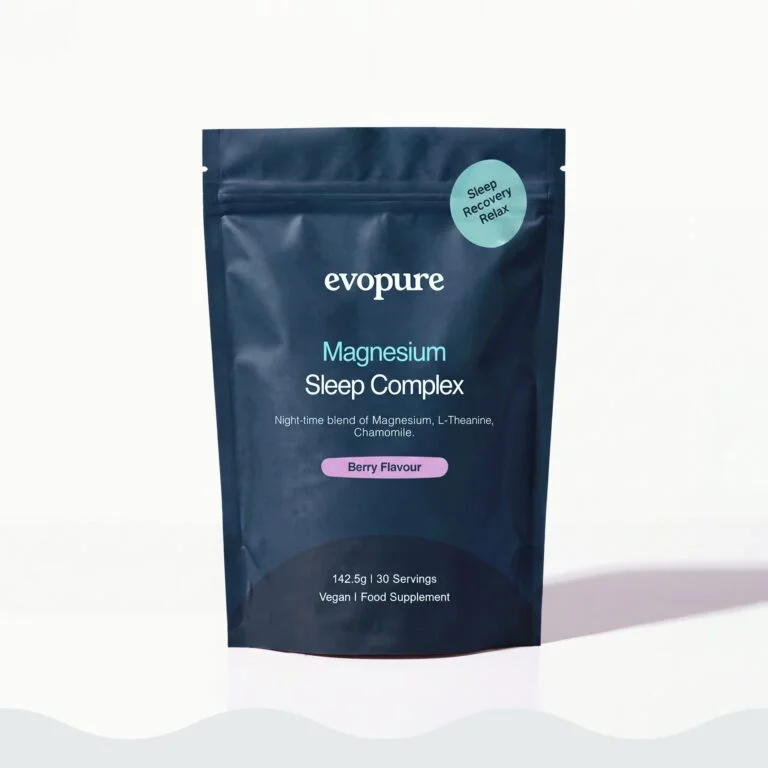
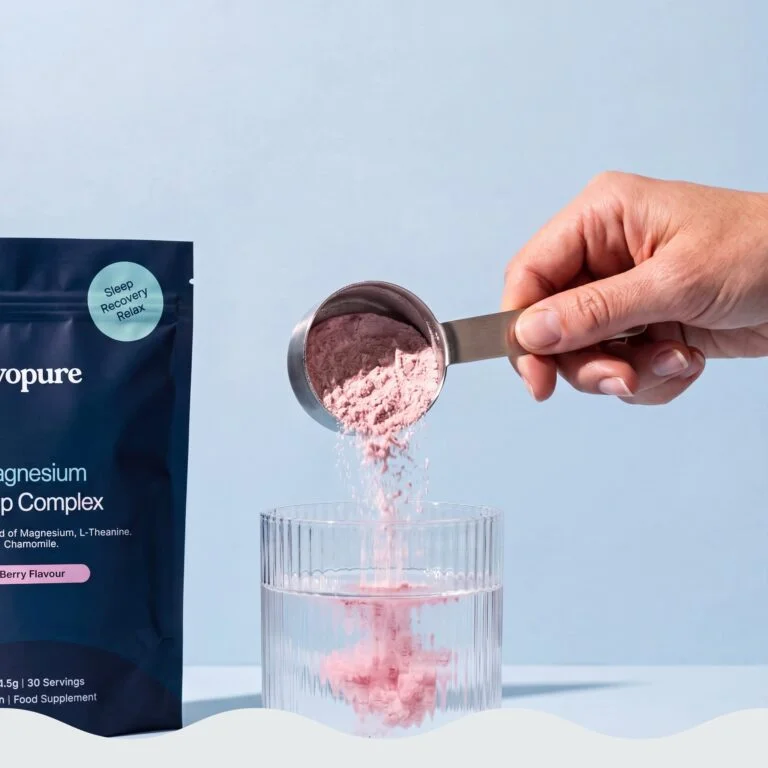
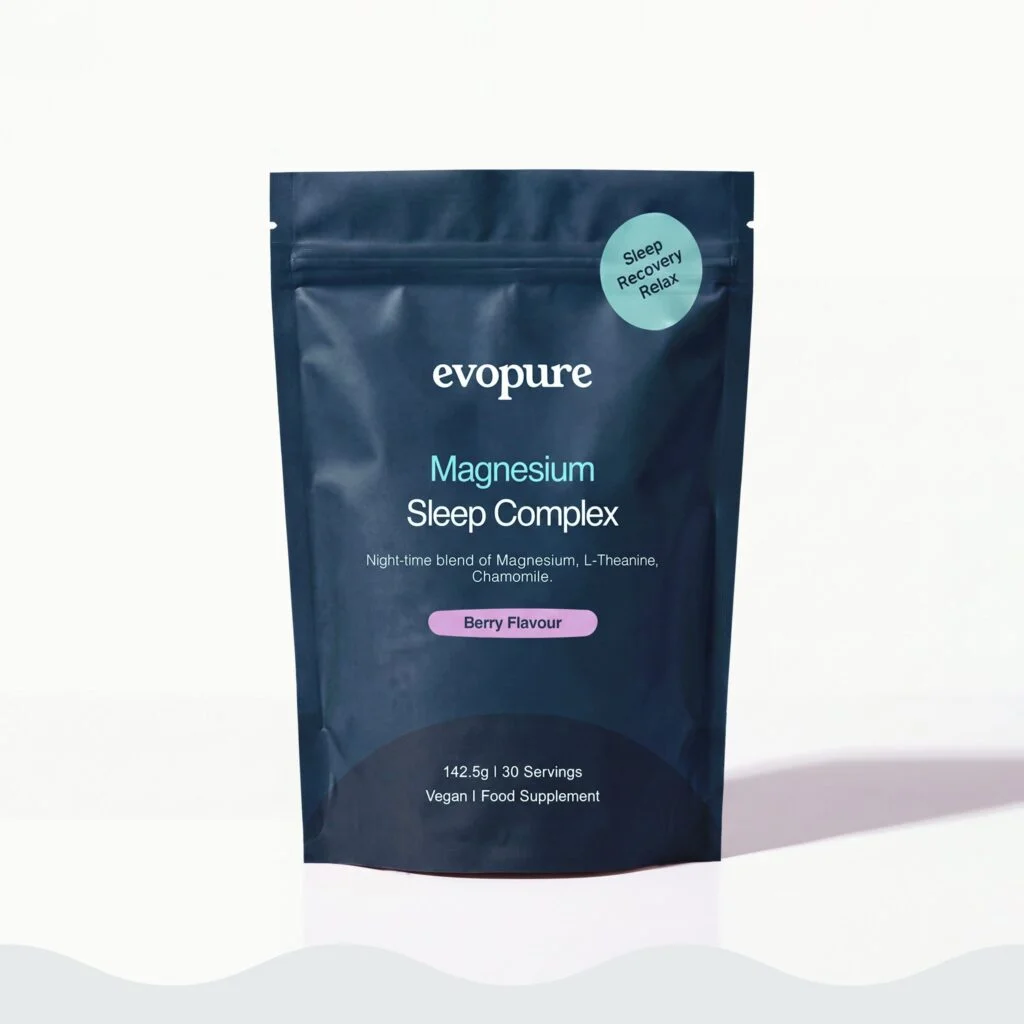
None of our products is a blood thinner or a heart medicine, and we make no heart or blood claims for them. If your GP, pharmacist or clinic is happy for you to add magnesium, our Magnesium Glycinate Sleep Complex is a berry drink powder with 290mg of magnesium (77% NRV) per 4.75g serving, from magnesium bisglycinate and citrate, plus 500mg glycine and 100mg L-theanine.
Each serving also contains oat straw extract (300mg) and hops, chamomile and passionflower extracts (200mg each). No melatonin, and it isn’t an antacid. On warfarin, take the ingredients list to your clinic first.
Our pick, once you’ve checked
Magnesium Glycinate Sleep Complex
Magnesium Glycinate Sleep Complex. Magnesium contributes to a reduction of tiredness and fatigue, to normal muscle function and to electrolyte balance. As a drink, it is not another tablet to swallow.
Add Magnesium Glycinate Sleep Complex to bag See ingredients and reviews
Rated 4.7 out of 5 from 15 ratings on the product page (via Lipscore, checked 17 November 2026). We make it, so we’re not neutral. Vegan and made in the UK. Free UK delivery over £40.
Subscribe £22.49One-off £29.99
View productWhy only one product? Our Reishi hot chocolate pack says it isn’t for people taking medication, and the FSA advises people on any medication not to take CBD unless under medical direction (see can CBD interact with medication?). Comparing magnesium? See best magnesium supplement UK and magnesium glycinate powder.
How much magnesium is safe?
Blood thinners don’t change how much magnesium you need. The NHS says adults need 300mg (men) or 270mg (women) a day, and that 400mg or less a day from supplements is unlikely to cause harm. Most people get enough from food: see foods high in magnesium and how much magnesium per day.
| Fact | Amount | Source |
|---|---|---|
| Daily need, men (19 to 64) | 300mg | NHS |
| Daily need, women (19 to 64) | 270mg | NHS |
| From supplements, unlikely to cause harm | 400mg a day or less | NHS |
| Our drink, per 4.75g serving | 290mg (77% NRV) | Product label |
Next step
Magnesium Glycinate Sleep Complex
If your GP, pharmacist or anticoagulant clinic is happy for you to add magnesium, the Magnesium Glycinate Sleep Complex gives 290mg of magnesium per serving as a berry drink. Magnesium contributes to a reduction of tiredness and fatigue.
Add Magnesium Glycinate Sleep Complex to bag See ingredients and reviews
Subscribe and save 25% on your first order, then 20%. New to Evopure? Join our emails for 20% off a one-off first order. Free UK delivery over £40. Adults only. We don’t recommend our products during pregnancy or breastfeeding.
Subscribe £22.49One-off £29.99
View productMore medicine guides: magnesium and omeprazole, magnesium and metformin and the full list in what not to take with magnesium.
Sources 13
- BNF (NICE). Magnesium interactions, antacids interactions, apixaban, rivaroxaban, warfarin, edoxaban, dabigatran and clopidogrel interactions. Checked 17 November 2026.
- BNF (NICE). Digoxin and magnesium glycerophosphate (renal impairment). Checked 17 November 2026.
- NHS. Apixaban (reviewed 21 January 2026), rivaroxaban (5 August 2026), edoxaban (5 August 2026) and warfarin (24 February 2026).
- Warfarin 5mg tablets. Summary of Product Characteristics, emc (updated 4 July 2025).
- British Heart Foundation. Vitamins and supplements to avoid with heart medicines (updated 26 June 2026).
- NHS. Vitamins and minerals: others (magnesium).
- Upreti VV et al. Effect of famotidine on the pharmacokinetics of apixaban, an oral direct factor Xa inhibitor. Clin Pharmacol, 2013.
- Kubitza D et al. Effect of food, an antacid, and the H2 antagonist ranitidine on the absorption of BAY 59-7939 (rivaroxaban). J Clin Pharmacol, 2006.
- Tan CSS, Lee SWH. Warfarin and food, herbal or dietary supplement interactions: a systematic review. Br J Clin Pharmacol, 2021.
- Segal R, Pilote L. Warfarin interaction with Matricaria chamomilla. CMAJ, 2006.
- Schwartz JA et al. Effect of chamomile intake on blood coagulation tests in healthy volunteers. Perioper Med, 2023.
- Patient.info. Can I take magnesium and warfarin together? Drug interactions checker (January 2026).
- FSA (gov.uk). Cannabidiol (CBD) guidance.