Last updated: 10 November 2026
Vitamin E is a fat-soluble vitamin, found mainly as alpha-tocopherol in plant oils, nuts, seeds and wheatgerm, and it contributes to the protection of cells from oxidative stress. The NHS says men need 4mg and women 3mg a day, which a varied diet provides, and that 540mg (800 IU) or less a day from supplements is unlikely to cause harm.
Below: oxidative stress, how much you need, the best foods, natural vs synthetic and IU, what the big trials found, vitamin E oil for skin, deficiency, and blood thinners.

Our pick
Magnesium Glycinate Sleep Complex
Evopure doesn’t sell vitamin E. If tiredness is part of why you’re looking at vitamins, Evopure’s Magnesium Glycinate Sleep Complex is a berry drink powder with 290mg of magnesium (77% NRV) per 4.75g serving, from magnesium bisglycinate and citrate. Magnesium contributes to a reduction of tiredness and fatigue and to normal energy-yielding metabolism.
Add Magnesium Glycinate Sleep Complex to bag See ingredients and reviews
Vegan and made in the UK. Subscribe and save 25% on your first order, then 20%. New to Evopure? Join our emails for 20% off a one-off first order. Free UK delivery over £45.
Subscribe £22.49One-off £29.99
View productWhat is vitamin E?
Vitamin E is the name for 8 related fat-soluble compounds: 4 tocopherols and 4 tocotrienols. Alpha-tocopherol is the only form the body keeps in meaningful amounts, so it is the one used to set daily needs and labels. Like other fat-soluble vitamins, it is absorbed with dietary fat and stored in the liver and fatty tissue.
| Vitamin E fact | The detail |
|---|---|
| Main form | Alpha-tocopherol |
| NHS daily need | 4mg a day for men, 3mg for women |
| EFSA adequate intake | 13mg a day for men, 11mg for women |
| Label NRV | 12mg |
| Authorised GB claim | Vitamin E contributes to the protection of cells from oxidative stress |
| NHS supplement guide | 540mg (800 IU) or less a day unlikely to cause harm |
| EFSA upper limit | 300mg a day for adults, from all sources |
| Natural vs synthetic | d-alpha: 1 IU = 0.67mg; dl-alpha: 1 IU = 0.45mg |
| Richest foods | Wheatgerm oil, sunflower seeds, almonds, sunflower oil, hazelnuts |
| Check with a GP first | Blood thinners, aspirin, cancer treatment, before surgery, pregnancy |
The NHS says you should be able to get all the vitamin E you need from your diet.
What does vitamin E do?
Vitamin E’s main job is as an antioxidant in cell membranes. It sits in the fatty outer layer of every cell and stops chain reactions that damage fats there. The one authorised health claim for vitamin E in Great Britain is that vitamin E contributes to the protection of cells from oxidative stress.
What is oxidative stress?
Oxidative stress is an imbalance between free radicals and the antioxidants that neutralise them. Free radicals are unstable molecules made during normal energy production, and also by smoking, pollution and UV light. When there are too many, they can damage the fats, proteins and DNA in cells. Vitamin E’s authorised claim describes its part in that protection.
Some oxidative stress is normal, as the body uses free radicals to fight infection, which may be one reason high-dose antioxidant supplements have disappointed in trials. Vitamin C, selenium and zinc also have authorised claims about protecting cells from oxidative stress; see our guides to vitamin C and zinc.
How much vitamin E do you need a day?
The NHS says adults need 4mg of vitamin E a day (men) or 3mg (women), and a varied diet with plant oils, nuts and seeds provides that. Supplement labels use an NRV of 12mg. The NHS says 540mg (800 IU) or less a day from supplements is unlikely to cause harm; EFSA’s adult upper limit is 300mg a day.
- Why the figures differ: NHS amounts are UK needs, EFSA’s are adequate intakes, and the NRV is a labelling figure.
- Upper limits: EFSA reviewed its 300mg limit in 2024 and kept it, based on the risk of bleeding. It says the limit doesn’t apply to people on blood thinners or aspirin, for whom lower amounts may be a concern.
- Count every product: multivitamins, skin and hair supplements and some omega-3 capsules contain vitamin E. See are multivitamins worth taking? and can you overdose on vitamins?
Which foods are high in vitamin E?
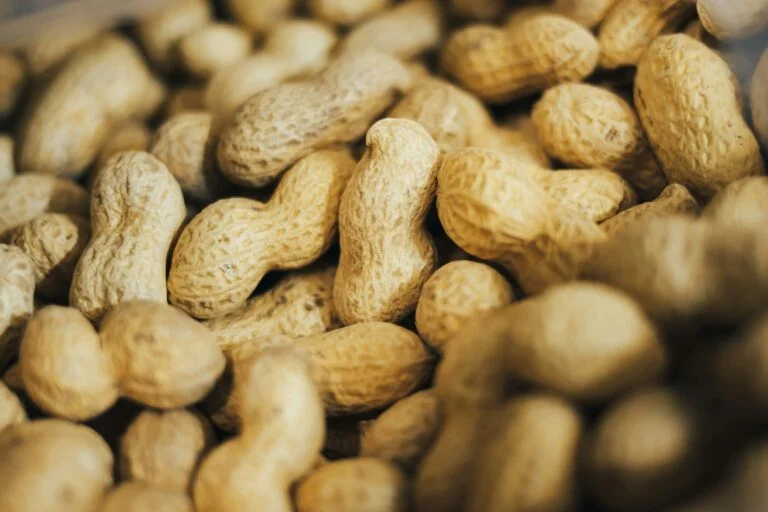
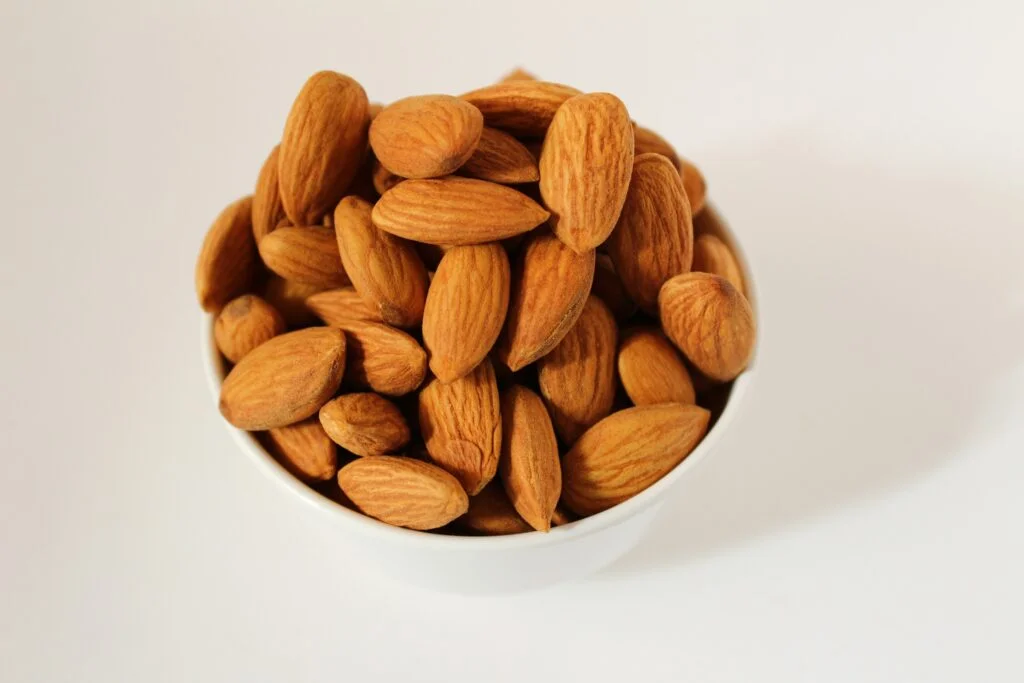
The foods highest in vitamin E are wheatgerm oil, sunflower seeds, almonds, sunflower oil and hazelnuts. A 28g handful of almonds or sunflower seeds gives about 7mg, more than the NHS daily need for men or women. Rapeseed and olive oil, peanuts, spinach, broccoli and kiwi add smaller amounts.
| Food | Portion | Vitamin E (about) |
|---|---|---|
| Wheatgerm oil | 1 tablespoon | 20mg |
| Sunflower seeds, roasted | 28g | 7mg |
| Almonds | 28g | 7mg |
| Sunflower oil | 1 tablespoon | 5.6mg |
| Hazelnuts | 28g | 4.3mg |
| Peanut butter | 2 tablespoons | 2.9mg |
| Olive oil | 1 tablespoon | 1.9mg |
| Spinach, boiled | Half a cup | 1.9mg |
| Kiwi | 1 medium | 1.1mg |
Figures are rounded from the NIH Office of Dietary Supplements food table. Because vitamin E comes with fat, nuts and seeds are an easy everyday source; see our guide to natural supplements and food first.
Natural vs synthetic vitamin E: d-alpha vs dl-alpha
Natural vitamin E is labelled d-alpha-tocopherol (or RRR-alpha-tocopherol); synthetic vitamin E is dl-alpha-tocopherol (all-rac). The synthetic form is a mix of 8 versions of the molecule, only half of which the body uses well, so it is about half as active. That’s why an IU of each converts to a different number of milligrams.
| Label says | Type | 1 IU equals | 400 IU in mg |
|---|---|---|---|
| d-alpha-tocopherol | Natural | 0.67mg | 268mg |
| dl-alpha-tocopherol | Synthetic | 0.45mg | 180mg |
- Acetate and succinate: “tocopheryl acetate” or “succinate” is a more stable ester form used in capsules and creams; the d- or dl- prefix still tells you whether it is natural or synthetic.
- UK labels: most show milligrams and %NRV; IU is common on US-made products. The NHS figure of 540mg is the same as 800 IU of natural vitamin E.
Do vitamin E supplements work?
Large trials found that vitamin E supplements didn’t prevent heart disease or cancer in well-nourished adults, and high doses raised some risks. For most people, food provides enough. The one big positive result is in a specific eye condition, where vitamin E was part of a prescribed combination.
| Research question | What studies found | How strong |
|---|---|---|
| Heart disease | HOPE-TOO: 400 IU natural vitamin E a day for about 7 years didn’t prevent heart attacks or strokes in people with heart disease or diabetes, and heart failure was more common | Large trial, no benefit |
| Heart disease and cancer in healthy women | Women’s Health Study: 600 IU every other day for 10 years in 39,876 women made no overall difference | Large trial, no benefit |
| Prostate cancer | SELECT: 400 IU synthetic vitamin E a day led to 17% more prostate cancers in 35,000 men | Large trial, harm |
| Overall deaths | A 2005 analysis of 19 trials linked 400 IU a day or more to a small rise in deaths | Meta-analysis, debated |
| Age-related macular degeneration | AREDS: 400 IU in a combination with vitamin C, beta-carotene and zinc slowed advanced AMD in people at high risk | Large trial, combination only |
| Scars (on the skin) | Vitamin E ointment didn’t improve surgical scars, and a third of people got a skin rash | Small trial, no benefit |
If you have macular degeneration, the eye supplement question is one for your optician or eye clinic. For dry, tired eyes, see dry eyes. If your interest is heart health, see our omega-3 guide and CoQ10 guide, which cover those trials honestly too.
Is vitamin E oil good for your skin?
Vitamin E oil is a thick moisturising oil, and tocopherol is a common antioxidant ingredient in creams, where it also stops other oils going off. It can help soften very dry patches, but a trial found vitamin E didn’t improve scars and caused a rash in a third of users. Patch test first, and avoid broken skin.
- Patch test: put a little on the inside of your arm and wait 48 hours before using it on your face.
- Scars and stretch marks: the evidence doesn’t support vitamin E oil for either.
- Never inhale it: vitamin E acetate added to illegal THC vape cartridges was strongly linked to the US EVALI lung injury outbreak in 2019. See can you vape CBD oil?
For everyday skin care, see dry skin: causes and what helps, CBD for skin and collagen supplements. For hair, see the best supplements for hair growth.
Vitamin E deficiency: who is at risk?
Vitamin E deficiency is rare in healthy adults and almost never caused by diet alone. It mostly affects people who can’t absorb fat properly, babies born very early and people with a rare inherited condition. Over time it can damage nerves and muscles, causing numbness, poor balance and coordination, muscle weakness and eyesight problems.
- Higher-risk conditions: cystic fibrosis, Crohn’s disease, coeliac disease, chronic pancreatitis, some liver diseases and after some weight-loss surgery.
- Diagnosis: a GP can arrange a blood test. Treatment is prescribed and monitored, so don’t self-treat with high doses.
- Similar symptoms: numbness and tingling have many causes, including low B12; see vitamin B12 deficiency symptoms and peripheral neuropathy.
Vitamin E with blood thinners and other medicines
High-dose vitamin E can thin the blood slightly, so it may add to the effect of anticoagulants and antiplatelet medicines and raise the risk of bleeding. EFSA says its 300mg upper limit doesn’t apply to people taking these medicines.
- Warfarin, apixaban, rivaroxaban, edoxaban, dabigatran, aspirin or clopidogrel: speak to your GP, pharmacist or anticoagulant clinic before taking any vitamin E supplement, including multivitamins with high amounts.
- Before surgery: tell the team about every supplement you take.
- Cancer treatment: high-dose antioxidants may interfere with some chemotherapy and radiotherapy, so ask your oncology team first.
- Pregnancy and breastfeeding: don’t take high-dose vitamin E; ask your midwife or GP which supplements you need.
If you take warfarin, vitamin K matters too; see vitamin K2 and warfarin.
Next step
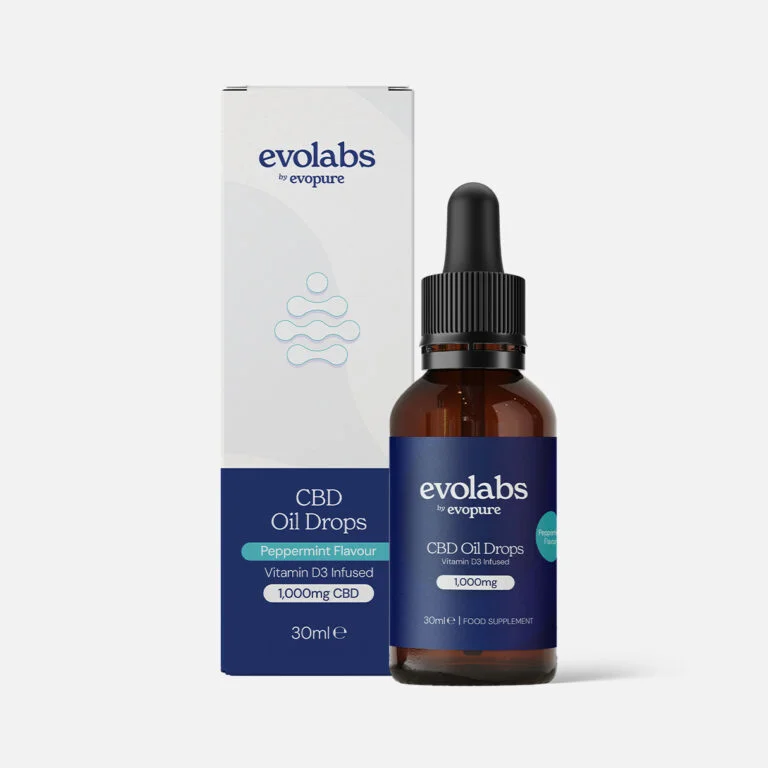
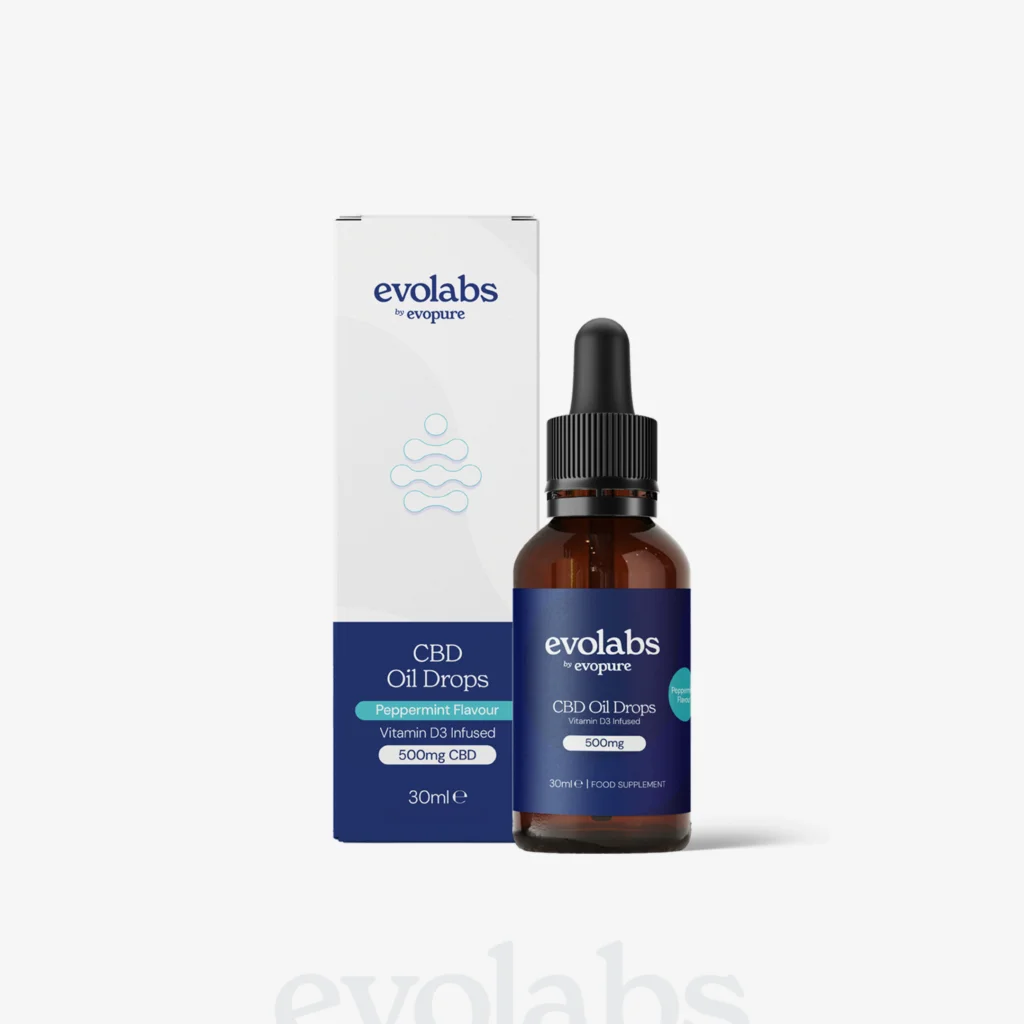
Mint CBD Oil With Vitamin D3 · Evolabs
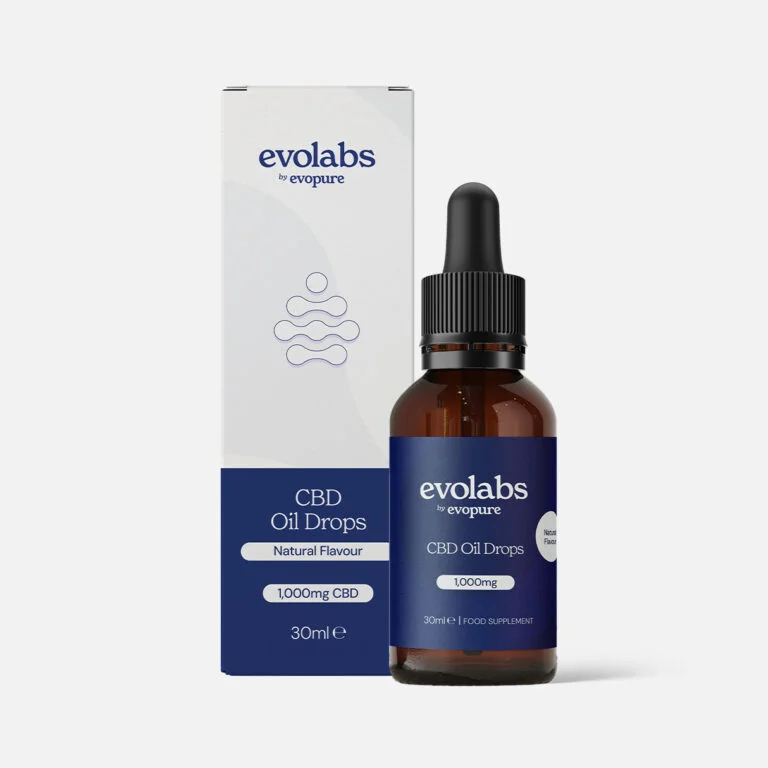
Most people get enough vitamin E from food. For the vitamin the NHS does advise in autumn and winter, vitamin D, and if you already use CBD, Evopure’s Mint CBD Oil + Vit D3 (Evolabs, 1,000mg, 30ml) gives 10 micrograms (400 IU) of vegan, algae-based D3 per half pipette, 200% NRV. It contains no added vitamin E. Vitamin D contributes to the normal function of the immune system.
Add Mint CBD Oil + Vit D3 1,000mg to bag See ingredients and reviews
The FSA advises healthy adults to take no more than 10mg of CBD a day: about 0.3ml of this 1,000mg oil gives 10mg. Adults only. Subscribe and save 25% on your first order, then 20%. New to Evopure? Join our emails for 20% off a one-off first order. Free UK delivery over £45. If you take any regular medicines, check with your GP or pharmacist first. We don’t recommend our products during pregnancy or breastfeeding.
Subscribe from £13.49One-off from £17.99
View productThe FSA’s 10mg a day figure is precautionary advice rather than a legal limit, set while longer-term safety research continues. At Evopure we think it is a very cautious figure, and many adults use more. If you go above it, increase slowly, and check with your GP or pharmacist first if you take any medication.
Prefer no CBD? Our Magnesium Glycinate Sleep Complex gives 290mg of magnesium per serving. Our Reishi Mushroom Adaptogenic Complex is a cocoa drink with 0.5g reishi per 8g serving; it contains a little natural caffeine, and the pack says it isn’t for anyone pregnant, breastfeeding or taking medication.
Sources 13
- NHS. Vitamin E.
- EFSA Panel on Nutrition (2024). Scientific opinion on the tolerable upper intake level for vitamin E. EFSA Journal.
- EFSA Panel on Dietetic Products, Nutrition and Allergies (2015). Scientific opinion on dietary reference values for vitamin E as alpha-tocopherol. EFSA Journal.
- Department of Health and Social Care. Great Britain nutrition and health claims (NHC) register. GOV.UK.
- NIH Office of Dietary Supplements. Vitamin E fact sheet for health professionals.
- Lonn E et al (2005). Effects of long-term vitamin E supplementation on cardiovascular events and cancer (HOPE-TOO). JAMA.
- Lee IM et al (2005). Vitamin E in the primary prevention of cardiovascular disease and cancer: the Women’s Health Study. JAMA.
- Klein EA et al (2011). Vitamin E and the risk of prostate cancer: the Selenium and Vitamin E Cancer Prevention Trial (SELECT). JAMA.
- Miller ER et al (2005). Meta-analysis: high-dosage vitamin E supplementation may increase all-cause mortality. Annals of Internal Medicine.
- Age-Related Eye Disease Study Research Group (2001). A randomized, placebo-controlled trial of high-dose supplementation with vitamins C and E, beta carotene and zinc for age-related macular degeneration. Archives of Ophthalmology.
- Baumann LS, Spencer J (1999). The effects of topical vitamin E on the cosmetic appearance of scars. Dermatologic Surgery.
- Blount BC et al (2020). Vitamin E acetate in bronchoalveolar-lavage fluid associated with EVALI. New England Journal of Medicine.
- FSA. Cannabidiol (CBD) guidance.
This guide is general information, not medical advice. Evopure doesn’t sell a vitamin E supplement.