Last updated: 10 November 2026
To stay awake when you’re tired, get into bright light, move briskly for 10 minutes, have a coffee (up to 200mg of caffeine) or take a 10 to 20 minute nap. Cold water and fresh air help only briefly. These are short-term fixes: if you’re driving, pull over somewhere safe, and if you’re sleepy most days, see a GP.
Below: a quick tricks table, how to wake yourself up, caffeine amounts, driving, night shifts and when sleepiness is a medical sign. Checked against the NHS, the Highway Code, EFSA and published sleep research in November 2026.

Our pick
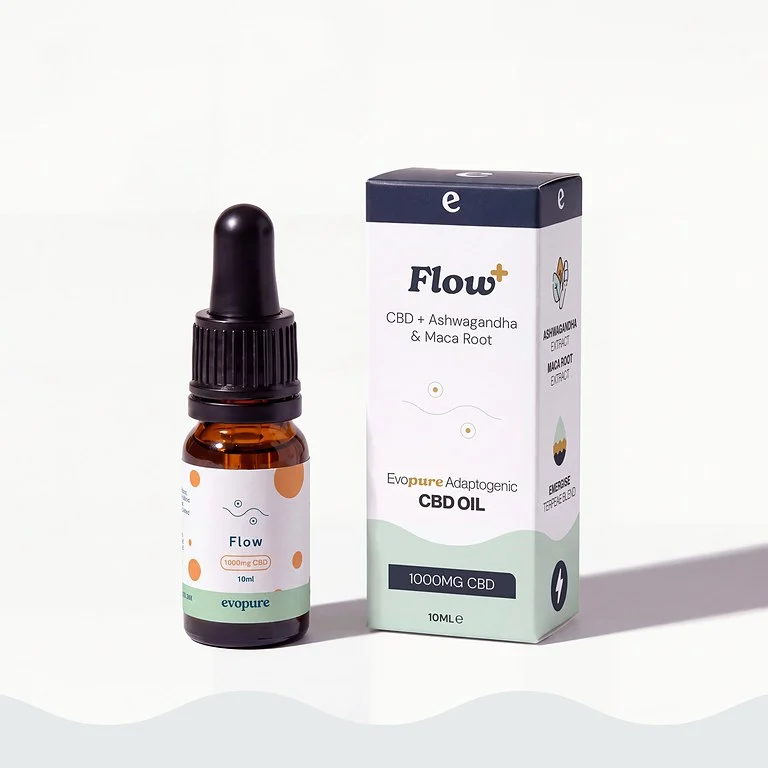
for everyday tiredness, our Magnesium Glycinate Sleep Complex is a berry drink powder with 290mg of magnesium (77% NRV) per 4.75g serving, from bisglycinate and citrate. Magnesium contributes to a reduction of tiredness and fatigue. For a lower-caffeine warm drink than coffee, our Reishi Cacao has a little natural caffeine from the cocoa, well under 20mg a serving.
Add Magnesium Glycinate Sleep Complex to bag See ingredients and reviews
Subscribe and save 25% on your first order, then 20%. New to Evopure? Join our emails for 20% off a one-off first order. Free UK delivery over £45. Vegan and made in the UK.
How to stay awake when tired: quick tricks
The quickest ways to stay awake when you’re tired are bright light, a brisk 10-minute walk, a moderate dose of caffeine and a short nap of 10 to 20 minutes. Cold water, cold air and loud music give a brief lift at best. None of them replaces sleep, so treat them as a way to get through the next hour or two.
| Trick | How to do it | What the evidence says |
|---|---|---|
| Short nap | 10 to 20 minutes, early afternoon rather than evening | In a 2006 sleep lab study, 10 minutes gave the quickest lift; 30 minutes caused grogginess first |
| Caffeine | One coffee or tea, up to 200mg at once | EFSA: up to 200mg in one go and 400mg a day are safe for most healthy adults |
| Coffee then a nap | Drink a coffee, then nap for under 15 minutes | Cut drowsy driving errors more than caffeine alone in a small simulator study |
| Brisk walk | 10 minutes, outside if you can | Raised energy for up to 2 hours in a small 1987 study |
| Bright light | Go outside or sit by a window or bright lamp | A 2018 review found brighter light often boosts alertness, though results vary |
| Drink water | A glass now, then sip through the day | The NHS lists feeling tired as a sign of dehydration |
| Cold water or cold air | Splash your face, open a window | Only a brief, small effect in drivers |
| Sugary snack | Best avoided as a pick-me-up | Energy rose, then tiredness was higher an hour later in the 1987 study |
For more on naps, see power nap: how long and when. For lasting energy rather than a quick fix, see how to boost energy naturally.
How to wake yourself up when tired
To wake yourself up when you’re tired, get up rather than lying in bed, open the curtains or step outside into daylight, drink a glass of water, splash your face with cold water and move for a few minutes. Grogginess straight after waking usually fades within 30 minutes. A coffee after that point helps most.
- Get up and get light. Daylight helps tell your body clock the day has started. In winter, a bright lamp can help; see SAD lamps.
- Move. A few minutes of stretching, stairs or a brisk walk.
- Water first. You’ve gone hours without a drink.
- Eat something. See breakfast for energy.
- Skip the snooze button. It only gives you broken, light extra minutes. See how to wake up early for alarm tips.
What is sleep inertia?
Sleep inertia is the groggy, slow, foggy feeling straight after waking, when your brain hasn’t fully switched on. A review of the research found it can last from 1 minute to 4 hours but rarely more than 30 minutes unless you’re badly sleep deprived. It’s worse if you wake from deep sleep, which is why 30-minute naps can leave you groggier than 10-minute ones.
If you wake up groggy most mornings, see why do I wake up tired? and why am I still tired after 8 hours of sleep?
How to stay awake at work or studying
To stay awake at work, get up and move every hour, work near a window or bright light, keep lunch lighter, drink water and save a coffee for the mid-afternoon dip rather than late in the day. If you can, a 10 to 20 minute rest at lunchtime helps more than pushing through.
- Break up sitting. Walk to talk to a colleague, take calls standing, use the stairs.
- Watch the post-lunch dip. Big, heavy meals can make it worse. See tired after eating and the afternoon slump.
- Change task. Switch to something active or social when you’re flagging. See how to focus better.
- Time your caffeine. The NHS insomnia advice is to avoid tea and coffee for at least 6 hours before bed, so a 4pm coffee is the latest for a 10pm bedtime. See how long does caffeine last?
How much caffeine helps you stay awake?
One normal cup is usually enough. EFSA, the European food safety body, says single doses of up to 200mg of caffeine and up to 400mg a day don’t raise safety concerns for healthy adults, and up to 200mg a day in pregnancy. It also says 100mg close to bedtime can affect sleep in some adults.
| Drink | Caffeine (NHS figures) |
|---|---|
| Mug of instant coffee | 100mg |
| Mug of filter coffee | More than instant |
| Cup of tea | 75mg |
| 250ml can of energy drink | 80mg |
| Can of cola | 40mg |
| 50g bar of plain dark chocolate | Less than 25mg |
More caffeine doesn’t mean more alert: it brings jitters, a racing heart and a crash later. See energy drinks, the coffee crash and does caffeine cause anxiety? For a gentler evening drink, our Reishi Cacao has well under 20mg of caffeine a serving; see is there caffeine in hot chocolate? and coffee alternatives.
Sleepy while driving: what to do
If you feel sleepy while driving, stop somewhere safe as soon as you can. The Highway Code says driving when tired greatly increases your risk of a collision. It says don’t stop on a motorway hard shoulder or in an emergency area, take a break of at least 15 minutes every 2 hours, and avoid long journeys between midnight and 6am.
Once you’ve stopped, research from the Loughborough University sleep lab found that a coffee followed by a nap of under 15 minutes cut driving errors in sleepy drivers more than caffeine alone. The same team found opening the window for cold air or turning up the radio had only brief effects, at best buying time to find somewhere to stop. Don’t try to push on. See also CBD and driving in the UK.
How to stay awake on a night shift
To stay awake on a night shift, nap before you go in, keep the workplace brightly lit, have caffeine early in the shift rather than in the last few hours, eat light meals and move during breaks. Protect your daytime sleep afterwards, and take extra care on the drive home, when you’re likely to be at your sleepiest.
Our full guide covers sleeping in the day, blackout rooms and rotating rotas: see shift work and sleep. For the effects of a run of short nights, see sleep deprivation and sleep debt.
When feeling sleepy is a medical sign
iStruggling to stay awake most days isn’t normal, even if you’re busy. The NHS says see a GP if you’ve been tired for a few weeks and aren’t sure why, if tiredness affects daily life, or if you have other symptoms such as weight loss or mood changes.
| Possible cause | Signs to mention to a GP |
|---|---|
| Sleep apnoea | Loud snoring, gasping or choking in your sleep, morning headaches |
| Anaemia | Low energy, palpitations, breathlessness, pale skin |
| Underactive thyroid | Tiredness, weight gain, feeling cold |
| Diabetes | Tiredness with thirst, peeing a lot and weight loss |
| Narcolepsy | Falling asleep suddenly during the day |
| Medicines | Sleepiness after starting or changing a medicine |
The NHS says if you have sleep apnoea you may need to tell the DVLA, and that you must not drive until excessive sleepiness is under control. Don’t stop or change a prescribed medicine on your own: speak to your GP or pharmacist. See why am I always tired?, iron deficiency symptoms, does diabetes make you tired? and do antibiotics make you tired?
Next step
build the basics first: regular sleep, daylight and movement. Then add the Magnesium Glycinate Sleep Complex: 290mg of magnesium (77% NRV) per 4.75g berry drink. Magnesium contributes to a reduction of tiredness and fatigue. Swap a late coffee for our Reishi Cacao (0.5g reishi and 0.5g maca per 8g serving, a little natural caffeine).
Add Magnesium Glycinate Sleep Complex to bag Add Reishi Cacao to bag
Subscribe and save 25% on your first order, then 20%. New to Evopure? Join our emails for 20% off a one-off first order. Free UK delivery over £45. If you take any regular medicines, check with your GP or pharmacist first. We don’t recommend our products during pregnancy or breastfeeding.
Sources 11
- NHS. Tiredness and fatigue, Insomnia and Dehydration.
- NHS. Sleep apnoea (reviewed 11 May 2026) and Narcolepsy.
- NHS. Foods to avoid in pregnancy (caffeine amounts).
- EFSA. Caffeine and the 2015 Scientific Opinion on the safety of caffeine.
- GOV.UK. The Highway Code, rule 91.
- Brooks A, Lack L. A brief afternoon nap following nocturnal sleep restriction: which nap duration is most recuperative? Sleep, 2006.
- Reyner LA, Horne JA. Suppression of sleepiness in drivers: combination of caffeine with a short nap. Psychophysiology, 1997.
- Reyner LA, Horne JA. Evaluation of in-car countermeasures to sleepiness: cold air and radio. Sleep, 1998.
- Thayer RE. Energy, tiredness, and tension effects of a sugar snack versus moderate exercise. Journal of Personality and Social Psychology, 1987.
- Souman JL et al. Acute alerting effects of light: a systematic literature review. Behavioural Brain Research, 2018 (authors from a lighting company).
- Tassi P, Muzet A. Sleep inertia. Sleep Medicine Reviews, 2000.
iThis guide is general information, not medical advice. If you’re often sleepy in the day, speak to your GP.