Last updated: November 2026
Yes, you can overdose on some vitamins and minerals, but it almost always comes from high-dose supplements, not food. Fat-soluble vitamins such as A and D are stored in the body and can build up. Most water-soluble ones, like vitamin C, aren’t stored, though B6 and niacin can still cause harm. Iron overdose is the most dangerous for children.
Below: the NHS limits in one table, the symptoms, doubling up and when to get urgent help. Checked against NHS guidance, November 2026. General information, not medical advice.
Which vitamins can you overdose on?
- Fat-soluble vitamins (A, D, E and K). The NHS says any vitamin A, E or K your body doesn’t need straight away is stored for later use. That is why they can build up over weeks and months. Vitamin A and vitamin D cause the most problems.
- Water-soluble vitamins (the B vitamins and C). The NHS says vitamin C, thiamin, riboflavin and niacin can’t be stored in the body. But “water-soluble” doesn’t mean harmless: high-dose vitamin B6 can damage nerves, and high-dose nicotinic acid (a form of niacin) can harm the liver.
- Minerals. Iron, zinc, selenium, magnesium and calcium all have NHS upper limits, and iron is the one that can be deadly in a single large dose, especially for a child.
Food alone rarely causes trouble. The main exception is liver: the NHS says having it more than once a week may give you too much vitamin A.
Safe limits: the NHS table
These are the Department of Health and Social Care figures on the NHS website: the amounts “unlikely to cause any harm”, or the most not to take, for adults. They trace back to the Food Standards Agency’s Expert Group on Vitamins and Minerals report (2003). Unless the row says otherwise, they are for supplements.
| Nutrient | NHS adult limit | What too much can do |
|---|---|---|
| Vitamin A | 1.5mg a day or less, food and supplements combined | Over many years, bones more likely to break |
| Vitamin D | No more than 100 micrograms (4,000 IU) | Calcium build-up that can weaken bones and damage the kidneys and heart |
| Vitamin E | 540mg (800 IU) or less | Not enough evidence to say |
| Vitamin B6 | No more than 10mg, unless a doctor advises | 200mg or more a day: loss of feeling in the arms and legs |
| Niacin (B3) | 17mg or less as nicotinic acid; 500mg or less as nicotinamide | Skin flushes; liver damage over a long time |
| Folic acid | 1mg or less | Can hide the signs of B12 deficiency |
| Vitamin C | Less than 1,000mg | Stomach pain, diarrhoea and wind |
| Iron | 17mg or less, unless a GP advises more | Constipation and sickness; very high doses can be fatal |
| Zinc | No more than 25mg, unless a doctor advises | Less copper absorbed, leading to anaemia and weaker bones |
| Magnesium | 400mg or less from supplements | Diarrhoea |
| Calcium | 1,500mg or less | Stomach pain and diarrhoea |
| Selenium | 350 micrograms or less | Selenosis: hair and nail loss in its mildest form |
| Iodine | 0.5mg or less | Long term, changes to how the thyroid works |
Most adults need far less. Adults aged 19 to 64 need just 40mg of vitamin C a day, for example.
The ones to watch
Vitamin A
Vitamin A (retinol) is in many multivitamins and fish liver oils. If you eat liver every week, the NHS says not to take any supplement containing vitamin A. The 1.5mg limit matters most for women past the menopause and older men, who are more at risk of osteoporosis.
Vitamin D
Vitamin D is the overdose people ask about most. The adult limit is 100 micrograms (4,000 IU) a day, and 10 micrograms is enough for most people. Our guide to too much vitamin D covers 4,000 vs 10,000 IU, a unit converter and the warning signs, and vitamin D in winter covers who needs it.
Vitamin B6
iB6 turns up in B complex tablets and some magnesium products, so totals creep up. The NHS says not to take more than 10mg a day from supplements unless a doctor advises it. See vitamin B6: too much B6 and nerve damage and our wider B vitamins guide.
Iron, zinc, magnesium and calcium
iIf your GP has prescribed iron, keep taking it as advised. For doses and side effects, see iron tablets, zinc, magnesium side effects, how much magnesium per day and calcium supplements.
What does a vitamin overdose feel like?
It depends on the nutrient, the dose and how long you’ve taken it. In plain words, the NHS describes:
- An upset stomach: pain, diarrhoea or feeling sick, the usual sign of too much vitamin C, magnesium, calcium or iron.
- Tingling or numbness in the hands and feet: loss of feeling from high-dose B6, which usually improves once you stop.
- Hot, red, flushed skin: from high-dose nicotinic acid.
- Thirst, needing to pee more, sickness, confusion or tiredness: signs of too much calcium in the blood from too much vitamin D.
- Hair and nail loss: the mildest form of too much selenium.
- No symptoms at all: too much vitamin A over years may affect your bones without you noticing.
After a large one-off dose, the NHS lists general signs of poisoning such as being sick, feeling sleepy, blurred vision, confusion or difficulty breathing. They can take hours or days to start.
Doubling up without noticing
Most adults who go over a limit aren’t taking one huge dose. They are stacking products that share the same nutrients:
- a multivitamin plus a separate vitamin D, zinc or iron tablet
- a “hair, skin and nails” product (often zinc, selenium and biotin) on top of a multivitamin: see supplements for hair growth
- a B complex plus a magnesium product with added B6
- sea moss or kelp, which can be high in iodine: see sea moss and iodine
iFor example, a multivitamin with 10mg of zinc plus a 25mg zinc tablet comes to 35mg a day, over the NHS limit of 25mg (our sums). Add up each nutrient across every label, and ask a pharmacist if one is unclear.
Children and vitamin overdose: iron is the danger
The NHS says very high doses of iron can be fatal, particularly if taken by children, so always keep iron supplements out of their reach. That includes adult multivitamins with iron and pregnancy vitamins. Chewable and gummy vitamins can look a lot like sweets, so store every supplement in a high or locked cupboard.
Children also have lower limits for some vitamins. For vitamin D, the NHS says children aged 1 to 10 should have no more than 50 micrograms (2,000 IU) a day and babies under 12 months no more than 25 micrograms (1,000 IU).
If you think a child has swallowed adult vitamins or iron tablets, call 999 or go to A&E, even if they seem well. Take the packet with you.
What to do if you’ve taken too much
The NHS poisoning page sets out what to do.
Call 999 or go to A&E if:
- you think you, a child or someone else has swallowed a harmful amount
- someone has passed out, is struggling to breathe or has a seizure
Call NHS 111 if you’re not sure whether the amount taken is harmful.
While you wait:
- find the packet or bottle and take it with you, so doctors know exactly what and how much was taken
- don’t try to make the person sick, and don’t give them anything to eat or drink
- don’t drive yourself to A&E: ask someone to take you or call 999
iFor milder signs, like loose stools after high-dose vitamin C or magnesium, stop the supplement and ask a pharmacist. See a GP about tingling, numbness or symptoms that don’t settle.
Pregnancy, older age and medicines
- Pregnancy: the NHS says not to take cod liver oil or any supplement containing vitamin A (retinol) when you’re pregnant, as too much can harm your baby’s development, and to avoid liver. Use a pregnancy-specific supplement and check the label.
- Older age: the NHS says older people should only take potassium supplements if a doctor advises it, and keep manganese supplements to 0.5mg a day or less. See supplements for women over 40 and supplements for men over 50.
- Medicines: some vitamins interact with prescriptions (vitamin K with warfarin, for example). If you take any regular medicines, ask your GP or pharmacist before adding a supplement.
Where Evopure fits
Neither of the products below contains added vitamins, so they won’t add to your vitamin totals. Our Magnesium Glycinate Sleep Complex does contain magnesium, so count it towards the 400mg limit for magnesium from supplements. Reishi Cacao is a hot chocolate powder made with cocoa, coconut sugar, reishi mushroom, maca, cinnamon and stevia, and it contains a little natural caffeine.
Our pick
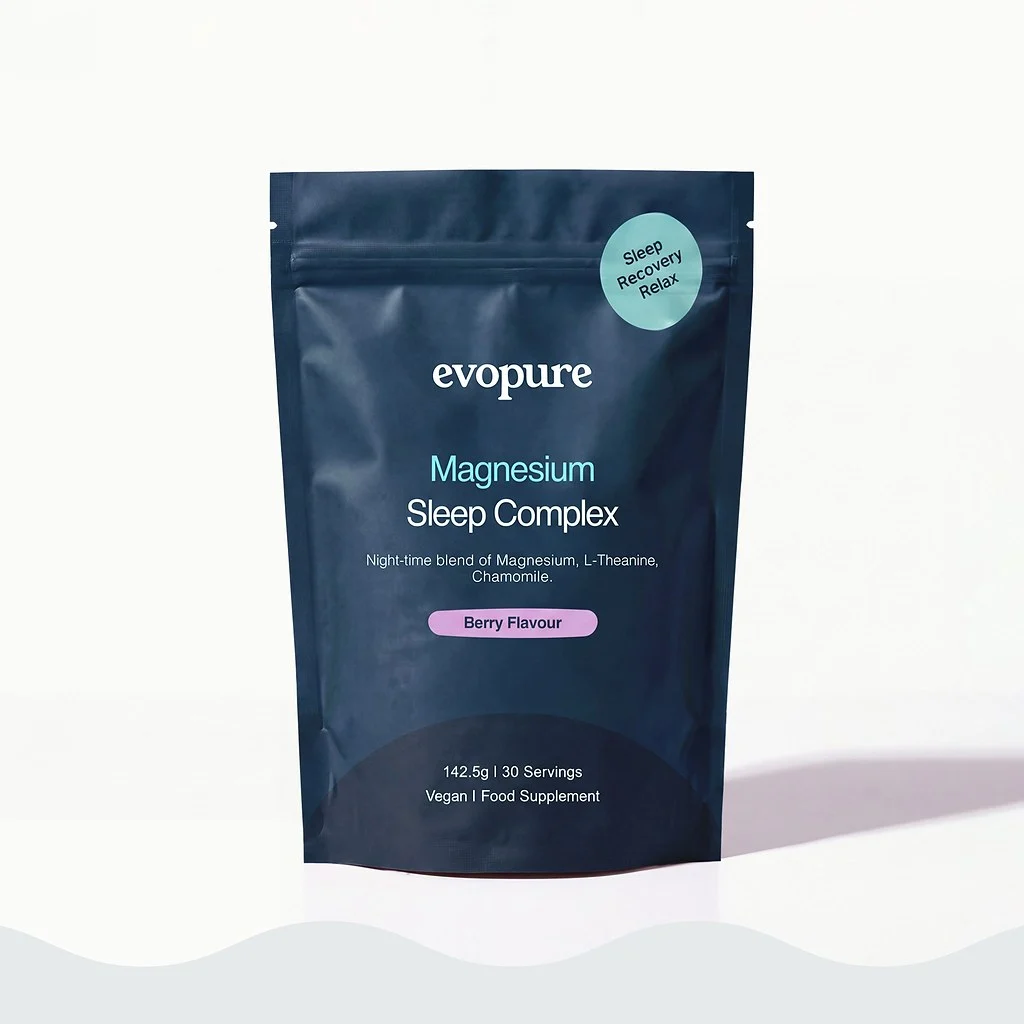
Magnesium Glycinate Sleep Complex
Magnesium Glycinate Sleep Complex is a berry-flavoured evening drink with magnesium bisglycinate and citrate in a 4.75g scoop, plus glycine and L-theanine. Magnesium contributes to a reduction of tiredness and fatigue and to normal psychological function.
Add Magnesium Glycinate Sleep Complex to bag See ingredients and reviews
Vegan and made in the UK. Free UK delivery over £45, 14-day returns on unopened items.
Subscribe £22.49One-off £29.99
View productiBoth are for adults (18+) only. We don’t recommend our products during pregnancy or breastfeeding. If you take any regular medicines, check with your GP or pharmacist first.
Sources 5
- NHS. Vitamins and minerals, including vitamin A, B vitamins and folic acid, vitamin C, vitamin D, vitamin E and vitamin K (checked 3 November 2026).
- NHS. Iron, calcium, iodine and other vitamins and minerals (zinc, magnesium, selenium, potassium, manganese).
- NHS. Poisoning (page reviewed June 2025).
- NHS. Vitamins, supplements and nutrition in pregnancy.
- Expert Group on Vitamins and Minerals for the Food Standards Agency (2003). Safe Upper Levels for Vitamins and Minerals (National Archives copy).
General information, not medical advice. Evopure makes the Magnesium Glycinate Sleep Complex and Reishi Mushroom Adaptogenic Complex, which are food supplements. Spotted something out of date? Email support@evopure.co.uk.