
Last updated: October 2026
No single food will knock you out, but a few have small studies behind them: kiwi fruit, tart cherry juice, oily fish, milk and a carb-based evening meal eaten a few hours before bed. Foods rich in magnesium and fibre support a healthy diet overall. Cutting caffeine after lunch, limiting alcohol and avoiding big late meals matter more.
Below: 10 foods ranked by what the research actually shows (with study sizes), the best bedtime snacks, the foods and drinks to avoid before bed, and the sleep myths worth ignoring. If you want to know when to eat rather than what, see our guide to eating before bed.
Foods that help you sleep: at a glance
Most “foods for sleep” lists skip how strong the research is. Here is the honest version: most studies involve a few dozen people or fewer, so treat each result as a hint, not a promise.
| Food | What the research found | How strong is it? |
|---|---|---|
| Tart cherry juice | Higher melatonin and longer sleep in 20 healthy adults; less time awake at night in 15 older adults with insomnia | Two small placebo-controlled trials |
| Kiwi fruit | Fell asleep faster and slept longer after two kiwis an hour before bed for 4 weeks (24 adults) | Small trial with no control group |
| Oily fish | Salmon three times a week over winter linked to better sleep and daytime functioning (95 men) | One trial in a specific group |
| Carb-based evening meal | High-GI rice meal 4 hours before bed roughly halved the time to fall asleep (12 young men) | One small lab study |
| Milk and dairy | Better self-reported sleep quality when trials were pooled (4 trials) | Limited, mostly self-reported |
| Chamomile | Better sleep quality when trials were pooled, but no change in insomnia in the one insomnia trial | Limited |
| Mediterranean-style diet | People who eat this way tend to report better sleep (23 studies) | Observational only: can’t prove cause |
| Fibre-rich foods (oats, wholegrains, beans) | More fibre linked to more deep sleep in 26 adults | One small study, association only |
| Nuts, seeds and leafy greens | Good sources of magnesium; no trials of the foods themselves for sleep | Indirect |
| Bananas | No sleep trials found | Mostly myth |
The evidence for what to avoid (caffeine, alcohol and heavy late meals) is much stronger. If sleep is a real struggle, our sleep hygiene habits and how to fall asleep fast will usually do more than any single food.
1. Kiwi fruit
Kiwi’s reputation comes mainly from one study. In 2011, researchers in Taiwan asked 24 adults with self-reported sleep problems (22 of them women) to eat two kiwis an hour before bed every night for four weeks. By the end, they took about 35% less time to fall asleep, spent about 29% less time awake during the night and slept about 13% longer.
The catch: there was no comparison group, so expectation or a new bedtime routine could explain some of it. A 2023 study in 24 young men found modest effects, mainly on how easily poor sleepers woke up.
Verdict: promising, cheap and harmless to try. Two kiwis make a light, fibre-rich bedtime snack.
2. Tart cherry juice
Tart (Montmorency) cherries naturally contain melatonin, the hormone your body releases in the evening to signal it’s time to sleep. In a placebo-controlled study at Northumbria University, 20 healthy adults drank tart cherry juice concentrate for a week. Their melatonin levels rose, and they slept longer and more efficiently than when they had the placebo drink.
A US pilot study in 15 older adults with long-term insomnia found a smaller effect. Compared with placebo, the cherry juice reduced time spent awake during the night, but it didn’t help people fall asleep faster or sleep longer overall. The authors said the effects were modest and much smaller than proven insomnia treatments.
Verdict: the best-studied sleep food, but still small trials. Check the label for sugar, and dilute concentrate with water. For the full research, see tart cherry for recovery and sleep. It’s also the base of the sleepy girl mocktail.
3. Oily fish
The best-known fish study ran from September to February in a secure hospital in the US. Ninety-five men ate either Atlantic salmon or chicken, pork or beef three times a week. Over the winter, the meat group took longer to fall asleep while the salmon group didn’t, and the salmon group rated their daytime functioning as better.
It’s one study in a very specific group. But oily fish is good for you anyway: the NHS advises at least two portions of fish a week, including one portion (around 140g cooked) of oily fish such as salmon, mackerel, sardines, herring, pilchards or trout. Tinned tuna doesn’t count as oily fish. Girls and women who are pregnant, breastfeeding or planning a pregnancy should have no more than two portions of oily fish a week.
Verdict: an easy evening meal swap. A light fish supper with rice and vegetables fits the carb research below too.
4. Milk and warm milk
Warm milk at bedtime is the classic remedy, usually explained by tryptophan, an amino acid your body uses to make serotonin and then melatonin. The tryptophan story is weaker than it sounds: milk, turkey and other protein foods contain it, but there’s no good evidence that the tryptophan in one glass of milk, or in your Christmas turkey, is what makes you sleepy.
A 2025 review found nine trials of milk and dairy products and pooled four. People reported better sleep quality overall, but results were self-reported, the products varied (including fermented and fortified milks) and the authors called for better studies.
Verdict: limited evidence, but a small warm milky drink is a comforting, low-risk part of a wind-down routine, and the ritual may matter as much as the milk.
5. Rice, pasta and carbs at dinner
Carbohydrate helps more tryptophan reach the brain, which is one theory for why a carb-heavy meal makes some people drowsy. A small Australian study tested this in 12 healthy young men. When they ate a high-GI meal of jasmine rice 4 hours before bed, they fell asleep in about 9 minutes, compared with about 17.5 minutes after a low-GI rice meal. The same high-GI meal eaten just 1 hour before bed worked less well (about 14.6 minutes). Other sleep measures didn’t change.
Two big caveats: the test meals were about 90% carbohydrate, which is nothing like a normal dinner, and the volunteers were good sleepers. The results haven’t been confirmed in people with sleep problems.
Verdict: no need to avoid carbs in the evening. A rice or pasta dinner a few hours before bed may suit you better than a heavy, fatty one.
6. Nuts, seeds and magnesium-rich foods
Almonds, walnuts, pumpkin seeds, spinach, beans and wholemeal bread come up on most sleep food lists because they contain magnesium. The NHS says adults need 300mg of magnesium a day (men) or 270mg (women) and that you should be able to get all you need from a varied and balanced diet, with spinach, nuts and wholemeal bread among the good sources.
There are no good trials of nuts or seeds themselves for sleep. Most magnesium and sleep research uses supplements. For example, a small trial in 46 older adults with insomnia used 500mg of magnesium a day for 8 weeks, which is more than the 400mg a day from supplements that the NHS says is unlikely to cause harm. We cover that research honestly in magnesium for sleep, and list the best food sources with amounts per portion in foods high in magnesium.
Verdict: a small handful of nuts is a filling, low-sugar bedtime snack. Just don’t expect almonds to work like a sleeping pill.
7. Oats and wholegrains
Oats are often called a “natural source of melatonin”, but there’s no good evidence that eating porridge raises your melatonin enough to matter. What is better supported is fibre. In a small US study of 26 adults, eating more fibre during the day was linked to more deep sleep that night, while more saturated fat was linked to less deep sleep and more sugar to more night-time waking. It shows a link rather than proof.
Verdict: a small bowl of porridge made with milk is a warm, filling bedtime snack.
8. Bananas: fact or myth?
Bananas appear on almost every list because they contain potassium, magnesium and a little tryptophan. We couldn’t find a single sleep trial of bananas, and the amounts of these nutrients in one banana are small. Viral “banana tea” made by boiling the peel has no published sleep research at all.
Verdict: mostly myth. A banana is still a perfectly good light snack if you’re hungry before bed, especially with a few nuts or a spoon of peanut butter to make it more filling.
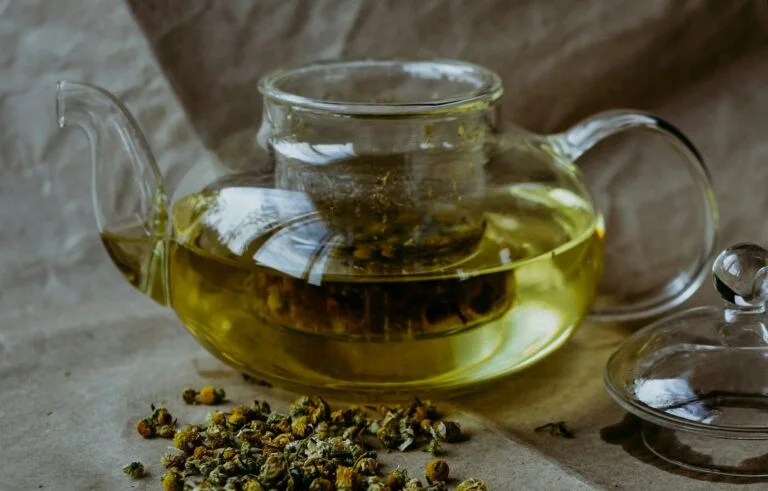
9. Chamomile tea
Chamomile is the most popular bedtime tea in the UK. A 2019 review pooled 12 randomised trials of chamomile (mostly as extracts, not tea bags). Chamomile improved sleep quality when the trials were combined, but the only trial in people with insomnia found no change in insomnia severity, and the authors called for larger studies.
Verdict: limited evidence, but a caffeine-free warm drink is a much better evening choice than tea or coffee. We rank chamomile against valerian, lemon balm, passionflower and others in the best tea for sleep.
10. A Mediterranean-style diet
The strongest message may be about your whole diet rather than any one food. A 2024 systematic review looked at 23 reports on the Mediterranean diet and sleep: lots of vegetables, fruit, wholegrains, beans, nuts, olive oil and fish, with less red meat and sugar. Most found that people who ate this way were less likely to report poor sleep quality, short sleep, daytime sleepiness or insomnia symptoms.
These were observational studies, so they can’t show the diet causes better sleep; good sleepers may simply find it easier to eat well. Still, it’s a healthy way to eat and includes most of the foods above. For how diet links to how you feel, see food and mood.
Best bedtime snacks
If you’re genuinely hungry in the evening, a small, light snack that isn’t sugary, spicy or fatty is fine. Our eating before bed guide covers timing and weight.
| Snack | Why it’s a good pick | Watch out for |
|---|---|---|
| Two kiwis | The fruit used in the kiwi sleep study; light and fibre-rich | Acidic, so skip if you get reflux |
| Small bowl of porridge made with milk | Warm, filling and high in fibre | Go easy on syrup and sugar toppings |
| Plain yoghurt with berries | Dairy plus fruit, without much sugar | Flavoured yoghurts can be very sugary |
| Wholegrain toast with peanut butter | Carbohydrate plus a little protein keeps you full | Keep it to one slice |
| Small handful of almonds, walnuts or pumpkin seeds | Magnesium-rich and low in sugar | High in calories, so a small handful (about 30g) is plenty |
| Banana with a few nuts | Easy, filling, no prep | No special sleep effect |
| Oatcakes with a little cheese | Wholegrain, savoury, not sugary | Strong or very salty cheese in large amounts |
| Warm milk or fortified soya drink | A comforting wind-down ritual | Avoid adding lots of sugar |
| Small glass of diluted tart cherry juice | The best-studied sleep food | Sugar in juice drinks; check the label |
If evening snacking is more about cravings than hunger, our guide to sugar cravings may help.
Foods and drinks to avoid before bed
This is where the evidence is strongest. The NHS advice for people with insomnia is not to drink alcohol, tea or coffee for at least 6 hours before bed and not to eat a big meal late at night.
| Food or drink | Why it disturbs sleep | What to do |
|---|---|---|
| Coffee, tea, cola and energy drinks | Caffeine blocks sleepiness and stays in your system for hours | Stop at least 6 hours before bed; earlier if you’re sensitive |
| Alcohol | Helps you nod off, then breaks up sleep in the second half of the night and reduces REM sleep | Keep it moderate and have your last drink well before bed |
| A big or fatty meal late at night | Can trigger heartburn and is linked to lighter sleep | Finish your main meal 3 to 4 hours before bed |
| Spicy food, tomatoes and fatty foods | Common heartburn and reflux triggers | Have them earlier in the day if they set you off |
| Dark chocolate and strong cocoa | Contains caffeine and theobromine; chocolate is also a reflux trigger | Have it earlier if you’re sensitive |
| Sugary desserts and snacks | A diet higher in sugar is linked to more night-time waking | Swap for fruit, yoghurt or oatcakes |
Caffeine: why the 6-hour rule matters
How long caffeine lasts varies a lot between people. In one study, 12 healthy adults took a large dose of caffeine (400mg) at bedtime, 3 hours or 6 hours before bed. Even at 6 hours, it cut their measured sleep by more than an hour, yet their sleep diaries didn’t pick up the difference. You may not realise your afternoon coffee is costing you sleep. See does caffeine cause anxiety? for how much is in each drink and how to cut down.
Alcohol: the nightcap myth
A review of studies in healthy volunteers found that alcohol, at every dose, helps you fall asleep faster but disrupts sleep in the second half of the night, and moderate and higher amounts reduce REM (dreaming) sleep. That’s why you can wake at 3am after a few drinks. If you’re cutting down, our alcohol-free nightcaps guide has ideas.
Heavy, spicy and fatty meals
For heartburn, the NHS lists coffee, tomatoes, alcohol, chocolate and fatty or spicy foods as triggers, and advises not eating within 3 or 4 hours of bed. Raising the head of your bed by 10 to 20cm can help (not extra pillows). See a GP if you have heartburn most days or if pharmacy remedies and lifestyle changes aren’t helping.
Evening drinks without the caffeine
Swapping your evening tea or coffee for a caffeine-free warm drink is one of the easiest changes to make.
Our Magnesium Glycinate Sleep Complex is a caffeine-free, berry-flavoured evening drink made with magnesium bisglycinate and citrate (148mg of magnesium per serving), plus glycine, L-theanine, chamomile, passionflower, hops and oat straw. Magnesium contributes to normal functioning of the nervous system and to the reduction of tiredness and fatigue. For the research on one of its ingredients, see glycine for sleep.
Our Reishi Mushroom Adaptogenic Complex is a reishi hot chocolate made with organic cacao and coconut sugar, with no coffee in it. Like any cacao drink, it naturally contains theobromine and a little caffeine: in one study, around 12g of cocoa powder held about 19mg of caffeine and 250mg of theobromine. That’s well below a cup of coffee, but if you’re sensitive, have it earlier in the evening. Our healthy hot chocolate guide explains more.
Our products are for adults (18+) only, and we don’t recommend them during pregnancy or breastfeeding. Food supplements shouldn’t replace a varied, balanced diet.
When food isn’t the answer
Diet rarely fixes a real sleep problem on its own. See a GP if you’ve had trouble sleeping for months, it’s making daily life hard to cope with, or you snore loudly or stop breathing in your sleep. The NHS says GPs now rarely prescribe sleeping pills, and you may be offered cognitive behavioural therapy (CBT) instead, face to face or as an online programme. Read more in our insomnia guide.
Looking for daytime focus instead? See brain foods for memory and concentration.
See also chamomile tea: the evidence, how much to drink and side effects.
FAQs
What is the best food to help you sleep?
Tart cherry juice and kiwi fruit have the most research, but both are small studies. A balanced diet rich in fibre, vegetables and fish, with no caffeine after lunch and no big late meals, matters more than any single food.
What should I eat before bed if I’m hungry?
Choose something light and low in sugar, such as two kiwis, a small bowl of porridge, plain yoghurt with berries, oatcakes or a small handful of nuts, ideally an hour or more before bed.
Does warm milk help you sleep?
The evidence is limited. A review of a few trials found slightly better self-reported sleep quality, and the warm, calming ritual may help. The tryptophan in one glass of milk is unlikely to make you sleepy on its own.
Do bananas help you sleep?
There are no sleep trials of bananas. They contain a little magnesium and potassium and make a good light snack, but there’s no evidence they make you sleepy.
What foods keep you awake at night?
Anything with caffeine (coffee, tea, cola, energy drinks and chocolate), alcohol, and big, fatty or spicy meals close to bed. A diet high in sugar is also linked to more night-time waking.
What foods make you sleepy straight away?
No food works like a sleeping pill. A big carb-heavy meal can make you drowsy, but in one small study a high-GI meal worked best eaten 4 hours before bed, not 1 hour.
How long before bed should I stop eating?
Try to finish your main meal 3 to 4 hours before bed, especially if you get heartburn. A small, light snack closer to bedtime is fine for most people.
Sources
- NHS. Insomnia.
- NHS. Heartburn and acid reflux.
- NHS. Fish and shellfish.
- NHS. Vitamins and minerals: magnesium.
- Lin HH et al. (2011). Effect of kiwifruit consumption on sleep quality in adults with sleep problems. Asia Pac J Clin Nutr.
- Kanon AP et al. (2023). Acute effects of fresh versus dried Hayward green kiwifruit on sleep quality. Front Nutr.
- Howatson G et al. (2012). Effect of tart cherry juice on melatonin levels and enhanced sleep quality. Eur J Nutr.
- Pigeon WR et al. (2010). Effects of a tart cherry juice beverage on the sleep of older adults with insomnia. J Med Food.
- Hansen AL et al. (2014). Fish consumption, sleep, daily functioning, and heart rate variability. J Clin Sleep Med.
- Afaghi A et al. (2007). High-glycemic-index carbohydrate meals shorten sleep onset. Am J Clin Nutr.
- Peres et al. (2025). The consumption of milk or dairy products and sleep quality: a systematic review and meta-analysis. Cureus.
- St-Onge MP et al. (2016). Fiber and saturated fat are associated with sleep arousals and slow wave sleep. J Clin Sleep Med.
- Abbasi B et al. (2012). The effect of magnesium supplementation on primary insomnia in elderly. J Res Med Sci.
- Hieu TH et al. (2019). Therapeutic efficacy and safety of chamomile for state anxiety, generalized anxiety disorder, insomnia, and sleep quality. Phytother Res.
- Godos J et al. (2024). Mediterranean diet and sleep features: a systematic review of current evidence. Nutrients.
- Drake C et al. (2013). Caffeine effects on sleep taken 0, 3, or 6 hours before going to bed. J Clin Sleep Med.
- Ebrahim IO et al. (2013). Alcohol and sleep I: effects on normal sleep. Alcohol Clin Exp Res.
- Smit HJ et al. (2004). Methylxanthines are the psycho-pharmacologically active constituents of chocolate. Psychopharmacology.
This guide is general information, not medical advice. Evopure makes the Magnesium Glycinate Sleep Complex and Reishi Mushroom Adaptogenic Complex.