

Last updated: 13 November 2026
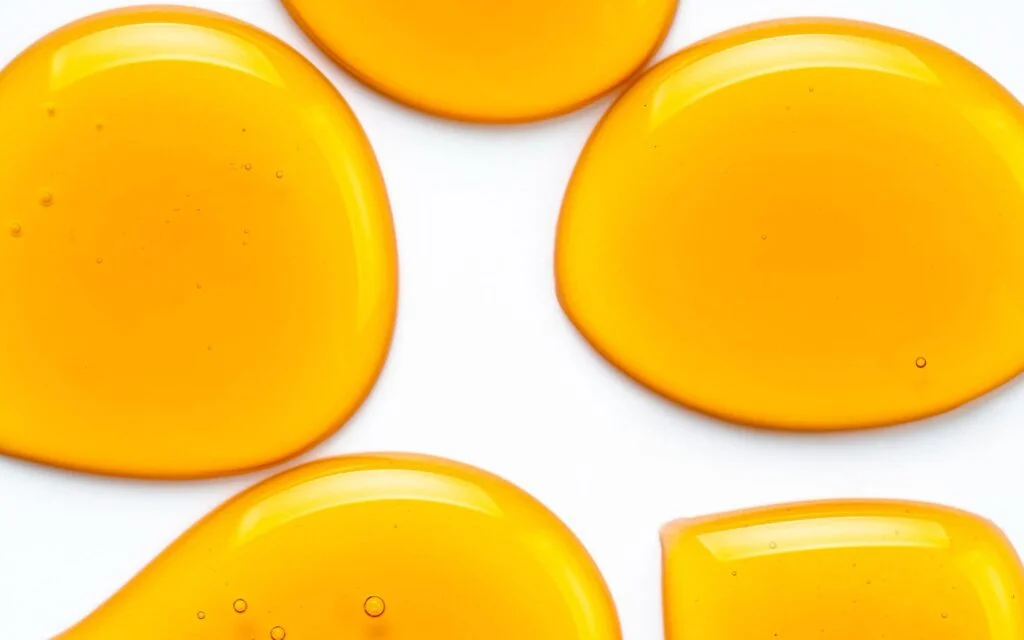
CBD distillate is a refined hemp extract made by distilling crude extract under vacuum, which strips out waxes, chlorophyll and most terpenes and leaves a thick, golden oil that is mostly cannabinoids. Unlike CBD isolate, a white powder of 98% or more CBD, it keeps other cannabinoids. Full spectrum distillate still contains THC; broad spectrum has it removed.
Below: a side by side table of crude extract, full and broad spectrum distillate and isolate, how distillate is made, the UK legal position, how to check a lab report, and what our own oils contain.
Black Friday sale on now, until the end of Monday 30 November: 25% off any order, 30% off when you spend £50 and 40% off when you spend £100, with free standard UK delivery on every order. See the Black Friday offer.
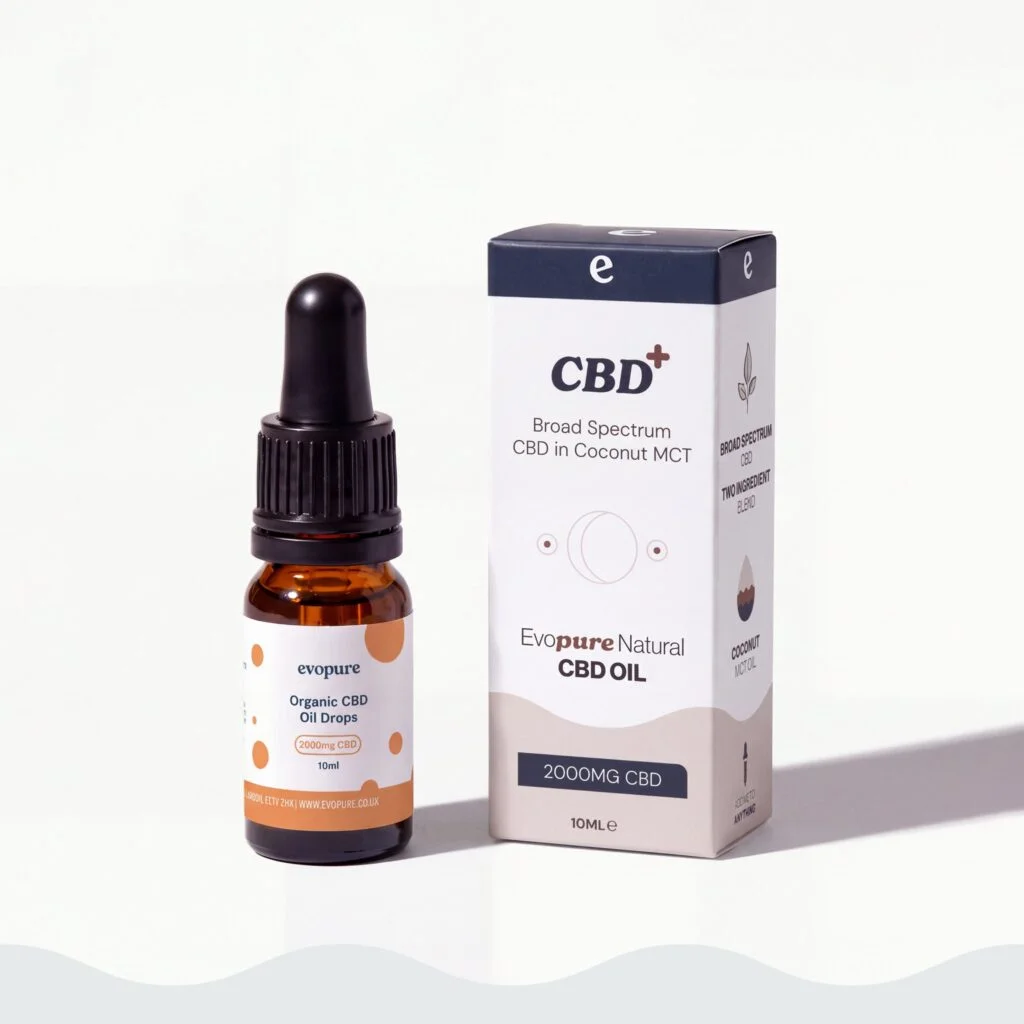
Prefer a finished oil?
Raw distillate is a trade ingredient. If you want CBD from a refined extract, ready to take, these are the two we’d start with. We make them, so we’re not neutral.
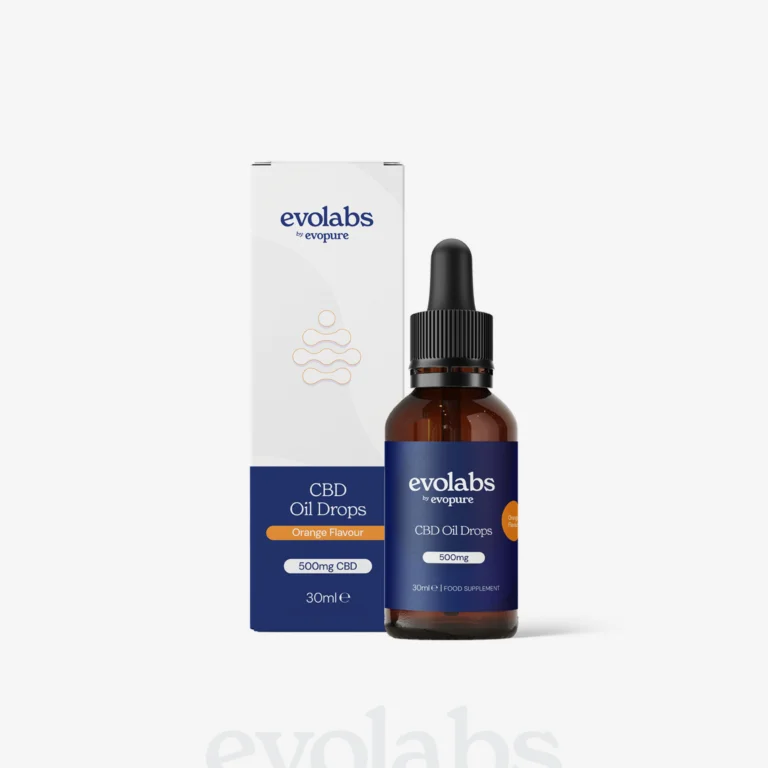
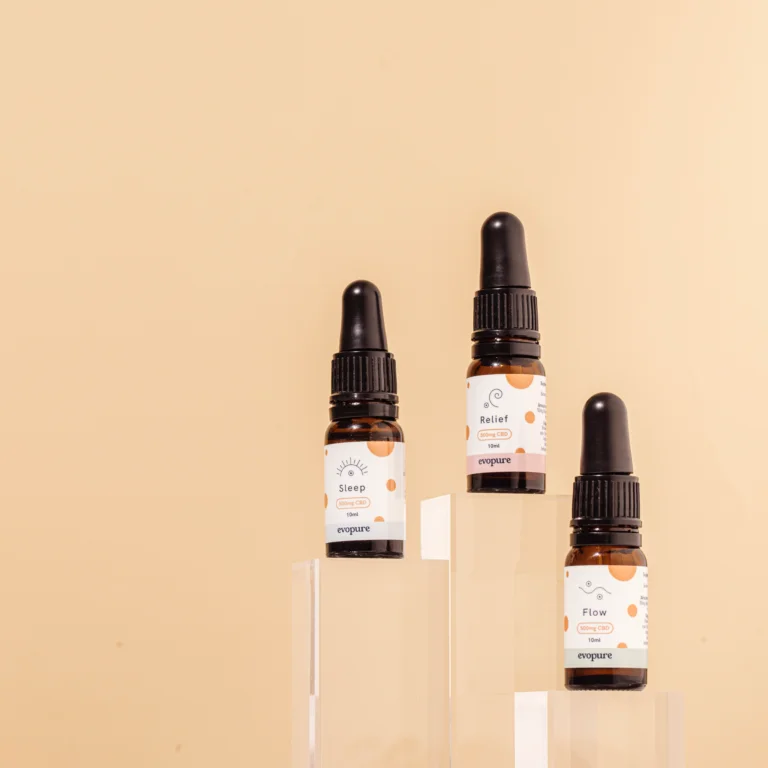
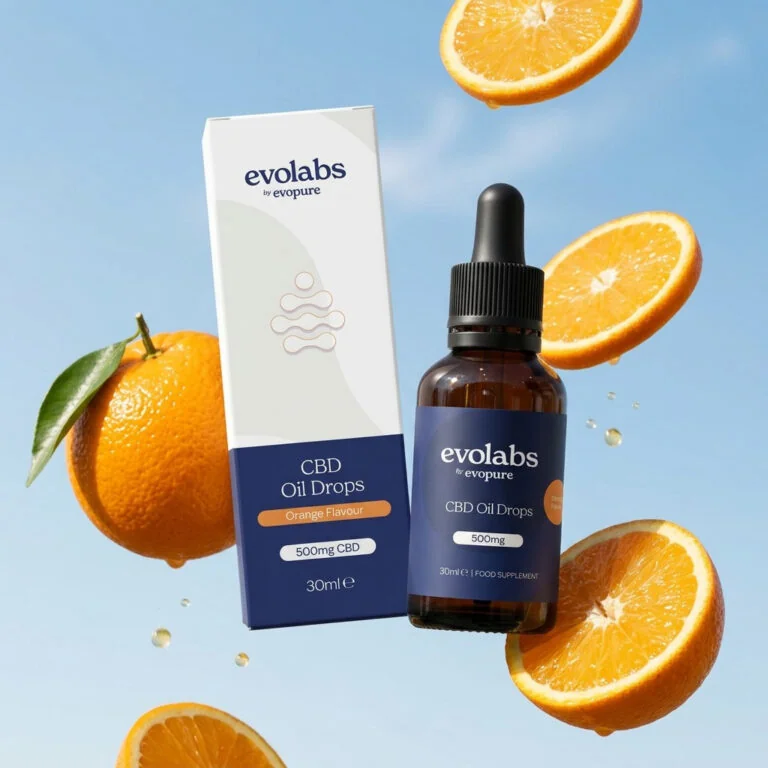
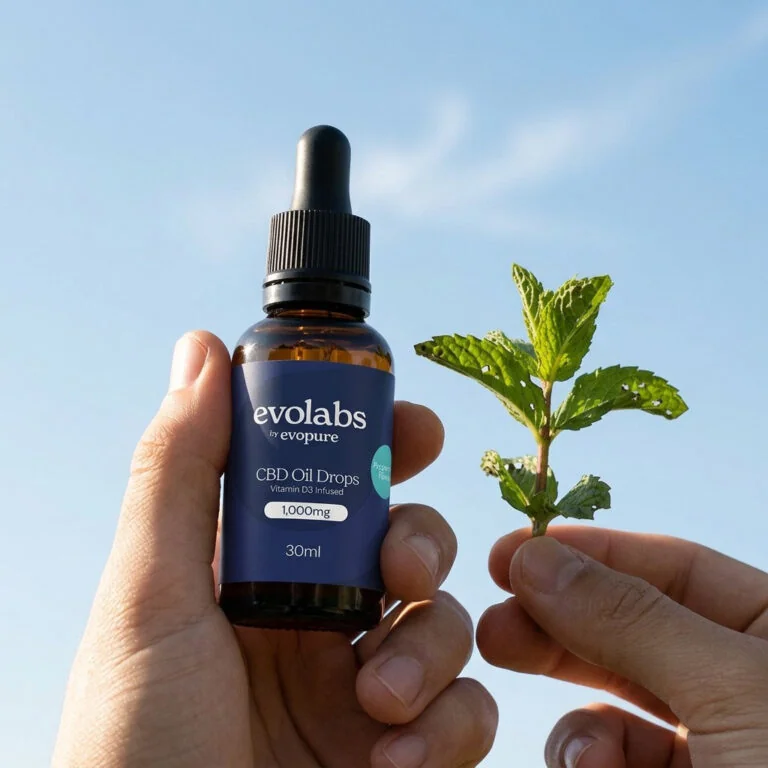
Broad Spectrum CBD Oil 500mg: broad spectrum CBD and coconut MCT oil only, with 0% THC; 10mg in about 0.2ml. Rated 4.7 out of 5 from 43 verified ratings (via Lipscore, checked 13 November 2026).
Add Broad Spectrum CBD Oil 500mg to bag or choose another strength
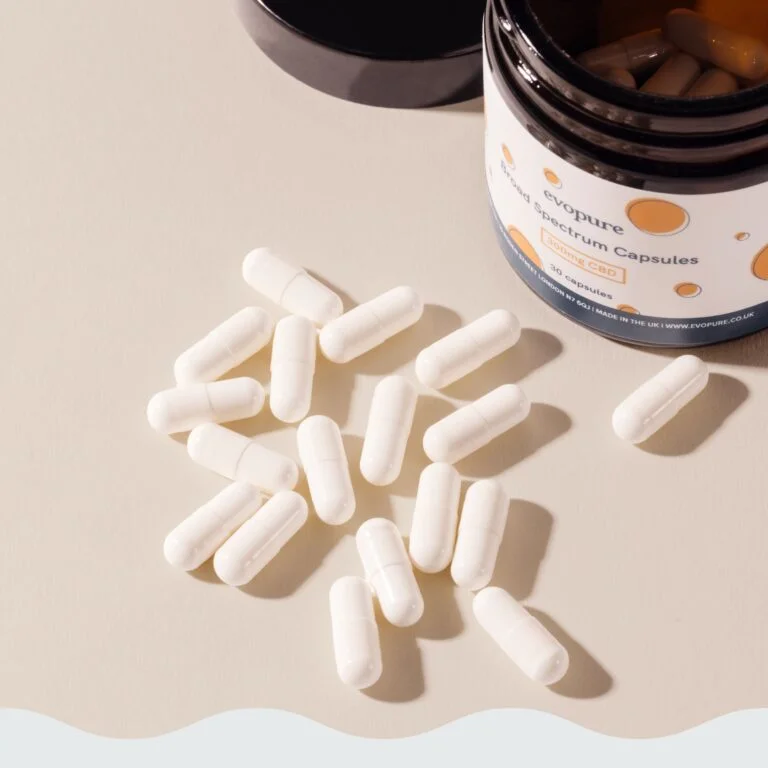
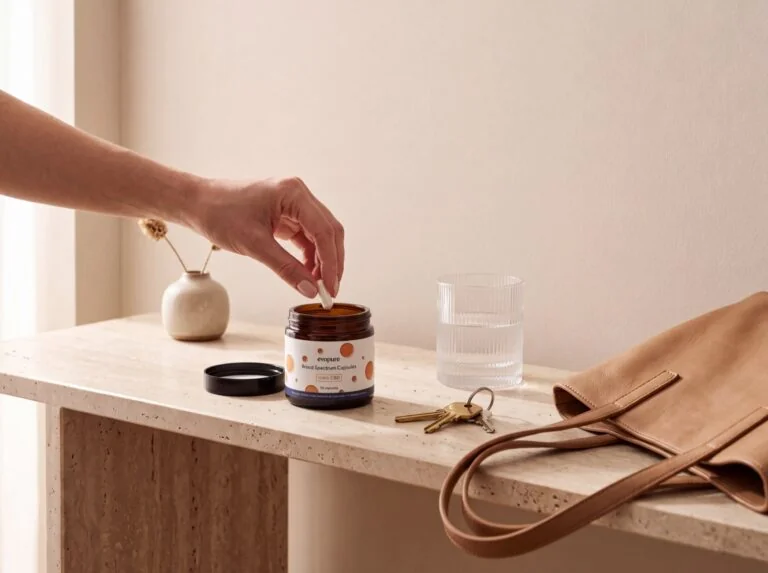
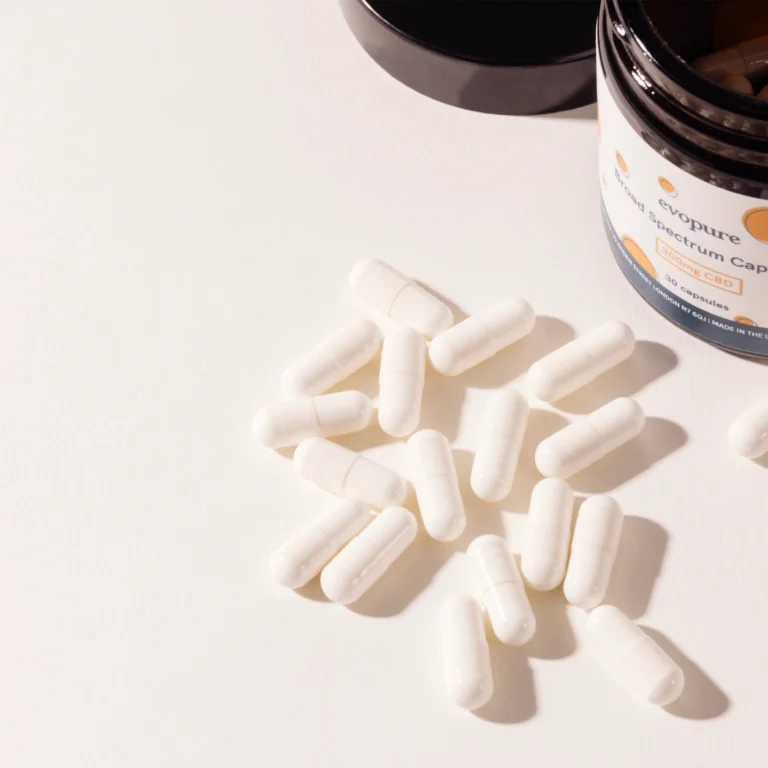
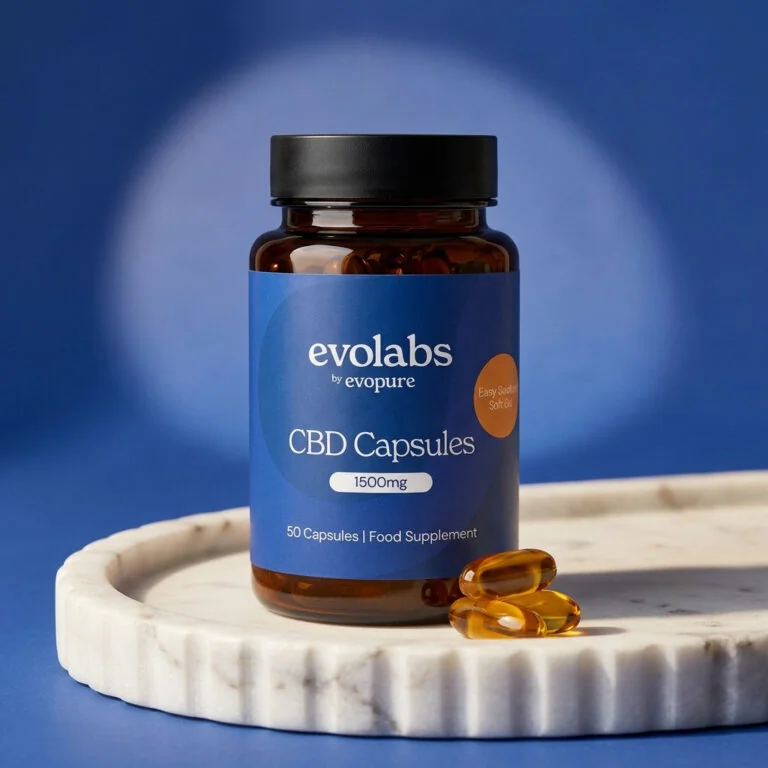
Broad Spectrum CBD Capsules 10mg: one 10mg capsule, nothing to measure. Rated 4.7 out of 5 from 125 verified ratings (via Lipscore, checked 13 November 2026).
Add Broad Spectrum CBD Capsules 10mg to bag or choose another strength
On the FSA public list (RP438), every batch third-party lab tested, vegan and made in the UK. Adults only. If you take any regular medicines, check with your GP or pharmacist first. We don’t recommend our products during pregnancy or breastfeeding. Subscribe and save 25% on your first order, then 20%. New to Evopure? Join our emails for 20% off a one-off first order. Free UK delivery over £40.
The FSA’s 10mg a day figure is precautionary advice rather than a legal limit, set while longer-term safety research continues. At Evopure we think it is a very cautious figure, and many adults use more. If you go above it, increase slowly, and check with your GP or pharmacist first if you take any medication.
What is CBD distillate?
Distillate is a stage in making CBD, not a finished product. Hemp is first extracted to make a dark, crude oil. That crude oil is cleaned up and then distilled, so the cannabinoids are separated from the heavier waxes, fats and plant pigments and from the lighter, more volatile terpenes. What comes out is a concentrated cannabinoid oil that manufacturers dilute into oils, capsules, balms and vape liquids.
How much CBD a distillate contains varies from batch to batch and supplier to supplier. As one real example, a hemp extract assessed by the European Food Safety Authority in 2026, made with winterisation, decarboxylation and high-vacuum distillation, contained 57 to 65% CBD plus 9 to 17% other cannabinoids. Many suppliers sell distillates with more CBD than that, which is why the batch lab report matters more than the word “distillate” on a label. For a side-by-side look at what to buy, see our guide to the best CBD oil UK.
CBD distillate UK: legal status and what to buy
CBD distillate is legal in the UK as a manufacturing ingredient if its THC and other controlled cannabinoids meet the Home Office exempt product rules. It isn’t a consumer product, and raw distillate isn’t on the FSA public list. Most buyers want a CBD oil made from a refined extract, on the FSA list and with a batch lab report.
CBD itself is not a controlled drug, but distillate brings two sets of rules into play: drugs law, because of THC and other controlled cannabinoids, and food law, because CBD extracts eaten as food are novel foods. Our main guide to whether CBD is legal in the UK covers the wider picture.
THC and the exempt product rules
The Home Office says pure, isolated CBD is not controlled under the Misuse of Drugs Act 1971, but products containing THC or other controlled cannabinoids are, unless they meet all three conditions of an “exempt product”:
- it isn’t designed for giving the controlled drug to a person or animal
- the controlled drug can’t be recovered by readily applicable means or in an amount that risks health
- no one component part contains more than 1mg of the controlled drug
Because distilling concentrates THC along with CBD, full spectrum distillate often can’t meet these conditions. The Home Office also notes that it is very difficult to extract CBD without any traces of controlled cannabinoids, so the lab report matters even for broad spectrum and isolate. For foods, the FSA’s safe upper limit for THC is 70 micrograms a day.
Food products and the FSA public list
The FSA classes CBD extracts and isolates as novel foods. A CBD food product, such as an oil or capsule made with distillate, can only stay on sale if it is linked to an application on the FSA’s public list. The FSA has started recommending the first authorisations; see the FSA’s first CBD approvals explained.
The FSA’s 10mg a day figure (its provisional acceptable daily intake) was worked out for CBD of 98% purity or more, not for less refined extracts such as distillate. Our guide to the CBD daily limit in the UK explains how much oil that is in ml.
Buying raw distillate
Bulk and wholesale distillate sold online is a trade ingredient for manufacturers. It isn’t a food product on the FSA public list, it often comes without a clear serving size, and the THC rules above still apply to it. We don’t recommend buying raw distillate to eat, mix or dab at home.
Vape liquids aren’t foods, so the FSA’s novel food process doesn’t cover them, but the controlled-drug rules still do. If you’re thinking about vaping CBD, read can you vape CBD oil? first: ordinary CBD oils are not made to be vaped.
What to buy instead of raw distillate
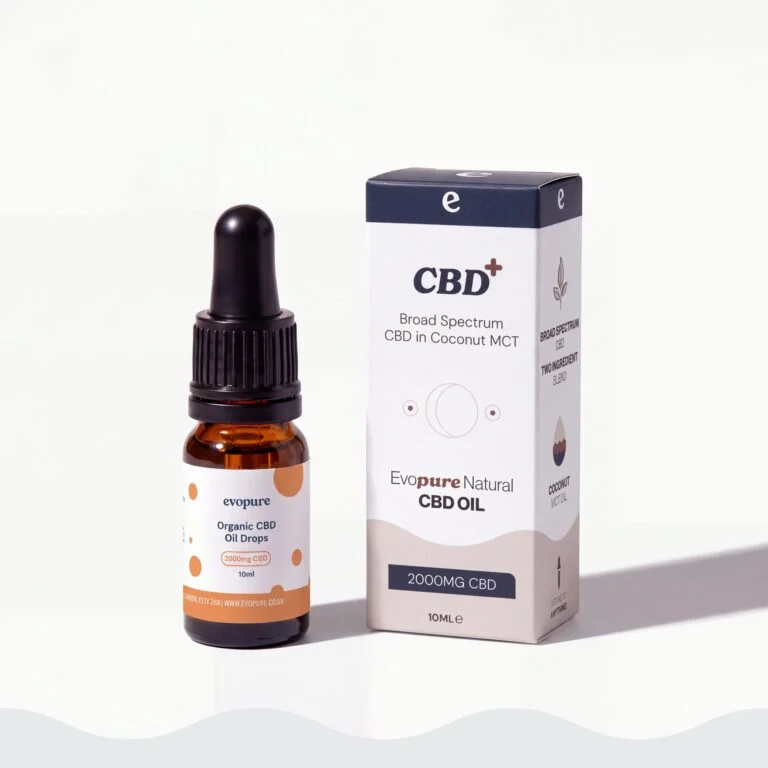
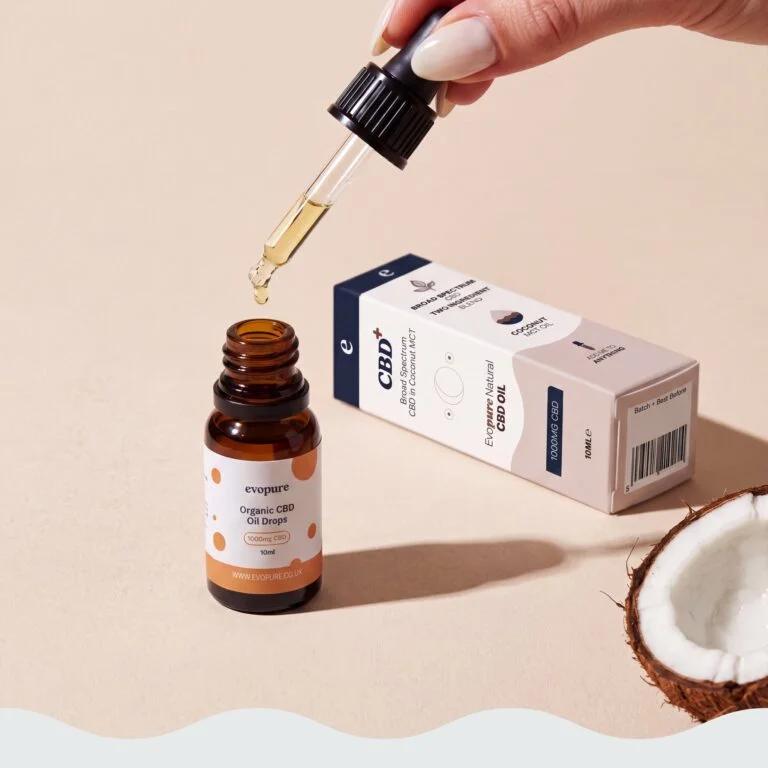
Look for a finished oil or capsule with a clear amount of CBD per ml or per capsule, THC shown as not detected on a batch lab report, and an FSA public list entry. Evopure’s Broad Spectrum CBD Oil is broad spectrum CBD in coconut MCT oil with 0% THC, on the FSA public list. 10mg of CBD is about 0.2ml of the 500mg oil. Adults only. Add Broad Spectrum CBD Oil 500mg to your bag.
iA cannabis distillate prescribed by a specialist doctor is a different thing altogether; see medical cannabis in the UK.
Crude extract vs distillate vs isolate: comparison table
| Crude extract | Full spectrum distillate | Broad spectrum distillate | CBD isolate | |
|---|---|---|---|---|
| Typical CBD content | Varies widely with the hemp and method, diluted by waxes, fats and plant matter | Varies; one EFSA-assessed distilled extract was 57 to 65% CBD | Varies, similar to full spectrum once THC is removed | Usually 97% or more in EFSA examples; UK safety advice is based on 98% or more |
| THC | Whatever the hemp contained | Yes, concentrated along with the CBD | Removed to non-detectable or trace levels | None added; tiny traces are hard to rule out entirely |
| Other cannabinoids | Yes | Yes (one example: 9 to 17%) | Some, such as CBG or CBC | Very little (under 2.5% in one EFSA example) |
| Terpenes | Most | Few; mostly separated off during distillation | Few | None |
| Look and texture | Dark, thick, sticky | Golden to amber, thick and honey-like | Golden to amber, thick and honey-like | White to off-white crystalline powder |
| Typical uses | Starting material for refining | Ingredient for oils and vapes where THC is allowed | Ingredient for oils, capsules, balms and vape liquids | Ingredient for oils, capsules, gummies and drinks |
| UK consumer products | Not sold as a consumer food | Usually can’t meet UK controlled-drug rules for THC | Foods must be on the FSA public list; THC must meet exempt product rules | Foods must be on the FSA public list |
Figures vary between suppliers and batches, so treat this as a guide and check the lab report for the product in front of you. For the other two ends of the scale, see what is CBD isolate? and what is full spectrum CBD?
Full spectrum vs broad spectrum distillate
- Full spectrum distillate keeps THC along with other cannabinoids. Distilling concentrates everything, so THC can end up well above what UK law allows in a consumer product.
- Broad spectrum distillate has had THC removed to non-detectable or trace levels while keeping some other cannabinoids, such as CBG or CBC. One way manufacturers do this is chromatography, which separates THC from the rest of the extract.
Many people choose broad spectrum hoping for an “entourage effect” from the other compounds, but this hasn’t been proven in people. See the entourage effect, CBG, CBN and other minor cannabinoids and our full comparison of full spectrum vs broad spectrum CBD oil.
How CBD distillate is made
In short, crude extract is cleaned, activated and then distilled. Our guide to how CBD is extracted covers the extraction methods in full.
- Extraction: CBD and other compounds are pulled from hemp with a solvent such as ethanol or another method, giving a crude extract.
- Winterisation: the extract is mixed with alcohol and chilled so fats and waxes drop out, then filtered and the alcohol is removed.
- Decarboxylation: gentle heat converts the raw acid form (CBDA) into CBD.
- Distillation: the extract is heated under vacuum so compounds separate by boiling point. Lighter terpenes come off first as their own fraction, the cannabinoid-rich middle fraction is collected as distillate, and heavier residues are left behind.
- THC removal (for broad spectrum): an extra step, such as chromatography, strips out THC.
- Crystallisation (for isolate only): CBD is crystallised out and washed to give a white powder.
The terpene fraction is why distillate tastes milder than crude extract. In one study of by-products from commercial CBD production, the terpene-rich distillation fraction was around 40% sesquiterpenoids, compounds that would otherwise have stayed in the oil. Some brands add terpenes back afterwards; see what are terpenes?
How distillate is used
Distillate is too thick and strong to measure at home, so it’s normally diluted by manufacturers into:
- oils, mixed into a carrier such as MCT. See best carrier oil for CBD
- capsules and gummies, for a fixed amount per serving
- topicals, such as balms
- vape liquids, which need their own compliance checks
Dabbing or eating raw distillate makes it very hard to know how much you are taking. A diluted product with a clear mg per ml or per capsule is safer and more consistent. See how much CBD to take.
CBD distillate vs CBD oil
People often search for these as if they were rivals, but one goes into the other. Distillate is the concentrated ingredient. CBD oil is an extract, such as distillate or isolate, dissolved in a carrier oil to a set strength, so each ml holds a known amount of CBD. A 10ml bottle of 1000mg CBD oil is 10% CBD; the rest is carrier oil. Our guide to CBD oil strengths shows how mg, % and ml relate.
“Distilled CBD oil” on a label usually just means the oil was made with distillate. It tells you nothing about strength or THC, so look for the spectrum and the mg per ml.
How to check a product: lab report checklist
Labels on CBD products aren’t always accurate. A US study of 84 CBD products bought online found only about 31% were accurately labelled for CBD, and THC was detected in 18 of them. A later US study found detectable THC in 5 of 21 products labelled “THC-free”. A batch lab report, also called a certificate of analysis (COA), is how you check. Look for:
- A batch number that matches the one on your bottle, and a recent test date.
- An independent lab, ideally ISO 17025 accredited, not the brand’s own lab.
- A full cannabinoid profile: CBD in mg close to the label, plus THC, THCV, CBN and other controlled cannabinoids shown as “not detected” or below the lab’s limit, with that limit stated.
- Contaminant tests: residual solvents, heavy metals, pesticides and microbes, especially for products made from distillate.
- The FSA public list: for food products, check the product appears on it.
- Clear mg per serving, not just “mg per bottle”, and no medical claims.
Our step by step guide shows how to read a CBD lab report, and how to avoid CBD scams covers the warning signs to watch for when buying online.
What our oils contain
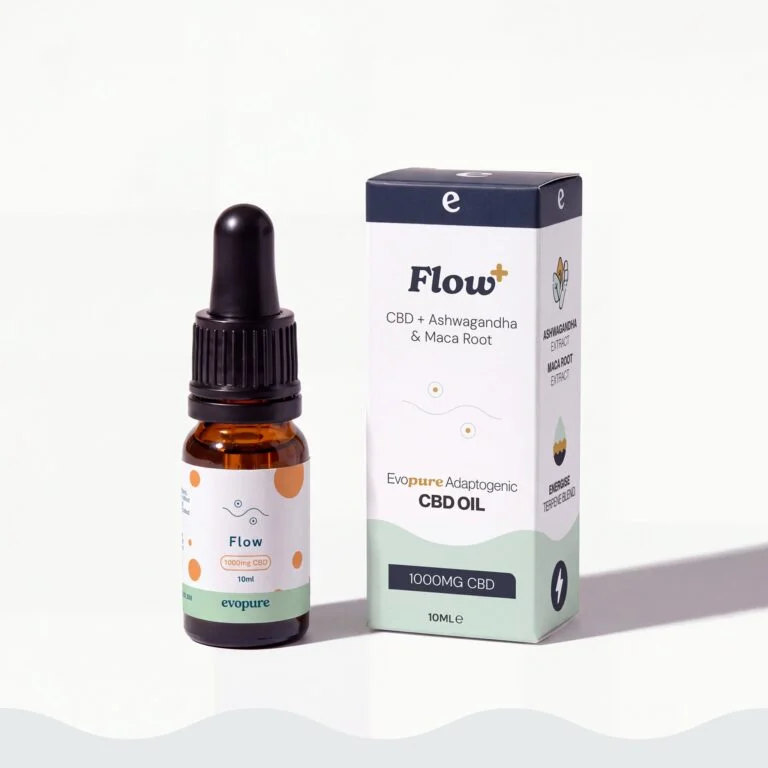
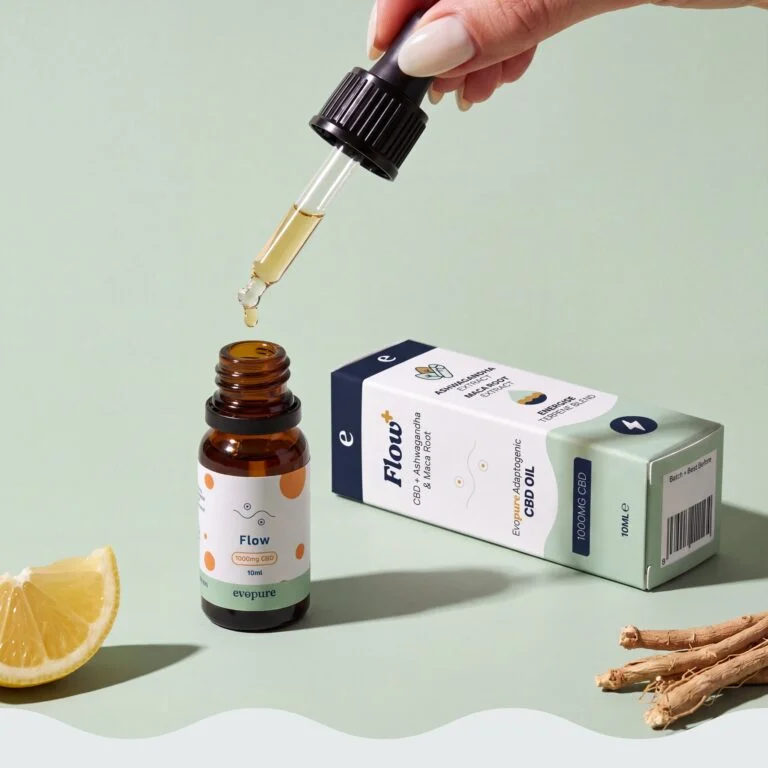
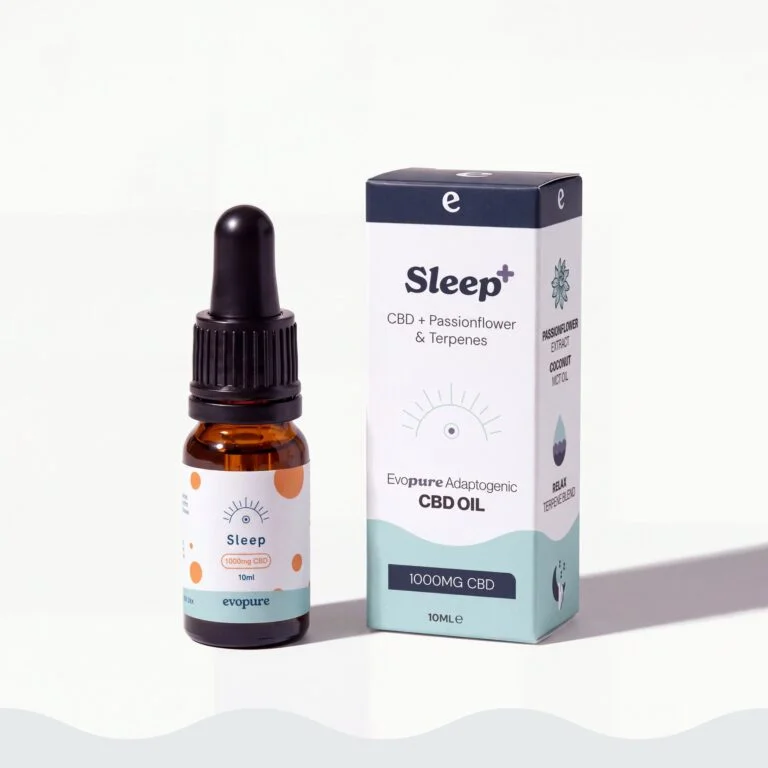
Our Broad Spectrum CBD Oil is broad spectrum CBD in coconut MCT oil, with 0% THC, in 500mg, 1000mg or 2000mg strengths (10mg of CBD is about 0.2ml, 0.1ml or 0.05ml). Our Broad Spectrum CBD Capsules give a fixed 10mg or 25mg per capsule. All our CBD products are broad spectrum, on the FSA public list linked to validated applications, vegan, made in the UK and batch tested by independent ISO 17025 accredited labs, with reports available on request from our lab testing page.
iOur products are for adults (18+) only. We don’t recommend our products during pregnancy or breastfeeding. If you take any medication, speak to your GP or pharmacist before using CBD; see can CBD interact with medication?
Video: what is CBD distillate?
Our short explainer on what CBD distillate is and how it compares with other types of CBD extract.
Distillates can carry trace THC, so read does CBD show up on a drug test? if you are tested.
Our CBD glossary explains distillate, isolate and the other extraction terms you’ll see on labels.
Related guides
- The acid forms such as CBDA all start from one parent compound; see CBGA: the mother cannabinoid explained.
- If you are unsure why THC content matters, our guide to the difference between CBD and THC explains the UK 1mg rule.
- Many UK oils are made from broad spectrum distillate. Our guide to broad spectrum CBD oil covers what should be on the lab report.
- The same spectrum rules apply to capsules: see how to choose CBD capsules in the UK.
- For a checklist to compare finished oils, read how to choose the best CBD oil in the UK.
- Many CBD vape pods use distillate with added terpenes; see Aztec CBD’s pod system for one example.
- For every ingredient you may see on a CBD oil label, see what’s in CBD oil?
- How refined the extract is changes how an oil smells: see does CBD oil smell?
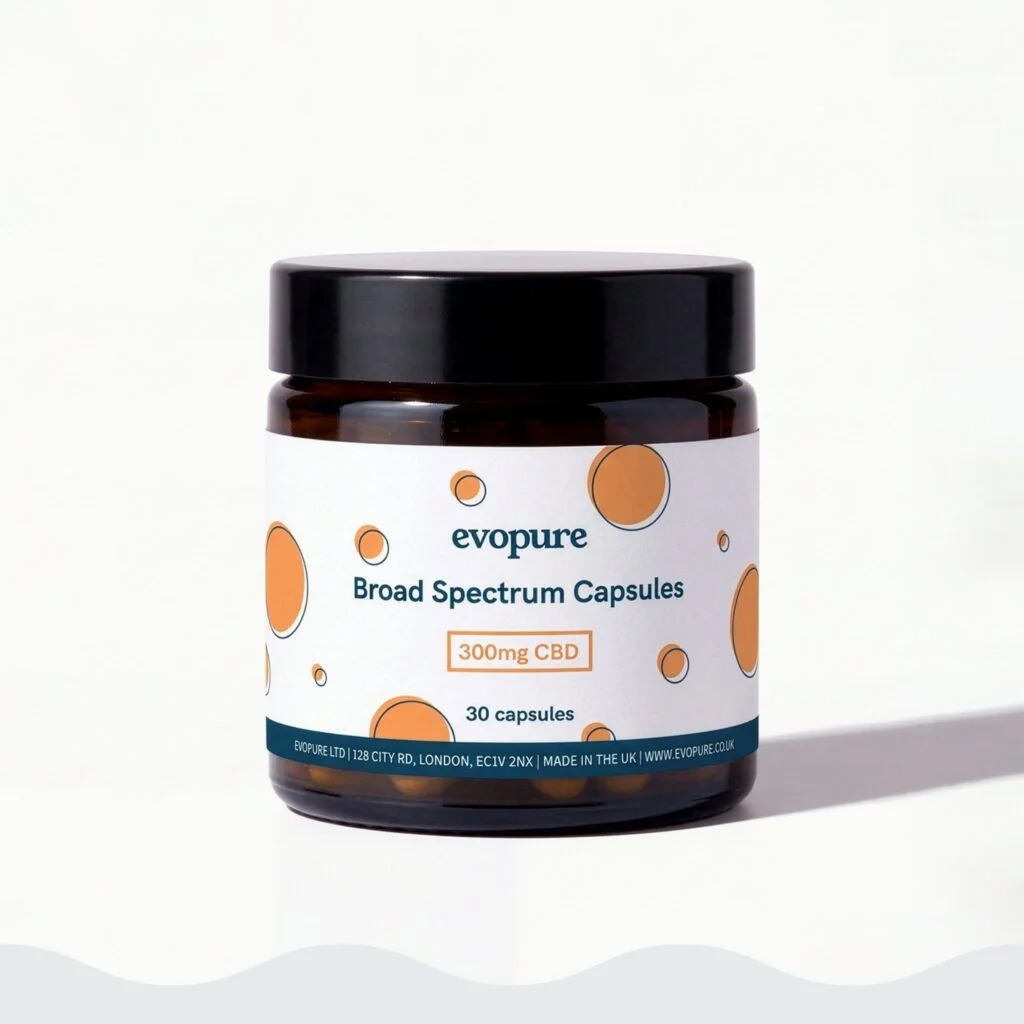
Next step
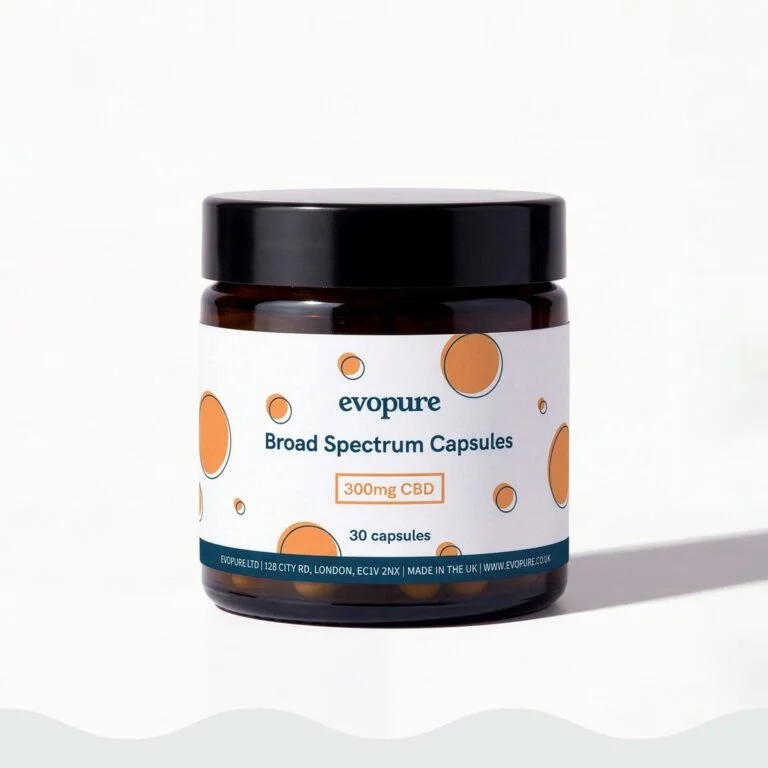
If you’d like broad spectrum CBD without measuring oil, Broad Spectrum CBD Capsules hold 10mg of broad spectrum extract (mostly CBD, with CBG) in each vegan capsule, made with inulin (a plant fibre), with 0% THC and a batch lab report from a third-party lab. Rated 4.7 out of 5 from 125 verified ratings (via Lipscore, checked 13 November 2026).
Add Broad Spectrum CBD Capsules 10mg to bag or choose another strength
Prefer an oil? Broad Spectrum CBD Oil is broad spectrum CBD in coconut MCT oil: 10mg of CBD is about 0.2ml of the 500mg oil. Rated 4.7 out of 5 from 43 verified ratings (via Lipscore, checked 13 November 2026). Add Broad Spectrum CBD Oil 500mg to bag
Subscribe and save 25% on your first order, then 20%. New to Evopure? Join our emails for 20% off a one-off first order. Free UK delivery over £40. The FSA advises healthy adults to take no more than 10mg of CBD a day: one 10mg capsule gives 10mg. Adults only. If you take any regular medicines, check with your GP or pharmacist first. We don’t recommend our products during pregnancy or breastfeeding.
Sources 10
- Bonn-Miller MO et al. Labeling accuracy of cannabidiol extracts sold online. JAMA, 2017.
- Johnson E et al. Cannabidiol (CBD) product contamination: quantitative analysis of THC concentrations found in commercially available CBD products. Drug Alcohol Depend, 2022.
- EFSA NDA Panel. Safety of Cannabis sativa L. extract as a novel food. EFSA Journal, 2026.
- EFSA NDA Panel. Safety of cannabidiol isolate from Cannabis sativa L. as a novel food. EFSA Journal, 2026.
- Leyva-Gutierrez FMA et al. Characterization of by-products from commercial cannabidiol production. J Agric Food Chem, 2020.
- Gallo-Molina AC et al. Tetrahydrocannabinol separation from cannabis extracts using centrifugal partition chromatography. J Chromatogr A, 2025.
- Home Office. Drug licensing factsheet: cannabis, CBD and other cannabinoids, updated 2024.
- FSA. Cannabidiol (CBD) guidance, updated 2026.
- ACNFP and COT. Provisional CBD acceptable daily intake, 2023.
- FSA. CBD products linked to novel food applications.