Free shipping on orders over £45
UK-made & lab-tested
Third-party tested for purity
★★★★★ “The product is great” Sandra M
Better Nights, Better Days.
Pure, tested, made properly.
The Journal
Evidence-led guides from the Evopure team on sleep, stress, recovery and the supplements behind them. No hype and no miracle claims, just what the research says and how to use it.
Written by the Evopure team · Checked against UK guidance · General information, not medical advice
Latest
“Hormonal imbalance” isn’t a diagnosis, but it’s a useful way to describe symptoms caused by hormone changes or conditions, such as irregular periods, tiredness, weight changes, mood swings, acne, hair changes and poor sleep.

By The Evopure team··7 min read
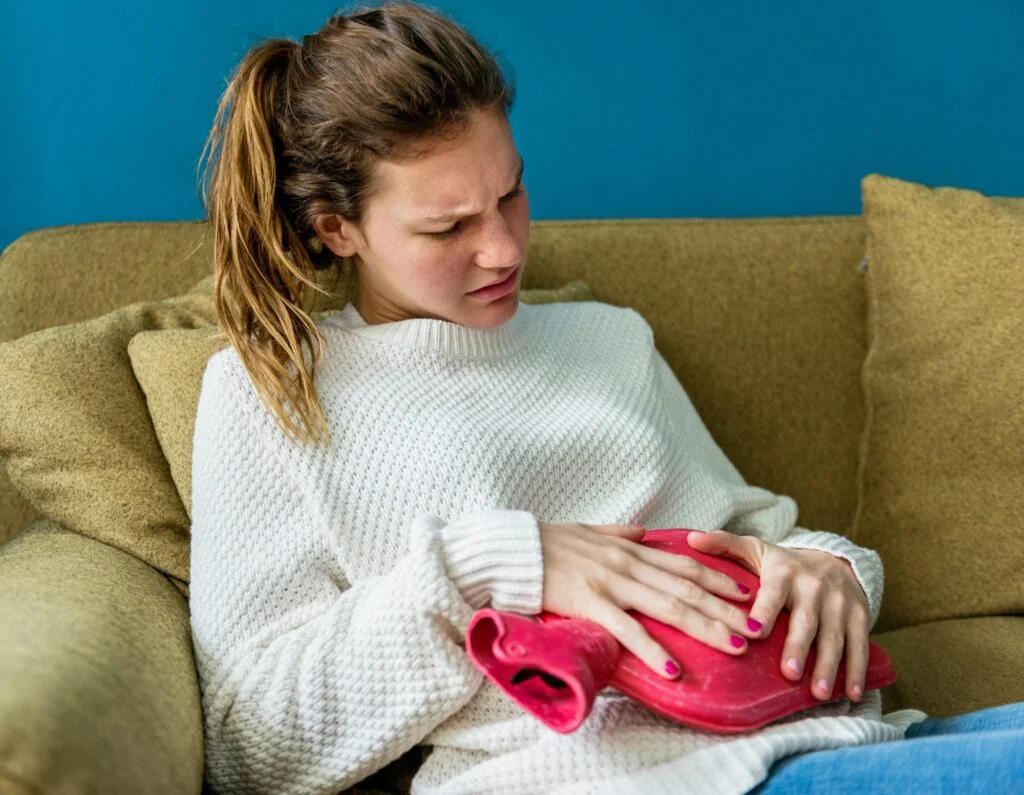
PMS (premenstrual syndrome) symptoms appear in the 1 to 2 weeks before a period and ease once it starts. Common signs include
Coffee on an empty stomach isn’t harmful for most people. But it can trigger heartburn in some, make you feel jittery or
To stay well in winter, get morning daylight, keep moving, protect your sleep, eat warming balanced meals, keep your home at least
Many women gain weight around the middle in perimenopause and menopause. Falling oestrogen shifts fat towards the stomach, muscle mass drops with
Blue light glasses probably don’t do much. A 2023 Cochrane review of 17 trials found they may not reduce eye strain from
Hygge (pronounced “hoo-ga”) is the Danish idea of cosy, simple contentment: candlelight, warm drinks, soft blankets, good food and time with people
A night owl is someone whose body clock runs late, so they feel most alert in the evening and struggle with early
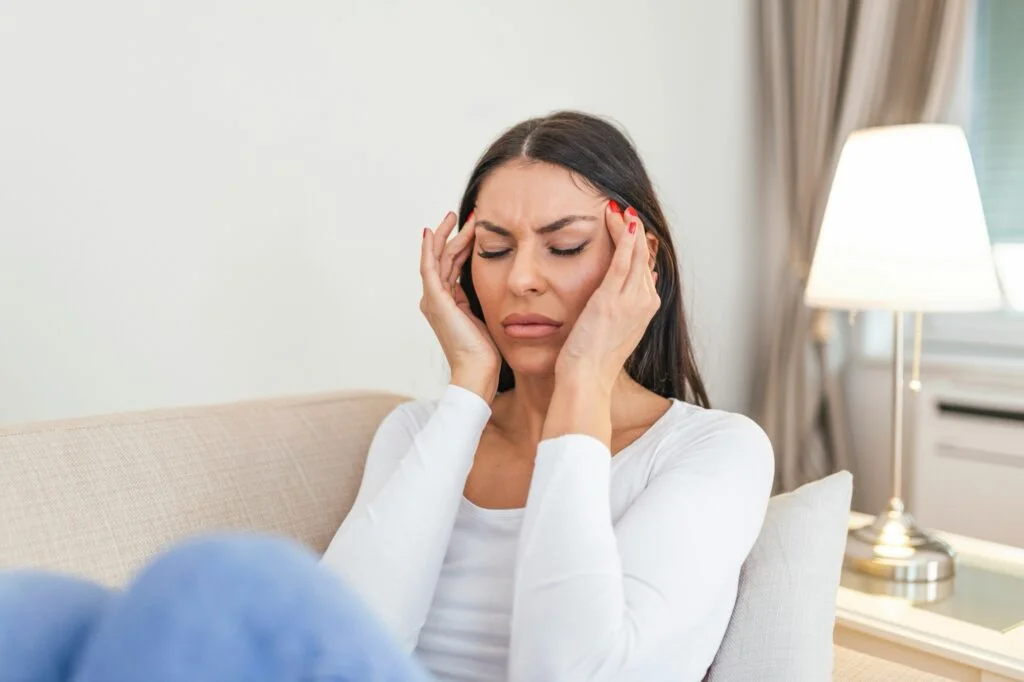
A tension headache feels like pressure or a tight band on both sides of your head, sometimes spreading to your face or
Feeling irritable is usually your body’s way of saying something is off. The most common causes are poor sleep, stress, hunger, too
Imposter syndrome is the persistent feeling that you’re not as capable as others think, and that you’ll be “found out”, despite evidence
Sugar cravings usually come from skipped meals, poor sleep, stress, habit, or meals low in protein and fibre.
To stop snoring, sleep on your side, lose weight if you’re overweight, cut back on alcohol, stop smoking and avoid sleeping pills.