
To stay well in winter, get morning daylight, keep moving, protect your sleep, eat warming balanced meals, keep your home at least 18°C, take 10 micrograms of vitamin D a day from October to March as the NHS…

Many women gain weight around the middle in perimenopause and menopause. Falling oestrogen shifts fat towards the stomach, muscle mass drops with age, and poor sleep, stress and moving less all add up.
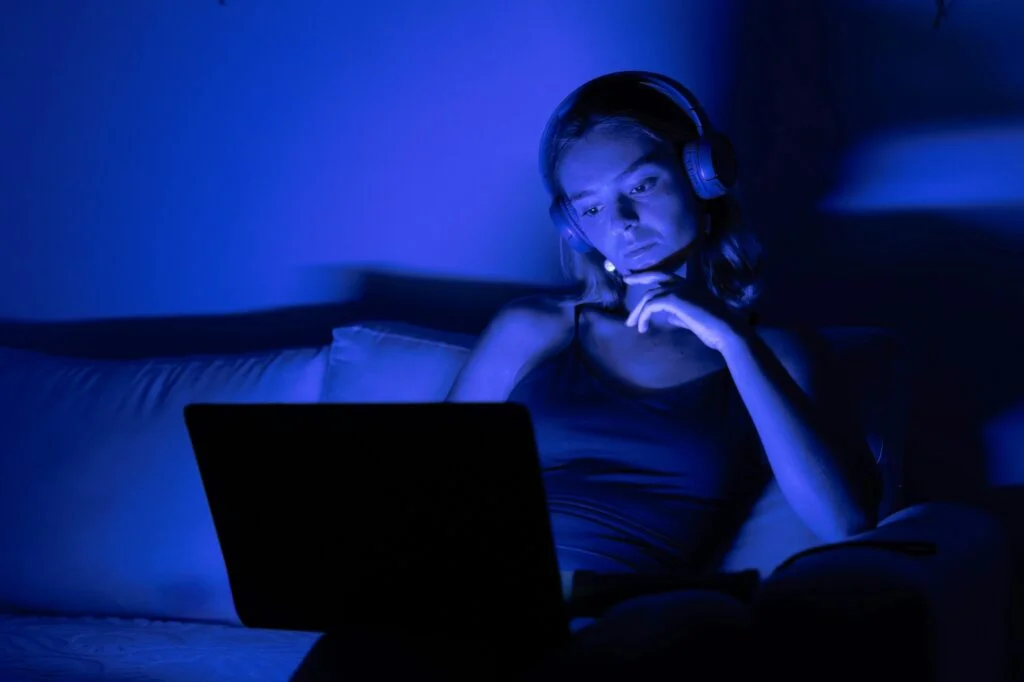
Blue light glasses probably don’t do much. A 2023 Cochrane review of 17 trials found they may not reduce eye strain from screens, and the effect on sleep was unclear.
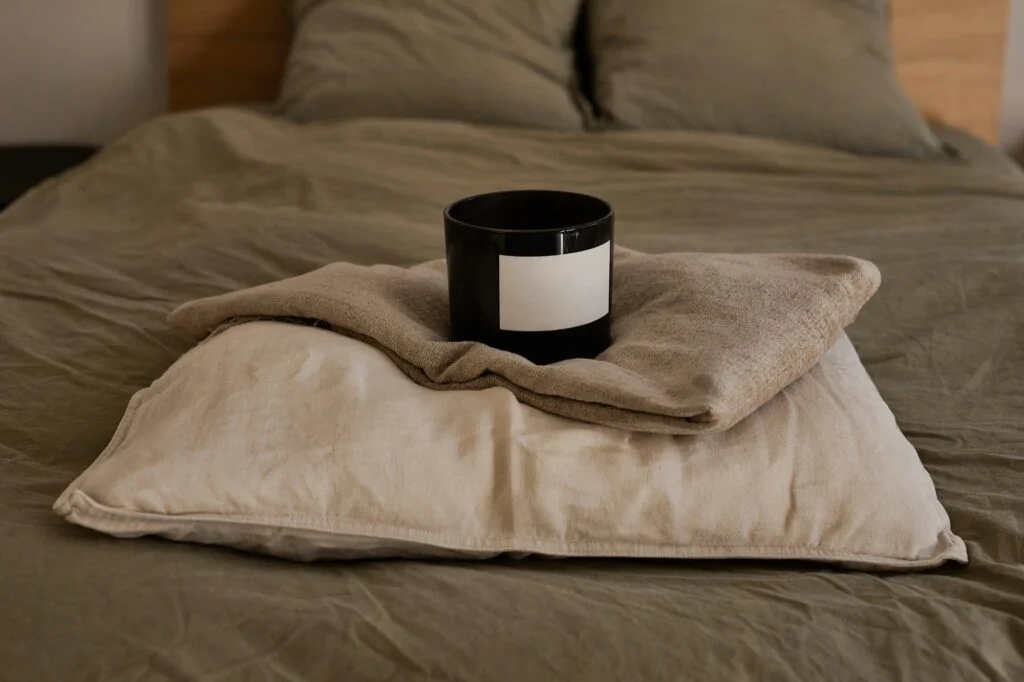
Hygge (pronounced “hoo-ga”) is the Danish idea of cosy, simple contentment: candlelight, warm drinks, soft blankets, good food and time with people you like. It’s a big part of how Danes get through long, dark winters.

A night owl is someone whose body clock runs late, so they feel most alert in the evening and struggle with early mornings. You can shift it earlier.
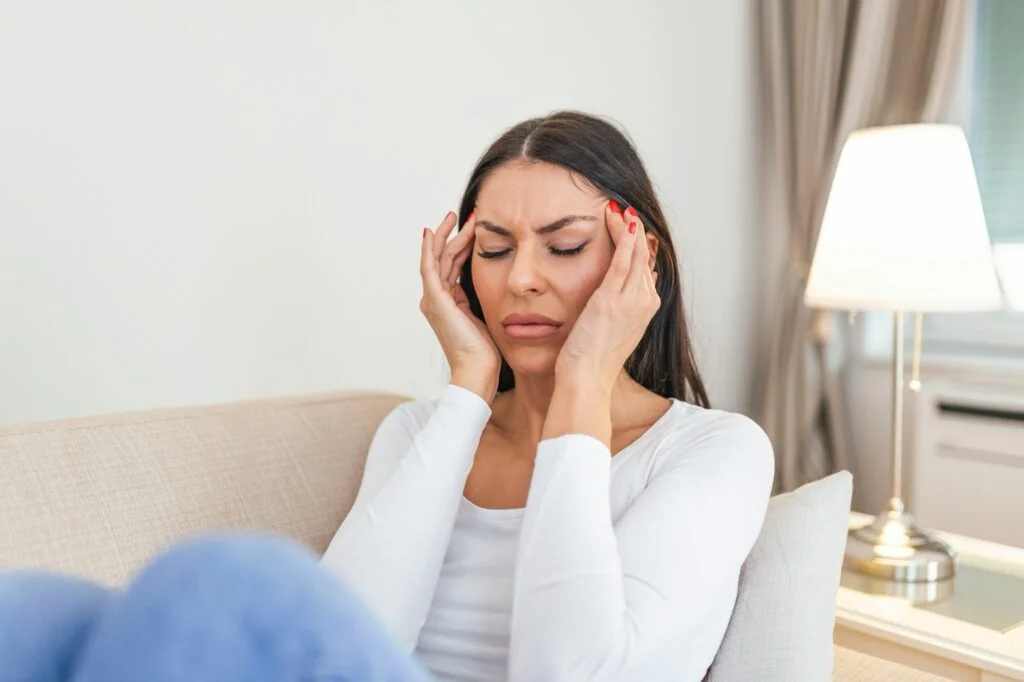
To get rid of a tension headache fast, take paracetamol, ibuprofen or aspirin as the pack directs (no aspirin for under-16s), drink water and eat something, then rest your eyes, loosen your neck and shoulders with massage, stretches…

Feeling irritable is usually your body’s way of saying something is off. The most common causes are poor sleep, stress, hunger, too much caffeine or alcohol, hormonal changes such as PMS and perimenopause, burnout, and anxiety or low…

Imposter syndrome is the persistent feeling that you’re not as capable as others think, and that you’ll be “found out”, despite evidence you’re doing well. It’s very common, especially after a new job or promotion.

Sugar cravings usually come from skipped meals, poor sleep, stress, habit, or meals low in protein and fibre.
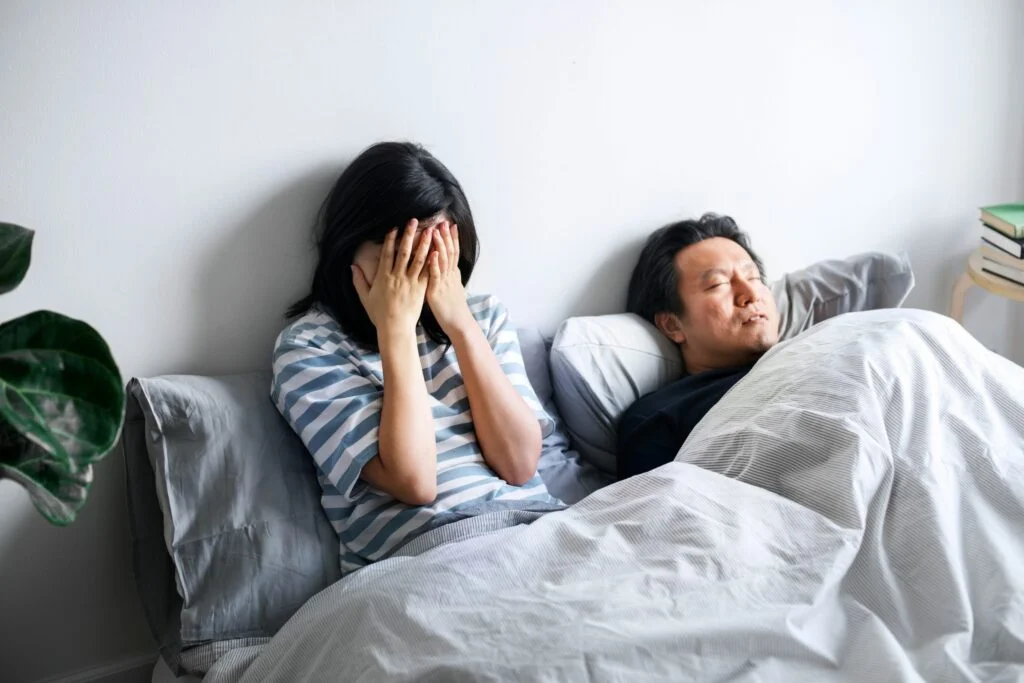
To stop snoring, sleep on your side, lose weight if you’re overweight, cut back on alcohol, stop smoking and avoid sleeping pills.
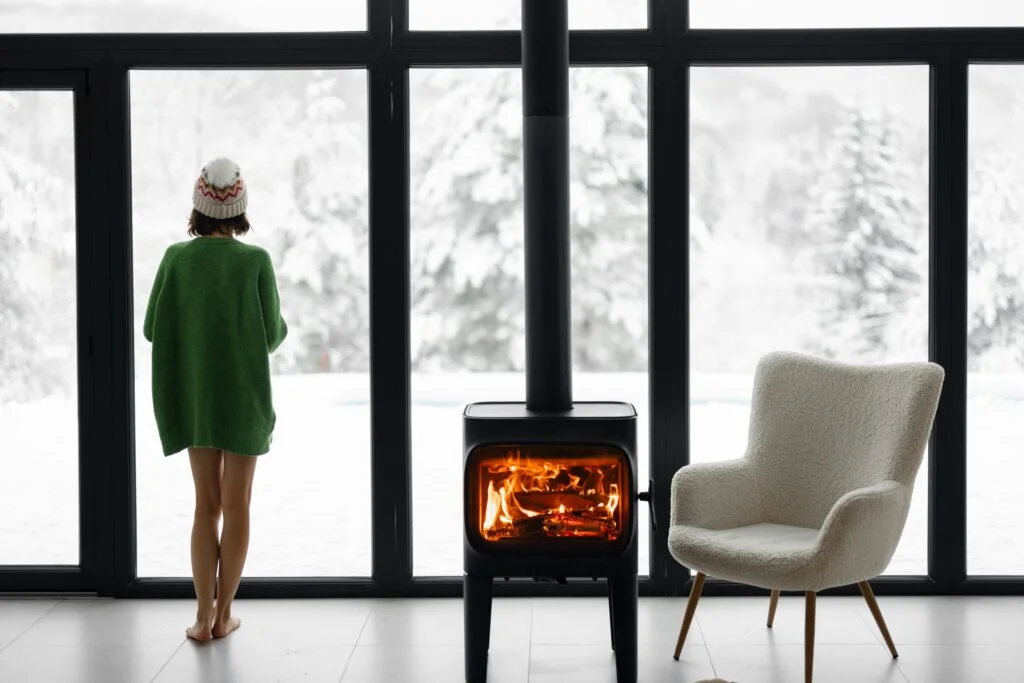
Loneliness is the painful feeling that you lack the connection you need, whether you live alone or not. In England, about 7% of adults feel lonely often or always.
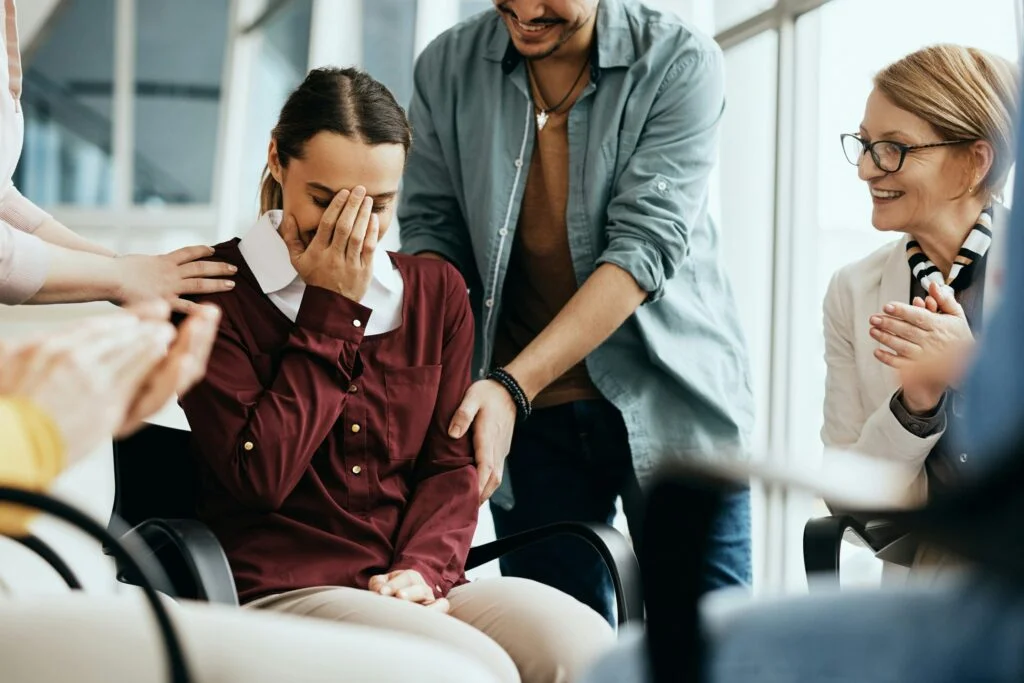
Social anxiety (social phobia) is a strong, lasting fear of being judged or embarrassed in social situations. Unlike shyness, it doesn’t ease once you warm up, and it can affect work, friendships and daily life.















