Last updated: 11 November 2026
The main types of headaches are tension headaches, migraine and cluster headaches, where the headache is the condition itself, and secondary headaches caused by something else, such as taking too many painkillers, sinusitis, a neck problem, hormones, a hangover or exercise. Most headaches are not serious, but some red flags need 999 or 111.
Below: a table of 10 headache types and how to tell them apart, migraine vs headache, the NHS red flags, cervicogenic and ear infection headaches, RCVS, and how to get rid of a headache fast. Checked against the NHS headache pages and NICE’s headache guideline (CG150) in November 2026.
Is it an emergency? Call 999 or go to A&E if a headache started suddenly and is extremely painful, or comes with weakness or numbness, confusion, trouble speaking, loss of vision, a fit, a recent head injury, or a very high temperature with a stiff neck or a rash that doesn’t fade under a glass. See all the headache red flags.
What are the different types of headaches?
Doctors split headaches into two groups. Primary headaches, such as tension headache, migraine and cluster headache, are conditions in their own right. Secondary headaches are caused by something else, from a cold, a hangover or too many painkillers to, rarely, bleeding on the brain. Tension headaches are the most common type, and the NHS says most headaches go away on their own.
| Type | What it feels like | Clues | What to do |
|---|---|---|---|
| Tension headache | Pressing or a tight band on both sides, 30 minutes to several days | Stress, poor sleep, caffeine; you can carry on | Paracetamol or ibuprofen, rest, relax |
| Migraine | Throbbing, often one side, 4 hours to 3 days | Feeling sick, light and sound sensitivity, zigzag lines | Painkillers early, dark room, GP for triptans |
| Cluster headache | Severe, one side around the eye, 15 minutes to 3 hours | Red watery eye, restless, same time of day | GP: oxygen and triptan injections |
| Medication overuse | Daily or near-daily dull headache | Painkillers on 10 to 15 or more days a month | GP: stop the overused painkiller |
| Sinus headache | Pain around the cheeks, eyes or forehead | Blocked nose after a cold, worse bending | Pharmacist; usually clears in 4 weeks |
| Cervicogenic | One-sided, starting in the neck and spreading forward | Stiff neck, worse with neck movement | GP or physiotherapist |
| Hormone headache | Tension or migraine type | Around periods, pregnancy or menopause | Diary, GP if regular |
| Hangover headache | Throbbing, all over | After drinking, with thirst and nausea | Water, food, rest |
| Exertional headache | Throbbing, during or after hard exercise | Hot weather, altitude, lifting | Urgent GP or 111 the first time |
| Thunderclap headache | Sudden, extremely painful, at its worst within minutes | Can follow sex, straining or lifting | Call 999 |
Where it hurts can give extra clues: see our headache location chart and headache behind the eyes. Headaches that are there when you wake are covered in waking up with a headache.
The three primary headaches explained
Tension headache
The NHS describes pain on both sides of the head, face or neck, and a feeling of something pressing on your head or tightening around it. You can usually carry on with daily activities. Stress, sleep problems and caffeine are common causes. Our tension headache guide covers fast relief and prevention.
Migraine
A throbbing headache that can be severe, often on one side and worse when you move, with feeling sick and sensitivity to light and sound. Some people get warning signs such as zigzag lines (aura). The NHS says attacks usually last 4 hours to 3 days. Migraines just before or during a period are called menstrual migraines and are often longer and more severe. See our full migraine guide.
Cluster headache
Rare but very severe: a sharp, burning pain around one eye lasting 15 minutes to 3 hours, often at the same time each day, with a red, watering eye and restlessness. The NHS says painkillers such as paracetamol and ibuprofen don’t work. Read what a cluster headache is and how it’s treated.
What is an ice pick headache?
An ice pick headache, or primary stabbing headache, is a sudden sharp stab of pain around the eye or temple that lasts only seconds. Stabs can come in bursts and are more common in people with migraine or cluster headaches. NHS guidance says it is harmless, but see a GP if it is new to you.
A one-off stab with no other symptoms is rarely a worry. A headache that is sudden, extremely painful and doesn’t go away is a thunderclap headache instead: see the red flags below.
Migraine vs headache: what’s the difference?
The difference between a migraine and a headache is that a migraine is a specific type of headache, and a more disabling one. NICE describes migraine pain as throbbing, moderate or severe and made worse by everyday activity, often with feeling sick and sensitivity to light or sound, lasting 4 to 72 hours. An everyday tension headache is a milder pressing pain on both sides that doesn’t stop you carrying on.
| Feature | Migraine | Tension headache |
|---|---|---|
| Pain | Throbbing, moderate or severe | Pressing or tight, mild or moderate |
| Where | Often one side | Both sides, head, face or neck |
| Moving about | Makes it worse | No worse |
| Other symptoms | Sickness, light and sound sensitivity, aura | Usually none |
| How long | 4 hours to 3 days | 30 minutes to several days |
What does a migraine feel like?
A migraine usually feels like a throbbing or pounding headache, often on one side of the head, that can be severe and gets worse when you move. The NHS says most people also feel or are sick and become very sensitive to light and sound. Some people first get an aura, such as zigzag lines or flashing lights, lasting under an hour.
Many people need to lie down in a dark, quiet room, and feel drained for a day afterwards. The NHS says to get an urgent GP appointment or call 111 if an attack lasts longer than 72 hours, an aura lasts longer than an hour, or you’re pregnant or have just had a baby. Weakness on one side, a fit or a sudden, extremely painful headache is a 999 call.
What are the headache red flags?
Headache red flags are signs that a headache may have a serious cause and needs urgent help. The NHS says call 999 or go to A&E for a sudden, extremely painful headache, or a headache with a fit, weakness or numbness, trouble speaking or walking, confusion, vision loss, a recent head injury, or a high temperature with a stiff neck or rash.
Call 999 or go to A&E if you or a child has a headache and:
- it started suddenly and is extremely painful (a “thunderclap” headache, often described as the worst headache ever)
- has had a seizure (fit)
- has numbness or weakness in the body or face
- has had a head injury within the last 3 months, for example from a fall or accident
- is finding it difficult to speak, balance, walk or remember things
- is drowsy or confused
- has loss of vision
- has a rash that does not fade when a glass is rolled over it
- has a very high temperature, a stiff neck, or bright lights are bothering them
Do not drive yourself to A&E. Ask someone to drive you or call 999 for an ambulance, and bring any medicines you take.
Ask for an urgent GP appointment or call 111 if:
- you or a child has a headache and vision or eye problems
- a headache is triggered or made worse by coughing, sneezing, bending down or exercising
- you or a child has a headache and is being sick
- a child has a headache that’s getting worse or wakes them at night
- you have a headache and jaw pain when eating, or a sore or tender scalp
Over 50 with a new headache, scalp tenderness or jaw pain when chewing? These are signs of temporal arteritis (giant cell arteritis), which NICE says usually affects people over 50. The NHS says get an urgent GP appointment or call 111, because without quick treatment it can cause stroke and blindness.
Pregnant or recently given birth? A severe headache, especially with vision problems or sudden swelling of the face, hands or feet, can be a sign of pre-eclampsia. Call your maternity unit, GP or 111 straight away.
Thunderclap headache symptoms
Thunderclap headache symptoms are a sudden, extremely painful headache that peaks within minutes and does not go away. With bleeding on the brain, the NHS also lists a stiff neck, being sick, sensitivity to light, a fit, confusion or drowsiness, and face drooping, slurred speech or one-sided weakness. Call 999 and don’t drive yourself to A&E.
What is RCVS?
Reversible cerebral vasoconstriction syndrome (RCVS) is a rare condition where blood vessels in the brain suddenly narrow, causing repeated thunderclap headaches. A review in Lancet Neurology says more than half of cases happen after childbirth or after taking certain medicines or recreational drugs that act on serotonin or adrenaline, and the narrowing usually clears within 3 months. It can lead to stroke, so any thunderclap headache needs 999.
A thunderclap headache can also be a subarachnoid haemorrhage, a rare type of stroke that the NHS calls a life-threatening emergency. It may be more likely when coughing, straining on the toilet, lifting something heavy or having sex. Telling these causes apart needs tests in hospital, so don’t wait to see if it settles.
Cervicogenic and ear infection headaches and other types
What is a cervicogenic headache?
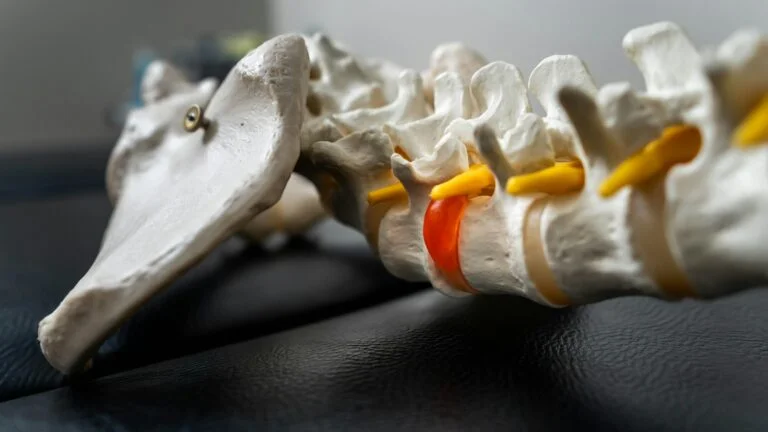
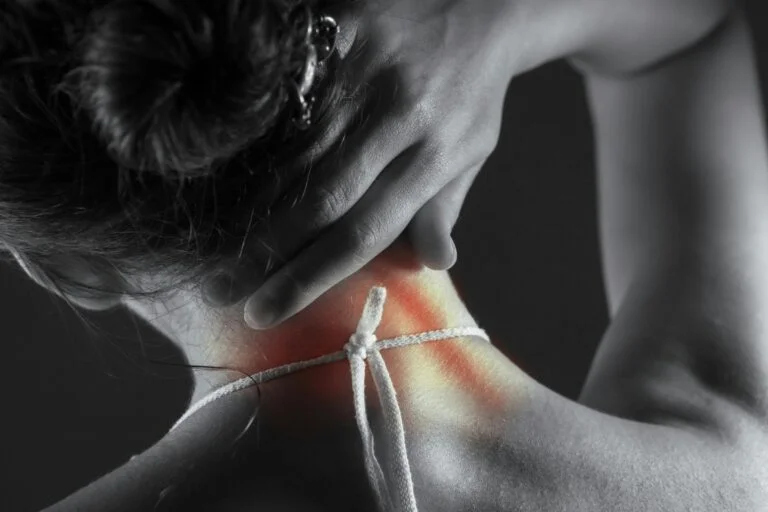
A cervicogenic headache is pain caused by a problem in the neck (the cervical spine, its joints, discs or soft tissues) and felt in the head. The International Headache Society says it tends to be one-sided, starts at the back and spreads forward, and is made worse by neck movement or pressing on neck muscles, often with reduced neck movement.
Cervicogenic headache symptoms can overlap with tension headache and migraine, and the International Headache Society notes that neck scan findings are common in people without headaches. A GP or physiotherapist can assess it. See stiff neck, SCM muscle pain and posture for everyday neck strain.
Can an ear infection cause a headache?
Yes, an ear infection can cause a headache, usually on the same side and alongside earache. The International Headache Society recognises headache caused by ear infections, and says it almost always comes with ear pain. The NHS lists earache, a high temperature and pressure in the ear as ear infection symptoms, and says most clear up within 3 days.
A headache with pain, redness or swelling behind the ear can be mastoiditis, a rare but serious infection that the NHS says needs an urgent GP appointment or 111.
The NHS also says to get urgent help for an ear infection with a very high temperature, swelling around the ear, new hearing loss, feeling dizzy or being sick. Paracetamol or ibuprofen can ease the pain; children under 16 shouldn’t take aspirin.
Medication overuse headache
Taking painkillers for headaches too often can cause more headaches. NICE says to suspect it in people taking paracetamol, aspirin or ibuprofen on 15 or more days a month, or triptans, opioids such as codeine, or combination painkillers on 10 or more days a month, for 3 months or more. Treatment is stopping the overused medicine for at least a month, with your GP’s help. Headaches often get worse before they improve.
Sinus headache
The NHS lists pain, swelling and tenderness around the cheeks, eyes or forehead, a blocked or runny nose and a high temperature as the main signs of sinusitis, usually after a cold or flu. It usually clears up on its own within 4 weeks and a pharmacist can help. See a GP if sinus-type headaches keep coming back, or come without a blocked nose. See cold or flu?
Hormone headache
The NHS lists having your period or the menopause as a common cause of headaches. The NHS calls migraine attacks just before or during a period menstrual migraines, and says they are often longer and more severe. A diary that includes your cycle helps your GP spot the pattern. See perimenopause symptoms and period pain relief.
Menstrual headache
A menstrual headache is a headache or migraine linked to your period, thought to be triggered by the drop in oestrogen just before it starts. The International Headache Society defines menstrual migraine as attacks from 2 days before to 3 days after a period starts. The NHS says these migraines are often longer and more severe than attacks at other times.
Keep a headache diary alongside your cycle for at least 3 months and take it to your GP, who can talk you through painkiller timing, triptans or hormonal options. If you have migraine with aura, tell your GP or pharmacist before starting a combined pill, because doctors usually avoid it then. Heavy periods can also leave you low in iron, which can cause headaches (see below).
Hangover headache
Drinking too much alcohol is one of the common causes of headache the NHS lists, together with not drinking enough fluids. Water, something to eat, rest and paracetamol or ibuprofen if suitable usually help. See what actually works for a hangover and how much water should I drink?
Exertional headache
A primary exercise headache comes on only during or after strenuous exercise, especially in hot weather or at altitude, and lasts under 48 hours (International Headache Society). The NHS says get an urgent GP appointment or call 111 for a headache triggered by exercise, because the first time it happens doctors need to rule out bleeding, a torn artery or RCVS. If it was sudden and severe, call 999.
Caffeine withdrawal headache
Missing your usual coffee or tea can cause a headache within a day. See caffeine withdrawal: symptoms and how to cut down.
Eye strain headache
An eye strain headache is an ache around the eyes or forehead after long spells of screen work or reading, often with tired, dry or blurry eyes. The HSE says screen work can cause headaches and tired eyes but no permanent eye damage. Take regular breaks, look into the distance, and get an eye test if headaches keep coming back.
The NHS lists eyesight problems among the common causes of headaches. If you use a screen for work, the law says your employer must arrange and pay for an eye test if you ask for one. A headache with vision or eye problems needs an urgent GP appointment or a call to 111, and sudden loss of vision is a 999 call.
What is a frontal lobe headache?
A “frontal lobe headache” usually means a headache in the forehead, not a problem with the frontal lobe of the brain. Brain tissue itself has no pain receptors, so forehead pain comes from the muscles, blood vessels, sinuses, eyes and coverings around it. Common causes are tension headaches, sinusitis, eye strain, migraine, caffeine withdrawal and dehydration.
Most forehead headaches ease with rest, fluids and paracetamol or ibuprofen if suitable. The red flags are the same as for any headache: a sudden, extremely painful headache, or one with confusion, weakness, personality change, a fit or vision loss, is a 999 call. A headache that keeps getting worse over days or weeks needs a GP or 111. Our headache location chart covers forehead pain in more detail.
Can low iron cause headaches?
Yes, low iron can cause headaches. The NHS lists headaches among the symptoms of iron deficiency anaemia, alongside tiredness and lack of energy, shortness of breath, heart palpitations and paler skin than usual. Heavy periods, pregnancy and diets low in iron raise the risk. A GP can check with a simple blood test before you take iron tablets.
Don’t take iron tablets “just in case”: too much iron can cause stomach pain and constipation, and anaemia sometimes points to blood loss that needs checking. Our iron tablets guide covers doses and side effects.
Headache and nosebleed: when to worry
A headache with a nosebleed often has a simple cause, such as a cold, dry air or blowing your nose too hard. The NHS says to go to A&E if a nosebleed lasts more than 10 to 15 minutes, follows a blow to the head, or leaves you weak or dizzy. A headache after a head injury needs urgent checking.
High blood pressure rarely causes symptoms, but the NHS says it can sometimes cause headaches, and it makes nosebleeds more likely. Call 111 if you often get headaches or blurred vision, and see a GP if you get regular nosebleeds or take a blood thinner such as warfarin. A sudden, extremely painful headache is always a 999 call. More in does high blood pressure make you tired?
How to get rid of a headache fast
To get rid of a headache fast, the NHS advises drinking plenty of water, resting, trying to relax and taking paracetamol or ibuprofen if they’re suitable for you. Don’t skip meals, drink alcohol, strain your eyes on screens or sleep more than usual. For a migraine, take painkillers as soon as it starts and lie down in a dark room.
Painkiller rules
- Follow the dose on the pack and don’t take two medicines containing the same painkiller, such as paracetamol tablets plus a cold remedy that contains paracetamol.
- Children under 16 should not take aspirin (NHS).
- If you’re pregnant, paracetamol is the first choice of painkiller; ibuprofen isn’t usually recommended (NHS). Ask a pharmacist or midwife.
- For migraine, the NHS says try not to take painkillers on more than 2 days a week.
- A pharmacist can help you choose, especially if you take other medicines or have asthma, stomach, kidney or heart problems.
Watch for rebound headaches
iIf you’re reaching for painkillers on most days, they may be keeping the headaches going (see medication overuse headache above). Count your painkiller days in a diary and talk to a GP rather than taking more.
Other things that help
- Heat or cold packs and a low, firm pillow if you have neck pain with your headaches (NHS).
- Fresh air and a short walk away from screens.
- Regular meals, regular sleep and less caffeine, especially late in the day. See sleep hygiene habits that work.
- For headaches that keep coming back, a headache diary for at least 8 weeks (NICE).
When to see a GP about headaches
The NHS says see a GP if you’ve tried treating a headache yourself and it’s not getting better or is getting worse, or if you regularly get headaches. The NHS tension headache page adds: several headaches a week, severe headaches, or a throbbing pain at the front or one side of the head with feeling sick and sensitivity to light or noise, which can be migraine or cluster headache. Take your diary and a list of every medicine you take.
Where Evopure fits (honestly)
None of our products treats or prevents headaches or migraine, and the steps above and your GP come first. Short nights, late caffeine and long screen days show up in a lot of headache diaries, and that’s where we can help with an evening routine:
- Magnesium Glycinate Sleep Complex: a caffeine-free berry drink powder with 290mg of magnesium (77% NRV) per 4.75g scoop, from bisglycinate and citrate, plus glycine and L-theanine. Magnesium contributes to a reduction of tiredness and fatigue and to normal psychological function.
- Reishi Mushroom Adaptogenic Complex: a reishi hot chocolate with 0.5g reishi and 0.5g maca per 8g serving, if you’re swapping an evening glass of wine. It contains a little natural caffeine from the cocoa, so have it earlier in the evening, and the pack says it isn’t for people on medication.
For what the trials say about magnesium and headache, see our magnesium for migraines evidence review. For research on CBD and migraine, see CBD for migraines: what the trials found.

Next step
Magnesium Glycinate Sleep Complex
if short nights or late coffee keep showing up in your headache diary, our Magnesium Glycinate Sleep Complex is a caffeine-free berry evening drink with 290mg of magnesium (77% NRV) per 4.75g scoop. Magnesium contributes to a reduction of tiredness and fatigue. It isn’t a treatment for headaches.
Add Magnesium Glycinate Sleep Complex to bag See ingredients and reviews
Subscribe and save 25% on your first order, then 20%. New to Evopure? Join our emails for 20% off a one-off first order. Free UK delivery over £40. Vegan and made in the UK. If you take any regular medicines, check with your GP or pharmacist first. We don’t recommend our products during pregnancy or breastfeeding. For adults (18+) only.
Subscribe £22.49One-off £29.99
View productSources 13
- NHS. Headaches (reviewed 17 April 2024).
- NHS. Tension headaches (reviewed 1 August 2025), Migraine (reviewed 10 March 2026) and Cluster headaches.
- NHS. Sinusitis, Ear infections and Mastoiditis (reviewed 17 August 2026).
- NHS. Subarachnoid haemorrhage, Temporal arteritis and Headaches in pregnancy.
- NHS. Iron deficiency anaemia, Nosebleed and High blood pressure.
- HSE. Display screen equipment: eye tests.
- NHS Lothian RefHelp. Icepick headache.
- NICE. Headaches in over 12s: diagnosis and management (CG150).
- NICE CKS. Giant cell arteritis (revised January 2026).
- International Headache Society. ICHD-3: A1.1.1 Pure menstrual migraine without aura.
- International Headache Society. ICHD-3: 11.2.1 Cervicogenic headache, 11.4 Headache attributed to disorder of the ears and 4.2 Primary exercise headache.
- Bogduk N, Govind J. Cervicogenic headache: an assessment of the evidence on clinical diagnosis, invasive tests, and treatment. Lancet Neurology, 2009.
- Ducros A. Reversible cerebral vasoconstriction syndrome. Lancet Neurology, 2012.
iThis guide is general information, not medical advice. If you’re worried about a headache, speak to a pharmacist, your GP or NHS 111. Evopure makes the Magnesium Glycinate Sleep Complex and doesn’t make or sell headache medicines.