
Last updated: October 2026
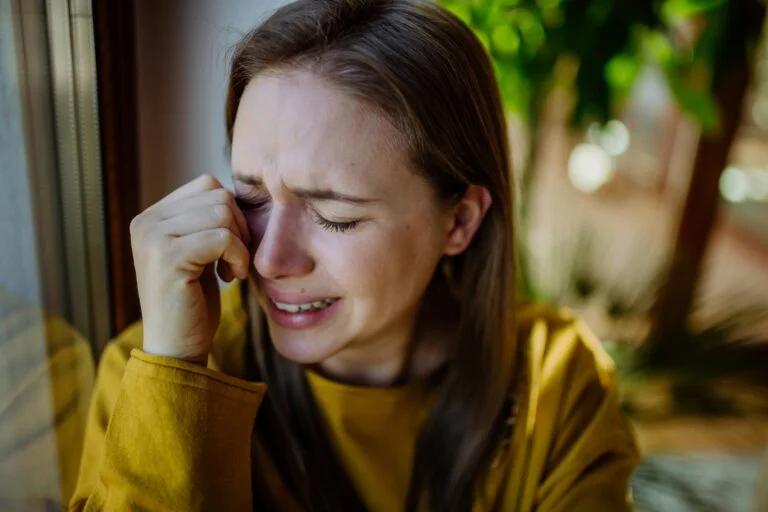
Yes, stress can make your hair fall out. The most common type, telogen effluvium, causes extra shedding around 3 months after a stressful event or illness. It usually grows back: shedding lasts 3 to 6 months, then regrowth starts. See a GP if hair loss is sudden, patchy or lasts more than 6 months.
Below: how stress causes hair loss, the signs, how long it lasts, other causes to rule out, what helps and when to see a GP.
Normal shedding: the NHS says most people lose 50 to 100 hairs a day without noticing. The British Association of Dermatologists puts the normal range at 30 to 150. Stress-related shedding is when this rises noticeably for weeks.
How stress causes hair loss
Each hair goes through a cycle of growing, resting and shedding. Normally about 15% of your scalp hair is in the resting phase, ready to fall out. After a shock to the body, such as severe stress, illness or childbirth, many more hairs switch into the resting phase at the same time, up to 30% or more. About 3 months later, they all shed together. This is called telogen effluvium.
The British Association of Dermatologists lists common triggers:
- stressful or major life events
- childbirth
- severe illness or injury, especially with a high fever
- surgery
- marked weight loss or extreme dieting
- starting new medicines, or stopping a hormone treatment such as the contraceptive pill
- severe scalp skin problems
For about 1 in 3 people, no clear cause is found. Because of the 3-month delay, many people don’t connect the shedding to the stressful event that triggered it. See stress symptoms.
Signs of stress hair loss
- Hair loss that starts suddenly
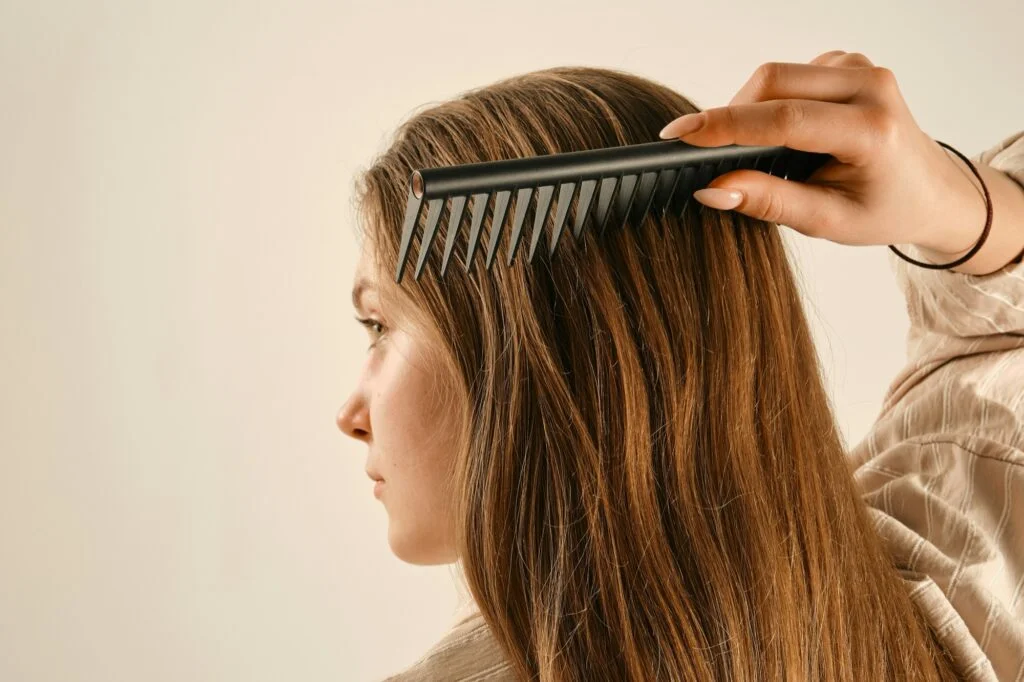
- More hair in your brush, comb, shower drain or on your pillow
- Thinning spread over the whole scalp rather than bald patches
- Your ponytail feels thinner
- It started around 3 months after a stressful time, illness or big change
Telogen effluvium affects all ages and both sexes and doesn’t run in families.
How long does it last? Will it grow back?
| Stage | Timing |
|---|---|
| Trigger (stress, illness, birth, diet) | Month 0 |
| Shedding starts | Around 3 months later |
| Shedding phase | Lasts 3 to 6 months |
| Regrowth | Starts after shedding stops; it can take many months to return to normal thickness |
| Chronic telogen effluvium | If it lasts more than 6 months |
The good news: telogen effluvium usually gets completely better without treatment, and the hair grows back. It can come back if an underlying cause, such as low iron, isn’t treated.
Can stress turn your hair grey?
Possibly, according to animal research. A 2020 study in mice found that acute stress turned hair grey quickly by activating nerves that wiped out the stem cells responsible for hair colour. Unlike stress shedding, that greying was permanent in the mice. It hasn’t been shown in the same way in people, and most greying is down to age and genes. But it does suggest the idea of stress causing grey hair isn’t just a myth.
Stress and other types of hair loss
Stress is also thought to play a part in alopecia areata, an autoimmune condition that causes round bald patches, and some people pull or twist their hair when anxious without realising. Both are different from telogen effluvium and are worth discussing with a GP, as treatment and support are available.
Other causes to rule out
The NHS lists illness, stress, weight loss, iron deficiency and cancer treatment as common causes of temporary hair loss. Other common causes include:
| Cause | Clues | Read more |
|---|---|---|
| Iron deficiency | Tiredness, pale skin, heavy periods | Iron deficiency |
| Thyroid problems | Tiredness, weight change, feeling cold or hot | Underactive thyroid |
| Perimenopause and menopause | Gradual thinning, period changes, hot flushes | Perimenopause |
| Hormonal conditions such as PMOS (PCOS) | Irregular periods, acne, extra hair elsewhere | Hormonal imbalance |
| Female or male pattern hair loss | Gradual thinning at the parting or crown; often runs in families | See a GP |
| Alopecia areata | Round, smooth bald patches | See a GP |
| Low vitamin B12 | Tiredness, pins and needles | B12 deficiency |
What helps with stress hair loss
- Be patient. Treatments don’t speed up regrowth from telogen effluvium; the hair cycle has to run its course.
- Deal with the stress. See how to relieve stress and how to deal with anxiety.
- Eat well, with enough protein and iron, and avoid crash diets. See food and mood.
- Be gentle with your hair: avoid tight styles, harsh treatments and lots of heat while it recovers.
- Get your iron, B12, vitamin D and thyroid checked if you’re tired or the shedding isn’t settling.
- Camouflage in the meantime if it bothers you: the British Association of Dermatologists mentions volumising shampoos and hair fibre powders or sprays.
- Protect your sleep. See how to sleep better.
Supplements won’t regrow hair lost to stress, and claims that they do should be treated with caution. A calming evening ritual can still help with the stress side. Our Magnesium Glycinate Sleep Complex is a caffeine-free bedtime drink with L-theanine, and magnesium contributes to normal psychological function.
When to see a GP
See a GP if you’re worried about your hair loss, especially if:
- it’s sudden and heavy, or you have bald patches
- it’s lasted more than 6 months
- you also feel very tired, cold, or have heavy or irregular periods
- it’s affecting how you feel about yourself
The NHS advises seeing a GP before paying for a commercial hair clinic, to find out what’s causing your hair loss first.
FAQs
Can stress cause hair loss?
Yes. Stress can trigger telogen effluvium, where more hairs than usual shed at once, usually around 3 months after the stressful event.
Does hair loss from stress grow back?
Usually, yes. The shedding phase lasts 3 to 6 months, then new hair starts growing, though it can take many months to return to normal thickness.
How long after stress does hair fall out?
Typically around 3 months after the trigger, which is why many people don’t link the two.
How much hair loss is normal?
The NHS says 50 to 100 hairs a day is normal. Shedding that rises noticeably for weeks may be telogen effluvium.
Can supplements stop stress hair loss?
Not usually. Hair regrows on its own once the cycle resets. If you’re low in iron or another nutrient, treating that can help, so ask your GP for a blood test.
Can stress turn your hair grey?
A 2020 study in mice found acute stress caused rapid, permanent greying. It hasn’t been shown the same way in people; most greying is due to age and genes.
Sources
- NHS. Hair loss.
- Zhang B et al (2020). Hyperactivation of sympathetic nerves drives depletion of melanocyte stem cells. Nature.
- NHS. Iron deficiency anaemia.
- British Association of Dermatologists. Telogen effluvium patient information leaflet.
This guide is general information, not medical advice. Evopure makes the Magnesium Glycinate Sleep Complex.