



Last updated: October 2026
To watch late-night or overnight sport and still function, keep your wake-up time steady, stop caffeine at least six hours before you plan to sleep, go easy on alcohol, and give yourself 30 to 60 minutes to wind down after the final whistle. A short nap the next afternoon helps, and getting daylight in the morning resets your body clock.
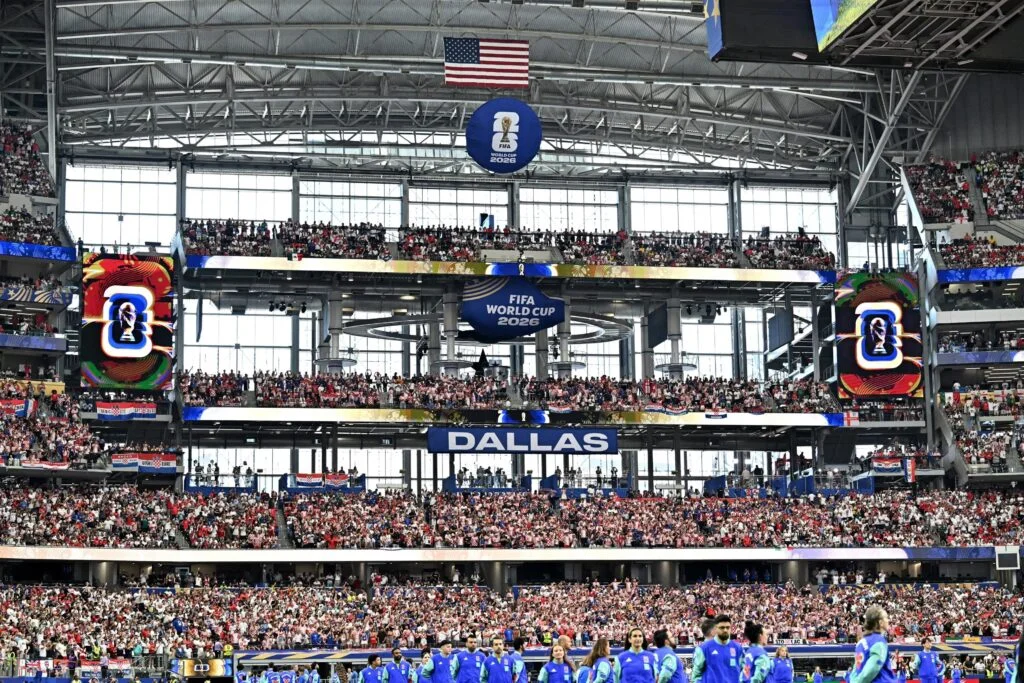
Whether it’s a Champions League night, a big fight in Las Vegas, the NFL, or overnight cricket from Australia, here’s how to plan your day, the night itself and the morning after.
Why late games wreck your sleep
| Culprit | What it does |
|---|---|
| Adrenaline and excitement | A close finish leaves you wired for an hour or more |
| Caffeine | In a 2013 study, a large dose taken even six hours before bed cut total sleep by more than an hour |
| Alcohol | Helps you nod off but disrupts the second half of the night |
| Bright screens | Keep your brain alert after the game ends |
| A late, heavy meal | Can cause indigestion when you lie down |
| A later bedtime with the same alarm | Simply less time asleep |
The day of the game
- Get daylight in the morning and some exercise during the day.
- Plan your last coffee: at least six hours before you expect to sleep. For a game finishing at 10pm, that’s mid-afternoon. See does caffeine cause anxiety?
- Eat your main meal early, before kick-off, and keep snacks light.
- If you can, bank a short nap of 20 to 30 minutes in the early afternoon.
During the game
- Alternate drinks with water, or try an alcohol-free option. See our alcohol-free nightcaps.
- Lower the lights in the room so your eyes adjust ahead of bed.
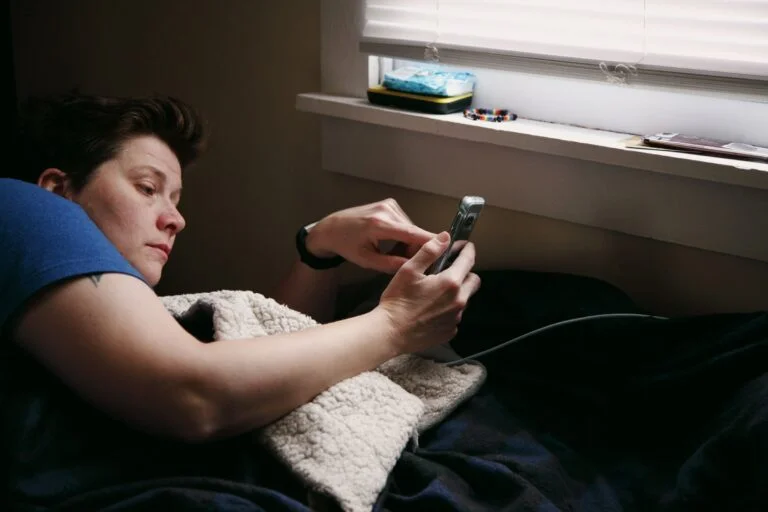
- Keep the phone down at half-time rather than scrolling.
After the final whistle
- Switch off the post-match analysis and put the phone away.
- Give yourself 30 to 60 minutes to wind down: a warm shower, stretching, reading or music.
- A warm, caffeine-free drink as part of the routine.
- Keep the bedroom dark, cool and quiet.
- If you can’t sleep after 20 minutes, get up and do something calm in dim light until you feel sleepy.
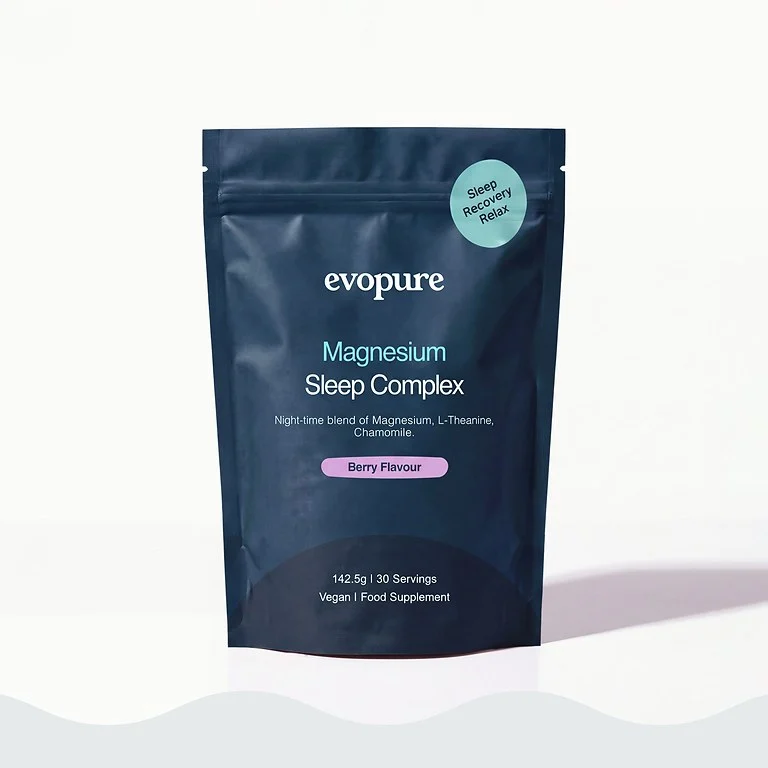
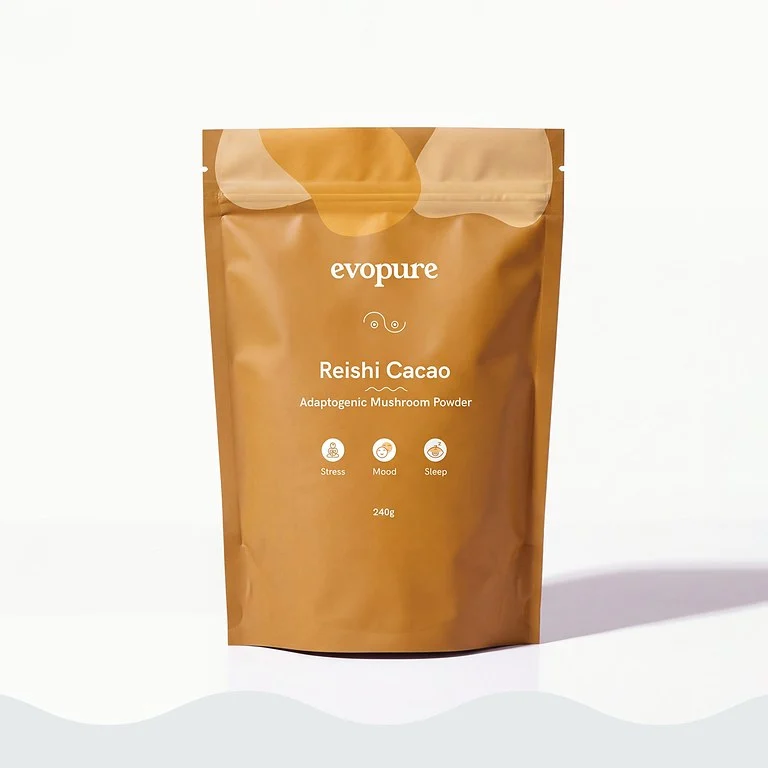
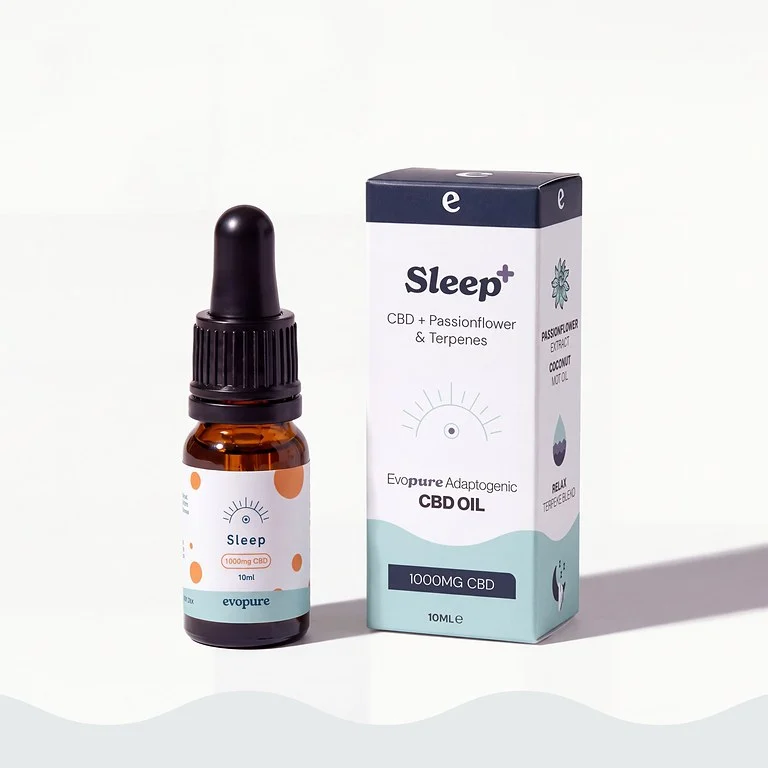
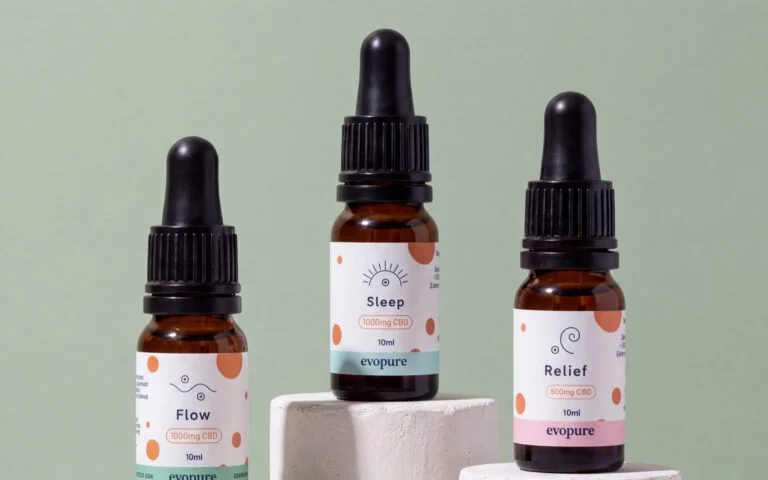
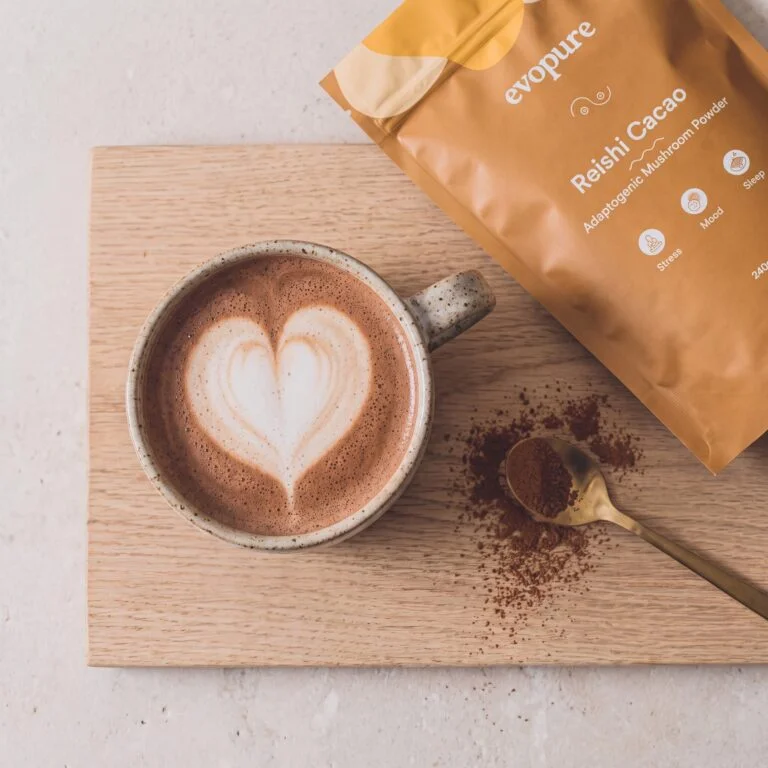
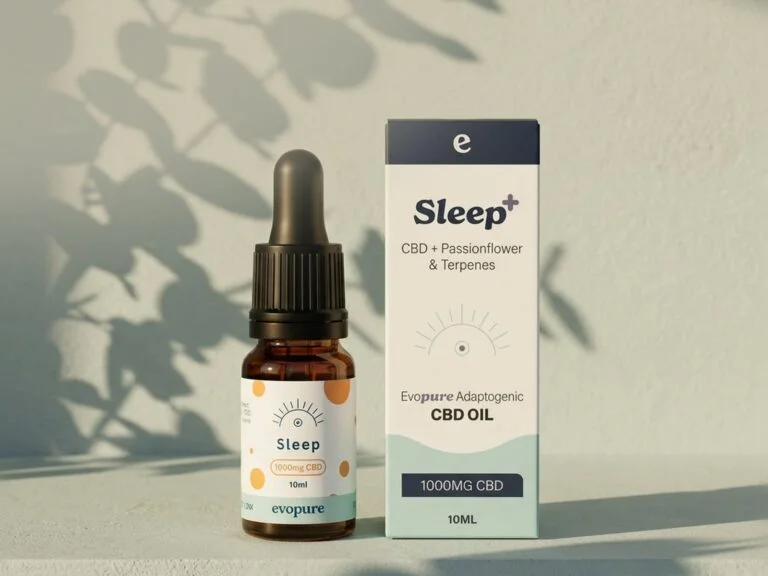
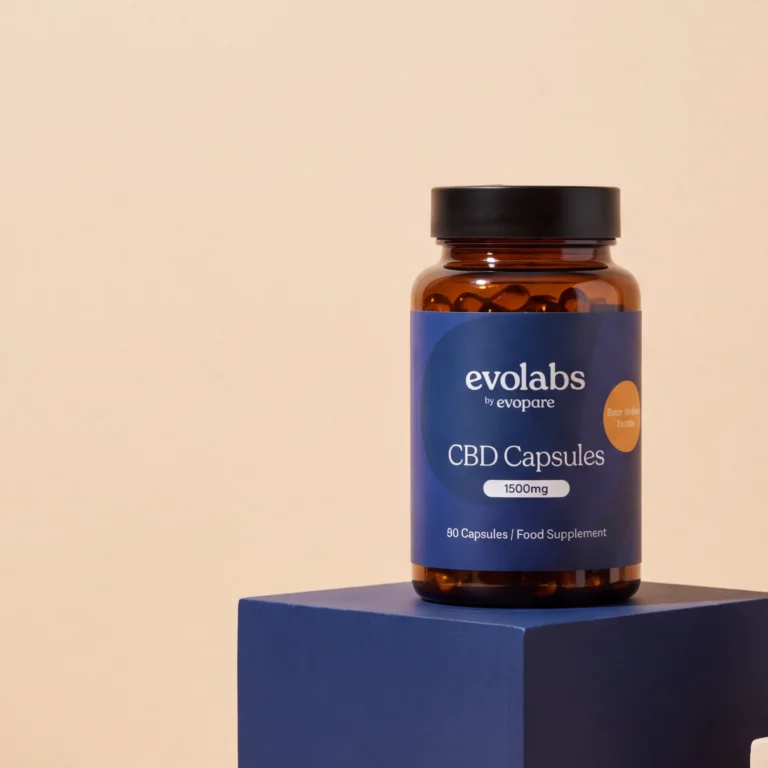
Many people make our Magnesium Glycinate Sleep Complex part of that wind-down; magnesium contributes to normal psychological function and the reduction of tiredness and fatigue. Others use our reishi hot chocolate or Sleep CBD Oil. See magnesium for sleep and CBD for sleep.
The morning after
- Keep your usual wake time if you can. A big lie-in shifts your body clock and makes the next night harder.
- Get outside in daylight within an hour of waking.
- Have caffeine in the morning only.
- Take a short nap of 20 to 30 minutes in the early afternoon if you need it, not in the evening.
- Don’t drive if you feel very sleepy.
Overnight events: stay up or set an alarm?
| Option | Best when |
|---|---|
| Sleep early, set an alarm for the main event | It’s a single fight or the key part of a match; you get a block of sleep first |
| Stay up, then sleep in | You’ve got the next morning free |
| Watch the highlights | It’s a long overnight series, like a Test match from Australia, and you have work the next day |
Across a long series of late nights, protect at least a few normal nights a week. See clocks going back and sleep and waking at 3am.
After a late game, our sleep calculator helps you time your sleep in full 90-minute cycles.
If you train as well as watch, see our guide to CBD, HRV and sleep for runners.
FAQs
How do I sleep after watching a late game?
Switch off screens, give yourself 30 to 60 minutes to wind down in dim light, have a warm caffeine-free drink, and keep the bedroom dark and cool.
When should I stop drinking coffee before a late game?
At least six hours before you plan to sleep. Caffeine taken even six hours before bed can noticeably cut sleep.
Does alcohol help you sleep after a match?
It may help you fall asleep but disrupts the second half of the night, so you wake less rested.
Should I sleep in after a late night?
Try to keep your usual wake time and take a short early-afternoon nap instead. Long lie-ins shift your body clock.
Is it better to stay up or set an alarm for overnight sport?
If it’s a single key moment, sleep first and set an alarm. For long overnight events, consider watching highlights.
Sources
- Drake C et al. Caffeine effects on sleep taken 0, 3, or 6 hours before going to bed. J Clin Sleep Med, 2013.
- Ebrahim IO et al. Alcohol and sleep I: effects on normal sleep. Alcohol Clin Exp Res, 2013.
- NHS Every Mind Matters. How to fall asleep faster and sleep better.