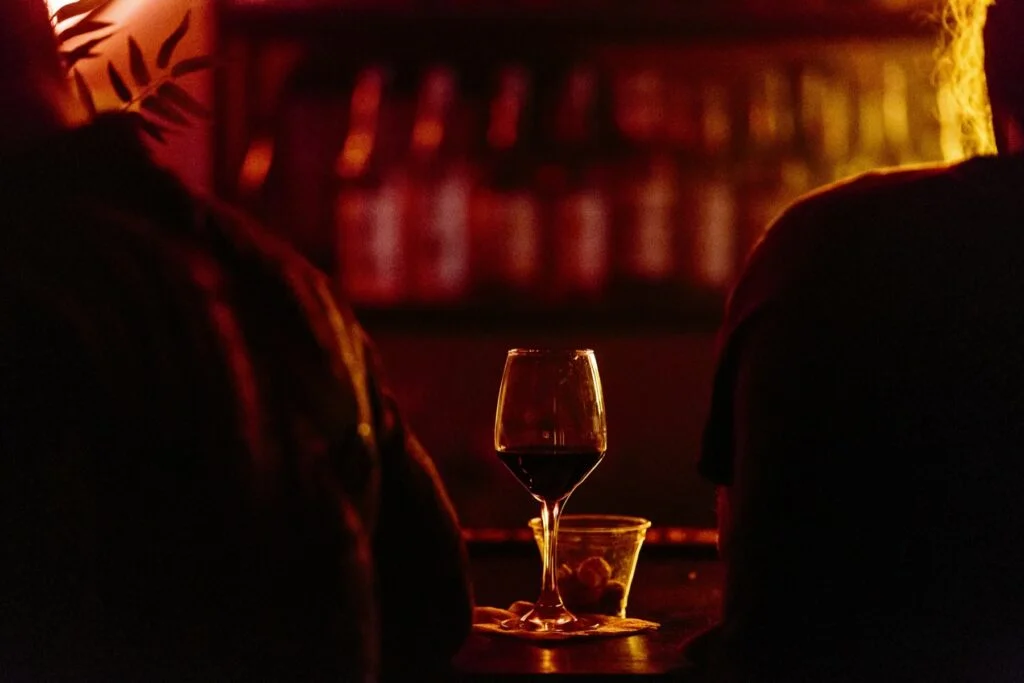
Alcohol can help you fall asleep faster, but it breaks up the second half of the night and cuts REM sleep, so you wake feeling less rested. Even one or two drinks can have an effect.
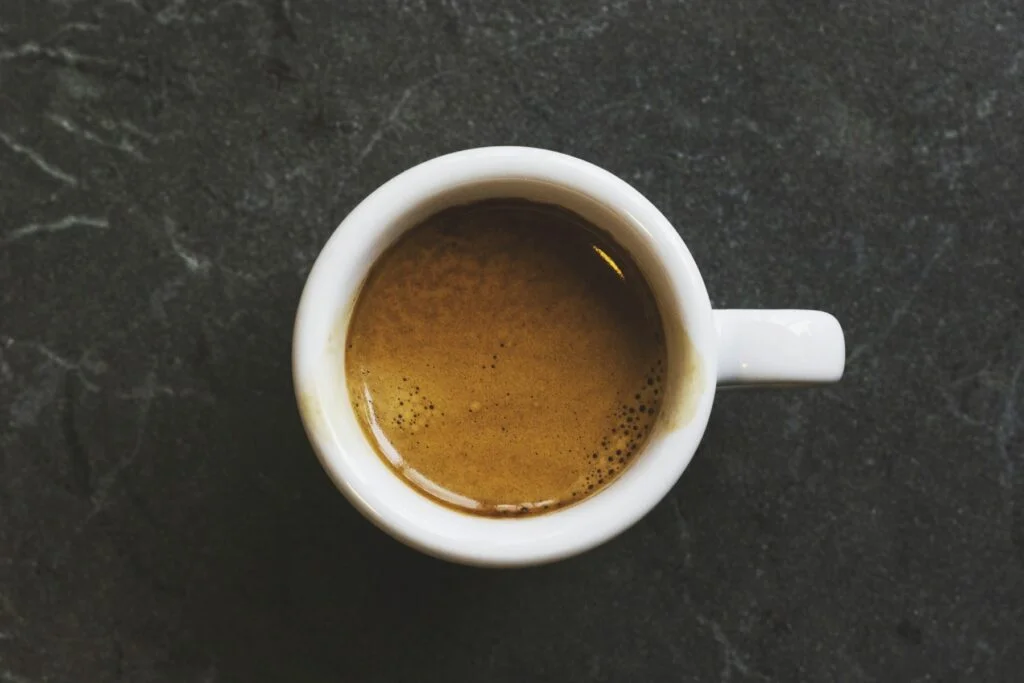
Caffeine usually kicks in within 15 to 45 minutes and peaks in your blood around 30 to 60 minutes after a drink.
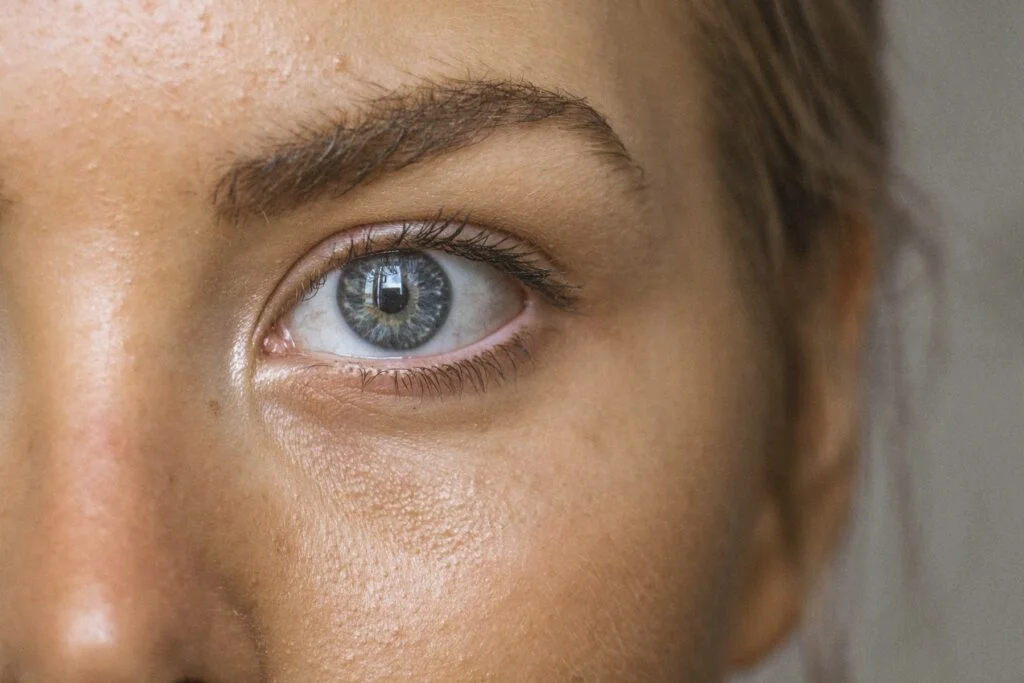
Eye twitching, or eyelid myokymia, is usually harmless and settles on its own within days or a few weeks. Common triggers are stress, tiredness, caffeine, alcohol and eye strain, and cutting back on these usually helps.
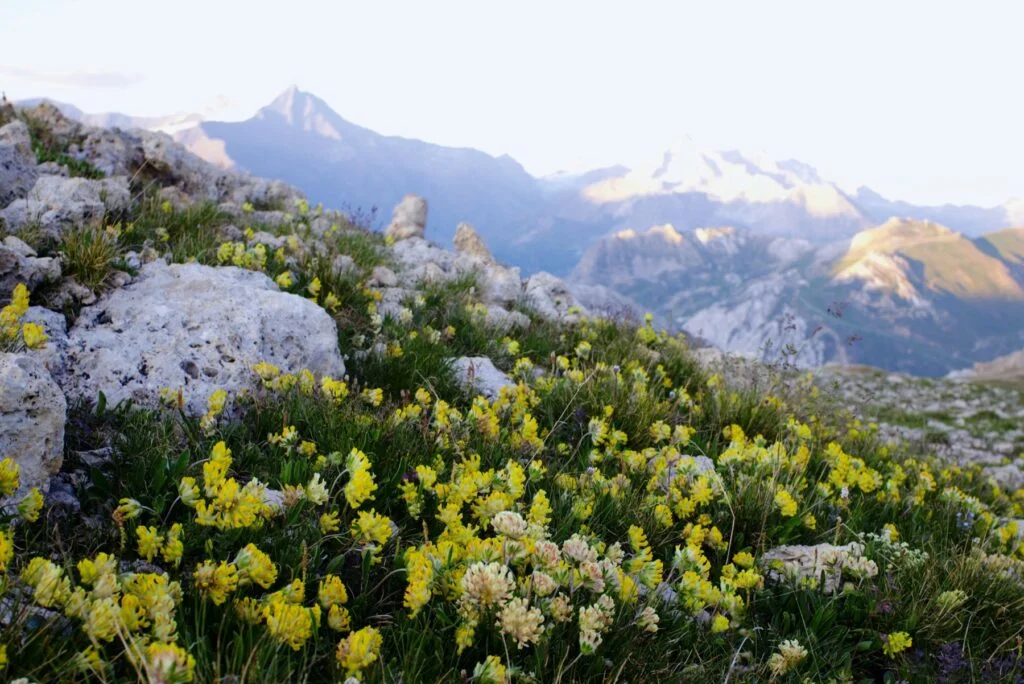
Rhodiola rosea is an adaptogenic root from cold mountain regions. Small trials suggest it may ease stress-related fatigue and improve how tired people feel, but the evidence is limited and mixed.
Inositol is a sugar-alcohol compound your body makes and also gets from food. Myo-inositol is the most studied form, mainly for PCOS (now called PMOS), where evidence for cycle and metabolic benefits is limited and low certainty.
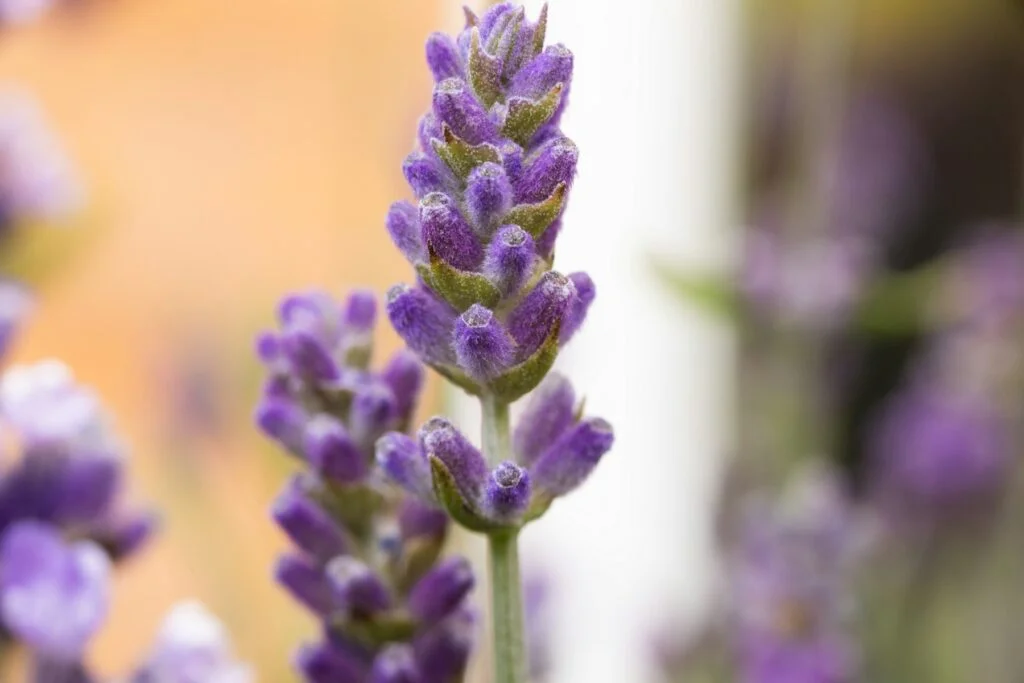
Lavender may help you relax, and some small studies suggest it improves sleep quality, mostly trials of lavender oil capsules and aromatherapy. The research is small and varied, so it isn’t a treatment for insomnia.

“Cortisol belly” isn’t a medical diagnosis. Long-term stress can nudge your appetite, sleep and where your body stores fat, but belly fat has many causes, including age, menopause, genes, diet, alcohol and how active you are.

Take vitamin D with a meal that contains some fat, at whatever time of day you’ll remember it every day, because consistency matters more than the clock. Morning or evening both work.
Small trials suggest ashwagandha root extract may modestly lower stress and anxiety scores in stressed adults. The evidence is low certainty, and ashwagandha isn’t a treatment for an anxiety disorder.
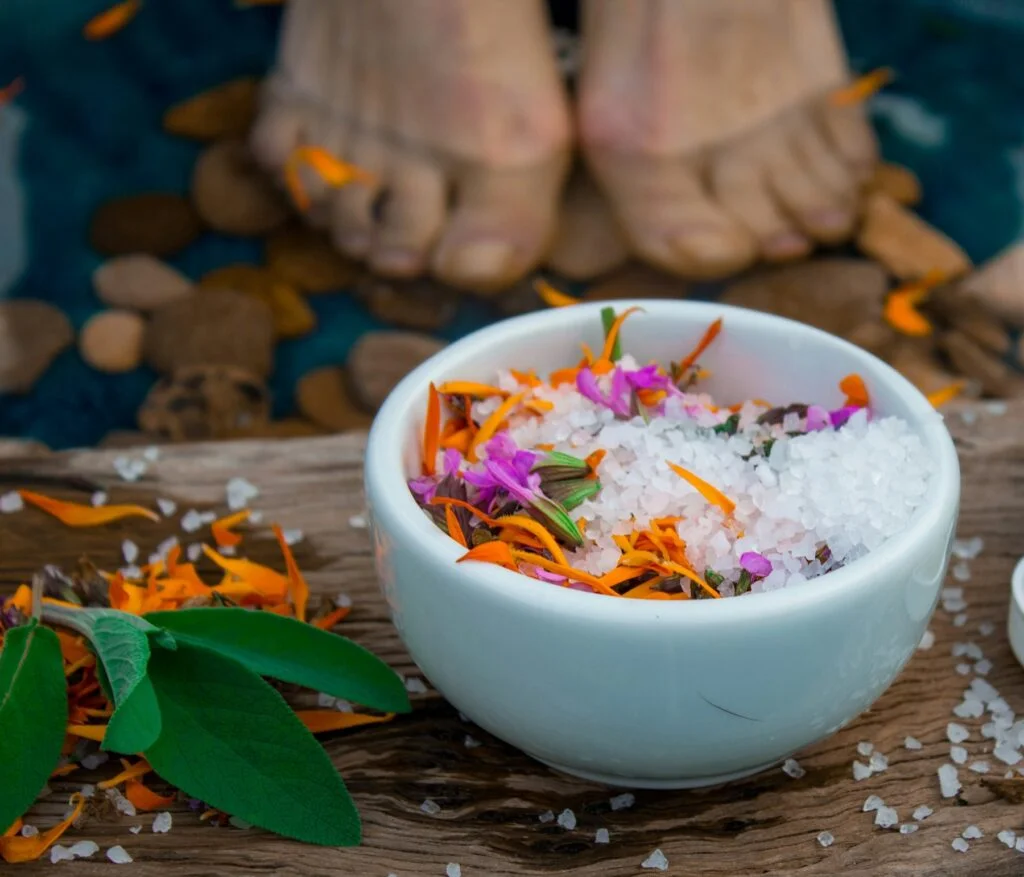
Magnesium flakes are magnesium chloride, sold for bath and foot soaks. A warm soak can be relaxing, but there’s little good evidence that much magnesium gets through your skin, so flakes aren’t a reliable way to raise your…
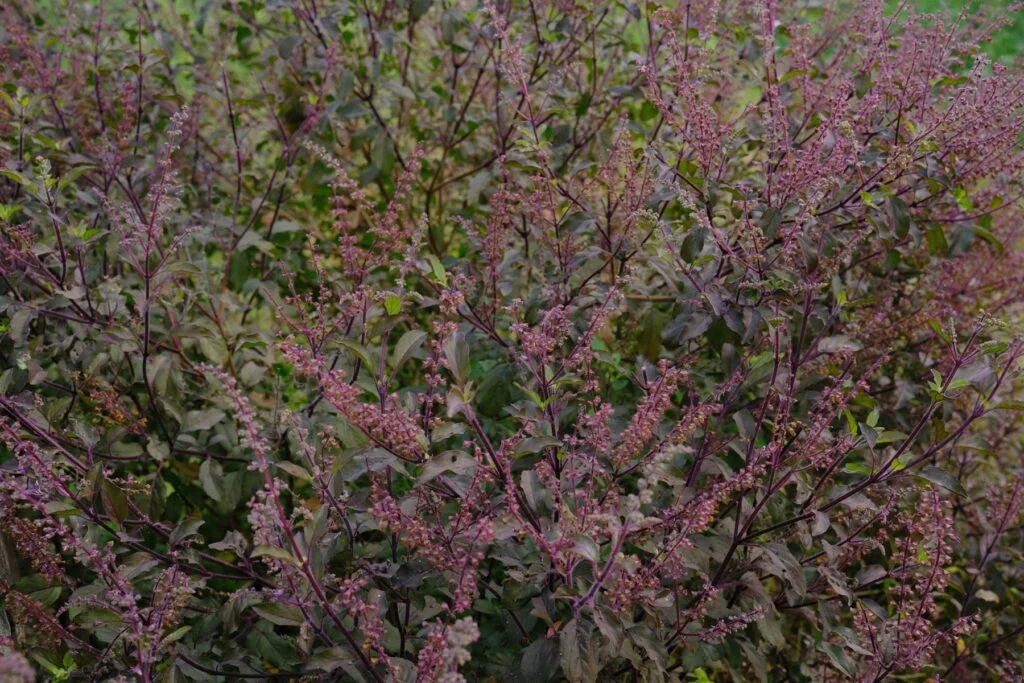
Holy basil, or tulsi (Ocimum tenuiflorum), is an Ayurvedic herb used for stress. A few small human trials suggest it may modestly ease perceived stress, but claims that it “balances cortisol” go beyond the evidence.
Deep sleep, also called slow-wave sleep or N3, is the most restorative stage of sleep.