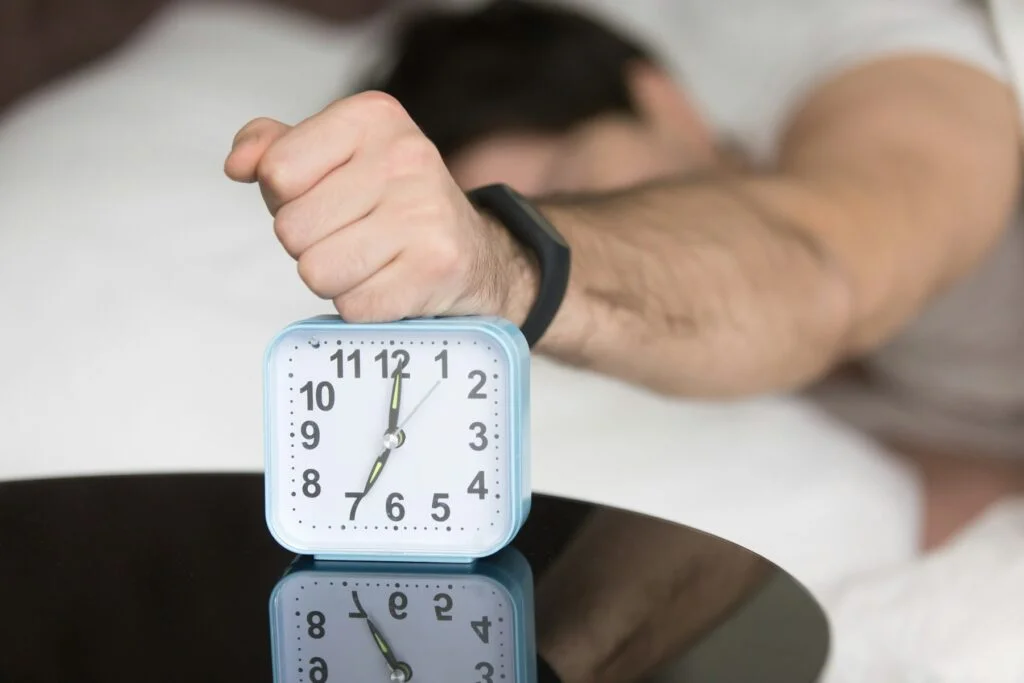
An occasional lie-in after a short or busy week is fine. But regularly sleeping much more than 9 hours and still waking tired can be a sign of poor-quality sleep, low mood or a health problem worth checking…
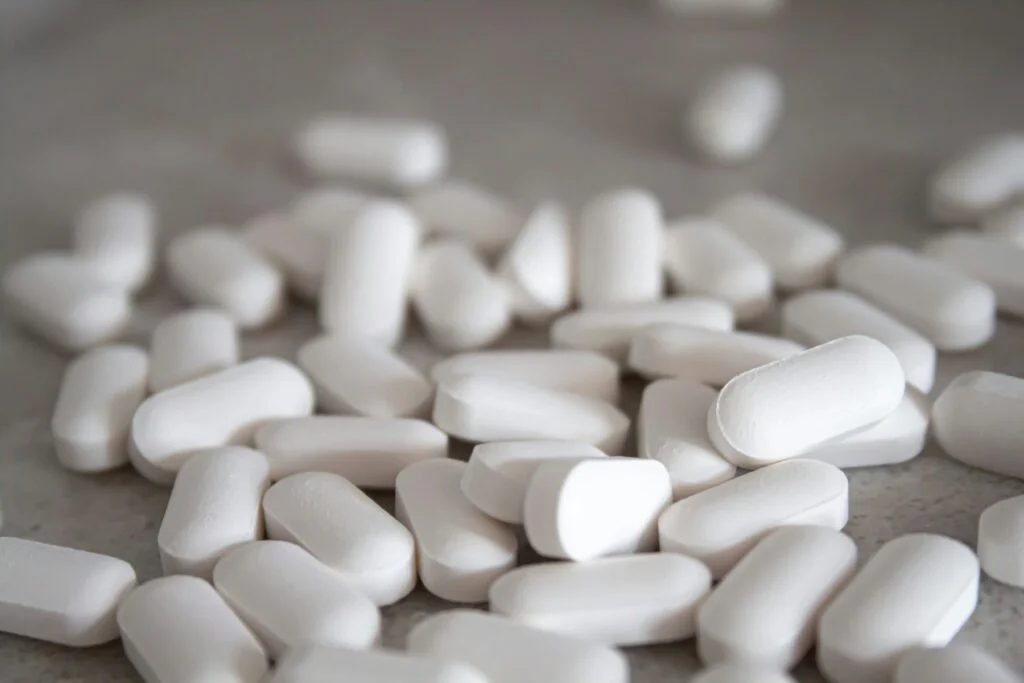
Magnesium oxide packs more magnesium into each tablet than any other common form, about 60% by weight, but it is one of the least well absorbed, so much of it stays in the gut.
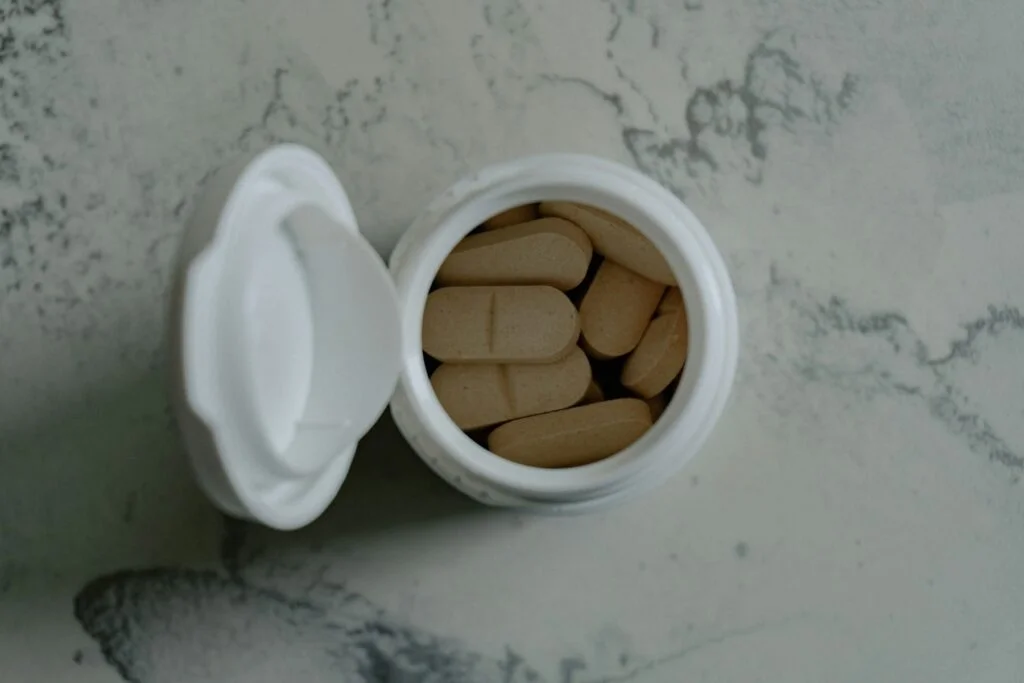
Magnesium taurate is magnesium bound to the amino acid taurine. It is generally considered gentle on the stomach. Its heart-health reputation rests mostly on animal studies and on research into magnesium and taurine separately, not on taurate itself.
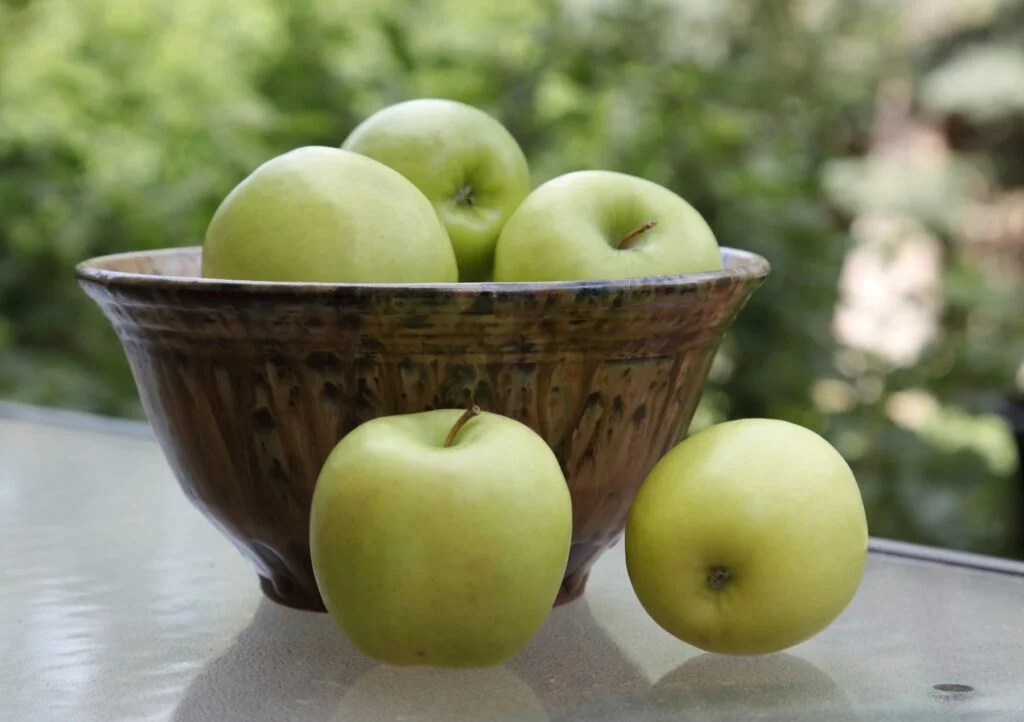
Magnesium malate is magnesium bound to malic acid, the natural acid found in apples. It is well absorbed and gentle on most stomachs, and people often take it in the daytime.
GABA is the brain’s main calming messenger, but GABA you swallow may not reach the brain in meaningful amounts.
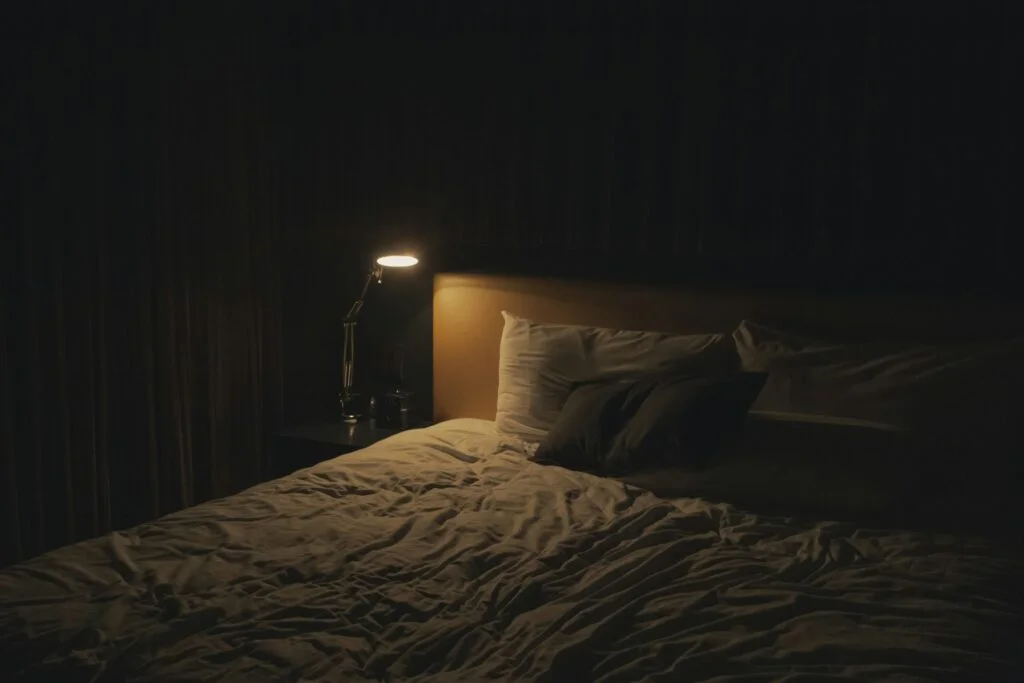
A good bedtime routine for adults is the same few calming steps, in the same order, over the last 30 to 60 minutes before bed.

Epsom salt is magnesium sulphate. A warm Epsom salt bath can feel relaxing and soothe tired muscles, but there’s little good evidence that much magnesium gets through your skin.
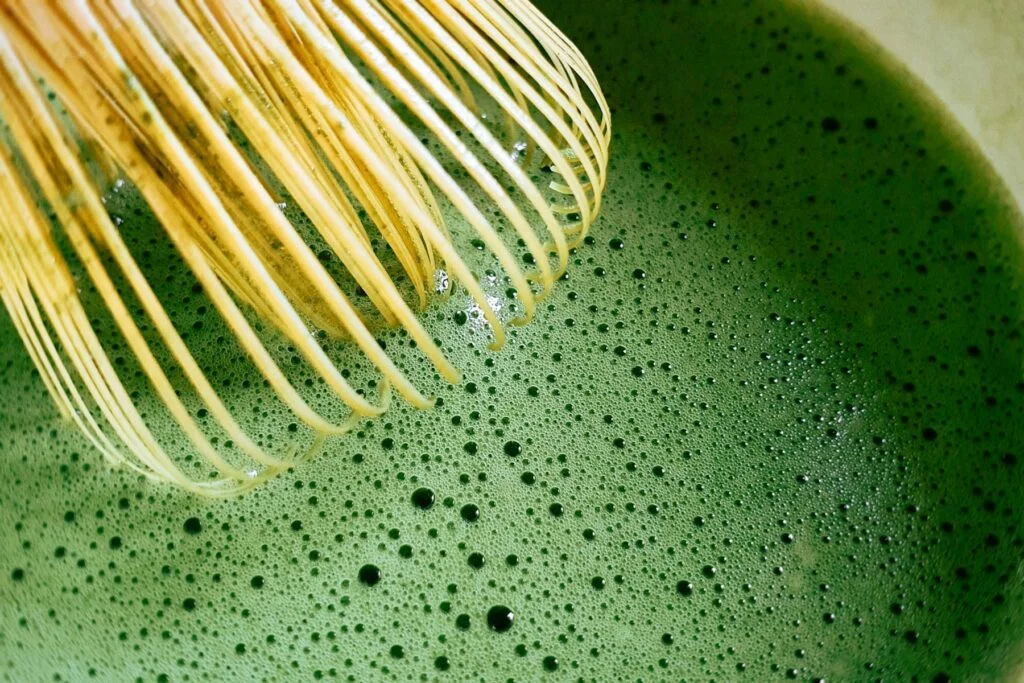
Matcha is powdered whole green tea leaf, so you drink the leaf itself rather than an infusion. A cup gives you caffeine plus L-theanine and catechins such as EGCG.

Your circadian rhythm is your body’s roughly 24-hour internal clock. It tells you when to feel sleepy and when to feel alert, and it is set mainly by light.

4-7-8 breathing is a slow-breathing relaxation exercise: breathe in quietly through your nose for 4, hold for 7, then breathe out through your mouth for 8, and repeat 4 times.
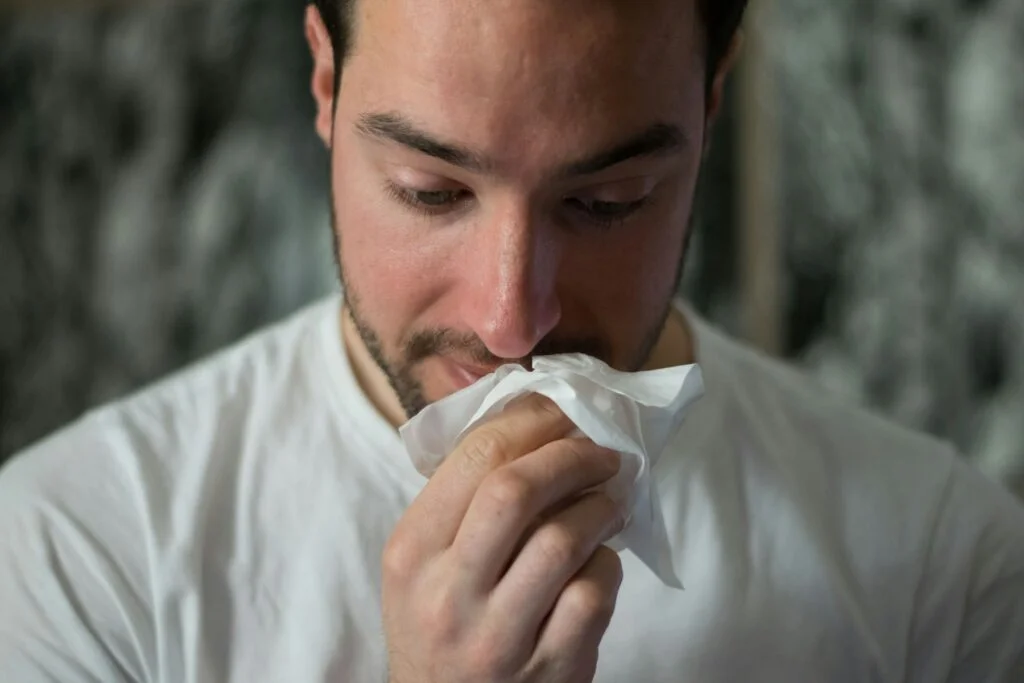
A cold builds gradually over a couple of days and mostly affects your nose and throat, so you feel rough but can usually carry on.

Ashwagandha may modestly improve sleep, according to small trials, mostly in stressed adults or people with insomnia. The evidence is limited: studies are small, short and mostly from one country.