

Last updated: 13 November 2026
CBC oil is an oil made with cannabichromene (CBC), a minor, non-intoxicating cannabinoid that hemp makes from the same parent compound, CBGA, as CBD and THC. In the UK, CBC isn’t a controlled drug, but as a food it needs novel food authorisation, and we found none authorised. There are no meaningful human trials, so claimed benefits are unproven.
Evopure doesn’t sell CBC oil. Evopure’s CBD is broad spectrum with 0% THC, made in the UK from US-grown hemp. Every Evopure CBD product is on the FSA public list of CBD products linked to validated applications.
Below: what CBC is, what the research on CBC oil benefits really shows (claim by claim), how CBC compares with CBD, CBG, CBN and THC, UK law and novel food rules, safety and drug tests, and how to spot hype. One quick note: if you searched for “CBC oil” and meant the coconut oil brand, this guide is about the hemp cannabinoid. Weighing up which to buy? Our guide to the best CBD oil in the UK compares the main options.
Looking for a finished oil?
We don’t sell a CBC oil, and we make no claims for CBC. If you’d rather buy a finished, measured CBD product, these are ours (we make them, so we’re not neutral).
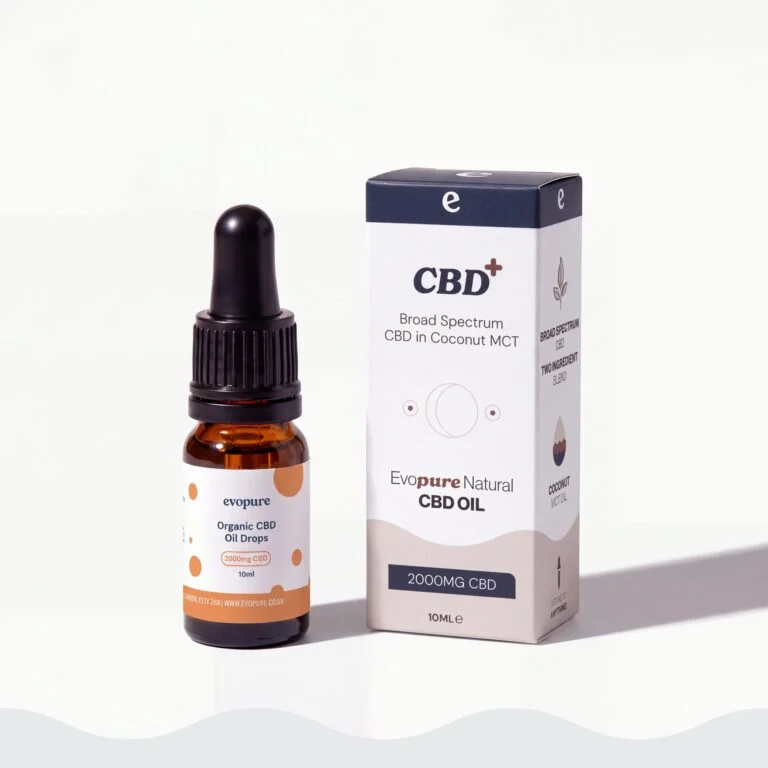
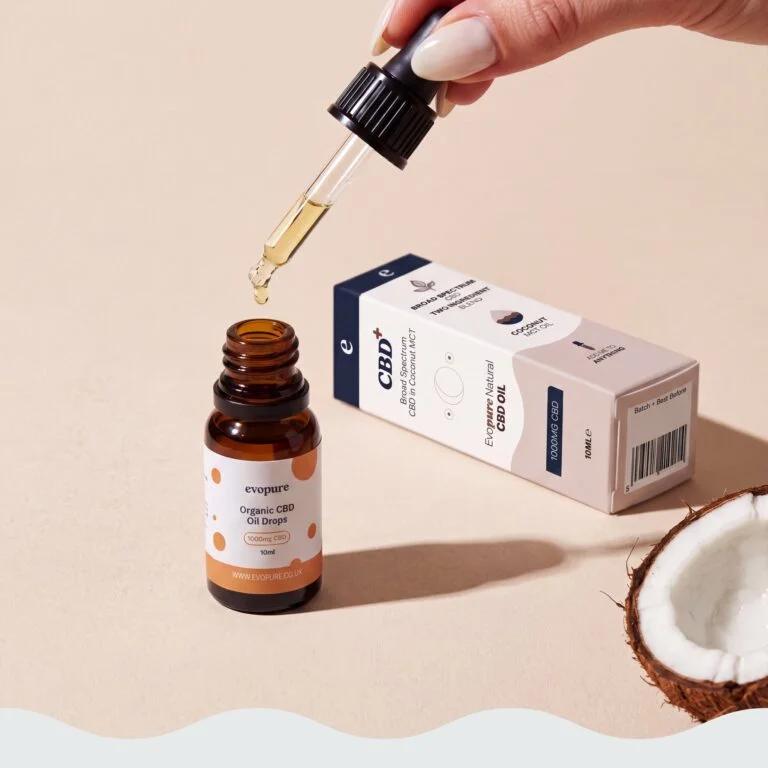
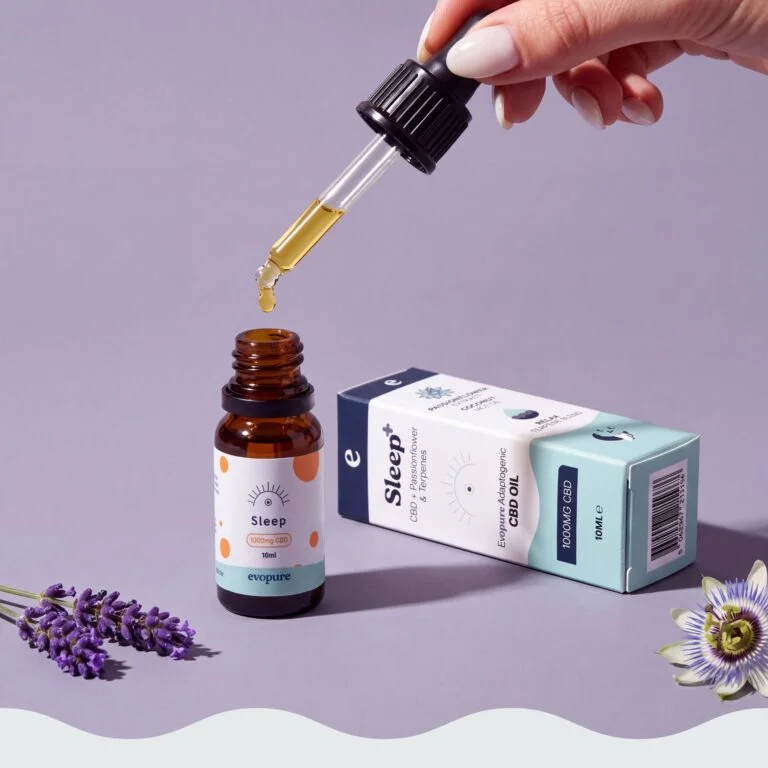
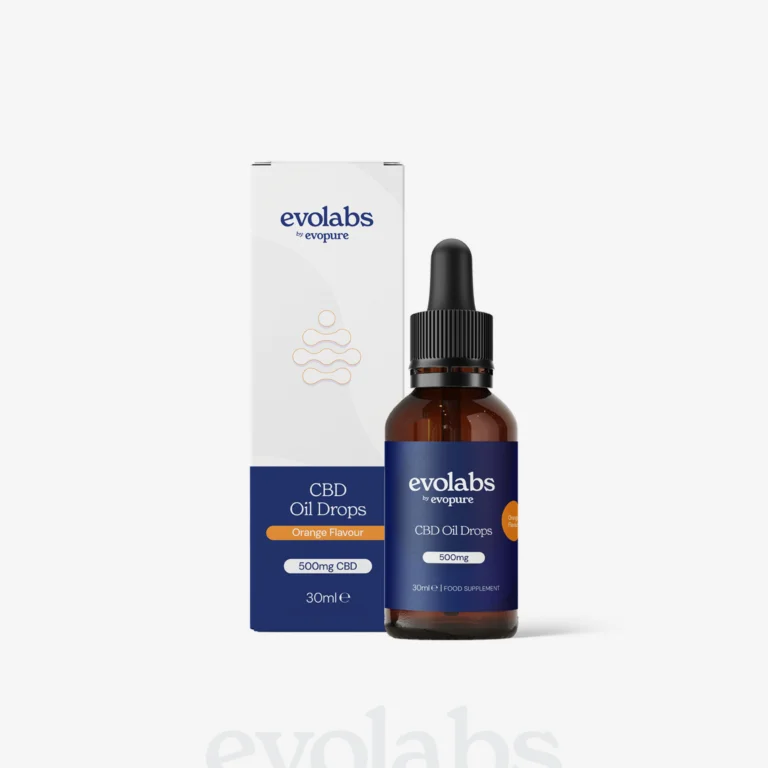
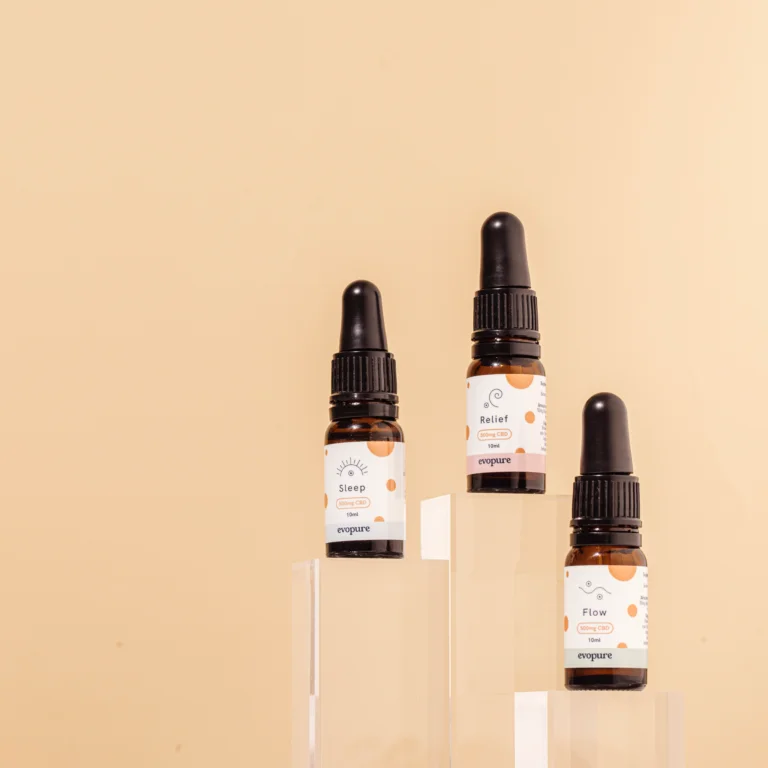
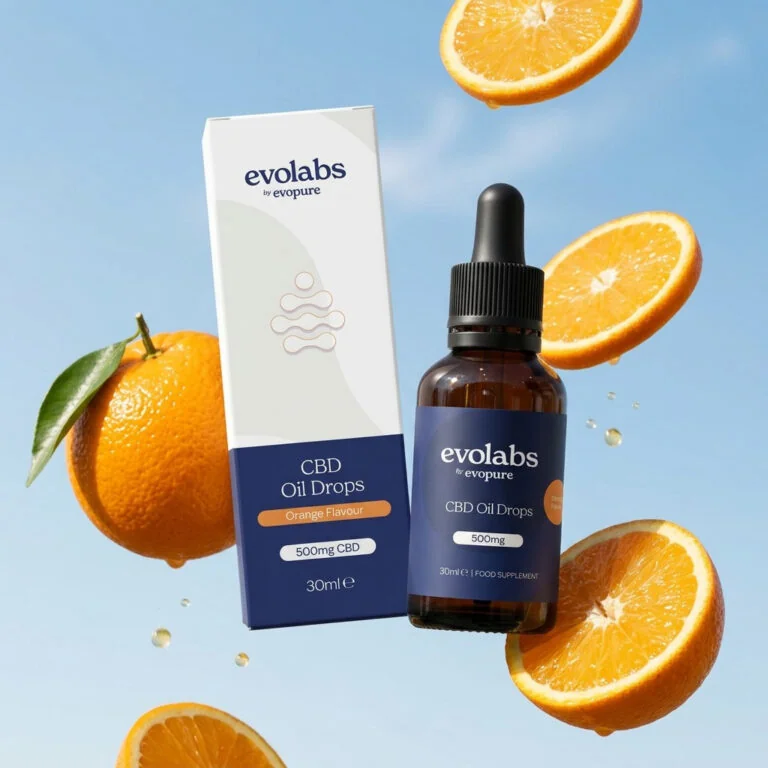
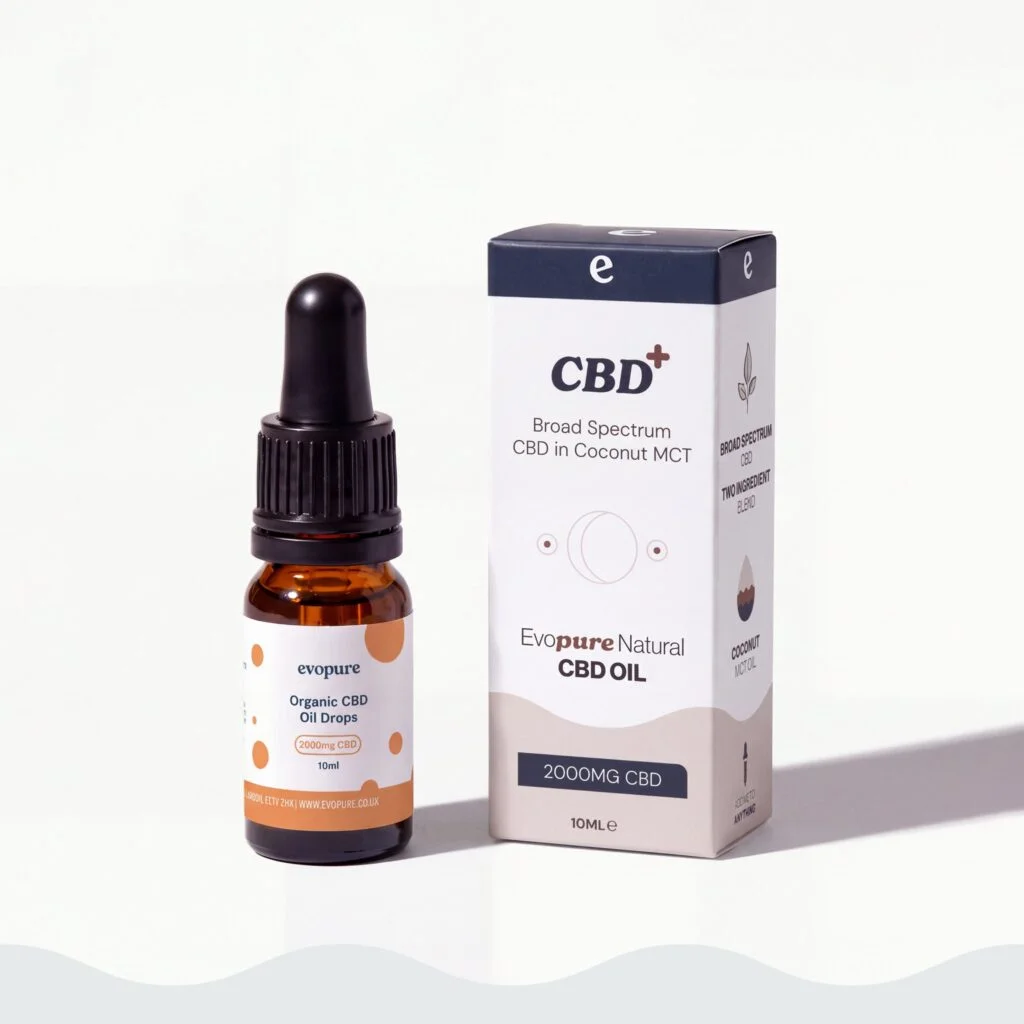
Broad Spectrum CBD Oil 500mg: broad spectrum CBD in coconut MCT oil, 0% THC. Broad spectrum keeps small, batch-varying amounts of minor hemp cannabinoids, shown on the batch lab report. 10mg is about 0.2ml. Rated 4.7 out of 5 from 43 verified ratings (via Lipscore, checked 13 November 2026).
Add Broad Spectrum CBD Oil 500mg to bag or choose another strength
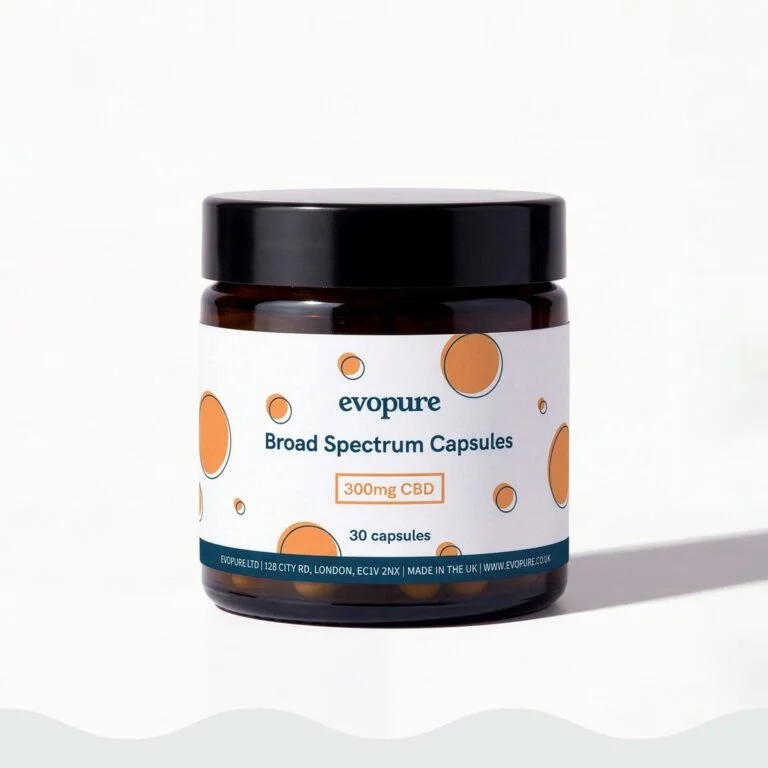
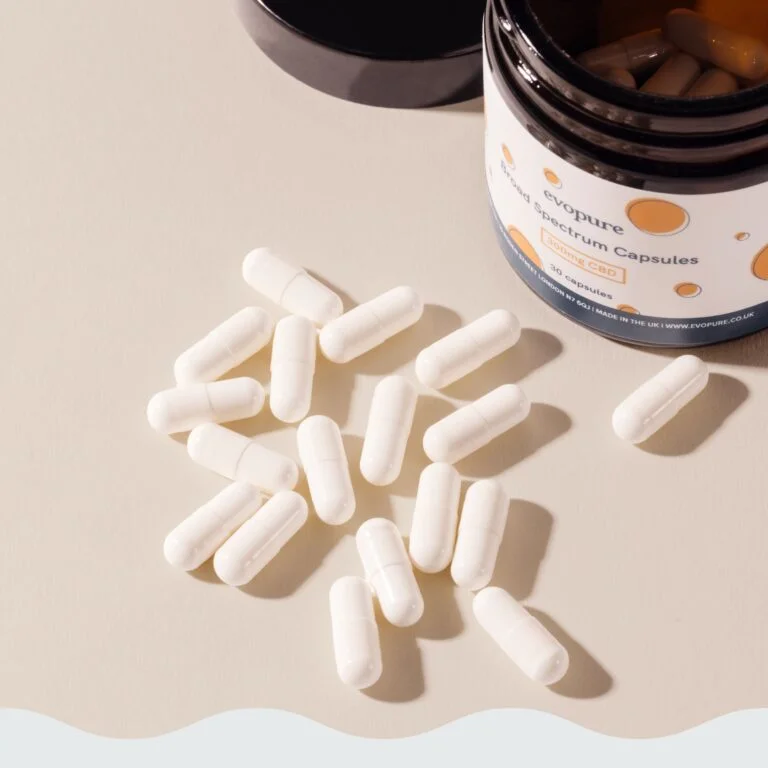
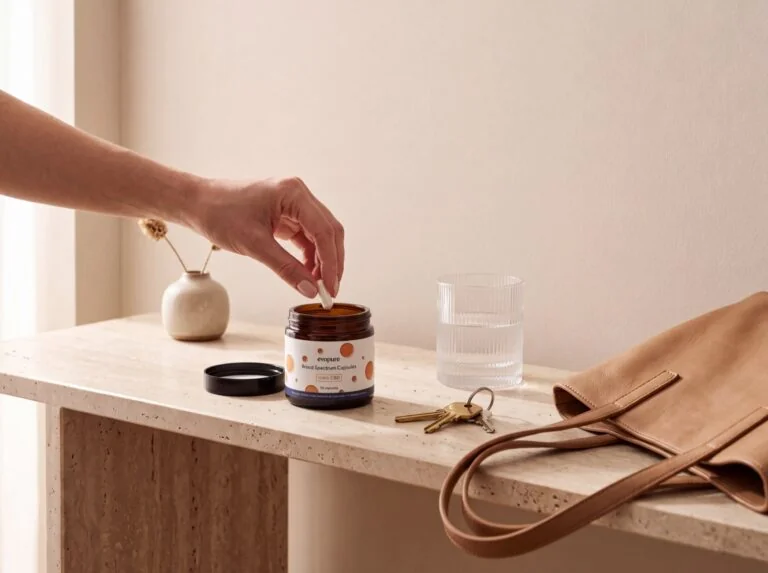
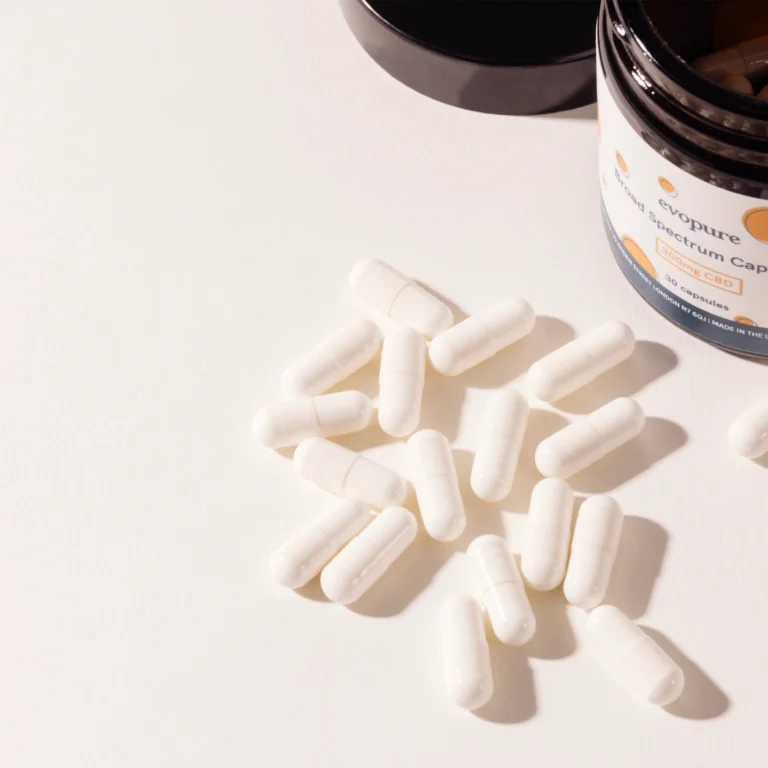
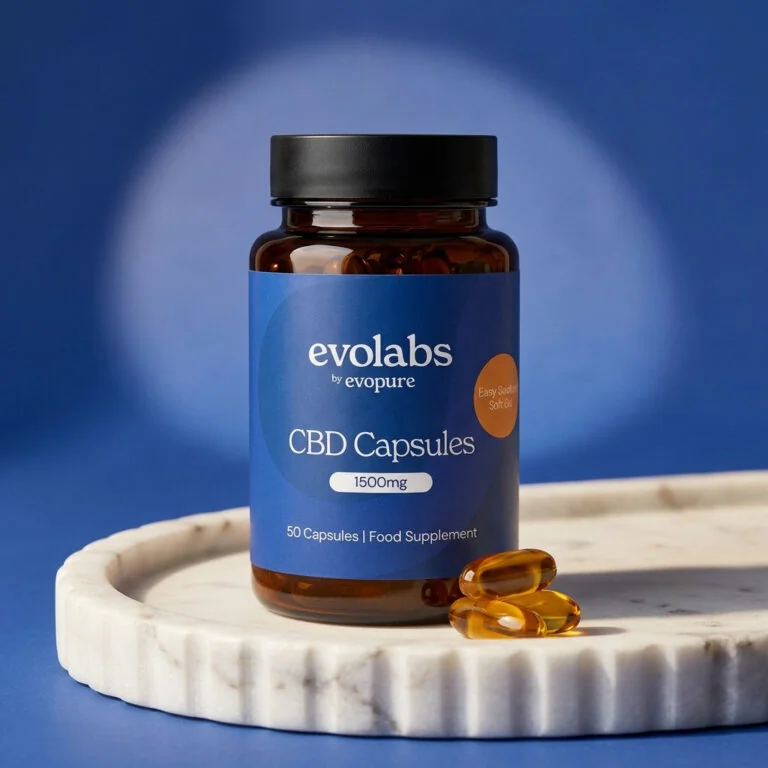
Broad Spectrum CBD Capsules 10mg: one 10mg capsule, nothing to measure and no taste. Rated 4.7 out of 5 from 125 verified ratings (via Lipscore, checked 13 November 2026).
Add Broad Spectrum CBD Capsules 10mg to bag or choose another strength
Both are on the FSA public list (RP438), every batch third-party lab tested, vegan and made in the UK. Adults only. If you take any regular medicines, check with your GP or pharmacist first. We don’t recommend our products during pregnancy or breastfeeding. Subscribe and save 25% on your first order, then 20%. New to Evopure? Join our emails for 20% off a one-off first order. Free UK delivery over £40.
The FSA’s 10mg a day figure is precautionary advice rather than a legal limit, set while longer-term safety research continues. At Evopure we think it is a very cautious figure, and many adults use more. If you go above it, increase slowly, and check with your GP or pharmacist first if you take any medication.
What is CBC oil?
Hemp plants make CBGA, the “parent” cannabinoid, which plant enzymes turn into the acid forms of THC, CBD or CBC. One of those enzymes, CBC synthase, converts CBGA into CBCA, and when CBCA is heated or ages it loses part of its structure and becomes CBC. In many cannabis and hemp varieties CBC is the fourth most abundant cannabinoid after THC, CBD and CBG, but that still means small amounts. See what is CBGA? and our guide to cannabinoids.
CBC doesn’t produce a high. In cell studies it activated the CB2 receptor (found mainly on immune cells) but not CB1, the receptor THC acts on to cause intoxication. It also acts on TRP channels, a family of sensors involved in temperature and pain signalling. If the body’s cannabinoid receptors are new to you, see the endocannabinoid system explained.
“CBC oil” can mean two quite different things:
- A CBC-dominant oil, made from a CBC isolate or distillate dissolved in a carrier oil. These are rare in the UK.
- A broad or full spectrum CBD oil that contains some CBC alongside the CBD. This is where most people actually come across CBC. See what is full spectrum CBD?
CBC oil benefits: what the research shows
Most articles on CBC oil benefits list inflammation, pain, acne, mood and brain health. Here is what sits behind each claim. A 2026 review of CBC described it as “profoundly underexplored” and pointed to the absence of clinical trials, and a 2024 review noted that CBC products are already sold over the counter with little or no evidence of their safety or efficacy.
| Claimed benefit | What has actually been studied | Evidence in people |
|---|---|---|
| Inflammation | Lower inflammation markers in mouse immune cells, and less gut inflammation in a mouse colitis model (2013) | None |
| Pain | Fewer pain behaviours in mice given CBC by injection, at up to 20mg per kg of body weight (2023) | None |
| Skin and acne | Lower oil (sebum) production in human skin cells grown in a dish (2016) | None |
| Mood | Less “depression-like” behaviour in stressed mice, plus computer modelling (2025) | None |
| Seizures | Raised the seizure threshold in a mouse model of Dravet syndrome (2021) | None |
| Brain cells | Helped mouse neural stem cells survive in a dish (2013) | None |
| Bacteria | Antibacterial activity in lab tests (reviewed 2024) | None |
These are areas researchers are exploring, not proven effects. Results in cells and mice often don’t carry over to people, the mouse doses were injected rather than swallowed, and the 2026 review highlights CBC’s low oral bioavailability, meaning little of a swallowed dose may reach the bloodstream. Claims online that CBC treats depression, acne or pain go well beyond the evidence.
CBC is also mentioned as part of the “entourage effect”, the idea that hemp compounds work better together than alone. It is plausible but unproven: see the entourage effect and what are terpenes?
Has CBC been tested in people?
Barely. The only human study we could find measured how CBC is absorbed, not whether it does anything. In a small pilot study published in 2022, 43 adults took a medical cannabis oil containing CBD, a little THC and about 1.1mg of CBC per ml, for a week. CBC appeared in the blood more readily than expected for its dose compared with CBD and THC. The study was run by a cannabis company, and it didn’t test any health outcome.
So there is no reliable human evidence on what CBC oil does, how much to take, or how it compares with CBD for anything. CBD, by contrast, has been through many human trials. See CBD benefits and side effects.
CBC vs CBD, CBG, CBN and THC
| CBC | CBD | CBG | CBN | THC | |
|---|---|---|---|---|---|
| Gets you high? | No | No | No | Very mildly at high doses | Yes |
| Amount in hemp | Small | Main cannabinoid in hemp | Small | Trace (forms as THC ages) | Very low in hemp |
| Human research | Almost none | The most studied, including licensed medicine trials | Very limited | A handful of small trials | Extensive |
| UK status | Not named as controlled; novel food rules apply | Legal in compliant food supplements | Not named as controlled; novel food rules apply | Controlled (Class B) | Controlled (Class B) |
| Our guide | This page | Hemp oil vs CBD oil | CBG vs CBD | CBD vs CBN | CBD vs THC |
The short version: CBC and CBG are both non-intoxicating minor cannabinoids with mostly lab research behind them, CBN and THC are controlled drugs in the UK, and CBD is the only one with a substantial body of human research. For more of the alphabet, see what is THCV? and what is CBDV?
Is CBC oil legal in the UK?
Two sets of rules apply: drugs law and food law.
Drugs law (Home Office). CBC isn’t named as a controlled drug in the Home Office’s drug licensing factsheet on cannabinoids, which lists THC, THCV and CBN among controlled cannabinoids. Any product containing controlled cannabinoids must meet the “exempt product” rules, which include no more than 1mg of a controlled cannabinoid in the whole container (for example the whole bottle of oil). Because CBC is extracted from hemp, a CBC product can carry traces of THC unless it is carefully refined and tested.
Food law (FSA). A novel food is any food not eaten to a significant degree in the UK or EU before 15 May 1997, and novel foods must be authorised before they can be sold in Great Britain. The FSA says hemp extracts other than hemp seed products are likely to be novel foods. The FSA’s public list and its first authorisations are for CBD products, and we found no CBC product authorised or listed on gov.uk as a CBC product. So, as we read the rules, any CBC oil sold as a food or supplement should be able to show which novel food application it is linked to. If a seller can’t, walk away. See the FSA’s first CBD approvals explained and is CBD legal in the UK?
Cannabis-based medicines containing CBC are a separate route, available only on prescription from a specialist. See medical cannabis in the UK.
Is there CBC in Evopure’s oils?
We don’t sell a CBC oil, and we don’t make any claims for CBC. Our CBD oils are broad spectrum. As our product pages explain, broad spectrum keeps the wider range of hemp cannabinoids and terpenes, including minor cannabinoids such as CBC, with the THC taken out (0% THC). The amounts of minor cannabinoids are small and vary from batch to batch, so the batch lab report (certificate of analysis, or COA) is the place to check.
- Our lab reports come from ISO 17025 accredited labs and are available on request: see lab testing.
- New to lab reports? See how to read a CBD lab report.
- Not sure which type you want? See full spectrum vs broad spectrum vs isolate and what is CBD isolate?
Our Broad Spectrum CBD Oil contains just broad spectrum CBD and coconut MCT oil; 10mg of CBD is about 0.2ml, 0.1ml or 0.05ml depending on strength. Our CBD products are on the FSA public list, linked to validated novel food applications RP438, RP821 and RP47. They are for adults (18+) only, and we don’t recommend our products during pregnancy or breastfeeding.
The FSA’s 10mg a day figure is precautionary advice rather than a legal limit, set while longer-term safety research continues. At Evopure we think it is a very cautious figure, and many adults use more. If you go above it, increase slowly, and check with your GP or pharmacist first if you take any medication.
Is CBC safe? Side effects and drug tests
Honestly, nobody knows much yet. There is very little human safety data on CBC on its own, and no long-term studies. What the lab work does show is worth knowing:
- Liver. In a 2025 lab model of human liver tissue, CBC showed signs of moderate liver cell stress at the doses tested, more than CBD, CBN or CBG did. That is a lab model, not people, but it is a reason not to treat concentrated CBC as harmless.
- Medicines. CBC is broken down by the same liver enzyme system (cytochrome P450) that handles many medicines, so interactions are possible. If you take any medication, ask your GP or pharmacist first. See will CBD interact with medication?
- Pregnancy and young people. There is no safety data. Avoid cannabinoid products if you are pregnant or breastfeeding, and they are for adults only. See CBD oil in pregnancy.
Drug tests. Standard workplace drug tests look for a breakdown product of THC, not for CBC or CBD. In a US study, pure CBD didn’t produce a positive urine test, while a CBD product that also contained THC did. So with any hemp product, the risk comes from trace THC, which is why a batch report showing THC not detected matters. Athletes are different: UK Anti-Doping says all cannabinoids other than CBD are prohibited in competition, with no reporting threshold for trace amounts, and CBC is one of them. See does CBD show up on a drug test? and CBD side effects.
How much CBC should you take?
There is no evidence-based CBC dose, because there are no human trials of its effects. Treat any “recommended CBC dose” on a label as a guess. In a broad spectrum oil, the CBC per ml is a tiny fraction of the CBD, so the dose that matters is the CBD dose. See how much CBD should I take? and how to take CBD oil.
How to spot CBC hype
In the UK, you can’t claim or imply that a food or supplement treats, prevents or cures any disease or medical condition. So a CBC product sold as a treatment for depression, acne, pain or anything else is breaking the rules, whatever the research looks like. Before you buy any CBC oil, check for:
- A batch lab report from an accredited lab showing how much CBC is actually in the bottle, and that THC isn’t detected.
- A link to the FSA public list, or a named novel food application the product sits under.
- No medical claims and no “miracle” or “super cannabinoid” language.
- A clear amount of CBC per serving that matches the lab report, rather than a vague “rich in CBC”.
- Realistic expectations: if the evidence is mostly mice, the honest marketing should say so.
If you want a well-studied cannabinoid product that is legal to sell in the UK, a broad spectrum CBD oil with a batch lab report is the established choice. See the best CBD oils in the UK.
Next step
CBD Oil Broad Spectrum
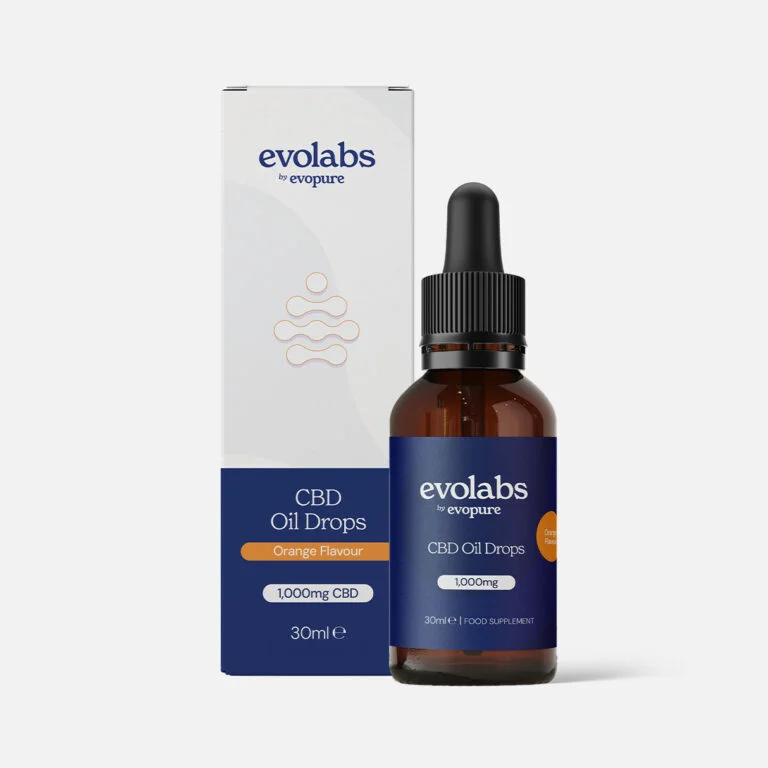
If you’d like a broad spectrum oil rather than a CBC-only product, Broad Spectrum CBD Oil is broad spectrum CBD in coconut MCT oil: 10mg of CBD in about 0.2ml of the 500mg, 0% THC, on the FSA public list, with a batch lab report on request. Rated 4.7 out of 5 from 43 verified ratings (via Lipscore, checked 13 November 2026).
Add Broad Spectrum CBD Oil 500mg to bag or choose another strength
Subscribe and save 25% on your first order, then 20%. New to Evopure? Join our emails for 20% off a one-off first order. Free UK delivery over £40. The FSA advises healthy adults to take no more than 10mg of CBD a day: about 0.2ml of the 500mg (0.1ml of the 1,000mg) gives 10mg. Adults only. If you take any regular medicines, check with your GP or pharmacist first. We don’t recommend our products during pregnancy or breastfeeding.
Subscribe from £14.99One-off from £24.99
View productSources 19
- Elbouzidi A et al (2026). Cannabichromene (CBC): a comprehensive review of biosynthesis, pharmacology, therapeutic potential, and translational perspectives. Journal of Cannabis Research.
- Sepulveda DE et al (2024). The potential of cannabichromene (CBC) as a therapeutic agent. Journal of Pharmacology and Experimental Therapeutics.
- Peters EN et al (2022). Pharmacokinetics of cannabichromene in a medical cannabis product also containing cannabidiol and Δ9-tetrahydrocannabinol: a pilot study. European Journal of Clinical Pharmacology.
- Udoh M et al (2019). Cannabichromene is a cannabinoid CB2 receptor agonist. British Journal of Pharmacology.
- Romano B et al (2013). The cannabinoid TRPA1 agonist cannabichromene inhibits nitric oxide production in macrophages and ameliorates murine colitis. British Journal of Pharmacology.
- Raup-Konsavage WM et al (2023). Antinociceptive effects of cannabichromene (CBC) in mice. Biomedicines.
- Oláh A et al (2016). Differential effectiveness of selected non-psychotropic phytocannabinoids on human sebocyte functions. Experimental Dermatology.
- Sharma A et al (2025). Cannabichromene in major depressive disorder: in silico and in vivo explorations. Naunyn-Schmiedeberg’s Archives of Pharmacology.
- Anderson LL et al (2021). Cannabichromene, related phytocannabinoids, and 5-fluoro-cannabichromene have anticonvulsant properties in a mouse model of Dravet syndrome. ACS Chemical Neuroscience.
- Shinjyo N, Di Marzo V (2013). The effect of cannabichromene on adult neural stem/progenitor cells. Neurochemistry International.
- Larson JD et al (2025). Hepatotoxicity evaluation of cannabidiol, cannabinol, cannabichromene and cannabigerol using a human quad culture liver chip. Scientific Reports.
- Roy P et al (2024). Elucidating the mechanism of metabolism of cannabichromene by human cytochrome P450s. Journal of Natural Products.
- Spindle TR et al (2020). Urinary pharmacokinetic profile of cannabinoids following administration of vaporized and oral cannabidiol and vaporized CBD-dominant cannabis. Journal of Analytical Toxicology.
- Home Office. Drug licensing factsheet: cannabis, CBD and other cannabinoids.
- Food Standards Agency. Cannabidiol (CBD) guidance.
- Food Standards Agency. Novel foods authorisation guidance.
- Food Standards Agency. CBD products linked to novel food applications (public list).
- GOV.UK. Nutrition, health claims and supplement labelling.
- UK Anti-Doping. Cannabidiol (CBD).
This guide is general information, not medical or legal advice.