








Last updated: October 2026
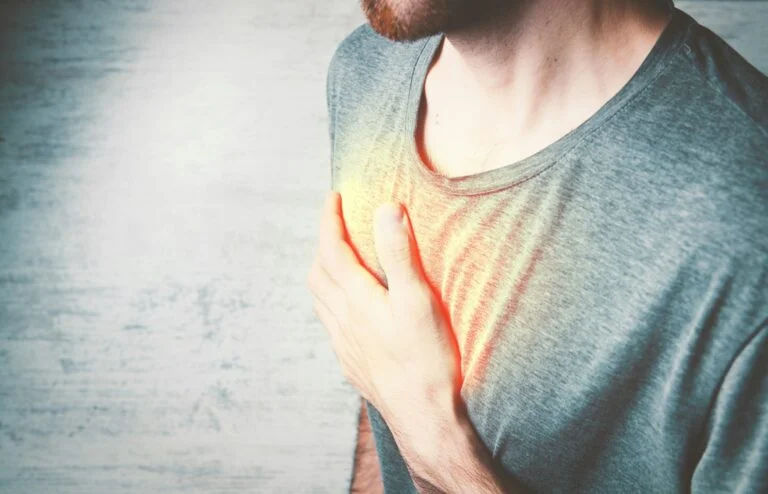
Heart palpitations are when your heartbeat suddenly feels fast, pounding, fluttering or irregular. They are common and usually harmless, often set off by stress, anxiety, caffeine, alcohol, nicotine, exercise, hormones or some medicines. See a GP if they keep coming back or last more than a few minutes. Call 999 if you also have chest pain, breathlessness or feel faint.
Below: the common causes and what to try, palpitations after exercise, before a period and after COVID, when to worry, and what a GP will check.
Call 999 or go to A&E if you have palpitations right now that do not go away, or palpitations with chest pain, shortness of breath, or feeling faint or fainting. If the palpitations have stopped but came with other symptoms, ask your GP surgery for an urgent appointment, call 111 or use 111 online. The NHS says not to drive yourself to A&E, and to bring any medicines you take.
What do heart palpitations feel like?
Palpitations are when you suddenly become aware of your heartbeat. The NHS says your heart may feel like it is:
- racing or beating very fast
- irregular, as if it has skipped a beat or added an extra one
- pounding or thumping
- fluttering
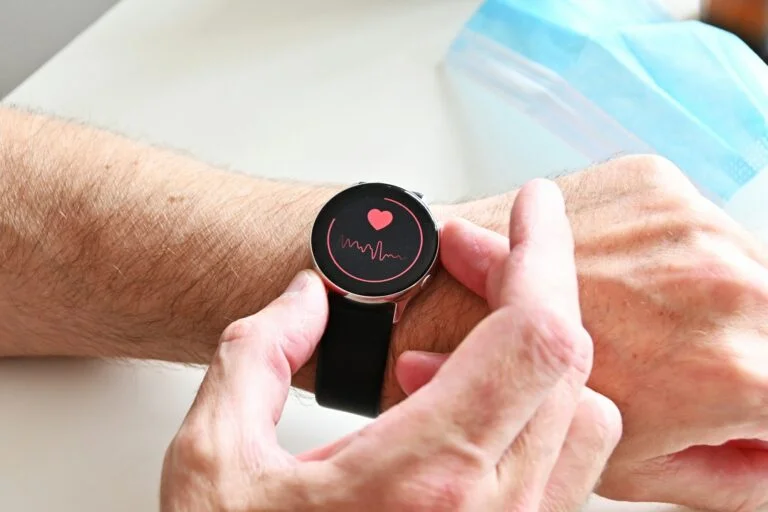
You can feel them in your chest, neck or throat, for a few seconds, minutes or longer.
A “skipped” beat is often an ectopic beat, which the British Heart Foundation (BHF) describes as an early or extra heartbeat. The pause after it can make the next beat feel like a thud.
The NHS gives a normal resting heart rate as 60 to 100 beats a minute, and you can notice palpitations even when your pulse is normal.
Why am I having heart palpitations? Common causes
The NHS says palpitations are not usually a sign of anything serious. Most come from everyday triggers; less often, a medical condition is behind them. These are the causes listed by the NHS, the BHF and NICE.
| Cause | Clues | What to try |
|---|---|---|
| Stress, anxiety and panic | Racing heart with worry, tension, sweating or a sense of dread | Slow breathing. See how to stop a panic attack and anxiety symptoms |
| Caffeine and energy drinks | Starts after coffee, strong tea, cola, energy drinks, pre-workout or painkillers with added caffeine | Cut down; keep it to mornings. See does caffeine cause anxiety? |
| Alcohol | During or the day after drinking, often with poor sleep | Drink less or not at all; the BHF advises no more than 14 units a week. See alcohol and sleep |
| Smoking and vaping | Around smoking or vaping; the BHF lists both | Stop or cut down |
| Dehydration | Hot weather, illness, exercise or a heavy night | Sip water through the day. See electrolytes |
| Lack of sleep | Short or broken nights | A regular bedtime and wake time |
| Hormones: periods, pregnancy, perimenopause | Linked to your cycle, pregnancy, or with hot flushes and night sweats | Tell your GP or midwife. See perimenopause symptoms |
| Overactive thyroid | Weight loss, feeling hot, shaky hands, anxiety, poor sleep | A blood test via your GP. See overactive thyroid symptoms |
| Iron deficiency anaemia | Tiredness, breathlessness, pale skin, headaches; heavy periods are a common cause | A blood test via your GP. See iron deficiency symptoms |
| Low blood sugar | Hungry, shaky, sweaty, dizzy; mainly in people with diabetes | Follow your hypo plan; the NHS says it is rare without diabetes, so see a GP |
| Medicines | Started after a new medicine or a change of dose | Ask your GP or pharmacist |
| Heart rhythm conditions such as AF and SVT | Sudden fast or irregular beating, often with breathlessness, dizziness or chest discomfort | See a GP for an ECG; call 999 with chest pain, breathlessness or fainting |
Medicines that can cause palpitations
The BHF lists cold and flu remedies with decongestants, some asthma inhalers (beta-agonists), some antibiotics, some antidepressants (certain SNRIs), levothyroxine, painkillers with added caffeine and ADHD medicines. Mention new palpitations to your GP or pharmacist, as a dose change or a different medicine may help. Don’t stop a prescribed medicine on your own.
Heart rhythm conditions
- Atrial fibrillation (AF). The NHS describes an irregular pulse with palpitations, sometimes with tiredness, breathlessness or dizziness. AF raises the risk of stroke, so it matters to get checked. Risk is higher if you are 55 or over, a man, overweight, a smoker or do endurance sport.
- Supraventricular tachycardia (SVT). The NHS says the heart suddenly beats much faster than normal, usually for a few minutes but sometimes hours. It is usually not serious, though some people need treatment.
Recreational drugs, a fever and heart valve disease can also cause them.
Is it anxiety or my heart?
The BHF says anxiety can make your heart race, and palpitations can cause anxiety. Noticing your heartbeat makes you worry, and the worry makes it stronger: your fight or flight response at work.
The NHS lists a racing heartbeat among panic attack symptoms, along with sweating, chest discomfort and breathlessness, and says most panic attacks last between 5 and 20 minutes. If you also get tightness in your chest, read anxiety chest pain.
You can’t reliably tell the difference yourself. If palpitations are new, frequent or come with other symptoms, get them checked; a normal ECG can be very reassuring. If you check your pulse many times a day, health anxiety may be part of the picture, and talking therapies can help.
Heart palpitations after eating
The BHF says foods high in sugar, carbohydrates or salt can trigger palpitations in some people, as can spicy or rich food, and suggests eating smaller meals. Coffee or a drink with dinner can add to it. Keep a note of what you ate, and see a GP if palpitations after eating come with dizziness or fainting.
Heart palpitations after exercise
Your heart is meant to beat faster and harder when you exercise and takes a little while to settle afterwards, so a strong heartbeat after a hard session is normal. The BHF lists intense exercise as a trigger. Dehydration, a caffeine-heavy pre-workout and poor sleep can all make palpitations more likely.
When to get it checked:
- Stop exercising and call 999 if palpitations come with chest pain or tightness, severe breathlessness, dizziness, or you faint or nearly faint.
- See a GP if palpitations come on during exercise, get worse with exercise, or are putting you off being active. The BHF advises stopping and speaking to your doctor if they get worse when you exercise.
- Tell your GP about family history. NICE guidance for GPs says palpitations triggered by exercise, or a family history of sudden cardiac death under the age of 40, should lead to an urgent referral to a heart specialist.
Once your doctor is happy, the BHF recommends regular exercise, starting with 5 or 10 minutes of walking if you are new to it.
Heart palpitations before your period
Many women notice palpitations in the days before a period. The BHF lists hormone changes among the causes of palpitations, but the evidence on periods specifically is limited and mixed:
- In a small US study of 42 women with SVT, 17 (40%) said their episodes clustered around their period.
- A Greek study of 93 women with palpitations (median age 42) found that those with more extra beats from the lower heart chambers had higher oestrogen levels.
- But a Seattle study in which 301 midlife women rated their symptoms every day for a full cycle found that palpitations were no more severe before a period than after it.
Anxiety and poor sleep before a period can play a part, and the NHS says heavy periods are a very common cause of iron deficiency anaemia.
See a GP if they are new or getting worse, and keep a diary noting the day of your cycle. In your 40s, they may be part of perimenopause: the NHS lists a more noticeable heartbeat as a symptom and says hot flushes can cause palpitations.
Heart palpitations after COVID
The NHS lists noticeable heartbeats (heart palpitations) and chest pain or tightness among the symptoms of long COVID, which is when symptoms carry on for more than 12 weeks after the infection. See a GP if you think you have long COVID or your palpitations aren’t settling, and call 999 if they come with chest pain, breathlessness or fainting.
Heart palpitations at night
Many people only notice palpitations in bed, usually because it’s quiet with nothing to distract you; lying on your left side can make your heartbeat feel stronger too. If you also snore loudly or wake gasping, mention it to your GP and read about sleep apnoea. Our full guide is heart palpitations at night.
Is it costochondritis? Chest pain is not the same as palpitations
Costochondritis often comes up alongside palpitations, but it is different. The NHS describes it as inflammation where your ribs join your breastbone, causing sharp pain at the front or side of the chest that gets worse when you move, breathe deeply, lie down or press on your chest. It does not change your heartbeat. It can last weeks to months, and the NHS says to contact 111 if you think you have it, because chest pain should be checked.
Call 999 for sudden chest pain, pain spreading to your arm, neck or jaw, or chest tightness (possible heart attack), or chest pain with difficulty breathing, a fast heartbeat or coughing up blood. For chest tightness with worry or panic, see anxiety chest pain.
When to worry about heart palpitations
Most palpitations are harmless, but some need checking quickly. Based on NHS and BHF advice:
| Situation | What to do |
|---|---|
| Palpitations now that don’t go away, or with chest pain, shortness of breath, dizziness, feeling faint or fainting | Call 999 or go to A&E. Don’t drive yourself |
| Palpitations that have stopped but came with any of those symptoms | Urgent GP appointment, call 111 or use 111 online |
| Palpitations that keep coming back, are getting more frequent or last more than a few minutes | See a GP |
| Palpitations and a heart condition, or a family history of heart problems or sudden death at a young age | See a GP |
| Palpitations during exercise, or that stop you being active | See a GP |
| Occasional, brief palpitations with an obvious trigger and no other symptoms | Usually harmless. Cut back the trigger and keep a note |
If your main symptom is dizziness or light-headedness when you stand up, rather than a noticeable heartbeat, read about low blood pressure. The BHF Heart Helpline (0808 802 1234, Monday to Friday, 9am to 5pm) lets you speak to a cardiac nurse.
What will a GP check?
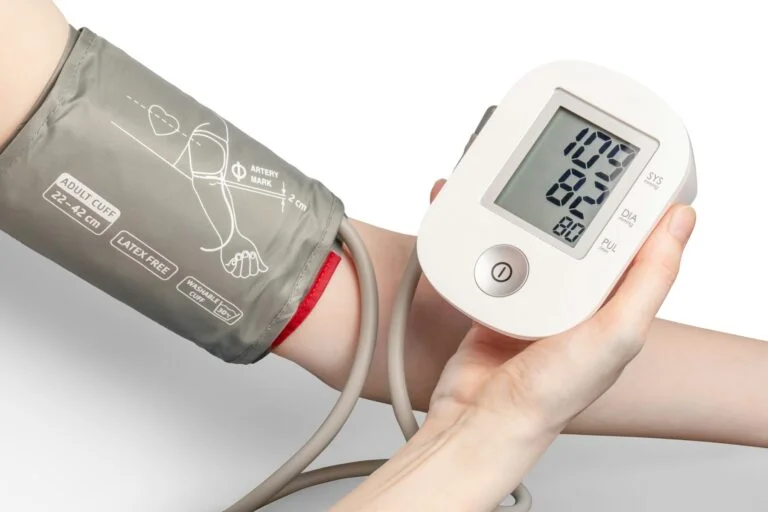
Your GP will ask what the palpitations feel like, when they happen, how long they last, possible triggers and any family history of heart problems, then check your pulse and blood pressure and listen to your heart.
- ECG (electrocardiogram). A quick, painless recording of your heart’s rhythm using sticky patches, ideally done during palpitations, as NICE guidance suggests.
- A portable ECG (Holter monitor). If the first ECG is normal but symptoms continue, the NHS says you may wear a small recorder for 24 to 48 hours, or up to 7 days.
- Blood tests. NICE guidance suggests blood tests to look for an underlying cause, for example anaemia or a thyroid problem.
- Further tests. If a heart problem is suspected, a cardiologist may arrange an echocardiogram (heart scan) or exercise ECG.
The BHF says that for many people no cause is found and no treatment is needed. If a heart condition is found, treatment depends on the cause.
What to do when you have palpitations, and what helps
In the moment
- Check for warning signs. Chest pain, breathlessness, dizziness or fainting mean call 999.
- Sit down and slow your breathing. Breathe in gently through your nose and out for longer through your mouth. Try box breathing.
- Note the details: time, how long it lasted, what it felt like, your pulse, and what you’d eaten or drunk.
To make them less likely
- Cut down on caffeine if it sets yours off, including energy drinks, cola and pre-workout. Swapping some cups for decaf is an easy start. Caffeine affects people differently: a US study of 1,388 older adults on 24-hour heart monitors found everyday coffee, tea and chocolate weren’t linked to more extra beats, so you may not need to cut it out completely.
- Drink less alcohol, or none, and keep within 14 units a week.
- Stop smoking or vaping.
- Stay hydrated, especially in hot weather and around exercise.
- Protect your sleep with a regular routine.
- Manage stress with exercise, breathing exercises and, if anxiety is behind them, talking therapies.
- Keep a symptom diary for a few weeks to spot your triggers, as the BHF suggests.
Supplements
No supplement treats palpitations or replaces getting checked. If you want a calmer evening routine, our Magnesium Glycinate Sleep Complex is a warm, caffeine-free bedtime drink with magnesium and L-theanine. Magnesium contributes to the normal functioning of the nervous system and to a reduction of tiredness and fatigue. It does not treat palpitations or any heart condition. If you have a heart or kidney condition or take heart medicines or any other regular medicines, check with your GP or pharmacist first. Our products are for adults only, and we don’t recommend our products during pregnancy or breastfeeding.
Wondering whether CBD can cause palpitations? See can CBD cause heart palpitations?
FAQs
Why am I suddenly having heart palpitations?
Common reasons are stress, anxiety, caffeine, alcohol, nicotine, poor sleep, exercise, hormones and some medicines. Anaemia, an overactive thyroid or a heart rhythm problem are less common. See a GP if they keep happening, and call 999 with chest pain, breathlessness or fainting.
When should I worry about heart palpitations?
Call 999 if palpitations don’t go away or come with chest pain, shortness of breath, dizziness or fainting. See a GP if they keep coming back, are getting more frequent, last more than a few minutes, happen during exercise, or you have a heart condition or a family history of heart problems.
Can anxiety cause heart palpitations every day?
Yes. Anxiety can make your heart race, and worrying about palpitations makes them feel stronger. Daily palpitations are still worth a GP check, as a normal ECG is very reassuring.
Is it normal to have heart palpitations after exercise?
A strong, fast heartbeat after hard exercise is normal and should settle with rest. See a GP if palpitations happen during exercise, get worse with exercise or stop you being active, and call 999 if they come with chest pain, breathlessness or fainting.
Why do I get heart palpitations before my period?
Hormone changes can trigger palpitations, and some women with heart rhythm problems notice episodes cluster around their period. Anxiety, poor sleep and anaemia from heavy periods can also play a part. See a GP if they are new or getting worse.
Do heart palpitations go away on their own?
Usually, yes. Most last seconds or minutes and need no treatment, and cutting back on triggers often helps. If they keep coming back, last longer or come with other symptoms, see a GP.
Sources
- NHS. Heart palpitations.
- British Heart Foundation. Heart palpitations and When to worry about heart palpitations.
- NICE Clinical Knowledge Summaries. Palpitations (revised February 2026).
- NHS. Atrial fibrillation, Supraventricular tachycardia (SVT) and Electrocardiogram (ECG).
- NHS. Long COVID and Costochondritis.
- NHS. Overactive thyroid symptoms, Iron deficiency anaemia, Low blood sugar and Menopause and perimenopause symptoms.
- NHS. Panic disorder.
- Myerburg RJ et al. Cycling of inducibility of paroxysmal supraventricular tachycardia in women. Am J Cardiol, 1999.
- Tsougos E et al. The effects of different hormones on supraventricular and ventricular premature contractions in healthy premenopausal women. Medicina, 2021.
- Dixit S et al. Consumption of caffeinated products and cardiac ectopy. J Am Heart Assoc, 2016.
- Woods NF, Mitchell ES. Effects of menstrual cycle phases and reproductive aging stages on arousal symptoms. Menopause, 2025.
This guide is general information, not medical advice. If you are worried about your heart, speak to your GP or call 111. Evopure makes the Magnesium Glycinate Sleep Complex.