Last updated: October 2026
Shilajit is a sticky, tar-like resin that seeps from mountain rocks and has been used in Ayurveda for centuries. A few small trials suggest it may affect testosterone or exercise fatigue, but the evidence is thin. The bigger issue is safety: unpurified shilajit can contain heavy metals, so buy only tested, purified products and check with your GP first.
Quick facts: human trials are few and small, and all used purified extracts at about 200 to 1,000mg a day. Independent tests have found lead, arsenic, mercury and thallium in some shilajit and shilajit supplements. Shilajit has no authorised health claims in Great Britain.
What is shilajit?
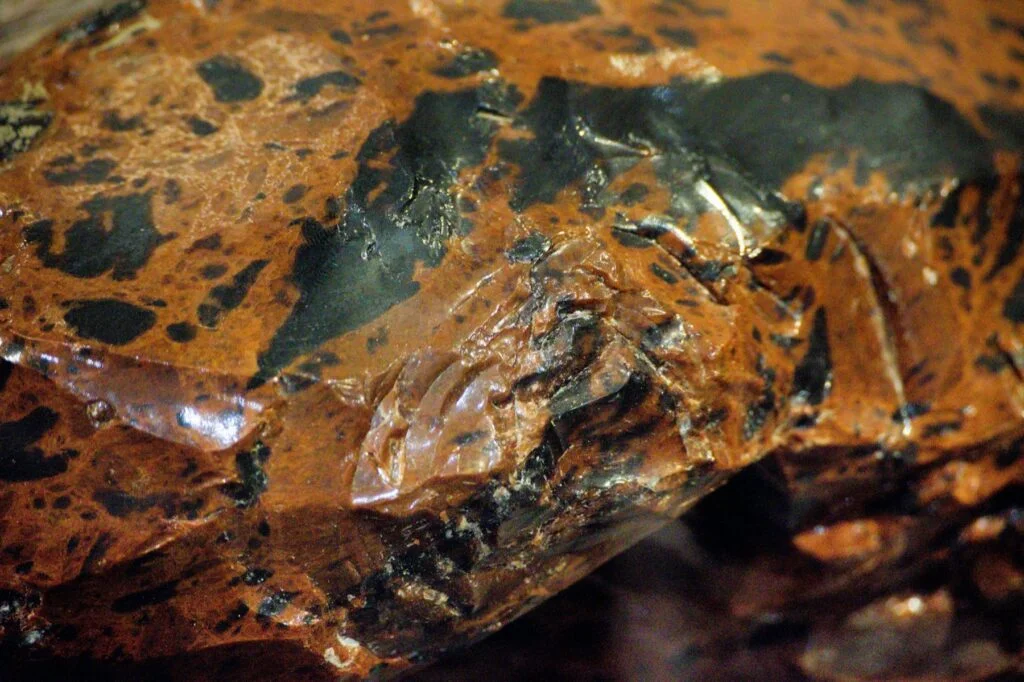
Shilajit is a dark brown to black, sticky substance that oozes from rock layers in high mountain ranges, best known from the Himalayas. It’s thought to form very slowly from broken-down plant matter, although a 2025 review of its chemistry points out that its exact origin and full make-up still aren’t known for certain. You’ll also see it called mumijo, mumie or mineral pitch.
In Ayurveda, India’s traditional medicine system, it’s a rasayana, taken to restore vitality. Today it’s sold as resin, capsules, powders and gummies, often marketed to men for “testosterone” and stamina.
What’s in it: fulvic acid and minerals
Most of shilajit’s weight (more than 80%) is humic substances, the best known being fulvic acid. Around 20% is minerals, mainly calcium, potassium and magnesium. It also contains amino acids, plant compounds called dibenzo-alpha-pyrones, and trace metals. The mix varies a lot from one region and batch to the next.
What “purified” shilajit means
Raw shilajit comes out of the rock mixed with soil, stone and plant debris. Purified shilajit has been cleaned and extracted to remove them, and every human trial below used a purified extract. Purification alone doesn’t prove a product is free of heavy metals, though. Only a lab test shows that.
Shilajit benefits: what the evidence shows
Reviews describe plenty of lab and animal research but relatively few well-controlled human studies. Here’s what the human evidence looks like for each claim you’ll see online.
| Claim | Key studies | Evidence strength |
|---|---|---|
| Testosterone | 2016 placebo-controlled trial in healthy men aged 45 to 55: 90 days of purified extract raised total and free testosterone and DHEAS versus placebo. A 2024 review rated it “possibly effective”. | Limited: one small trial |
| Sperm count and fertility | 2010 study of 35 men with low sperm counts (28 finished): after 90 days, sperm count rose 61% and testosterone 23%. No placebo group. | Very limited |
| Exercise fatigue and strength | 2019 trial in 63 active young men: after 8 weeks, 500mg a day helped the stronger half keep more strength after a fatiguing workout. 250mg did no better than placebo. | Limited, mixed |
| Collagen | 2024 trial in 35 trained men: 8 weeks raised a blood marker of collagen production. | A blood marker only |
| Bone density in women | 2022 trial in 60 postmenopausal women with low bone density: 48 weeks slowed bone loss versus placebo. | One small trial |
| Memory and brain health | Lab studies of fulvic acid on tau, a protein linked to Alzheimer’s. Researchers say clinical trials are still needed. | Preclinical only |
| Altitude sickness | A 2010 Indian defence research review proposed it for high-altitude problems. We found no controlled human trials. | Traditional use only |
| Weight loss | No trials of shilajit on its own. One 2025 trial used a chromium blend containing only 6 to 12mg of shilajit. | No evidence |
Shilajit for men: testosterone, libido and fertility
This is why shilajit trends on TikTok. The honest picture: one 90-day trial found a rise in testosterone and one uncontrolled study found better sperm counts. Neither has been repeated at scale, and a review of testosterone boosters found most supplements fail to raise testosterone at all.
If you have low energy, low sex drive or erection problems, the NHS says these often have nothing to do with hormones; stress, sleep, alcohol and mood play a big part. See your GP, who can arrange a testosterone blood test. Our guide to stress in men covers the lifestyle side, and CBD and libido looks at another popular claim. If you’ve been trying for a baby for a year without success, the NHS advises seeing a GP rather than self-treating.
Shilajit for women
There’s very little research in women: one small trial on bone density after the menopause. Because shilajit may raise testosterone, Cleveland Clinic notes possible acne, irregular periods or hair loss. For energy or menopause, start with our guides to creatine for women and the best supplements for energy, which rank options by evidence. If you feel drained all the time, check the common causes in why am I always tired? and iron deficiency symptoms first.
Heavy metals and side effects
Contamination is the main reason to be careful. Shilajit forms in rock, so it naturally picks up metals, and some products are poorly cleaned or tested.
- Many metals, sometimes above safe limits. A 2024 review found shilajit can carry around 65 metals, including lead, arsenic, cadmium and mercury. Most studies found levels within WHO and FDA limits, but some found them exceeded.
- Lab tests of real samples. A 2022 analysis of shilajit from India and Pakistan found lead, arsenic and mercury, among others, above permissible limits.
- Thallium in supplements. A 2025 study found the toxic metal thallium in both raw shilajit and shilajit supplements, with some supplements containing more than the raw material.
- Ayurvedic products bought online. A 2008 JAMA study of 193 Ayurvedic medicines bought online found about 1 in 5 contained lead, mercury or arsenic. Three quarters of those claimed good manufacturing practice.
The US FDA warns that heavy metals usually aren’t on the label, and that poisoning can cause high blood pressure, kidney damage, tiredness, stomach upset and tingling in the hands and feet. The NHS also links exposure to certain metals with reduced fertility in men, which matters if that’s why you’re taking it.
Other side effects
Reported side effects include stomach upset, headache, dizziness and allergic reactions. One published case describes a pregnant woman who developed high blood pressure and low potassium after 6 months of mumijo, which settled when she stopped. Stop and speak to your GP or pharmacist if you feel unwell.
How to choose a shilajit supplement safely
“Pure”, “Himalayan” or “gold grade” on a label tells you nothing about metal content. If you still want to try it, these checks matter more than the format.
- Batch heavy metal results. Ask for a certificate of analysis from an independent lab, ideally ISO 17025 accredited, showing lead, arsenic, cadmium and mercury for the batch you’re buying, with units and limits. Our guide to reading lab reports explains how to check a certificate.
- A UK seller who publishes them. Choose a UK business with a full address that lists results openly, not an overseas marketplace seller.
- Purified extract, amount stated. The label should say how much shilajit extract is in each serving. Avoid raw or “unprocessed” resin.
- Microbial testing. Cleveland Clinic notes raw shilajit may also carry microbes, so look for those results too.
- No disease claims. A product promising to cure, treat or “boost testosterone” is breaking UK advertising rules, which says something about the seller.
Is shilajit legal in the UK?
Yes. Shilajit is widely sold in the UK as a food supplement. It isn’t a licensed medicine, and there are no authorised health claims for shilajit on the Great Britain nutrition and health claims register, so products can’t legally claim it boosts testosterone, fertility or energy. Being on sale doesn’t mean a product has been checked for purity, which is why the testing above matters.
How much shilajit to take: doses used in studies
These are amounts used in research, not a recommendation. There’s no official safe dose, partly because products vary so much. Follow the label.
| Study | Daily amount of purified extract | How long |
|---|---|---|
| Testosterone trial (2016) | 500mg (250mg twice a day) | 90 days |
| Sperm count study (2010) | 200mg (100mg twice a day, after meals) | 90 days |
| Exercise fatigue trial (2019) | 250mg or 500mg | 8 weeks |
| Collagen trial (2024) | 500mg or 1,000mg | 8 weeks |
| Bone density trial (2022) | 250mg or 500mg | 48 weeks |
- Best time to take it. No study compared morning with evening. Trials split the dose through the day, and one gave it after meals.
- Resin, capsules or gummies. Resin is hard to measure accurately, while the research used measured extracts. With gummies, check the extract amount per gummy and the sugar.
- Keep courses short. Most trials lasted 8 to 12 weeks, so long-term safety isn’t well known.
Who should avoid shilajit
- Pregnancy, breastfeeding or trying to conceive: safety hasn’t been established. Talk to your GP first. We don’t recommend our products during pregnancy or breastfeeding either.
- Children and teenagers: there’s no safety research in under-18s.
- Haemochromatosis or high iron levels: shilajit contains iron among its minerals, and the NHS advises people with high iron levels to avoid iron supplements.
- Diabetes, blood pressure or heart problems, blood thinners, or liver or kidney disease: Cleveland Clinic advises speaking to your doctor first.
- Prostate cancer or other hormone-sensitive conditions: because a trial found it raised testosterone and DHEAS, don’t take it unless your specialist agrees.
If you take any regular medicine, ask a pharmacist before starting shilajit or any herbal supplement.
Shilajit vs ashwagandha vs maca
These three often appear together in men’s “vitality” products.
| Shilajit | Ashwagandha | Maca | |
|---|---|---|---|
| What it is | Mineral resin from rocks | Root of a shrub | Root vegetable from the Andes |
| Main uses | Testosterone, stamina | Stress, sleep | Energy, libido |
| Testosterone evidence | One small trial; “possibly effective” | “Possibly effective” in healthy men | Reviewed studies didn’t show a rise |
| Main safety point | Heavy metal contamination | Under UK safety review; liver and thyroid cautions | Traditionally eaten as a food |
For more, see ashwagandha side effects, ashwagandha’s UK safety review and maca root benefits. The same testosterone review rated tongkat ali “possibly effective” too, but most boosters it looked at failed.
Other options with their own guides: rhodiola rosea, holy basil and cordyceps, all ranked in adaptogens for energy. For gym strength, creatine has far more research than shilajit; for focus, see nootropics in the UK.
Other adaptogens in our range
We don’t sell shilajit. These are the two products in our range that use adaptogens:
- Flow CBD Oil combines broad spectrum CBD with ashwagandha root and maca in MCT oil, made for daytime routines. It contains ashwagandha, so read our ashwagandha safety guide first, and avoid it if you have a liver or thyroid condition. The FSA’s 10mg a day figure is precautionary advice rather than a legal limit, set while longer-term safety research continues. At Evopure we think it is a very cautious figure, and many adults use more. If you go above it, increase slowly, and check with your GP or pharmacist first if you take any medication.
- Reishi Mushroom Adaptogenic Complex is a hot chocolate made with reishi mushroom extract, cacao, maca, coconut milk powder and coconut sugar. Cacao contains a little natural caffeine, so bear that in mind if you’re sensitive to it.
Both are for adults only, made in the UK and third-party lab tested, with reports on our lab testing page.
See also our guide to black seed oil (kalonji), another traditional remedy popular on TikTok.
FAQs
What does shilajit do for men?
It’s marketed for testosterone, stamina and fertility. One small trial found higher testosterone and one uncontrolled study better sperm counts, but the evidence is thin. See your GP if you have symptoms of low testosterone.
Is shilajit good for women?
There’s very little research in women. One small trial looked at bone density after the menopause. Because it may raise testosterone, possible side effects include acne, irregular periods and hair loss.
Is it safe to take shilajit every day?
Trials gave purified extracts daily for 8 to 48 weeks, but long-term safety isn’t well known and depends on purity. Only use a product with batch heavy metal results, and check with your GP or pharmacist first.
Is shilajit legal in the UK?
Yes. It’s sold as a food supplement, not a licensed medicine. There are no authorised health claims for shilajit in Great Britain, so products can’t claim it boosts testosterone or energy.
When is the best time to take shilajit?
No study has compared times of day. Trials split the dose through the day, and one gave it after meals. Follow the label.
Does shilajit help with weight loss?
There’s no evidence it does. We found no trials of shilajit on its own for weight loss.
What is gold shilajit?
“Gold” is a marketing label, not a recognised quality standard. It doesn’t tell you anything about purity or heavy metal content; only a lab certificate does.
Sources
- Kamgar E et al (2025). A comprehensive review on shilajit: what we know about its chemical composition. Critical Reviews in Analytical Chemistry.
- Stohs SJ (2014). Safety and efficacy of shilajit (mumie, moomiyo). Phytotherapy Research.
- Pandit S et al (2016). Clinical evaluation of purified Shilajit on testosterone levels in healthy volunteers. Andrologia.
- Biswas TK et al (2010). Clinical evaluation of spermatogenic activity of processed Shilajit in oligospermia. Andrologia.
- Keller JL et al (2019). The effects of Shilajit supplementation on fatigue-induced decreases in muscular strength and serum hydroxyproline levels. Journal of the International Society of Sports Nutrition.
- Neltner TJ et al (2024). Effects of 8 weeks of Shilajit supplementation on serum pro-c1α1, a biomarker of type 1 collagen synthesis. Journal of Dietary Supplements.
- Pingali U, Nutalapati C (2022). Shilajit extract reduces oxidative stress, inflammation, and bone loss to dose-dependently preserve bone mineral density in postmenopausal women with osteopenia. Phytomedicine.
- Morgado A et al (2024). Do “testosterone boosters” really increase serum total testosterone? A systematic review. International Journal of Impotence Research.
- Carrasco-Gallardo C et al (2012). Shilajit: a natural phytocomplex with potential procognitive activity. International Journal of Alzheimer’s Disease. Meena H et al (2010). Shilajit: a panacea for high-altitude problems. International Journal of Ayurveda Research.
- Martinez V et al (2025). Effects of 12 weeks of chromium, Phyllanthus emblica fruit extract, and Shilajit supplementation on markers of cardiometabolic health, fitness, and weight loss. Nutrients.
- Hussain A, Saeed A (2024). Hazardous or advantageous: uncovering the roles of heavy metals and humic substances in Shilajit. Biological Trace Element Research.
- Aldakheel RK et al (2022). Rapid determination and quantification of nutritional and poisonous metals in vastly consumed Ayurvedic herbal medicine (rejuvenator Shilajit). Biological Trace Element Research.
- Kamgar E et al (2025). Quantifying of thallium in Shilajit and its supplements to unveil the potential risk of consumption of this popular traditional medicine. BMC Chemistry.
- Saper RB et al (2008). Lead, mercury, and arsenic in US- and Indian-manufactured Ayurvedic medicines sold via the Internet. JAMA.
- Stavropoulos K et al (2018). Pseudohyperaldosteronism due to mumijo consumption during pregnancy: a licorice-like syndrome. Gynecological Endocrinology.
- US Food and Drug Administration. FDA warns about heavy metal poisoning associated with certain unapproved ayurvedic drug products.
- Cleveland Clinic. Shilajit benefits.
- NHS. The “male menopause”, Infertility and Haemochromatosis treatment.
- Department of Health and Social Care. Great Britain nutrition and health claims (NHC) register. GOV.UK.
This guide is general information, not medical advice. Evopure makes the Flow CBD Oil and Reishi Mushroom Adaptogenic Complex mentioned above; we don’t sell shilajit.