
Last updated: October 2026
Social anxiety is an intense, lasting fear of social situations, such as meeting new people, speaking up, eating in front of others or going to parties. You may dread being judged or embarrassed, and feel your heart race, blush or shake. It’s common and treatable. CBT works best, and gradual steps, breathing and preparation help day to day.
Below: social anxiety symptoms, shyness vs social anxiety, what causes it, how to cope at work, parties and Christmas events, treatment, and when to get help.
Social anxiety symptoms
| Type | Symptoms (NHS) |
|---|---|
| Thoughts | Worrying a lot about everyday situations; dreading embarrassing yourself; feeling watched and judged; fearing criticism; low self-esteem |
| Behaviour | Avoiding group conversations, eating with others, parties or phone calls; avoiding eye contact |
| Body | Blushing, sweating, trembling, nausea, a racing heart |
| Panic | Some people have panic attacks. See how to stop a panic attack |
See also anxiety symptoms.
Shyness or social anxiety?
| Shyness | Social anxiety |
|---|---|
| Feeling a bit nervous at first, then warming up | Intense fear that doesn’t ease, before, during and after |
| Doesn’t stop you doing things | Leads you to avoid situations, affecting work, friendships or daily life |
| Passes after the event | Going over what you said for days afterwards. See how to stop overthinking |
What causes social anxiety?
There’s usually no single cause. It often starts in the teenage years and can be linked to a naturally anxious temperament, difficult experiences such as bullying, family patterns, and low confidence. Stress, poor sleep, caffeine and alcohol can make it worse. See caffeine and anxiety and hangxiety.
10 ways to cope with social anxiety
- Break it into small steps. Start with easier situations and build up, as the NHS suggests.
- Don’t avoid everything. Avoidance keeps anxiety going. Small, regular steps shrink it.
- Breathe slowly before and during. See box breathing.
- Ground yourself in the moment. See grounding techniques.
- Focus outwards on what others are saying, not on how you’re coming across.
- Prepare a few questions or topics in advance.
- Challenge your predictions. Afterwards, compare what you feared with what actually happened.
- Keep a diary of situations, thoughts and feelings. See journal prompts for anxiety.
- Go easy on alcohol as a confidence boost; it often makes next-day anxiety worse.
- Look after the basics: sleep, movement and regular meals. See how to relieve stress.
Parties, work events and Christmas
- Arrive early, when it’s quieter, rather than walking into a full room.
- Bring a friend or agree a “check-in” signal.
- Give yourself a role: helping with drinks or taking photos.
- Plan your exit time so it feels manageable.
- Alternate drinks with water or choose alcohol-free. See alcohol-free drinks.
- Schedule recovery time the next day.
See also Christmas stress and morning anxiety.
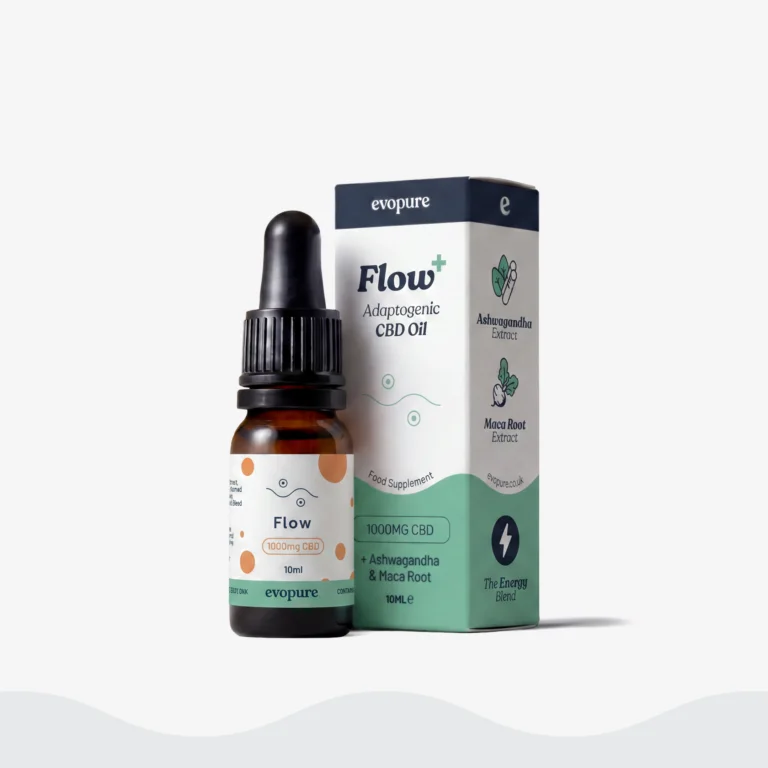
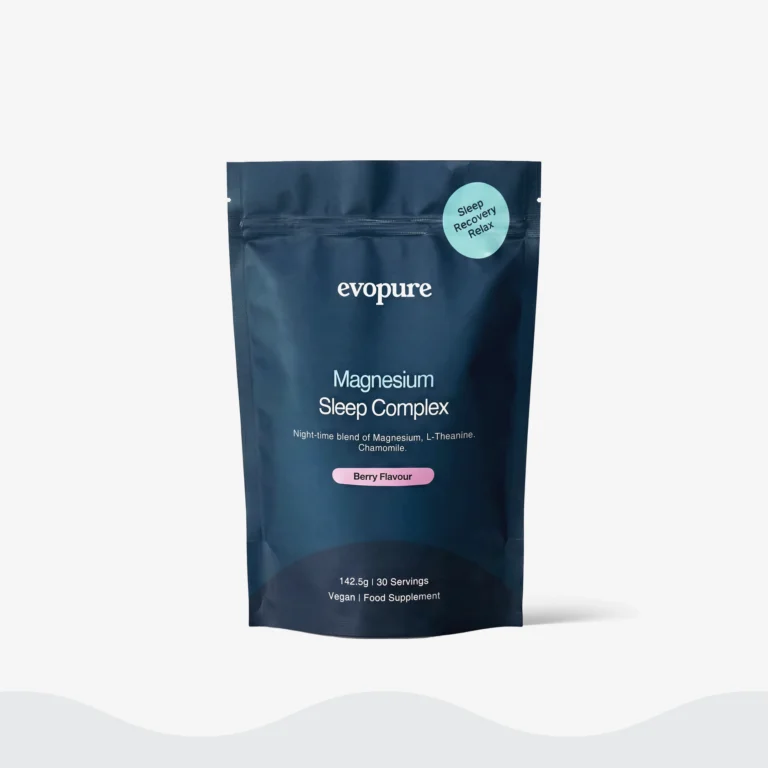
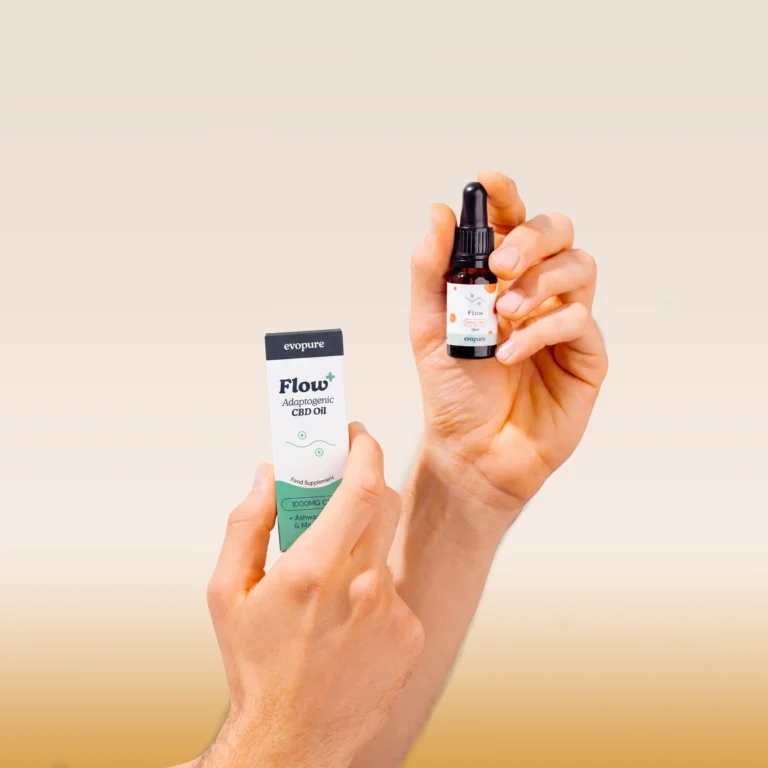
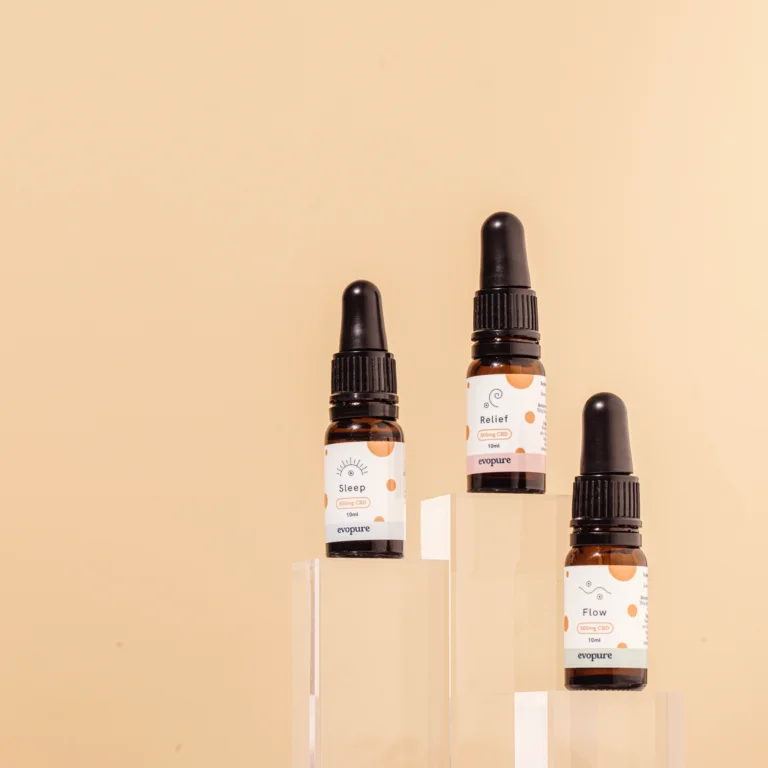
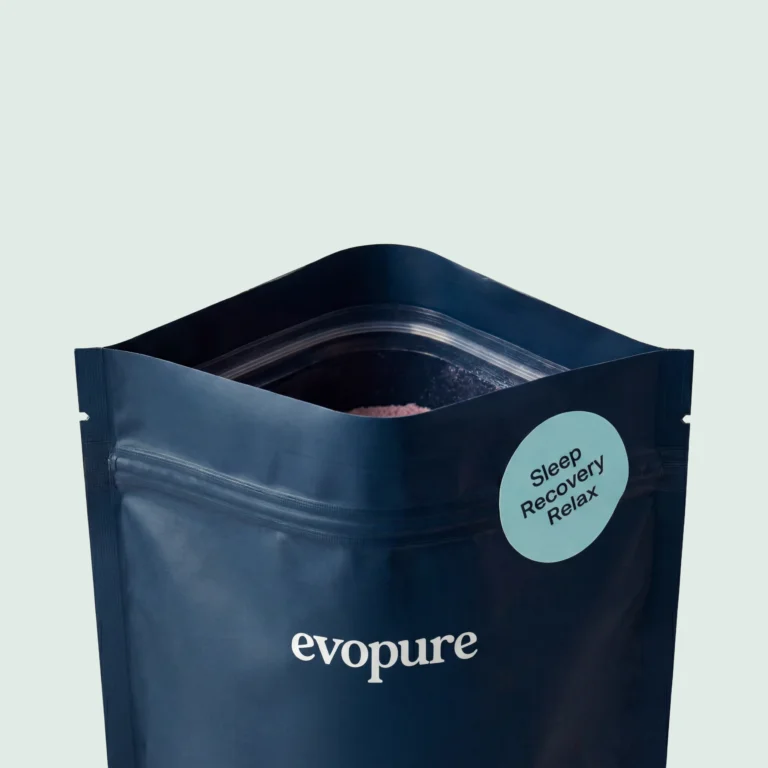
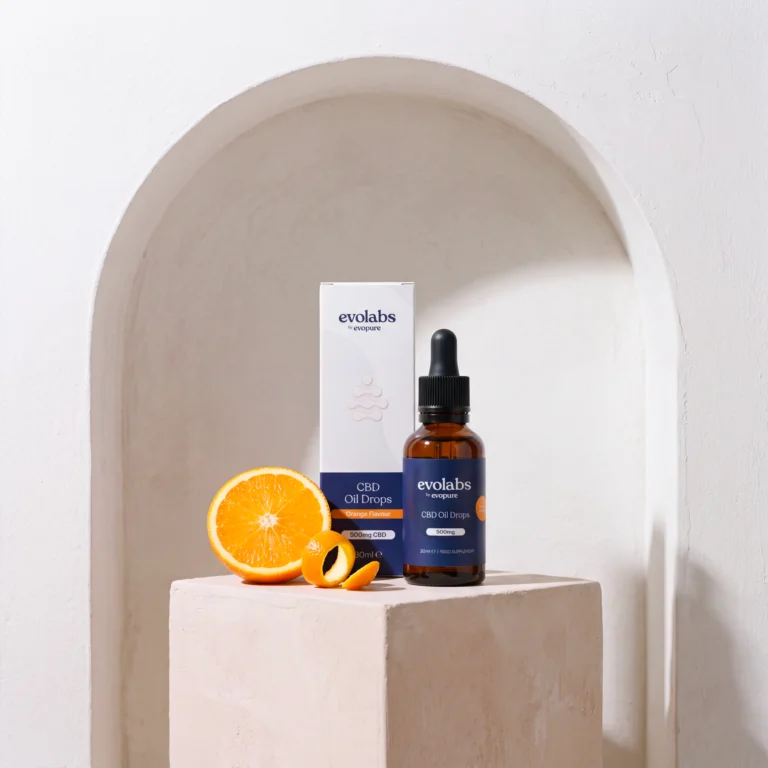
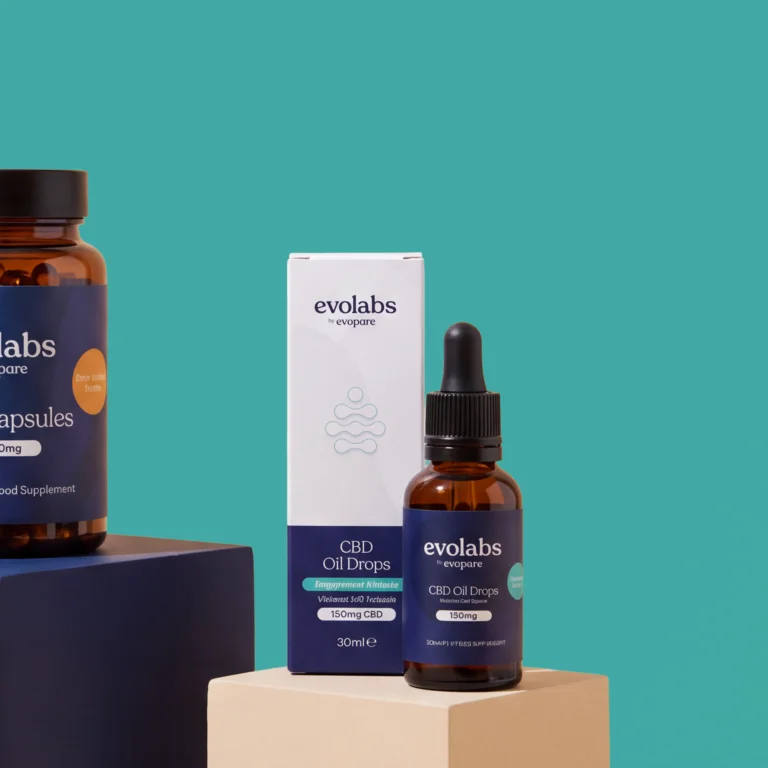
Many people also build a calm daily routine. Our Flow CBD Oil combines broad spectrum CBD with ashwagandha and maca for daytime routines, and our Magnesium Glycinate Sleep Complex is an evening drink. Magnesium contributes to normal psychological function. See how to choose a CBD oil. The FSA’s 10mg a day figure for CBD is precautionary advice rather than a legal limit, set while longer-term safety research continues. At Evopure we think it is a very cautious figure, and many adults use more. If you go above it, increase slowly, and check with your GP or pharmacist first if you take any medication.
Treatment
| Treatment | What it involves |
|---|---|
| CBT | The most effective treatment. Helps you spot and change anxious thinking and gradually face situations. One-to-one, group or online |
| Guided self-help | A CBT workbook or online course with regular support from a therapist |
| Antidepressants | Usually SSRIs, prescribed by a GP, sometimes alongside therapy |
When to get help
See a GP if social anxiety is affecting your work, relationships or daily life. Adults in England can refer themselves to NHS Talking Therapies for CBT, without seeing a GP first. If you’re struggling to cope, call NHS 111 and choose the mental health option, or Samaritans on 116 123.
FAQs
What are the symptoms of social anxiety?
Intense worry about social situations, fear of being judged or embarrassed, avoiding events, and physical signs like blushing, sweating, shaking or a racing heart.
How do I overcome social anxiety?
Gradual steps rather than avoidance, slow breathing, focusing on others, and CBT, which is the most effective treatment.
Is social anxiety the same as being shy?
No. Shyness usually passes once you warm up. Social anxiety is intense, lasting fear that leads you to avoid situations.
How can I cope with social anxiety at a party?
Arrive early, bring a friend, give yourself a role, plan your exit time and go easy on alcohol.
Can I refer myself for social anxiety treatment?
Yes. Adults in England can refer themselves to NHS Talking Therapies for CBT.
Sources
- NHS. Social anxiety (social phobia).
- NICE. Social anxiety disorder: recognition, assessment and treatment (CG159).
- NHS Every Mind Matters. Anxiety.
- Balban MY et al (2023). Brief structured respiration practices enhance mood and reduce physiological arousal. Cell Reports Medicine.
This guide is general information, not medical advice. Evopure makes Flow CBD Oil and the Magnesium Glycinate Sleep Complex. We don’t recommend our products during pregnancy or breastfeeding.