




Last updated: October 2026
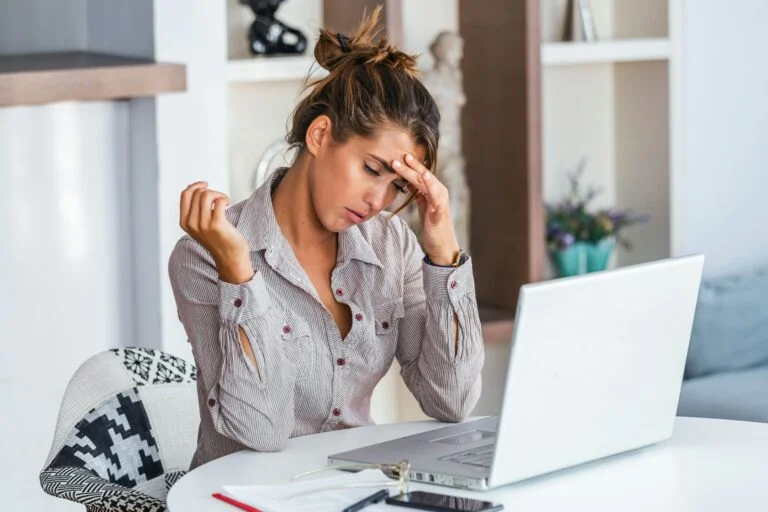
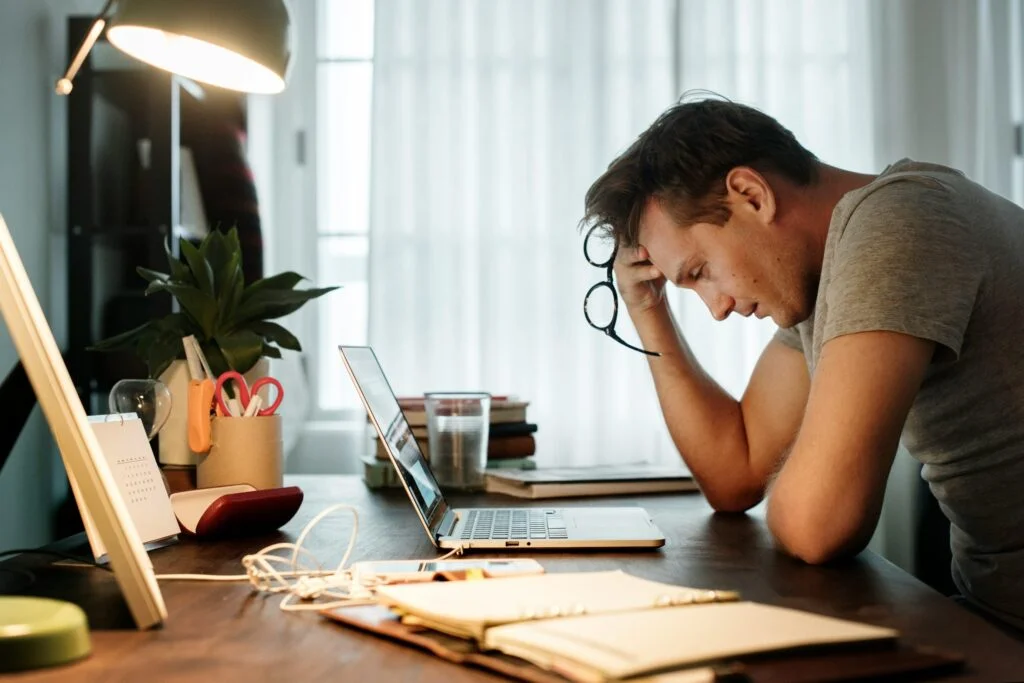
Anxiety symptoms can be mental and physical. The main one is worry that’s hard to control. Physical signs include a racing or pounding heart, feeling tense, trouble sleeping, tiredness, stomach problems, dizziness, sweating, shaking and shortness of breath. Speak to a GP if anxiety affects daily life, and get urgent help for chest pain.
Below: the full list of mental and physical anxiety symptoms, signs in women and men, anxiety vs panic attacks, what anxiety feels like, and what helps.
Mental and emotional symptoms
- Worry or stress that affects daily life and is hard to control
- Feeling restless, on edge or irritable
- Finding it hard to concentrate
- Expecting the worst, or overthinking. See how to stop overthinking
- Low mood
- Avoiding situations that make you anxious
Physical symptoms of anxiety
Anxiety triggers your body’s stress response, so it can cause very real physical symptoms. The NHS lists these:
| Body | Symptoms |
|---|---|
| Heart | Heartbeat that feels stronger, faster or irregular (palpitations). See heart palpitations |
| Breathing | Shortness of breath |
| Muscles | Tension, aches, shaking or trembling |
| Head | Headaches, dizziness, feeling lightheaded |
| Stomach | Tummy aches and other stomach problems |
| Skin | Sweating more, pins and needles |
| Mouth | Dry mouth |
| Energy and sleep | Difficulty sleeping, getting tired easily |
If you’re not sure whether shortness of breath or chest pain is anxiety, get it checked. Call 999 for chest pain that feels heavy, tight or spreads to your arms, jaw or back.
Anxiety symptoms in women and men
Women are diagnosed with anxiety more often than men, but the symptoms are the same. How people describe and cope with them can differ.
| Women | Men |
|---|---|
| Anxiety can change with periods, pregnancy, perimenopause and menopause. See menopause and anxiety | More likely to show irritability, anger or physical symptoms, and less likely to talk about it. See stress in men |
| Often linked with poor sleep and racing thoughts at night | More likely to turn to alcohol or work longer hours |
Anxiety vs panic attack
| Anxiety | Panic attack | |
|---|---|---|
| How it starts | Builds gradually, often linked to worries | Sudden, sometimes out of the blue |
| How long | Can last hours or days | Usually 5 to 20 minutes |
| Feels like | Ongoing tension and worry | Intense fear, racing heart, feeling faint, fear of losing control |
During a panic attack, breathe slowly in through your nose and out through your mouth, and remind yourself it will pass.
Anxiety symptoms at night
Anxiety often feels worse at night: racing thoughts, a pounding heart in bed, waking at 3am with worry, or vivid dreams. See anxiety at night and the Sunday scaries.
What helps anxiety
- Talking therapies such as CBT. Adults in England can refer themselves to NHS Talking Therapies.
- Regular exercise, one of the best-proven ways to reduce anxiety.
- Slow breathing and relaxation. See nervous system regulation.
- Less caffeine and alcohol. See does caffeine cause anxiety?
- Good sleep. See sleep hygiene.
- Medicines from your GP, if needed.
Many people are also curious about supplements and CBD. See our honest guides to natural supplements for anxiety, magnesium and anxiety and choosing a CBD oil.
When to see a GP
See a GP if anxiety is affecting your daily life or causing you distress, or if treatment isn’t helping. If you’re having thoughts of harming yourself, call NHS 111 and choose the mental health option, contact Samaritans on 116 123, or call 999 in an emergency.
If symptoms come on suddenly and peak within minutes, see how to stop a panic attack.
See also stress symptoms.
If it hits as soon as you wake, see morning anxiety.
FAQs
What are the physical symptoms of anxiety?
A fast or pounding heart, tension, shaking, sweating, dizziness, headaches, stomach problems, dry mouth, shortness of breath, tiredness and trouble sleeping.
Can anxiety cause physical symptoms?
Yes. Anxiety triggers the body’s stress response, which can cause real symptoms like palpitations, muscle tension and stomach upset.
What does anxiety feel like?
Ongoing worry that’s hard to switch off, feeling on edge or restless, often with physical tension, a racing heart or trouble sleeping.
How do I know if it’s anxiety or something else?
You can’t always tell, so see a GP if you’re unsure. Call 999 for chest pain that feels heavy or tight or spreads to your arm, jaw or back.
Are anxiety symptoms different in women and men?
The symptoms are the same, but men are more likely to show irritability or physical symptoms and less likely to talk about it.
Sources
- NHS. Generalised anxiety disorder in adults.
- NHS Every Mind Matters. Anxiety.
- NHS. Panic disorder.
- Munro NR et al (2026). Effect of exercise on depression and anxiety symptoms: systematic umbrella review with meta-meta-analysis. British Journal of Sports Medicine.
This guide is general information, not medical advice.