














Last updated: 19 November 2026
Can you take magnesium with antihistamines? Yes, for most people. The BNF lists no interaction between magnesium and cetirizine, loratadine, chlorphenamine or promethazine. The one timing rule is fexofenadine: antacids containing magnesium or aluminium reduce how much is absorbed, so leave 2 hours between them. Ask a pharmacist if you take other medicines too.
Checked against the BNF, the NHS medicines pages, the fexofenadine product information and PubMed on 19 November 2026. This is general information, not medical advice.
What the BNF and NHS say
The NHS splits antihistamines into two groups: drowsy ones such as chlorphenamine (Piriton), diphenhydramine, hydroxyzine and promethazine, and non-drowsy ones such as acrivastine, cetirizine, fexofenadine and loratadine. We checked the BNF interaction lists for magnesium, antacids and each antihistamine on 19 November 2026:
| Antihistamine | Type | BNF magnesium or antacid entry |
|---|---|---|
| Cetirizine | Non-drowsy | None |
| Loratadine | Non-drowsy | None |
| Acrivastine | Non-drowsy | None |
| Fexofenadine | Non-drowsy | Antacids: 2 hours apart |
| Chlorphenamine (Piriton) | Drowsy | None |
| Promethazine (Phenergan) | Drowsy | None |
| Hydroxyzine | Drowsy | None |
Diphenhydramine (Nytol Original) has no BNF page, and its NHS page doesn’t mention magnesium.
The BNF magnesium page (38 interactions) names no antihistamine. Its one general note: magnesium antacids “and other oral magnesium preparations” should preferably not be taken at the same time as other drugs, because they might impair absorption. We found no study of magnesium supplements with cetirizine, loratadine or other antihistamines on PubMed.
Fexofenadine and magnesium: the 2-hour rule
This is the one real interaction on the page. The UK product information for Telfast (fexofenadine) says that an antacid containing aluminium and magnesium hydroxide, taken 15 minutes before fexofenadine, reduced how much of the medicine got into the body, most likely because it binds to it in the gut. It advises leaving 2 hours between them.
The BNF says the same for antacids, and the NHS fexofenadine page says to leave about 2 hours between fexofenadine and indigestion remedies containing aluminium or magnesium.
What about a magnesium supplement rather than an antacid? Nobody has tested magnesium glycinate or citrate with fexofenadine, so we can’t say whether it does the same. The cautious, simple answer is to treat it the same way:
On fexofenadine (Telfast, Allevia): keep any magnesium supplement and any indigestion remedy at least 2 hours away from your tablet. For example, fexofenadine in the morning and magnesium with your evening meal.
The same product information found no interaction between fexofenadine and omeprazole. If you take omeprazole as well, see magnesium and omeprazole.
Cetirizine and loratadine with magnesium
The BNF lists just 4 interactions each for cetirizine and loratadine, and none involves magnesium or antacids. No time gap is needed. What the NHS pages add:
- Cetirizine can still make you sleepy. The NHS says it seems more likely to do so than loratadine, desloratadine or fexofenadine. In the UK it’s also sold as Benadryl Allergy, Piriteze Allergy and Zirtek Allergy.
- Loratadine (Clarityn) may not mix with amiodarone, cimetidine or erythromycin, the NHS says. Magnesium isn’t on its list.
- Supplements in general: both pages say there might be a problem with herbal remedies and supplements that cause sleepiness, a dry mouth or difficulty peeing.
So plain magnesium with cetirizine or loratadine is a low-concern mix. A blend with herbal extras is worth showing to your pharmacist.
Piriton and Phenergan and Nytol
Chlorphenamine (Piriton), promethazine (Phenergan, and Sominex sleep tablets) and diphenhydramine (Nytol Original) are drowsy antihistamines. None has a magnesium entry in the BNF. Their NHS pages share the same cautions:
- don’t take another drowsy antihistamine with them
- take care with any medicine or supplement that makes you drowsy
- don’t drink alcohol with promethazine or diphenhydramine, and it’s best not to with chlorphenamine
- speak to your doctor if you need diphenhydramine for more than 2 weeks
Using Nytol or Sominex to sleep? See over-the-counter sleeping tablets UK and magnesium and sleeping tablets. If you take CBD too, see CBD and antihistamines.
Magnesium sleep blends and drowsy antihistamines
Many magnesium “sleep” or “night” blends, including ours, add extracts such as hops, passionflower and chamomile, plus L-theanine or glycine. None has been tested with antihistamines, and the BNF has no interaction entries for them. The NHS pages for chlorphenamine, promethazine and diphenhydramine specifically mention herbal remedies and supplements that cause sleepiness.
iOur advice: with a drowsy antihistamine, show the blend’s label to your pharmacist first, and don’t start both on the same night. With a non-drowsy one, the concern is smaller but the same check is sensible.
More on the extras: magnesium and chamomile, magnesium and passionflower and magnesium and L-theanine.
Alcohol and driving
The NHS says try not to drink alcohol with any antihistamine, particularly a drowsy one. Magnesium doesn’t change that. See magnesium and alcohol.
Drowsy antihistamines can reduce co-ordination, reaction speed and judgement, the NHS says, so don’t drive or use machinery after taking them. Even non-drowsy ones can make some people sleepy: don’t drive until you know how one affects you. GOV.UK says it’s illegal to drive if legal medicines impair your driving.
Timing magnesium around your antihistamine
- Fexofenadine: 2 hours apart from magnesium antacids (product information, BNF and NHS). Treat a magnesium supplement the same way.
- Cetirizine, loratadine, acrivastine: no set gap. The BNF’s general advice is still not to take oral magnesium at the same time as other medicines.
- Drowsy antihistamines at night: no set gap, but keep magnesium earlier, for example with your evening meal, if your pharmacist agrees.
- Other medicines first: antibiotics such as doxycycline, levothyroxine and some bone tablets have their own gaps.
The full list is in what not to take with magnesium, and routines in the best time to take magnesium.
Who should check with a GP or pharmacist first
The NHS says speak to a pharmacist or GP before taking antihistamines if you’re pregnant or breastfeeding, an older person, taking other medicines, or have heart, liver or kidney disease or epilepsy. The BNF advises caution with magnesium supplements in kidney impairment, because of the risk of too much magnesium in the blood, and avoiding them when kidney function is very low.
Ask your GP or pharmacist before adding magnesium if you:
- have kidney disease, or have been told your kidney results are lower than normal
- take fexofenadine and use indigestion remedies often
- take a drowsy antihistamine with another medicine that makes you sleepy
- are thinking of a magnesium blend with herbal extracts
- are pregnant, trying for a baby or breastfeeding
iBuying for a child? Antihistamine doses for children are a pharmacist’s question, and our products are for adults only. Over 60? See magnesium for older adults.
Where Evopure fits
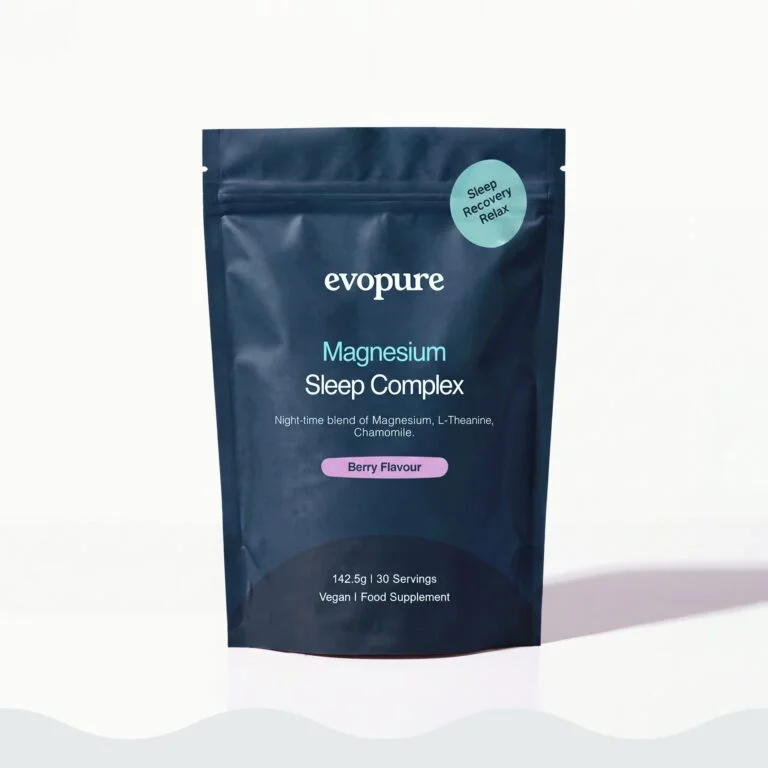
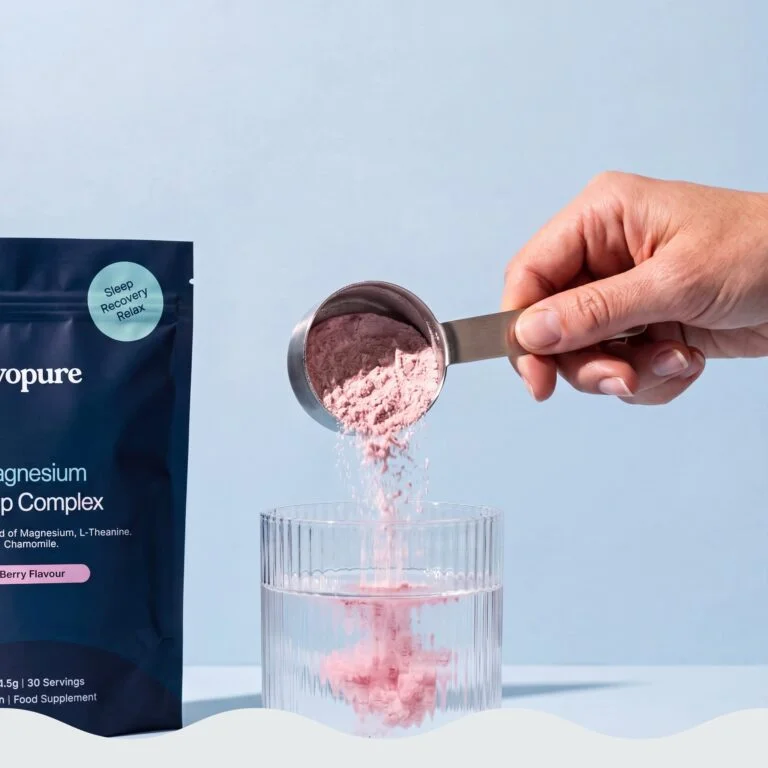
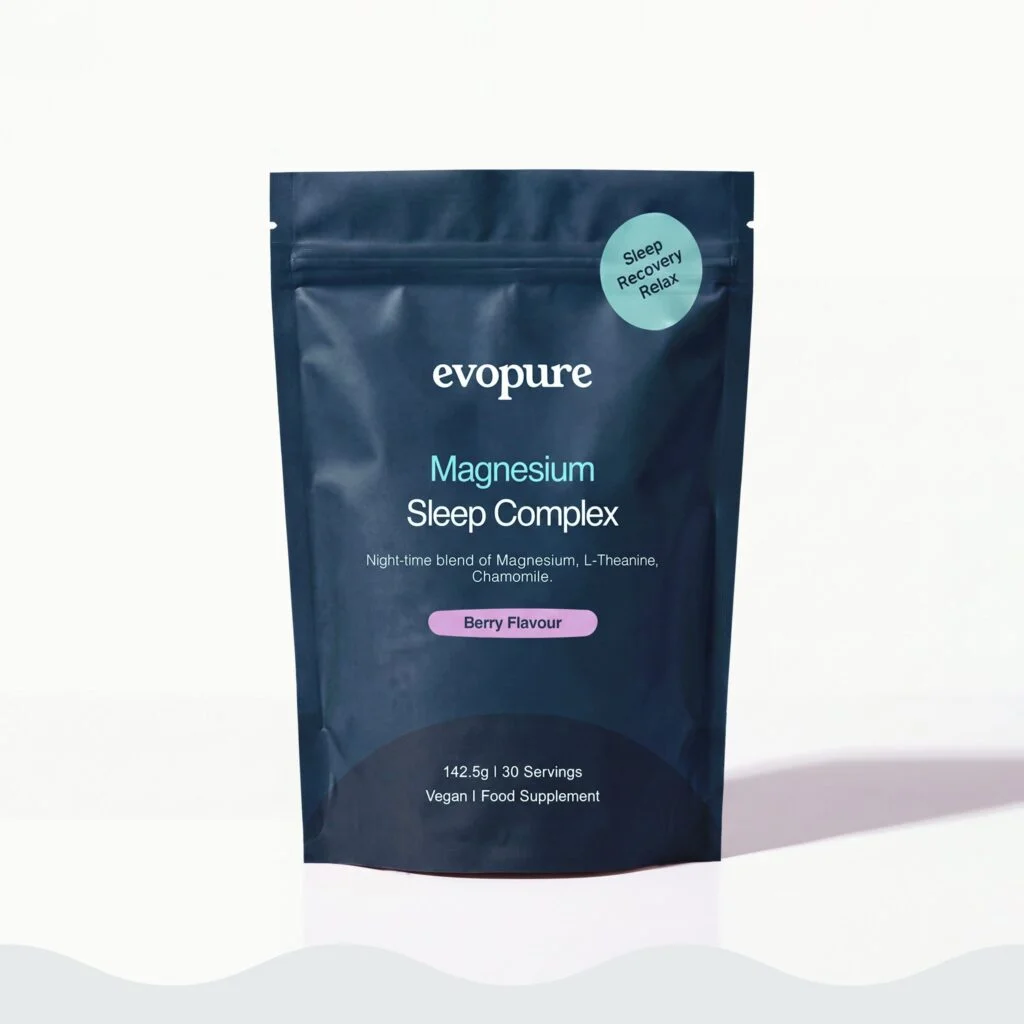
None of our products treats allergies or changes how an antihistamine works, and we don’t claim they do. If your pharmacist is happy for you to add magnesium, our Magnesium Glycinate Sleep Complex is a berry drink powder with 290mg of magnesium (77% NRV) per 4.75g serving, from magnesium bisglycinate and citrate. To be upfront: it also contains glycine, L-theanine and extracts of hops, passionflower, chamomile and oat straw, so show the label to your pharmacist, especially if you take a drowsy antihistamine.
Our pick, once your pharmacist is happy
Magnesium Glycinate Sleep Complex
Magnesium Glycinate Sleep Complex. Magnesium contributes to a reduction of tiredness and fatigue and to normal muscle function. A berry drink you can take with your evening meal, well apart from a morning antihistamine.
Add Magnesium Glycinate Sleep Complex to bag See ingredients and reviews
Rated 4.7 out of 5 from 15 ratings on the product page (checked 19 November 2026). We make it, so we’re not neutral. Vegan and made in the UK. Subscribe and save 25% on your first order, then 20%. New to Evopure? Join our emails for 20% off a one-off first order. Free UK delivery over £40. Adults only. We don’t recommend our products during pregnancy or breastfeeding.
Subscribe £17.99One-off £29.99
View productWhy only one product? Our Reishi hot chocolate contains a little natural caffeine and its pack says it isn’t for people taking medication. The FSA does not recommend CBD for people taking any medication unless under medical direction, and CBD with drowsy antihistamines is covered in CBD and sleeping tablets.
How much is sensible? The NHS says 400mg or less a day of magnesium from supplements is unlikely to cause harm, and adults need 300mg (men) or 270mg (women) a day in total, mostly from food. See how much magnesium per day.
Sources 8
- BNF (NICE). Interactions for magnesium, antacids, fexofenadine, cetirizine, loratadine, chlorphenamine and promethazine. Checked 19 November 2026.
- BNF (NICE). Magnesium glycerophosphate (renal impairment). Checked 19 November 2026.
- emc. Telfast 180mg film-coated tablets: summary of product characteristics (section 4.5). Revised 22 September 2025; checked 19 November 2026.
- NHS. Antihistamines. Checked 19 November 2026.
- NHS. Fexofenadine and loratadine (reviewed 22 April 2025), cetirizine (reviewed 18 February 2025). Checked 19 November 2026.
- NHS. Chlorphenamine (Piriton) (reviewed 14 May 2025), promethazine (reviewed 21 May 2025) and diphenhydramine (reviewed 13 May 2025). Checked 19 November 2026.
- NHS. Vitamins and minerals: others (magnesium). Reviewed 3 August 2020; checked 19 November 2026.
- GOV.UK. Drugs and driving: the law. Checked 19 November 2026.
General information, not medical advice. Evopure makes food supplements and is not connected with the makers of any medicine named here.