
Anxiety can cause real chest pain or tightness, often a sharp or stabbing pain, with a racing heart, sweating, dizziness and fast breathing, usually triggered by worry or panic. It typically eases as you calm down.

“Nervous breakdown” isn’t a medical term, but people use it to describe reaching a point where stress, anxiety or depression become so overwhelming that you can’t cope with daily life.

People pleasing means regularly putting other people’s needs and approval ahead of your own, often at a cost to you. Signs include struggling to say no, over-apologising and feeling responsible for others’ feelings.

Crying for no obvious reason is common and usually has a hidden cause, such as stress building up, tiredness, hormonal changes before a period or around the menopause, anxiety or low mood. Crying itself is healthy.
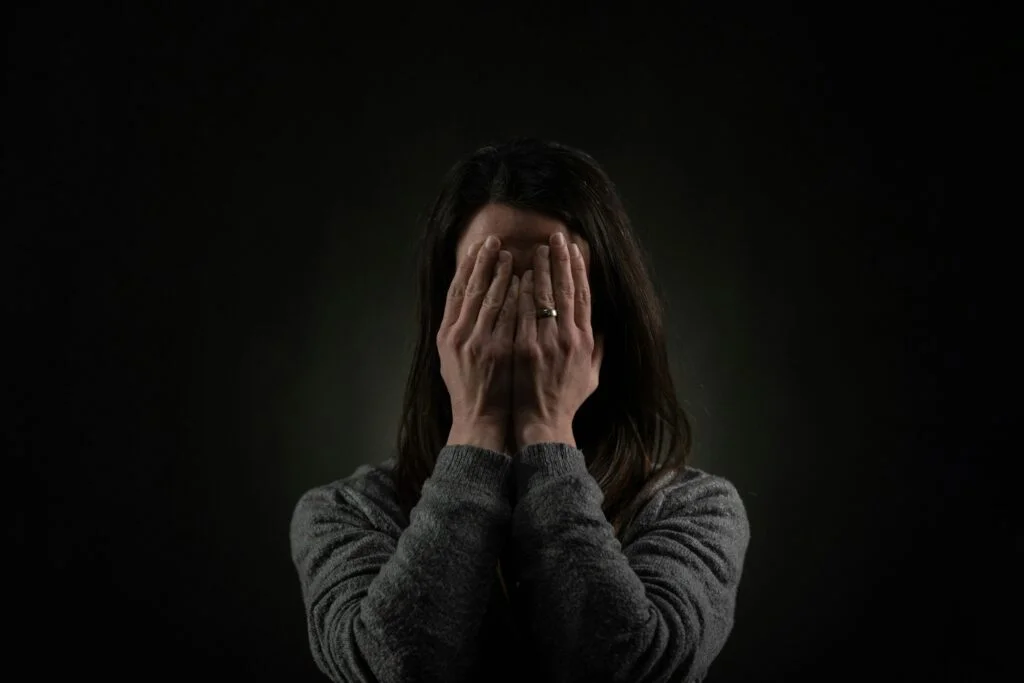
To control anger in the moment, pause before reacting: count to 10, breathe slowly, and step away until your body calms down. Then deal with the problem once you’re calmer.

Grief is the natural response to losing someone or something important to you. It can bring shock, deep sadness, anger, guilt, exhaustion and physical symptoms such as poor sleep and aches.

Sleep deprivation means not getting enough sleep. Adults need at least 7 hours a night.

To get motivated, don’t wait to feel like it. Start with a tiny first step, such as two minutes of the task, because action usually comes before motivation.

Low self-esteem means having a mostly negative opinion of yourself: feeling not good enough, being very self-critical and doubting your abilities. It often starts in childhood and is kept going by negative thinking and avoidance.

Waking up tired is often down to sleep inertia, the normal grogginess that usually wears off within 15 to 60 minutes.

Feeling overstimulated means your brain is getting more noise, light, touch, information or demands than it can comfortably process. You may feel irritable, tense, tearful or desperate for quiet.

Health anxiety is when worrying that you’re ill, or about to become ill, starts to take over your life. Common signs are constantly checking your body, googling symptoms and needing reassurance.