
















Low Mood vs Depression: Signs, Causes and How to Lift Your Mood (UK)

Low mood is feeling sad, flat, tired or irritable for a few days or weeks, often after stress or a setback, and it usually lifts with small changes.

Better Nights, Better Days.
Pure, tested, made properly.
Low mood is feeling sad, flat, tired or irritable for a few days or weeks, often after stress or a setback, and it usually lifts with small changes.

For most people, sleeping on your side is the best sleeping position. It helps reduce snoring and suits most back and neck problems, especially with a pillow between your knees. Back sleeping is fine if you don’t snore.
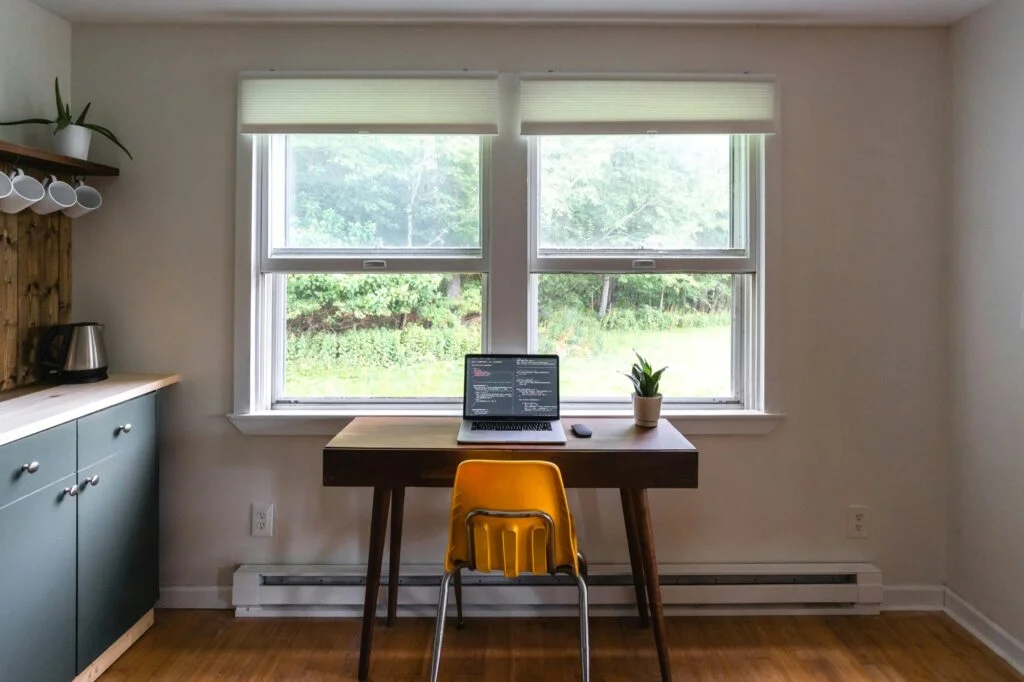
Working from home can be good for mental health, with no commute and more flexibility, but it can also bring loneliness, longer hours and trouble switching off.
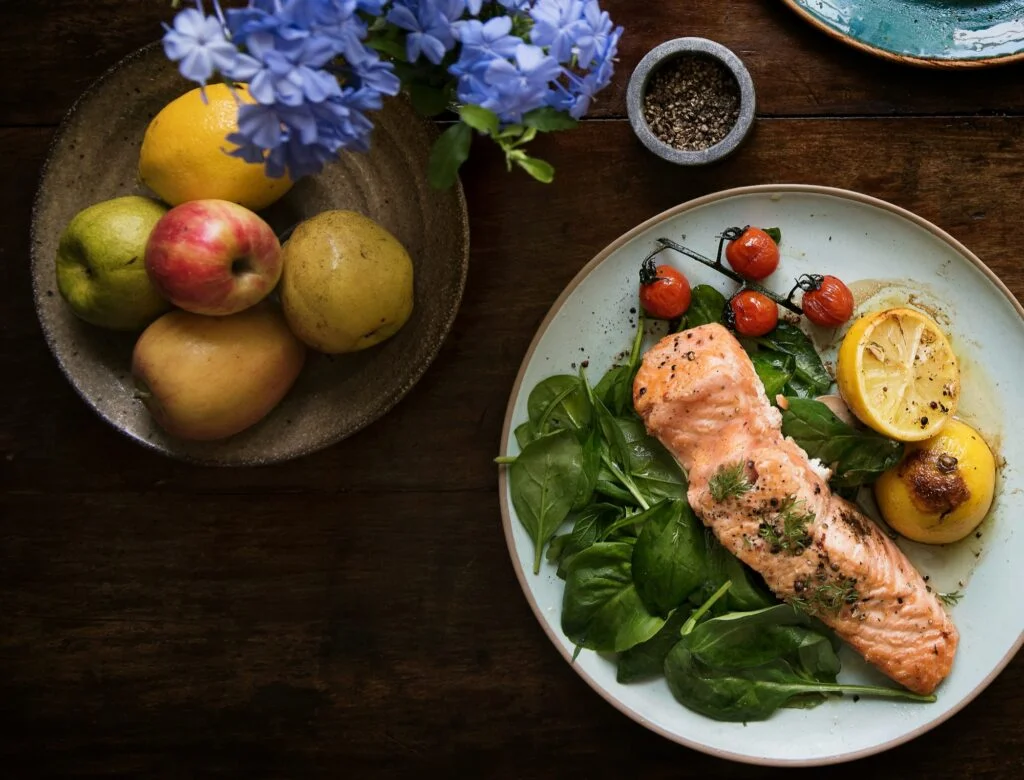
Food can affect your mood. Large studies link diets rich in vegetables, fruit, wholegrains, beans, nuts and oily fish with a lower risk of depression, and trials show improving diet can reduce low mood symptoms.

To deal with anxiety, use quick calming tools in the moment, such as slow breathing and grounding, and build longer-term habits: regular exercise, good sleep, less caffeine and alcohol, talking to people and facing fears in small steps.
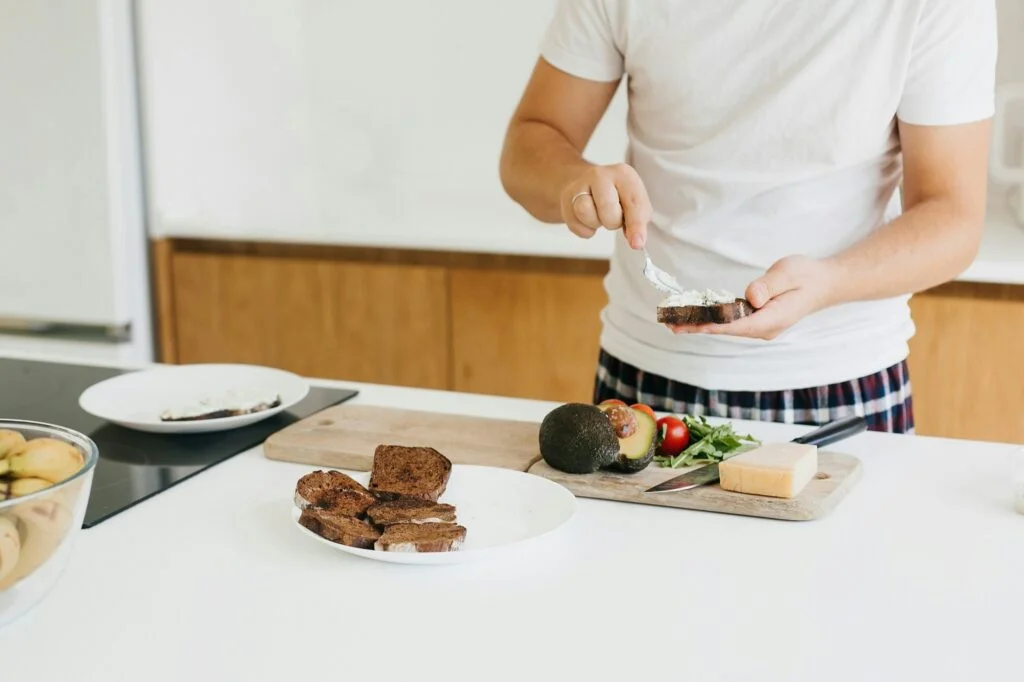
Eating before bed isn’t always bad, but a big, rich or spicy meal close to bedtime can disturb sleep and trigger heartburn. The NHS advises people with heartburn not to eat within 3 to 4 hours of bed.

Mindfulness means paying full attention to the present moment, including your thoughts, feelings and surroundings, without judging them.

To build healthy habits that stick, start tiny, attach the new habit to something you already do, make it easy and obvious, and repeat it at the same time each day.
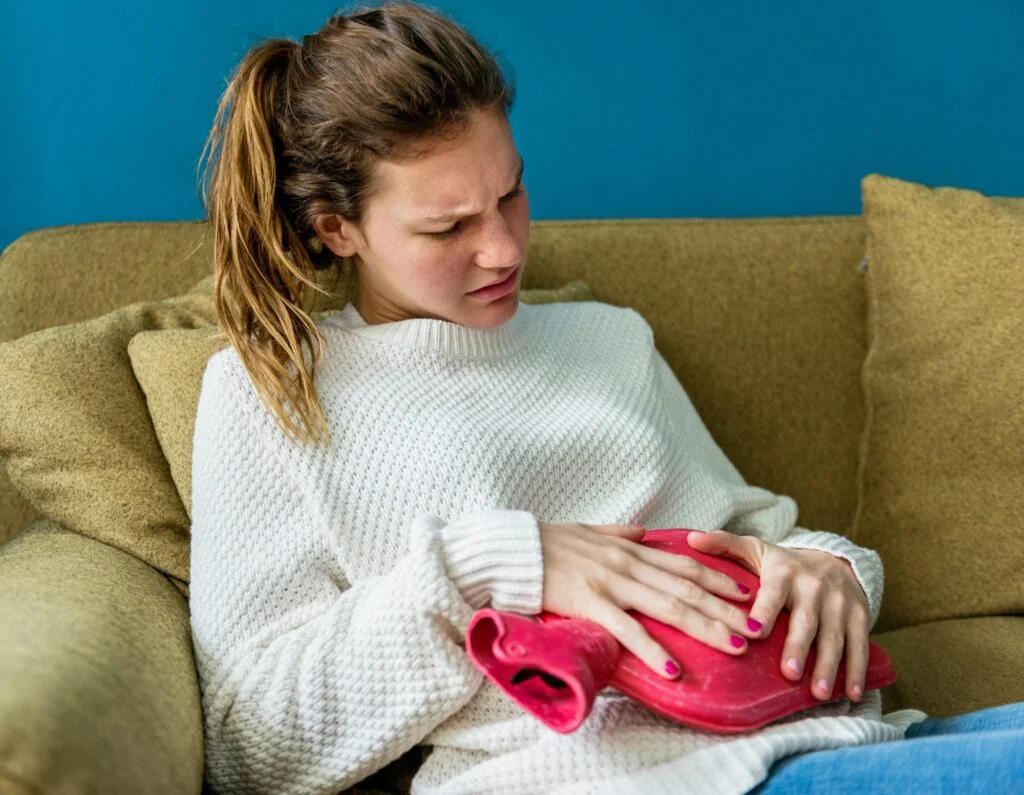
PMS (premenstrual syndrome) symptoms appear in the 1 to 2 weeks before a period and ease once it starts. Common signs include bloating, breast tenderness, headaches, spots, tiredness, food cravings, poor sleep, mood swings, irritability and anxiety.

Coffee on an empty stomach isn’t harmful for most people. But it can trigger heartburn in some, make you feel jittery or anxious, and lead to an energy crash.

To stay well in winter, get morning daylight, keep moving, protect your sleep, eat warming balanced meals, keep your home at least 18°C, take 10 micrograms of vitamin D a day from October to March as the NHS…

Many women gain weight around the middle in perimenopause and menopause. Falling oestrogen shifts fat towards the stomach, muscle mass drops with age, and poor sleep, stress and moving less all add up.